Observation skills Math Worksheets for Ages 5-6
3 filtered results
-
From - To
Enhance your child's observational skills with our engaging Math Worksheets designed specifically for ages 5-6! These thoughtfully crafted activities help little learners develop essential skills such as pattern recognition, shape identification, and detail-oriented observation. By integrating fun illustrations and interactive exercises, our worksheets not only make learning enjoyable but also reinforce key mathematical concepts. As children complete each task, they will improve their ability to analyze and interpret visual information, setting a strong foundation for future academic success. Explore our collection to empower your child with the critical thinking abilities necessary for mastering early math concepts! Download free worksheets today!
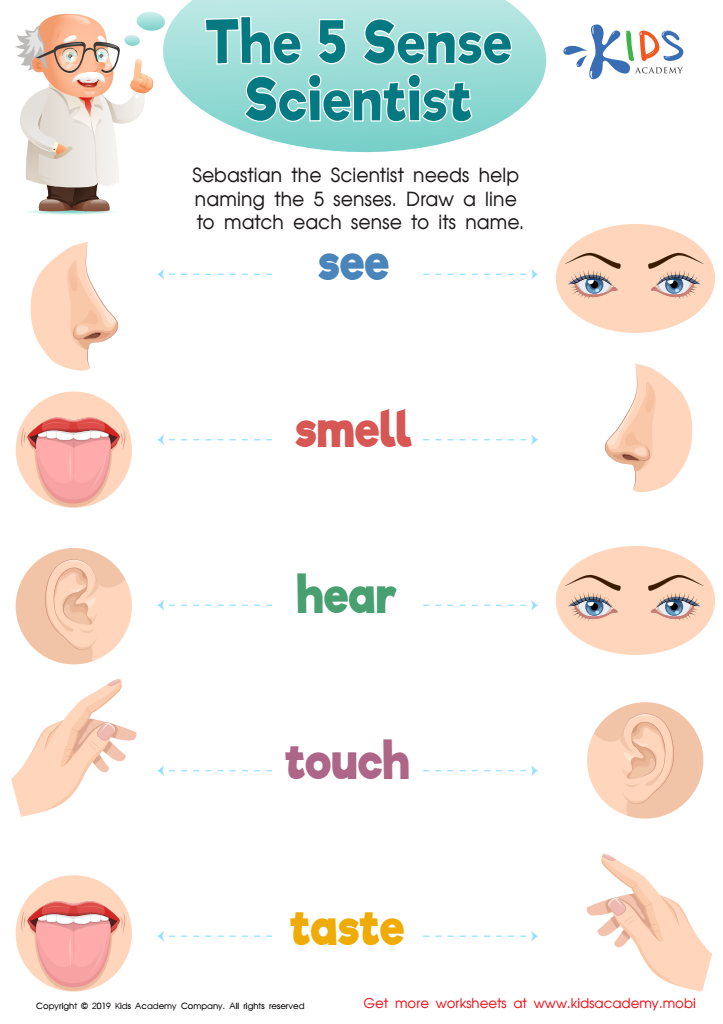
The 5 Sense Scientist Worksheet
 Assign to My Students
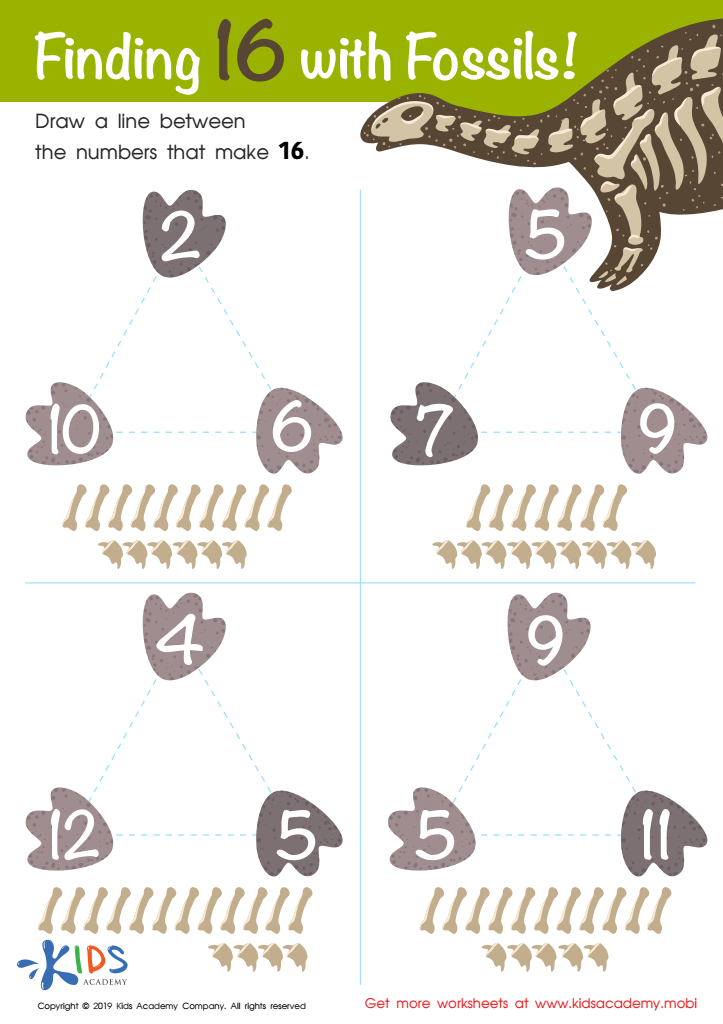
Finding 16 With Fossils Worksheet
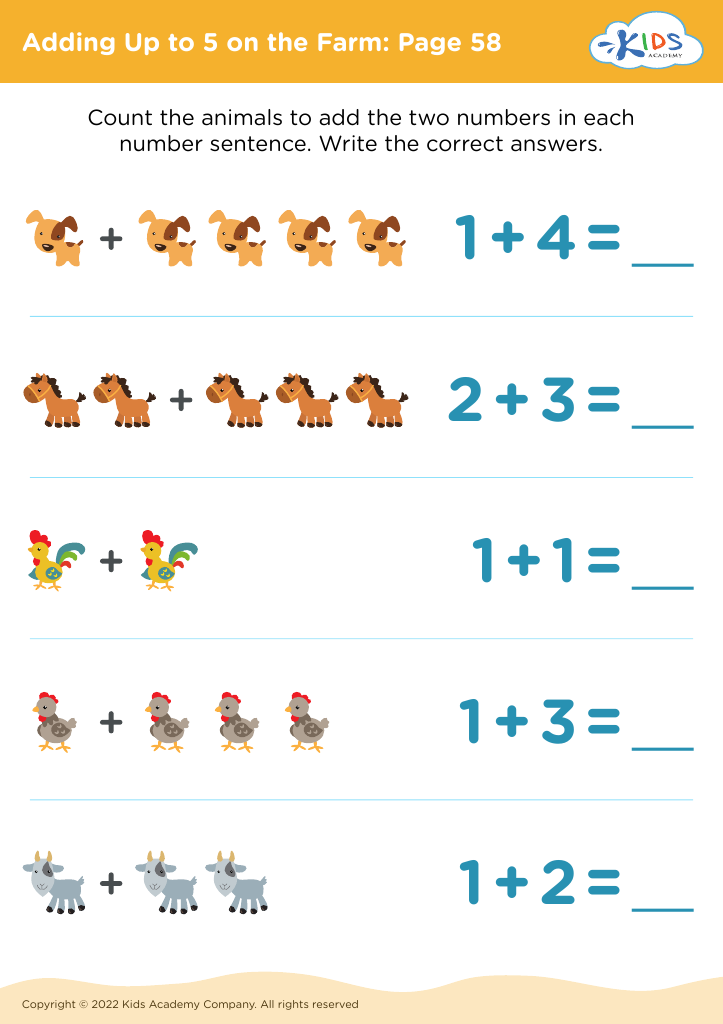







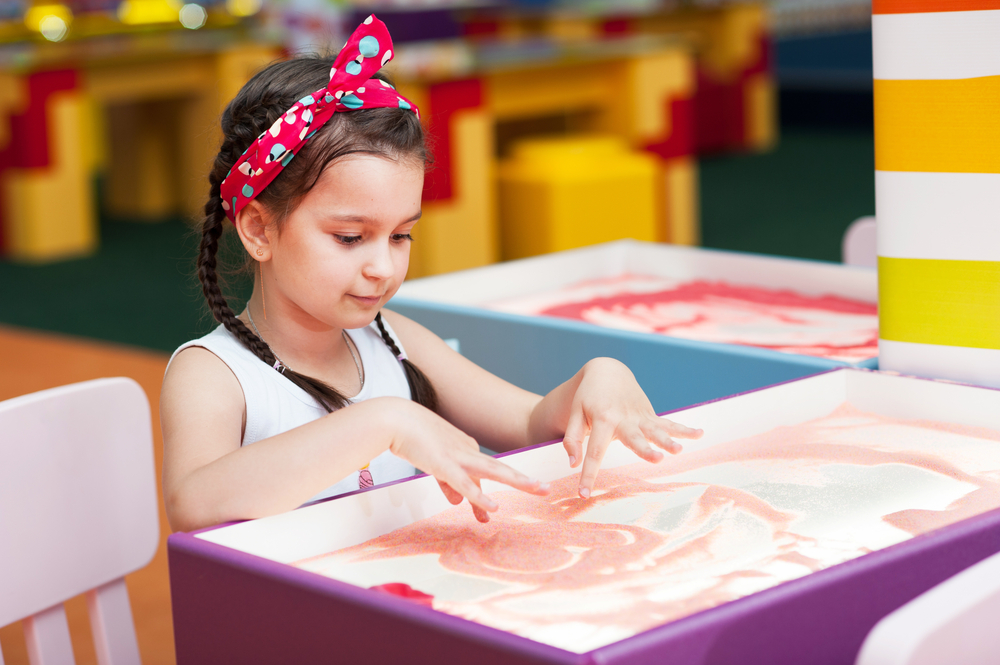
Observation skills in math for young children, particularly those aged 5-6, are vital for a variety of reasons. First, these skills lay the foundational understanding necessary for more complex mathematical concepts later on. At this age, children are instinctively curious and eager to explore the world around them. By fostering their ability to observe, we encourage them to notice patterns, relationships, and quantitative differences, which are essential to grasping mathematical ideas.
Moreover, sharp observation skills can enhance critical thinking and problem-solving abilities. When children learn to observe and analyze their surroundings, they become better equipped to approach challenges logically. This nurtures their inquisitive nature, promoting a love for learning.
Parents and teachers also benefit from encouraging observation skills. By paying attention to how children interact with numbers and shapes, caregivers can tailor their instruction to the child’s unique needs, making learning more effective and enjoyable. Additionally, fostering these skills creates a robust learning environment where children feel valued and heard, boosting their overall confidence in mathematics.
Ultimately, nurturing observation skills in young learners sets a solid groundwork for future academic success and instills a lifelong appreciation for the beauty inherent in mathematical concepts.








