Understanding multiplication Math Worksheets for Ages 5-6
5 filtered results
-
From - To
Introducing our "Understanding Multiplication" math worksheets, specially designed for ages 5-6! These engaging, age-appropriate activities help young learners grasp the fundamentals of multiplication. Each worksheet features colorful illustrations and simple problems to make learning fun and effective. Children will develop essential math skills such as number recognition, counting, and grouping while building their confidence. Perfect for both classroom use and at-home practice, these worksheets ensure a smooth transition to more advanced math concepts. Give your child a head start in their mathematical journey with our expertly crafted multiplication worksheets. Check them out at Kids Academy today!
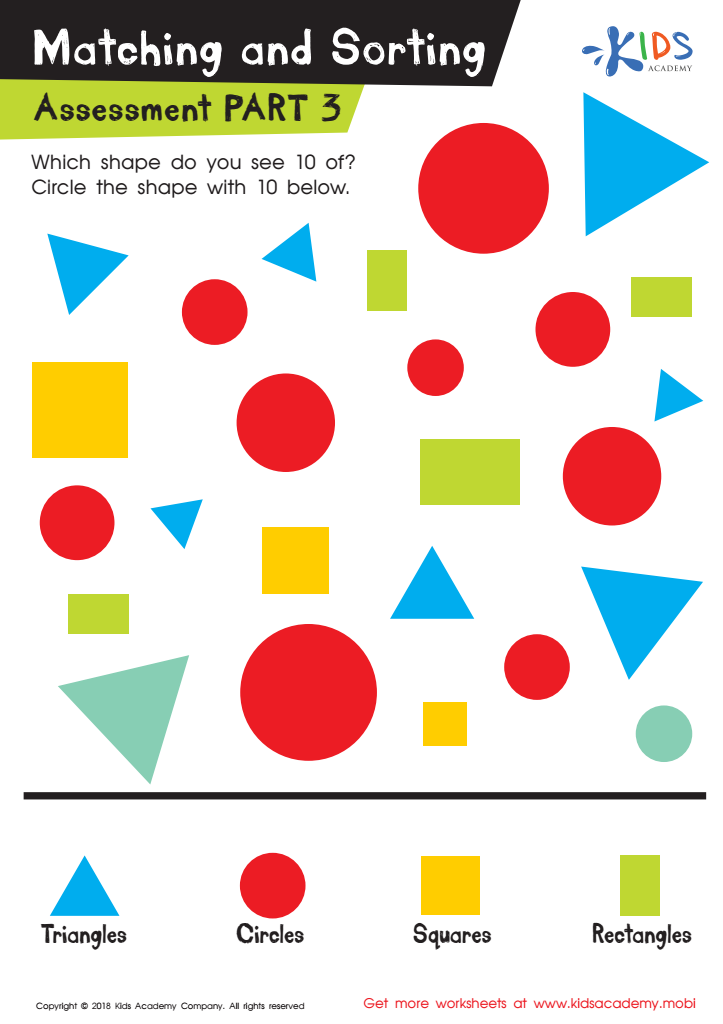
Matching and Sorting for Kindergarten: Assessment 3 Worksheet
 Assign to My Students
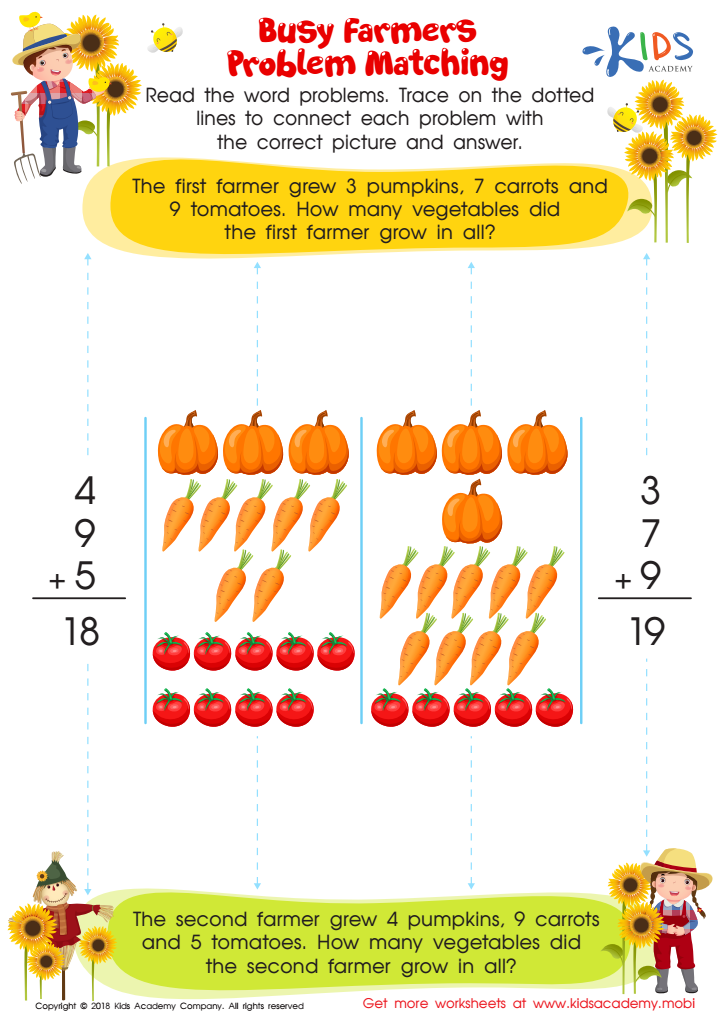
Busy Farmers: Problem Matching Worksheet
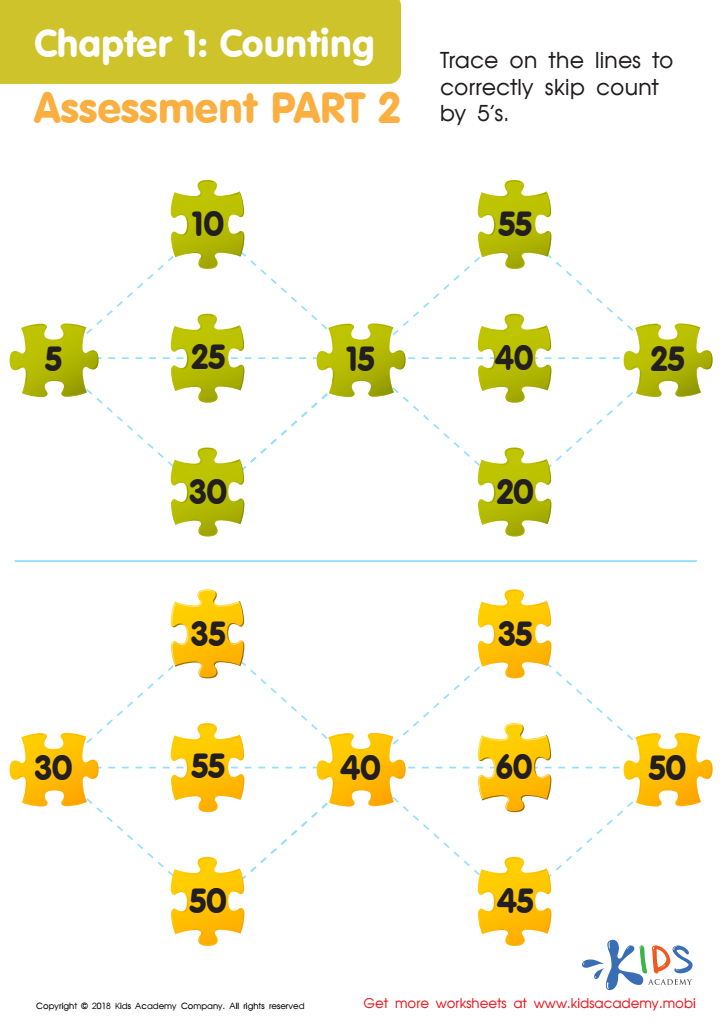
Counting: Assessment 2 Worksheet
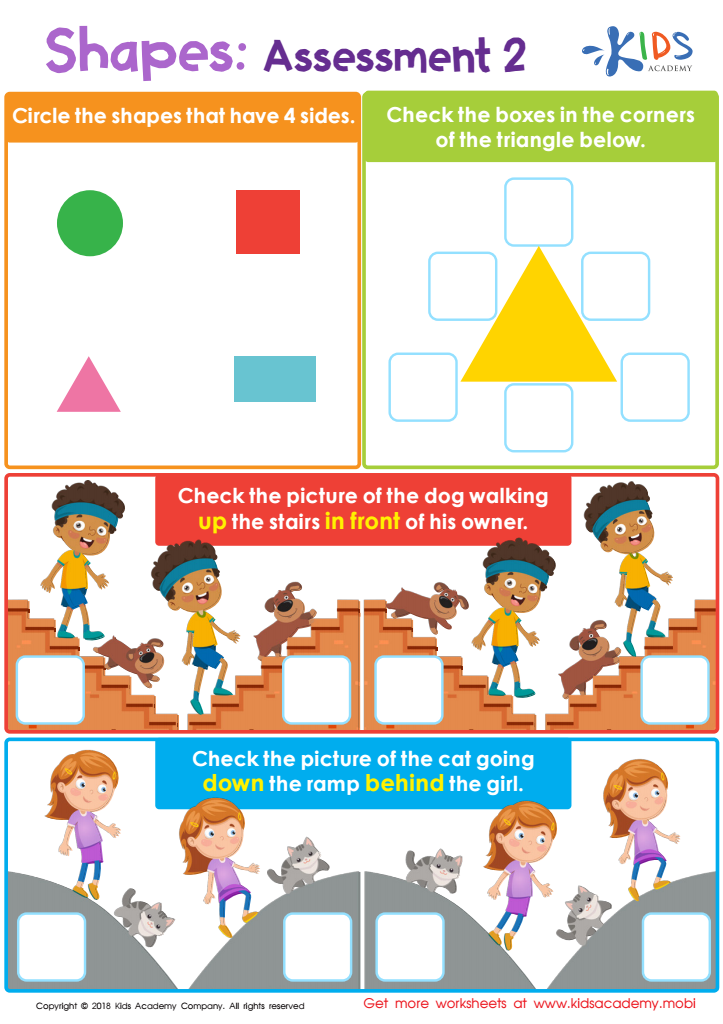
Shapes: Assessment 2 Worksheet

Enrichment: Firefighter Ladders Worksheet






Understanding multiplication at an early age is crucial for young learners, and parents and teachers have a significant role in fostering this foundational math skill. Multiplication is not just about memorizing times tables; it's about comprehending a concept that builds a critical base for more complex math topics in future years.
Introducing multiplication to 5-6-year-olds helps them grasp patterns and start developing problem-solving skills. At this stage, it can be taught visually and practically, such as grouping objects or using arrays. This concrete experience aids in developing their abstract thinking, which is vital for later mathematical concepts.
Early familiarity with multiplication also supports quicker mental calculations and enhances numeracy skills, making everything from division to fractions more accessible as they grow. When children understand these early concepts deeply, they're more likely to enjoy math and feel confident in their abilities.
Parents and teachers play a pivotal role by providing a supportive and encouraging learning environment. Positive reinforcement and practical examples from everyday life can demystify multiplication. In essence, fostering an early understanding of multiplication equips children with essential tools for academic success and everyday problem-solving skills, laying a robust foundation for their future education.








