Understanding symmetry Math Worksheets for Ages 5-6
5 filtered results
-
From - To
Discover the joy of learning symmetry with our engaging math worksheets designed specifically for ages 5-6! These resources aim to introduce young learners to the concept of symmetry through fun, interactive activities. Our worksheets feature vibrant illustrations and easy-to-follow exercises, helping children recognize symmetrical shapes and patterns in their everyday environment. By completing these worksheets, kids will strengthen their foundational math skills while enhancing their critical thinking and observation abilities. Perfect for both classroom settings and at-home learning, our Understanding Symmetry worksheets provide a stimulating way for young minds to explore the beauty of math. Start your child's learning journey today!
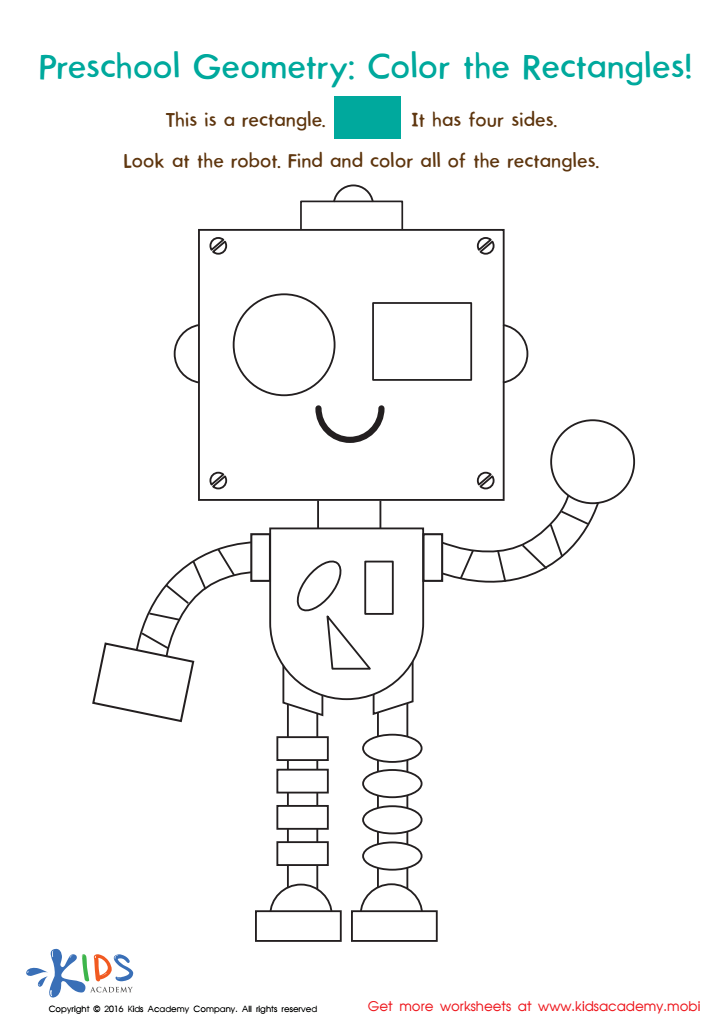
Geometry Worksheet
 Assign to My Students
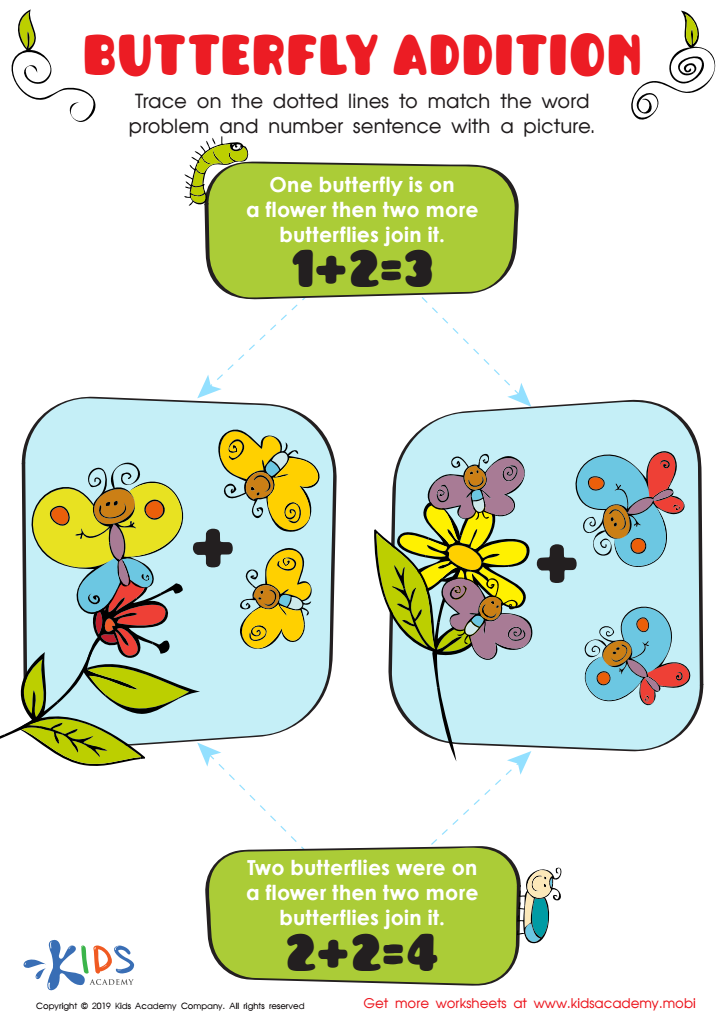
Butterfly Addition Worksheet
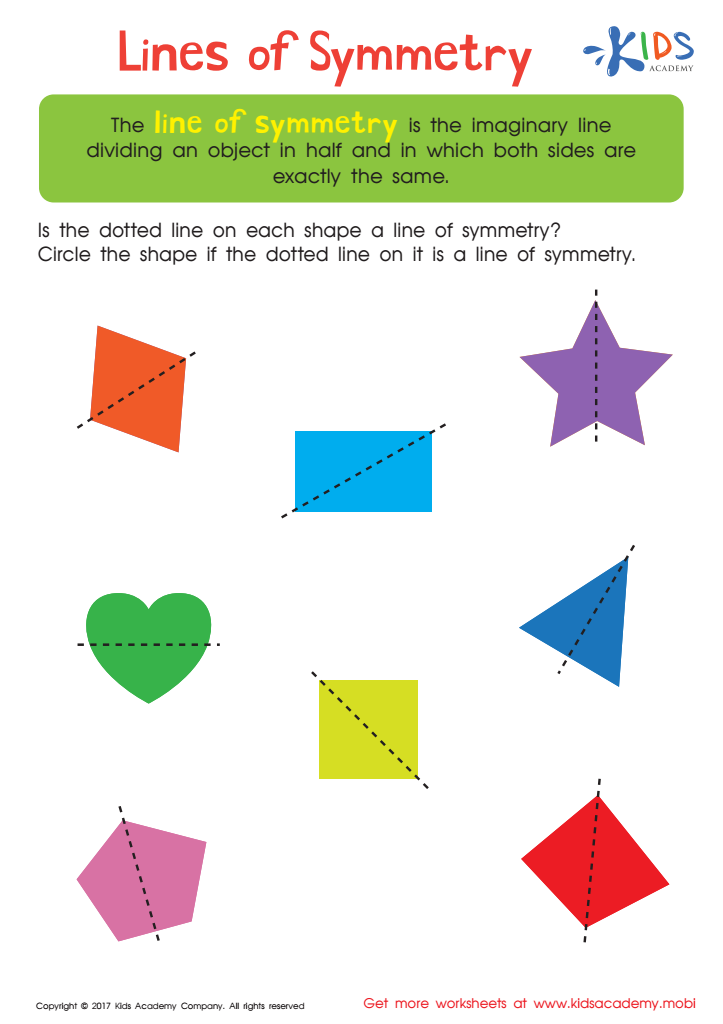
Lines of Symmetry Printable
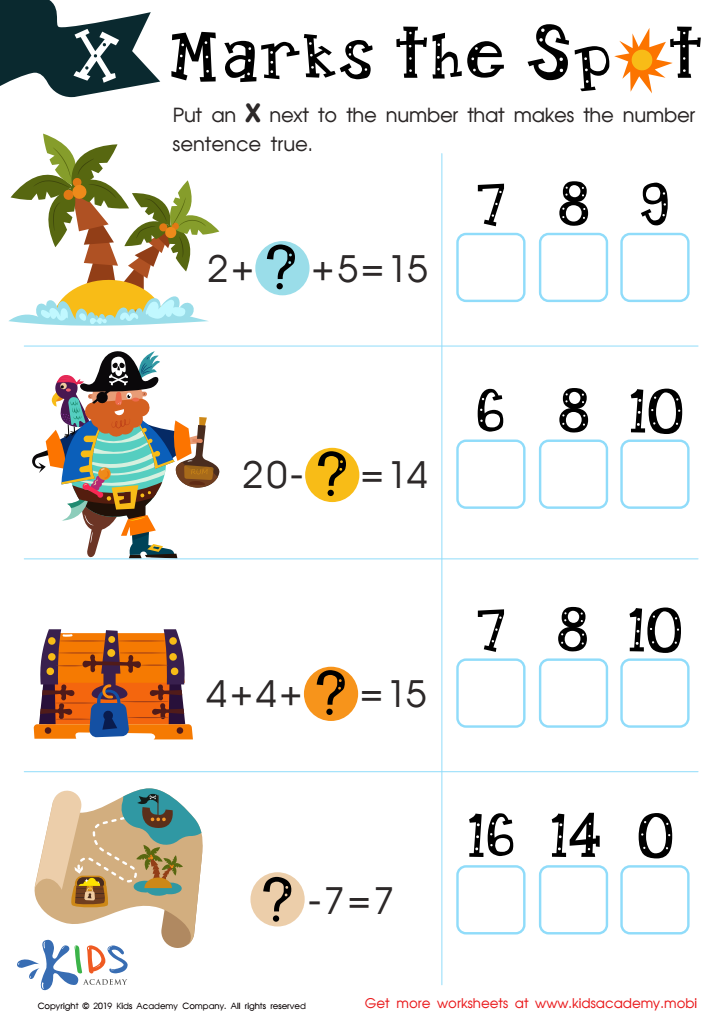
X Marks the Spot Worksheet
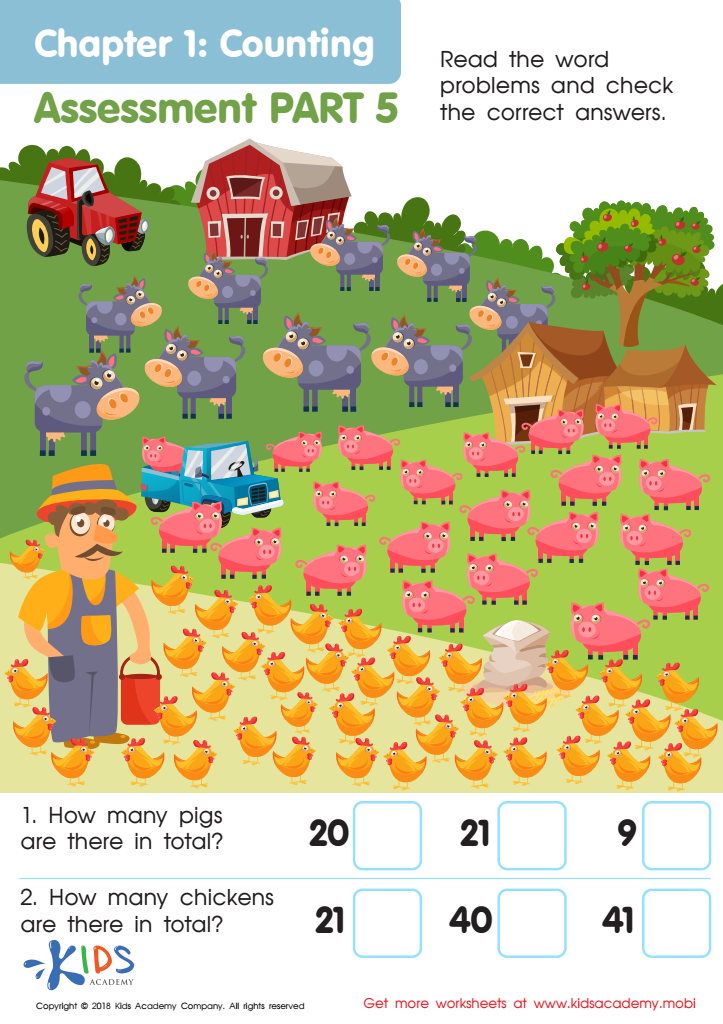
Counting: Assessment 5 Worksheet






.jpg)
Understanding symmetry is crucial for young learners aged 5-6, as it lays the foundation for critical math skills and fosters overall cognitive development. At this age, children are naturally curious and eager to explore the world around them. Engaging with symmetry helps them recognize patterns and shapes, an essential aspect of geometry.
When parents or teachers emphasize symmetry, they encourage children to observe and describe their environment. For example, kids can identify symmetrical objects, such as butterflies or mirrors, which enhances their visual-spatial reasoning. This observational skill is vital as it contributes to problem-solving abilities in more complex math concepts later in their education.
Moreover, working on symmetry can be fun and interactive! Counting and creating symmetrical shapes using blocks or drawings engage children’s creativity while promoting fine motor skills. Understanding symmetry also introduces fields like art and nature, making math feel relevant and exciting.
Ultimately, by focusing on symmetry at an early age, parents and teachers not only strengthen math understanding but also instill confidence in young learners, as they master foundational concepts that support their academic journey. This active engagement in mathematics lays the groundwork for future success in various subjects.








