Addition skills Place Value Worksheets for Ages 5-6
5 filtered results
-
From - To
Introducing our "Addition Skills Place Value Worksheets for Ages 5-6," designed to make learning fun and effective for young learners. These engaging worksheets help children grasp the concept of place value and improve their addition skills through interactive and age-appropriate exercises. Each worksheet is thoughtfully crafted by educational experts to ensure it aligns with early math curriculum standards. Through colorful visuals and hands-on activities, kids will explore the building blocks of math while building their confidence. Ideal for both classroom and home use, these worksheets are a fantastic resource for laying a strong foundation in mathematics.
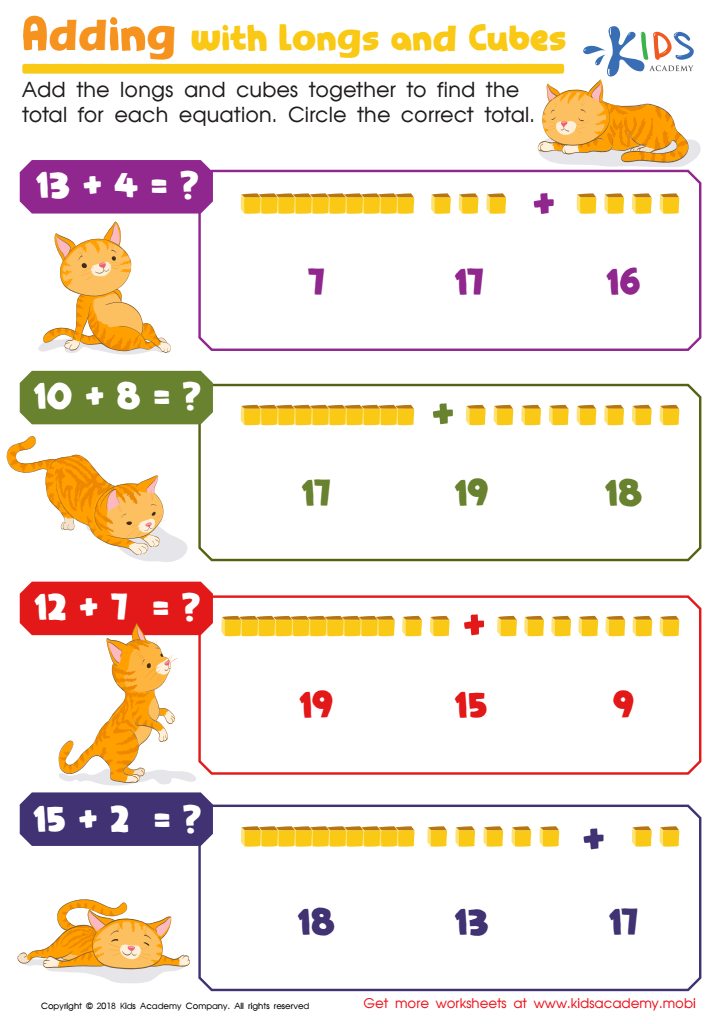
Adding With Longs and Cubes Worksheet
 Assign to My Students
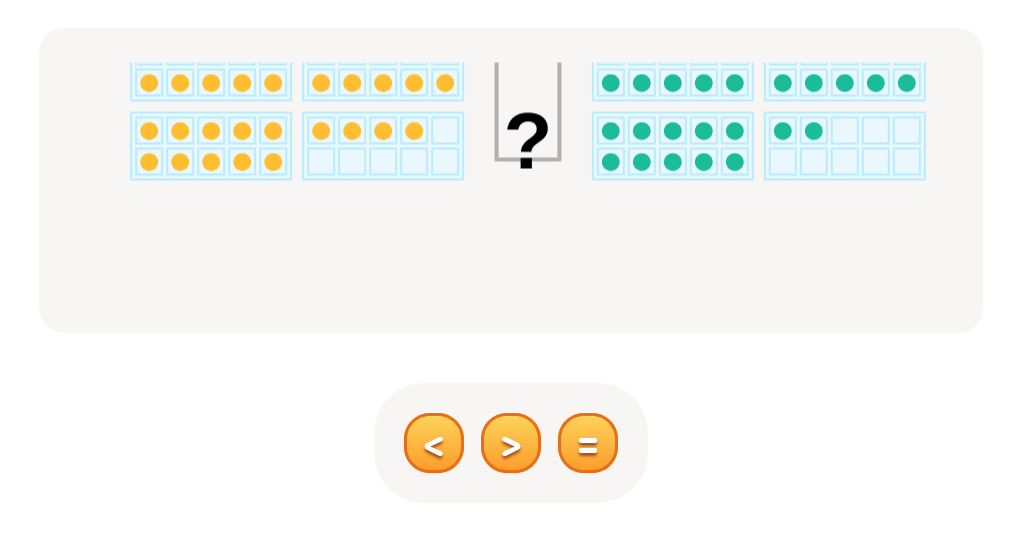

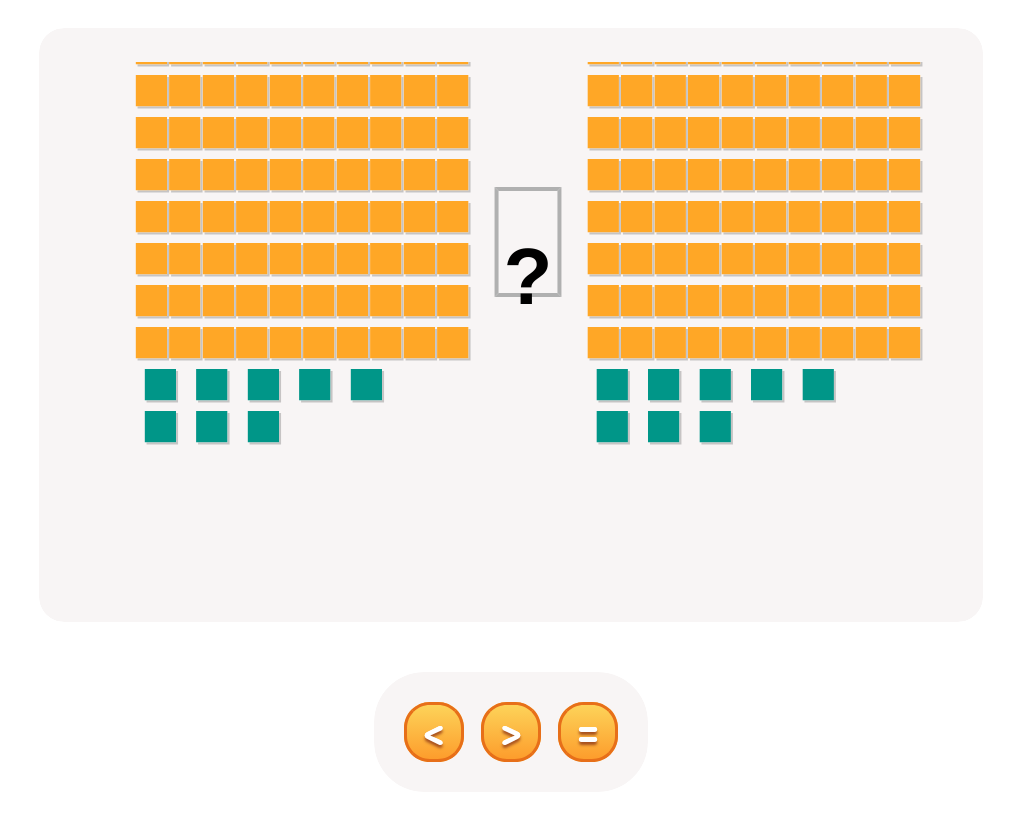
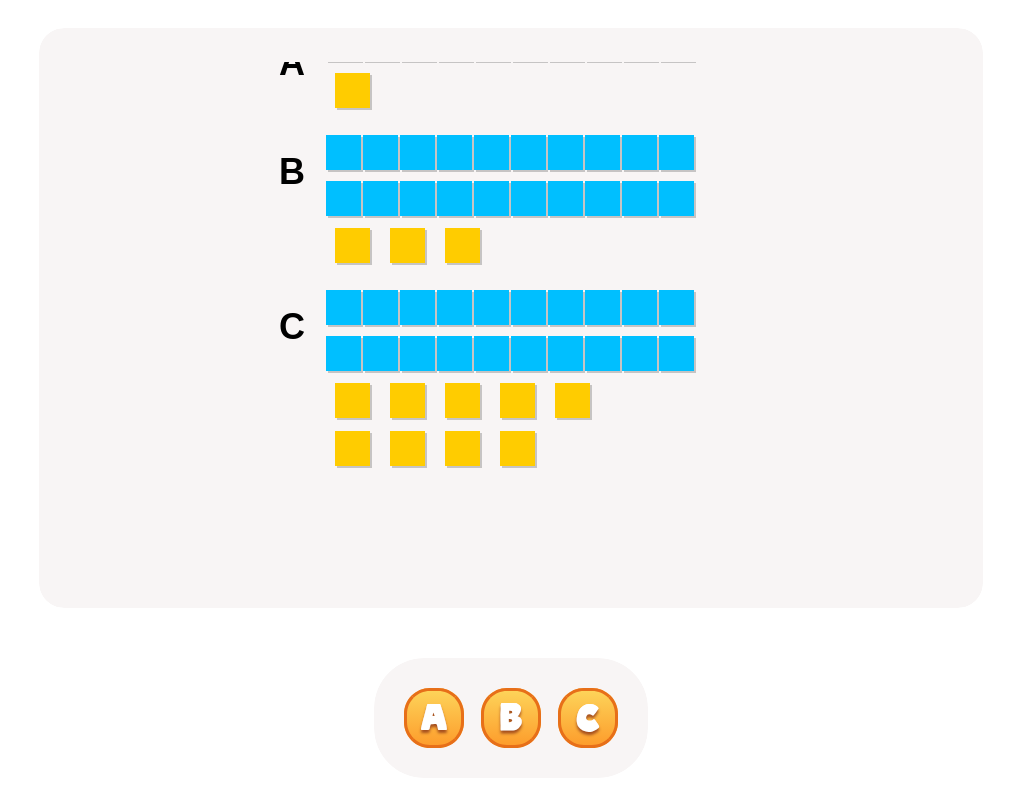
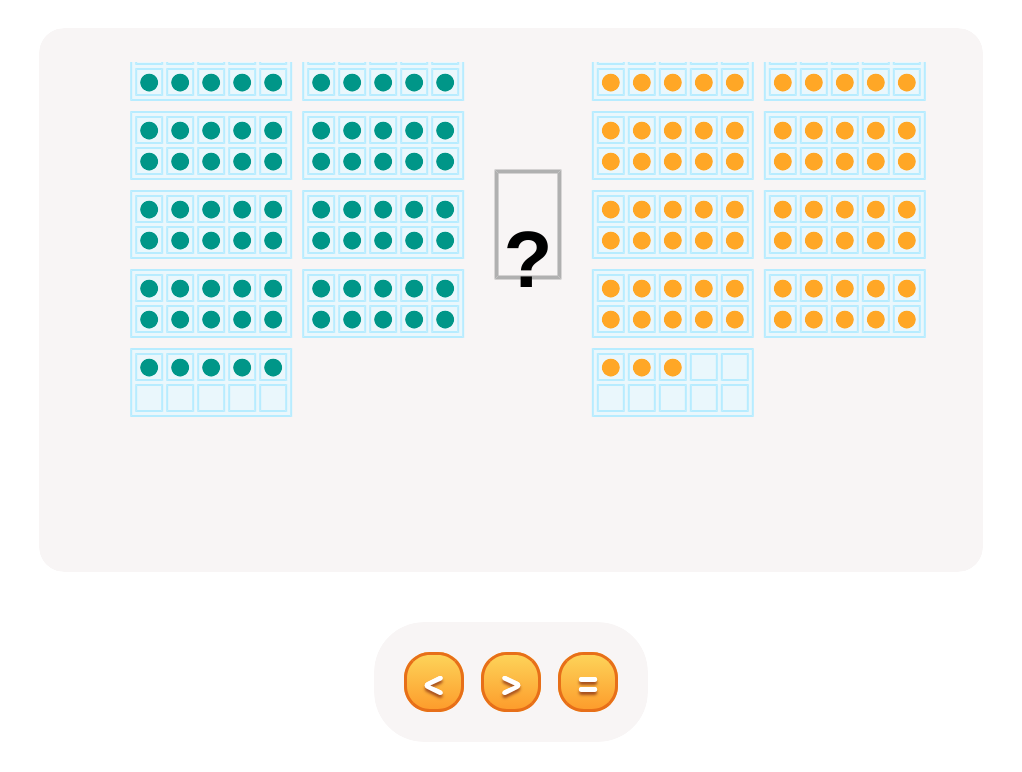
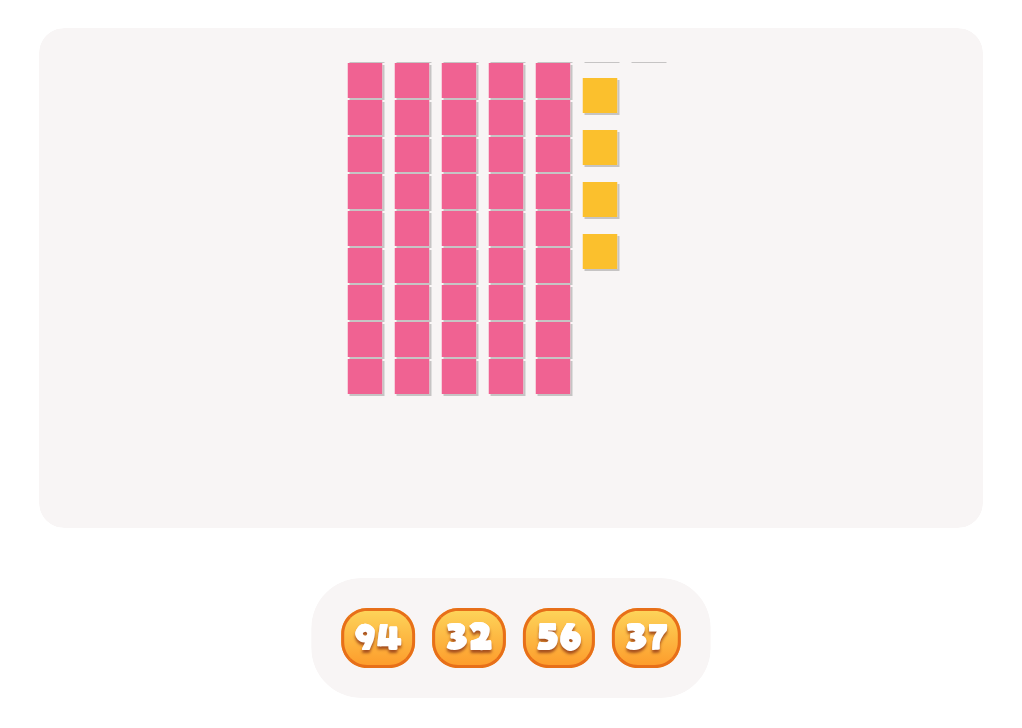
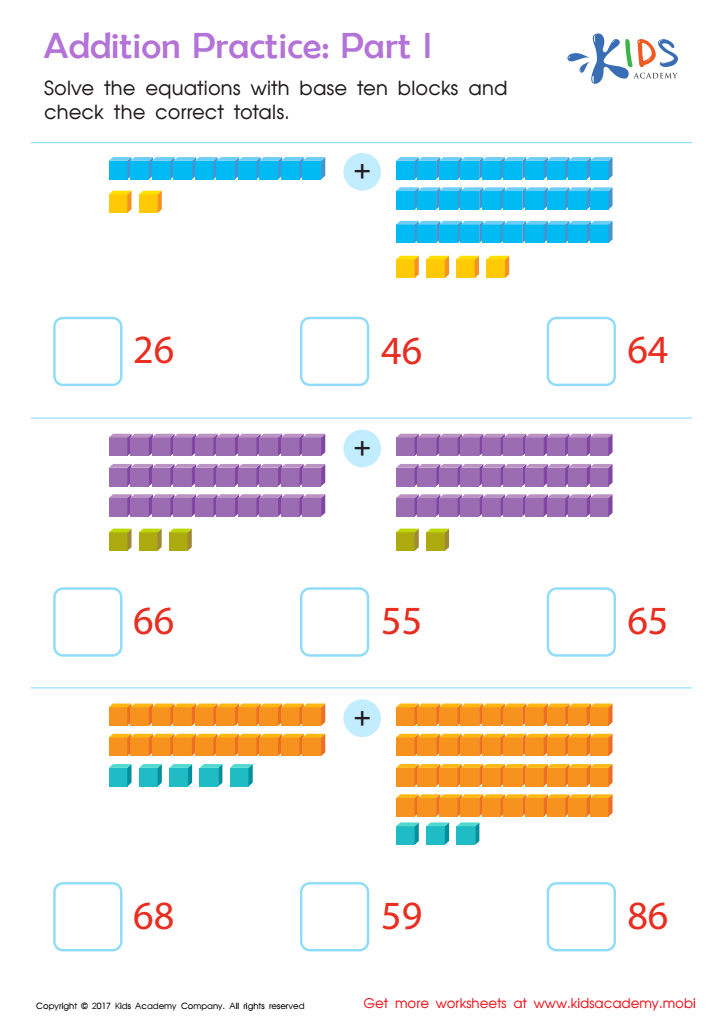
Addition Practice Sheet: Part 1
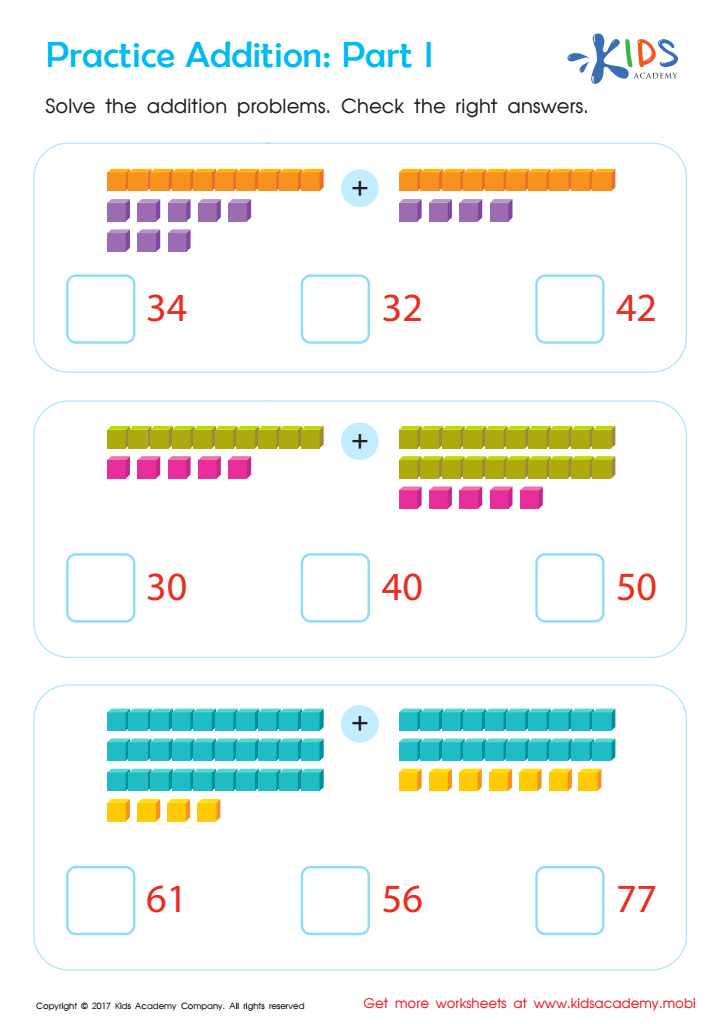
Practice Addition: Part 1 Worksheet
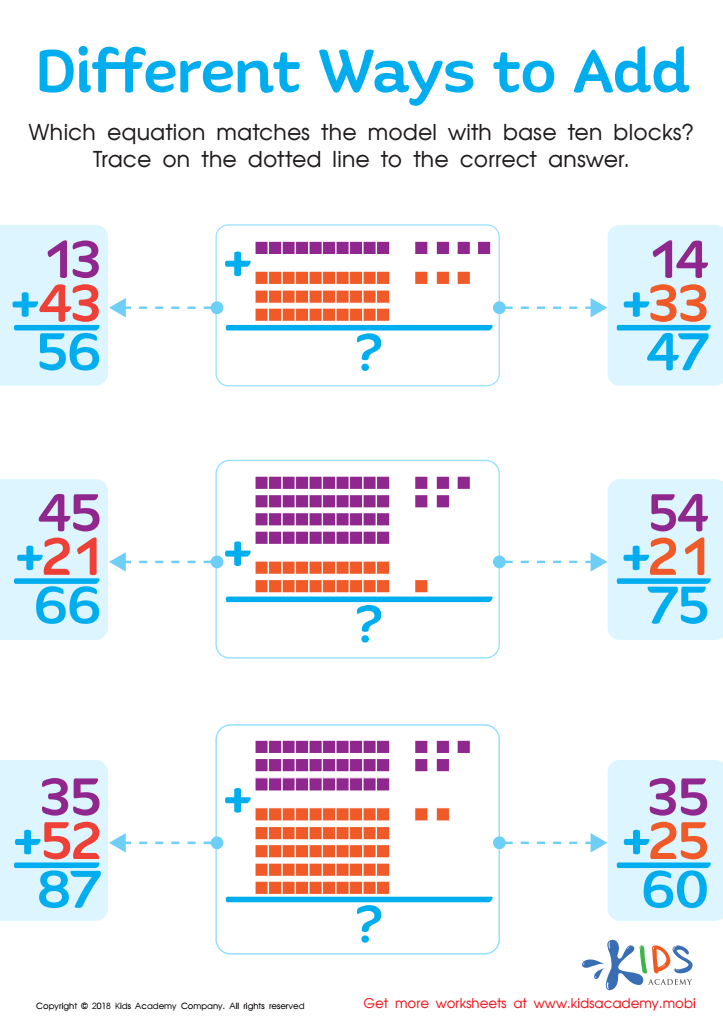
Different Ways to Add Worksheet
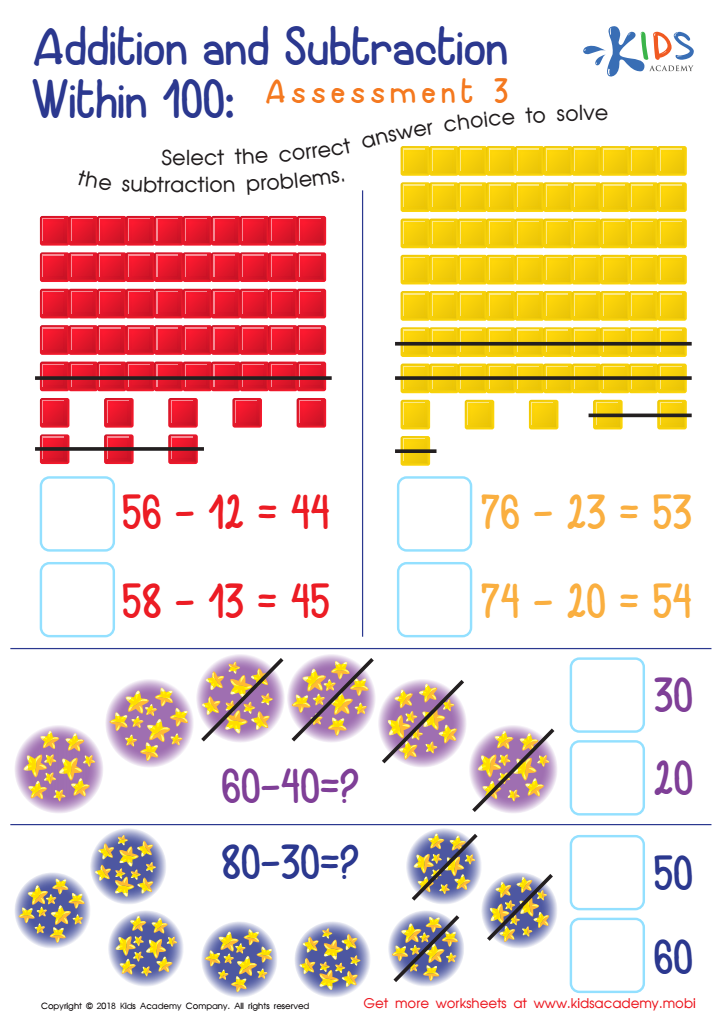
Addition and Subtraction Within 1: Assessment 3 Worksheet








Understanding addition and place value is crucial for children ages 5-6 as it forms the foundational building blocks for all future mathematics learning. For one, addition skills at this early age help children grasp the concept of combining quantities, an essential operation they will use in various facets of their academic and everyday life. Mastery in addition is directly linked to higher arithmetic skills that will be required in more complex calculations as they progress through school.
Place value, on the other hand, helps children understand the significance of a digit within a number based on its position. This concept is not only critical for addition but for understanding the entire number system. Place value knowledge equips children to solve problems more efficiently and aids in developing mental math skills. For instance, recognizing that in the number 23, the '2' represents two tens (or twenty) and the '3' represents three ones, allows them to quickly interpret and manipulate numbers.
Moreover, early competency in these areas boosts a child's confidence and encourages a positive attitude toward mathematics. Teachers and parents who invest time ensuring that children develop a solid understanding of addition and place value are setting them on a path to academic success. These skills are not just for solving math problems but are essential for logical thinking, critical to many aspects of life and future learning.