Critical Thinking Reading Non-Fiction Worksheets for Ages 5-6
4 filtered results
-
From - To
Unlock your child's potential with our Critical Thinking Reading Non-Fiction Worksheets for ages 5-6! Designed to engage young minds, these worksheets encourage exploration and analysis through captivating non-fiction topics. Students will enhance their comprehension skills and develop their ability to think critically by answering questions, making connections, and drawing conclusions about the world around them. Perfect for at-home learning or classroom use, these activities foster curiosity and promote a love for reading. Help your little learners think deeply and understand the importance of facts with our fun and educational resources. Start empowering their cognitive skills today!
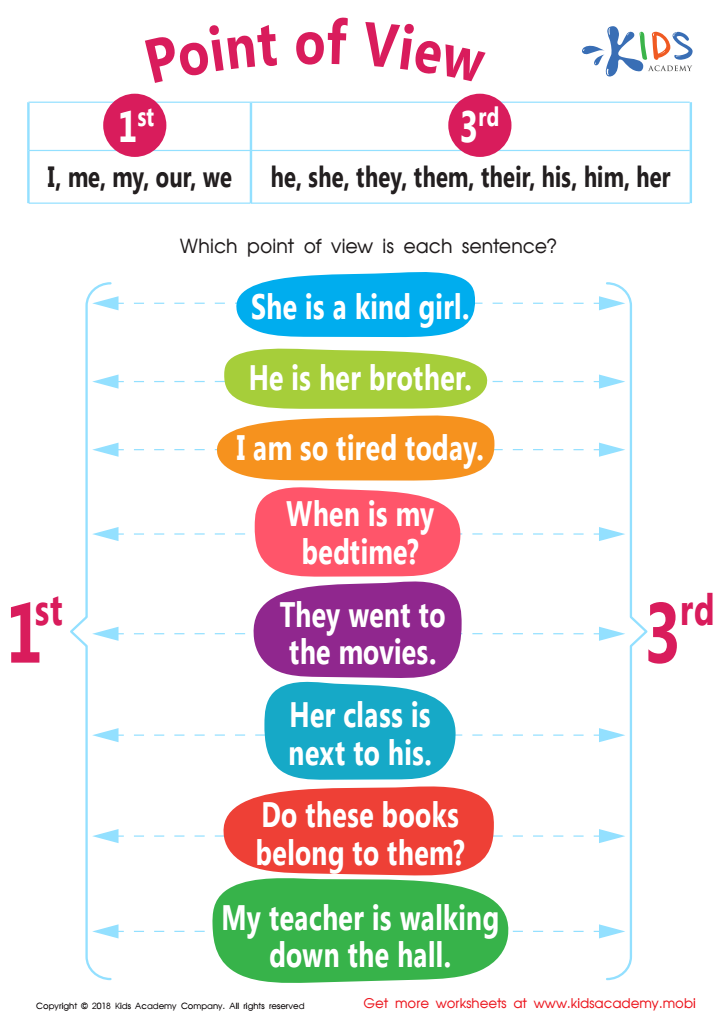
Point of View Worksheet
 Assign to My Students
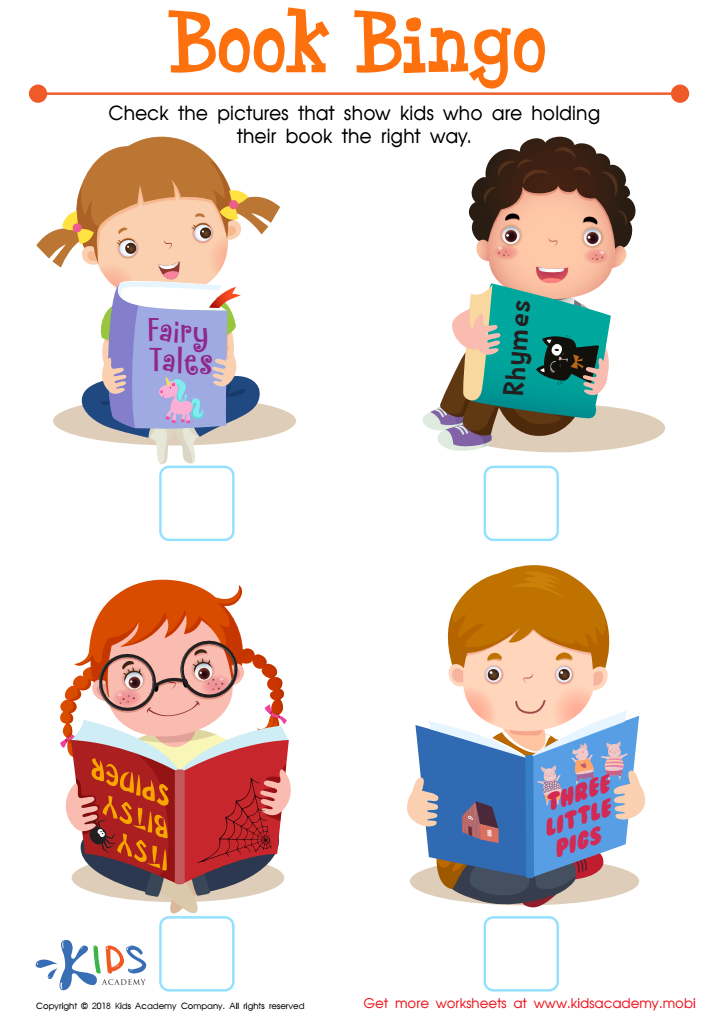
Book Bingo Worksheet
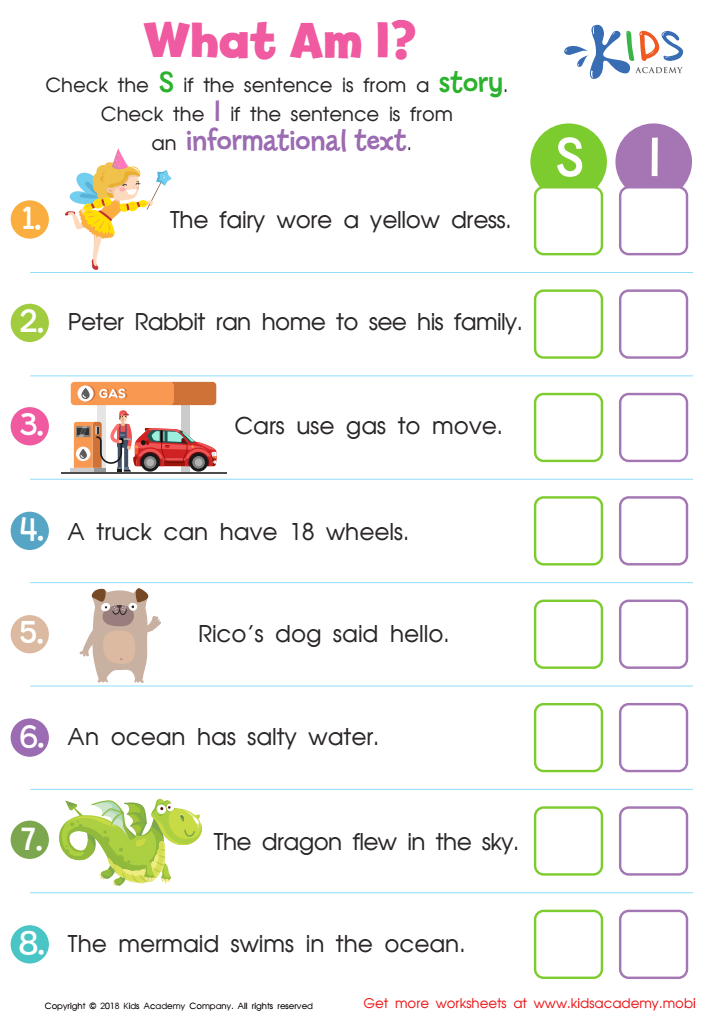
What Am I? Worksheet
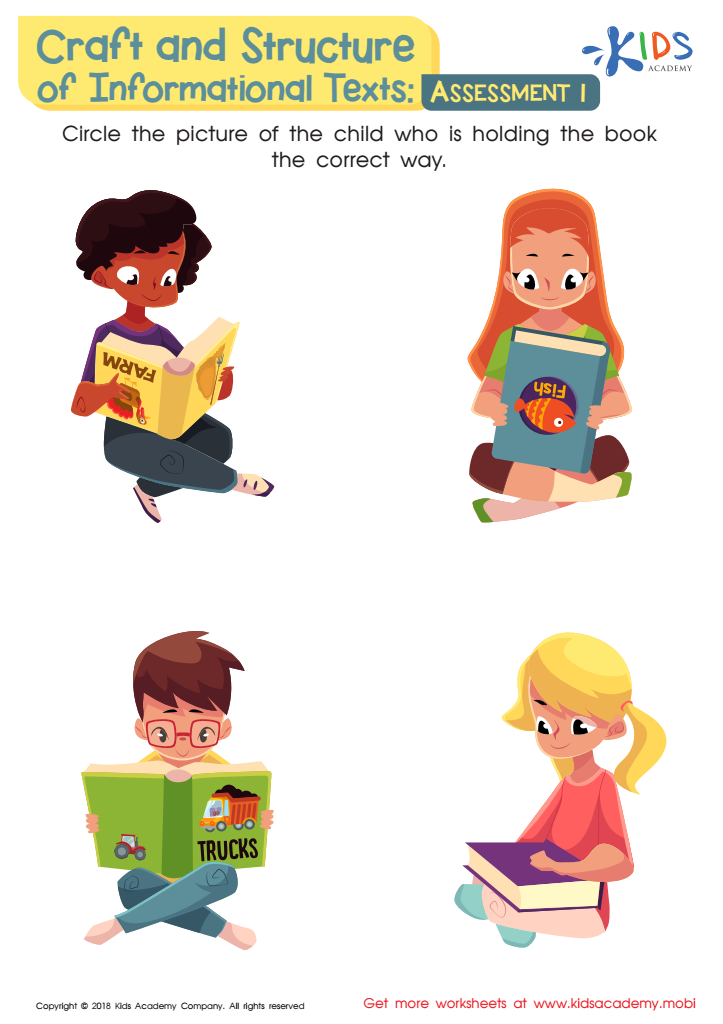
Craft and Structure of Informational Texts: Assessment 1 Worksheet








Critical thinking reading skills are essential for children aged 5-6, as they're foundational in developing overall literacy and comprehension. At this age, children are beginning to interact with a wider variety of texts, including non-fiction, which expands their understanding of the world around them. When parents and teachers emphasize critical thinking in non-fiction reading, children learn to analyze information, recognize perspectives, and differentiate between fact and opinion. These skills encourage curiosity and enhance a child's ability to ask questions, articulate thoughts, and seek answers.
Moreover, engaging with non-fiction texts helps young learners build knowledge in subjects such as science, geography, and history. This not only supports their academic growth but also fosters a love of learning about real-life topics. Parents and teachers should care because cultivating critical thinking at an early age empowers children to become independent thinkers who can navigate a complex world. As they learn to evaluate information and construct their own understanding, they become better equipped for future educational challenges and everyday decision-making. Thus, fostering critical thinking through non-fiction reading lays a vital groundwork for lifelong learning, effective communication, and responsible citizenship.








