Vocabulary development Reading Non-Fiction Worksheets for Ages 5-6
3 filtered results
-
From - To
Enhance your child's vocabulary with our engaging Reading Non-Fiction Worksheets, specially designed for ages 5-6. These worksheets provide a fun and interactive way for young learners to explore various topics while developing essential language skills. Each activity focuses on enriching vocabulary through real-world contexts, sparking curiosity and encouraging comprehension. With eye-catching illustrations and clear instructions, kids will enjoy learning new words and concepts related to their interests. Perfect for home or classroom use, our resources foster a love for reading and empower children to express themselves confidently. Boost your child's vocabulary development in an exciting, educational way with our collection!
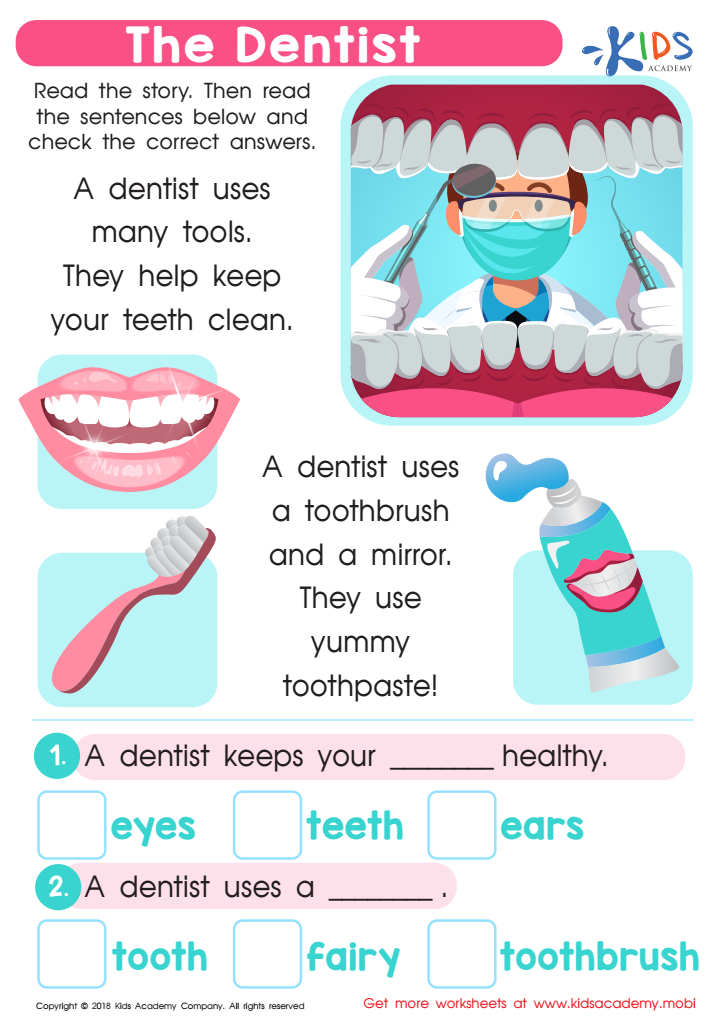
The Dentist Worksheet
 Assign to My Students
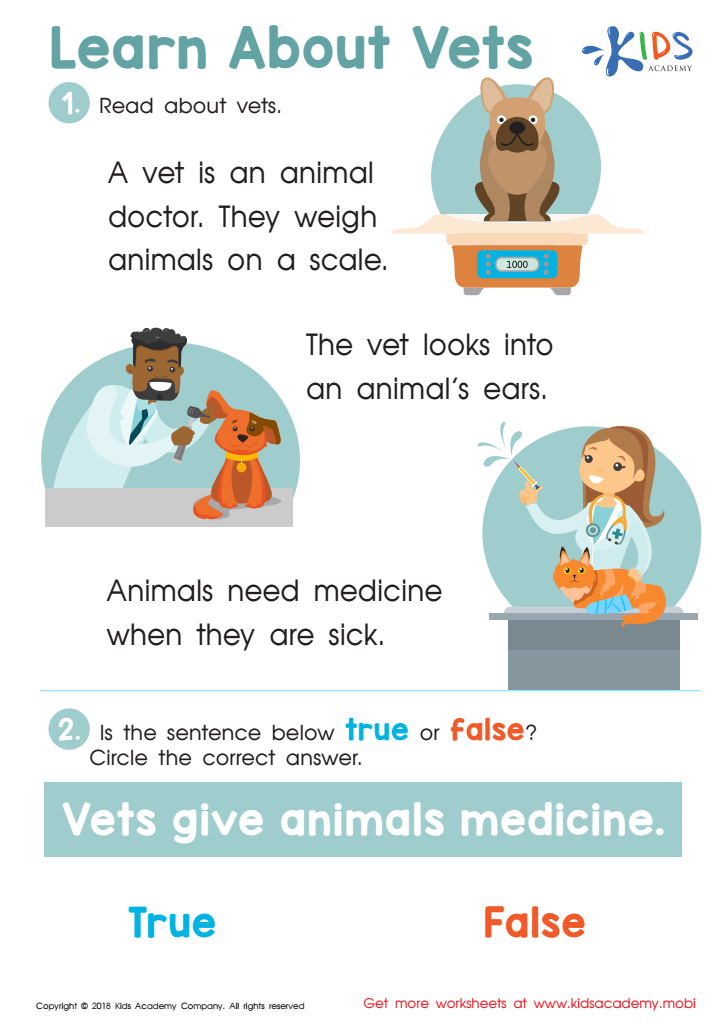
Learn About Vets Worksheet
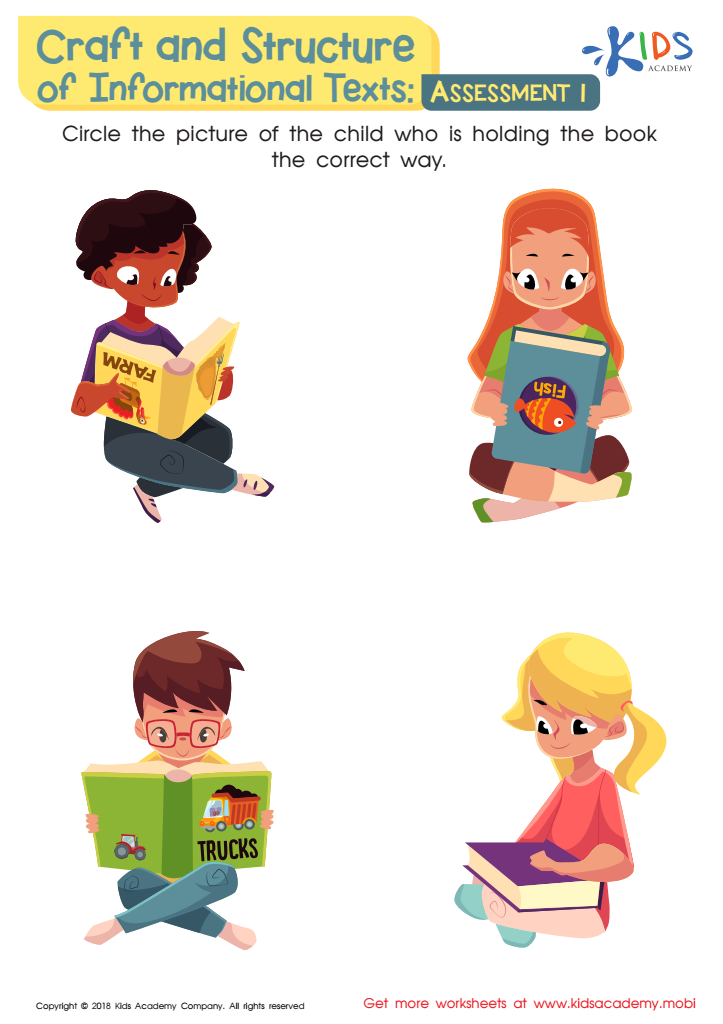
Craft and Structure of Informational Texts: Assessment 1 Worksheet








Vocabulary development is a crucial component of literacy for young children, especially when it comes to reading non-fiction. For ages 5-6, this period is foundational for language acquisition and comprehension skills. Engaging with non-fiction texts exposes children to a diverse range of vocabulary, providing them with the language needed to describe and understand the world around them.
Parents and teachers should care about fostering vocabulary development through non-fiction for several reasons. First, it enhances cognitive skills by encouraging critical thinking and curiosity about real-life concepts, such as science, nature, and social issues. Second, a rich vocabulary helps children articulate their thoughts, communicate effectively, and develop a strong sense of identity regarding their knowledge and experiences.
Moreover, reading non-fiction cultivates a love for learning, equipping children with information that fosters confidence in academic settings. It also mitigates the vocabulary gap that can exist among children from different socioeconomic backgrounds, ensuring all learners have equitable access to language development opportunities. By prioritizing vocabulary development through non-fiction reading, parents and teachers empower children with the tools they need to succeed in both their educational and personal lives.








