Alphabet understanding ABC Order Worksheets for 5-Year-Olds
3 filtered results
-
From - To
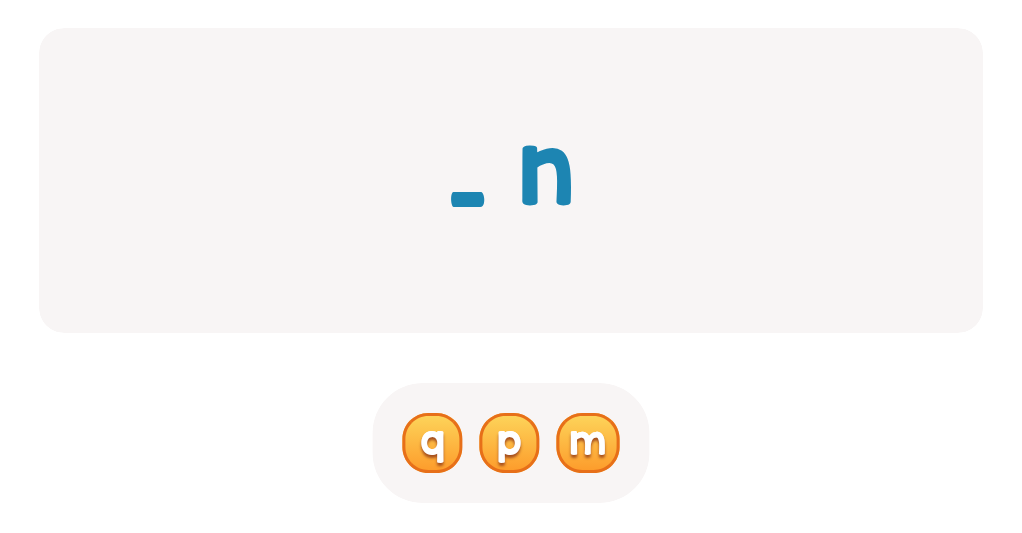
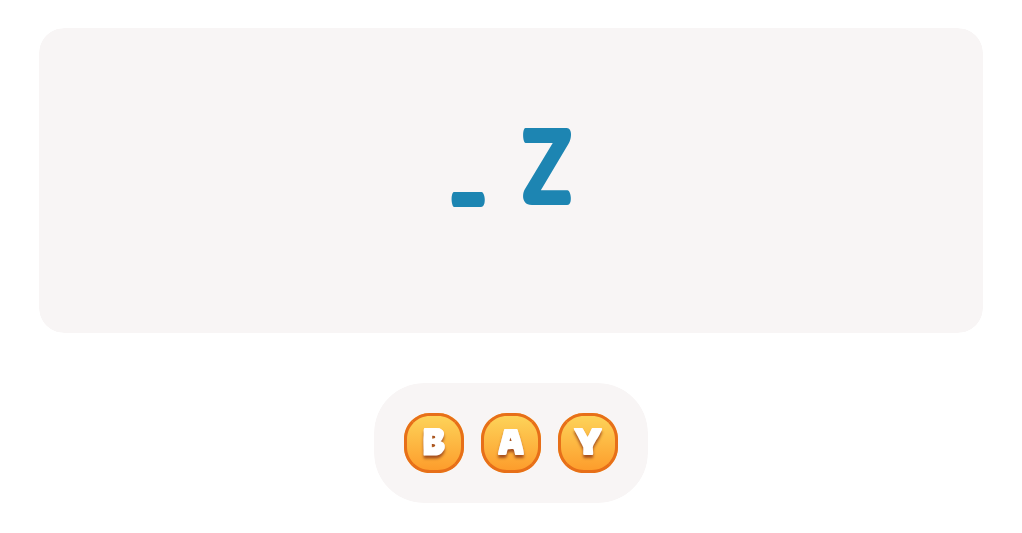
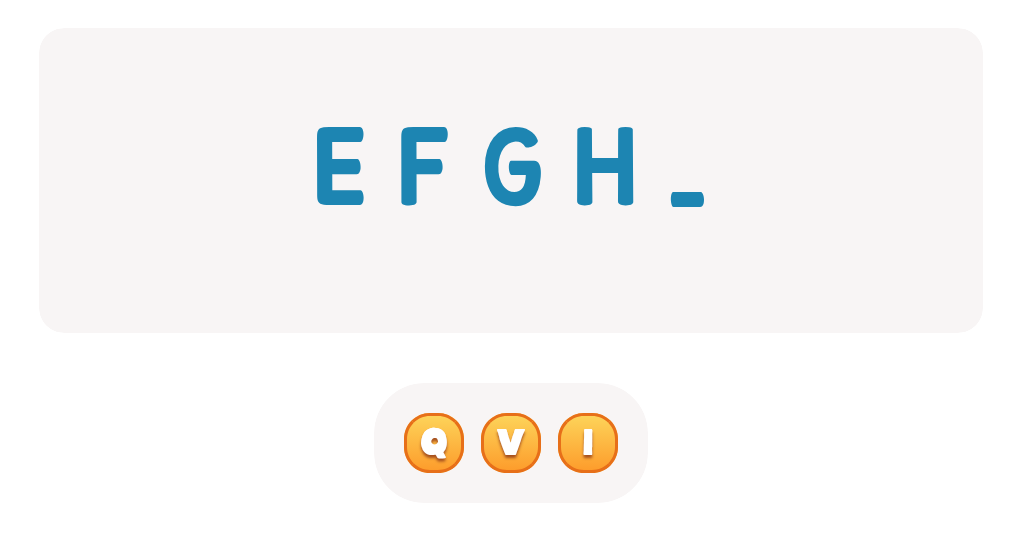
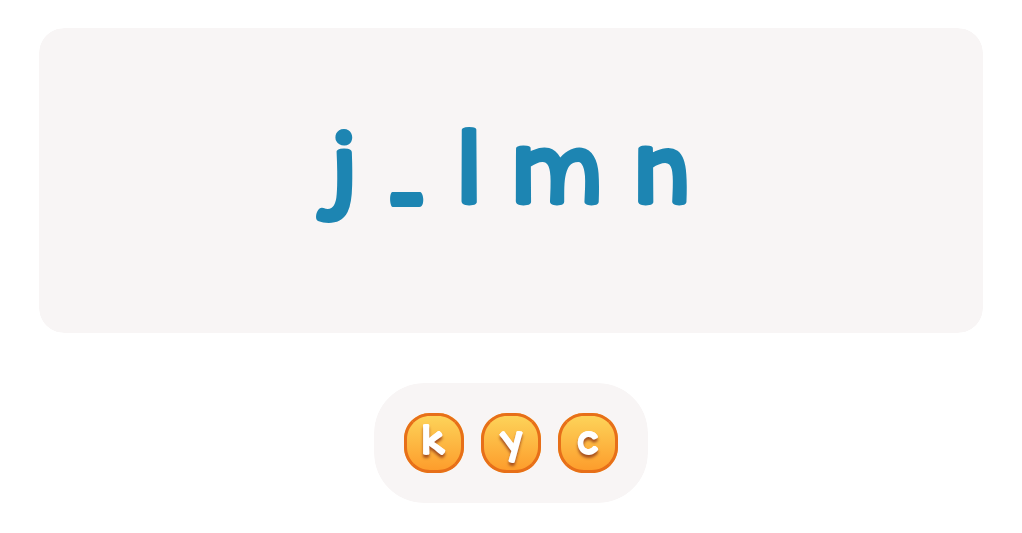
Discover our engaging "Alphabet Understanding ABC Order Worksheets" designed specifically for 5-year-olds! These worksheets teach young learners the fundamentals of alphabetization and enhance their letter recognition skills. Children will enjoy fun activities that promote sorting and sequencing letters from A to Z. Each worksheet is crafted to nurture early literacy and fine motor skills, making learning enjoyable and effective. Perfect for at-home learning or classroom use, our resources foster a solid foundation in understanding the alphabet and its order. Explore various interactive and colorful exercises that keep kids motivated and excited about learning to read and write!
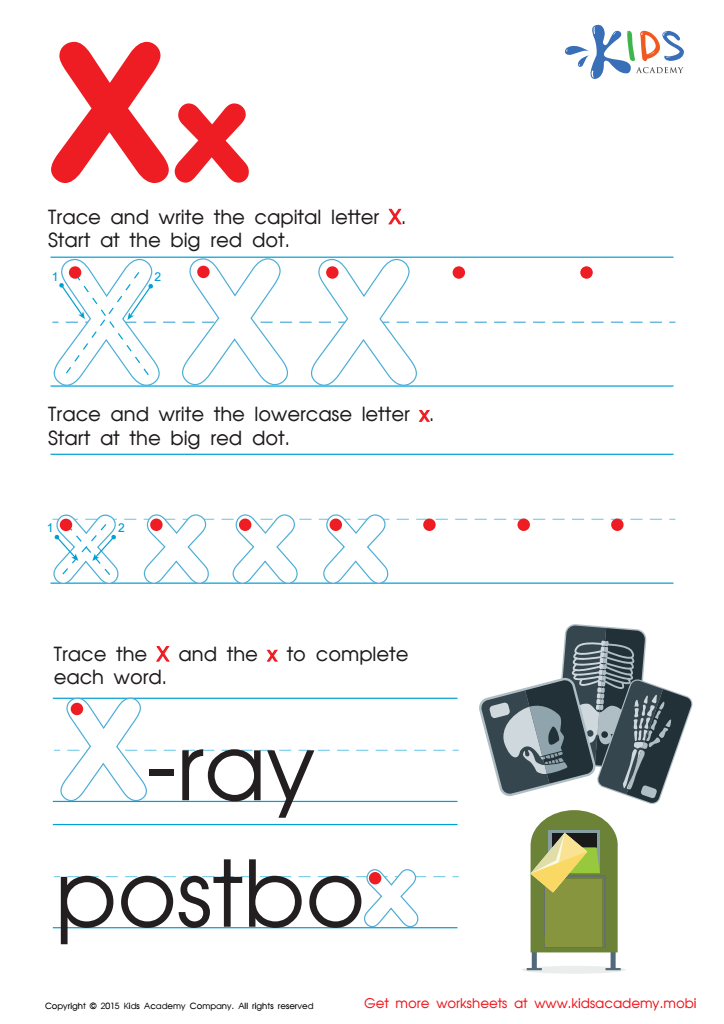
Letter X Tracing Page
 Assign to My Students





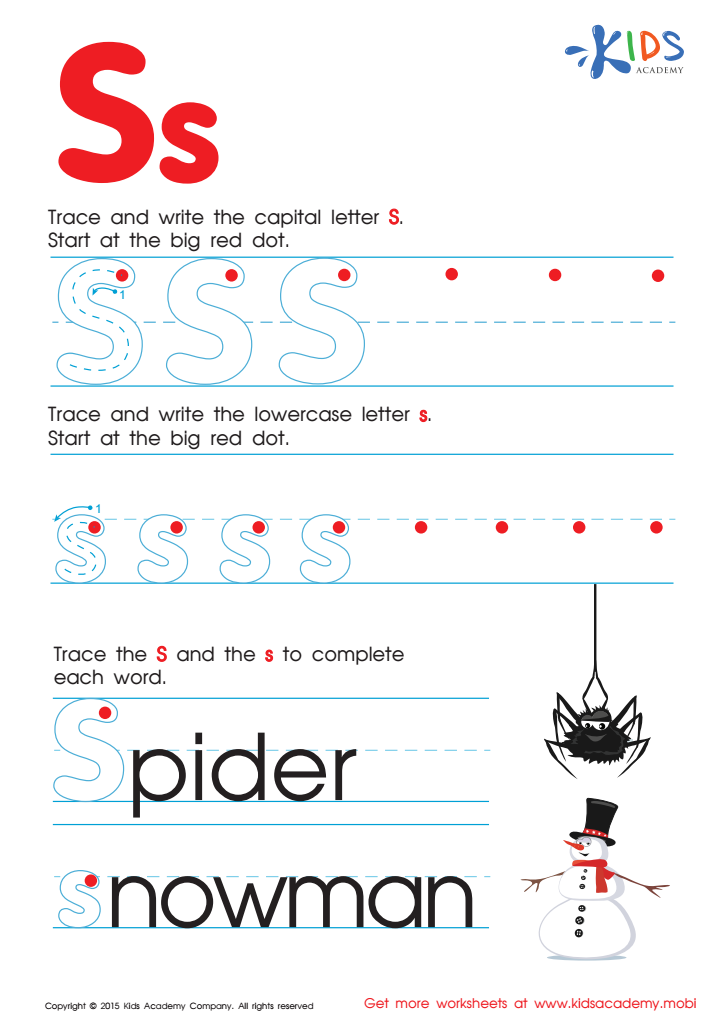
Letter S Tracing Page
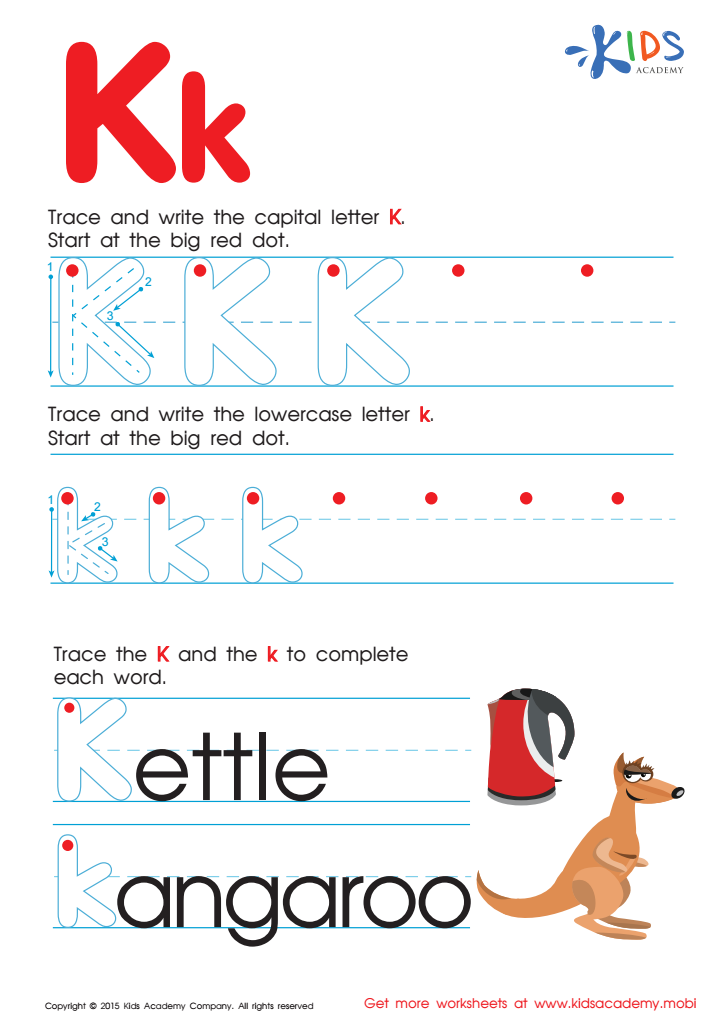
Letter K Tracing Page








Understanding the alphabet and its order is foundational for a child’s literacy development. At the age of 5, children are at a critical stage where they begin to grasp basic reading and writing skills. Teaching them to recognize the letters of the alphabet in order lays the groundwork for many future learning experiences.
When parents and teachers emphasize alphabet understanding, they foster skills that aid in spelling, reading comprehension, and vocabulary acquisition. Recognizing letters in sequence also helps children learn how to locate words more easily in books and written materials. For instance, understanding that "apple" comes after "ant" helps children become proficient in using dictionaries and indexes.
Moreover, engaging with the alphabet enhances children's fine motor skills when they practice writing, as well as their cognitive abilities through activities like alphabet songs and games. The social element, too, cannot be ignored; as children learn together, they develop communication skills and confidence.
Ultimately, prioritizing alphabet understanding in this critical age supports a strong literacy foundation that will benefit children in their academic journey and beyond, making it a crucial focus for both parents and educators.