Alphabet Recognition Lowercase/Small Letters Worksheets for 5-Year-Olds
9 filtered results
-
From - To
Enhance your 5-year-old's alphabet skills with our engaging lowercase letter recognition worksheets! Designed for young learners, these colorful and interactive resources make learning fun and effective. Each worksheet focuses on identifying and mastering small letters, fostering essential early literacy skills. Our exercises include activities such as tracing, matching, and coloring, allowing children to develop confidence and familiarity with the alphabet. Perfect for home or classroom use, these worksheets cater to various learning styles, ensuring a comprehensive approach to letter recognition. Download and print our worksheets today, and support your child’s journey towards reading readiness while nurturing their love for learning!
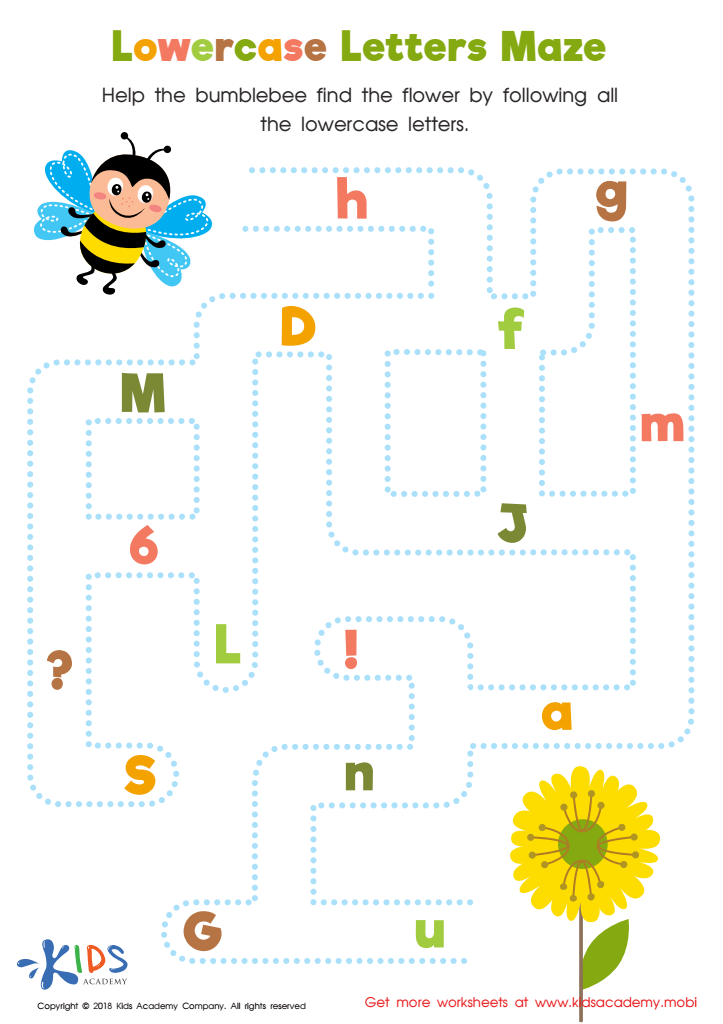
Lowercase Letters Maze Worksheet
 Assign to My Students
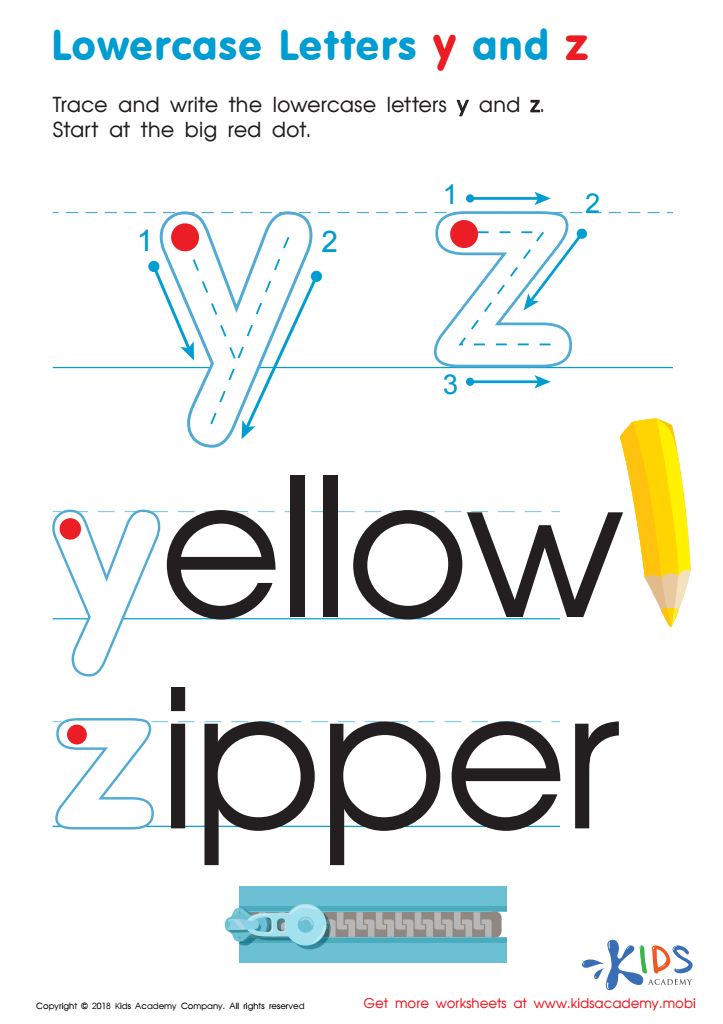
Lowercase Letters y z Worksheet
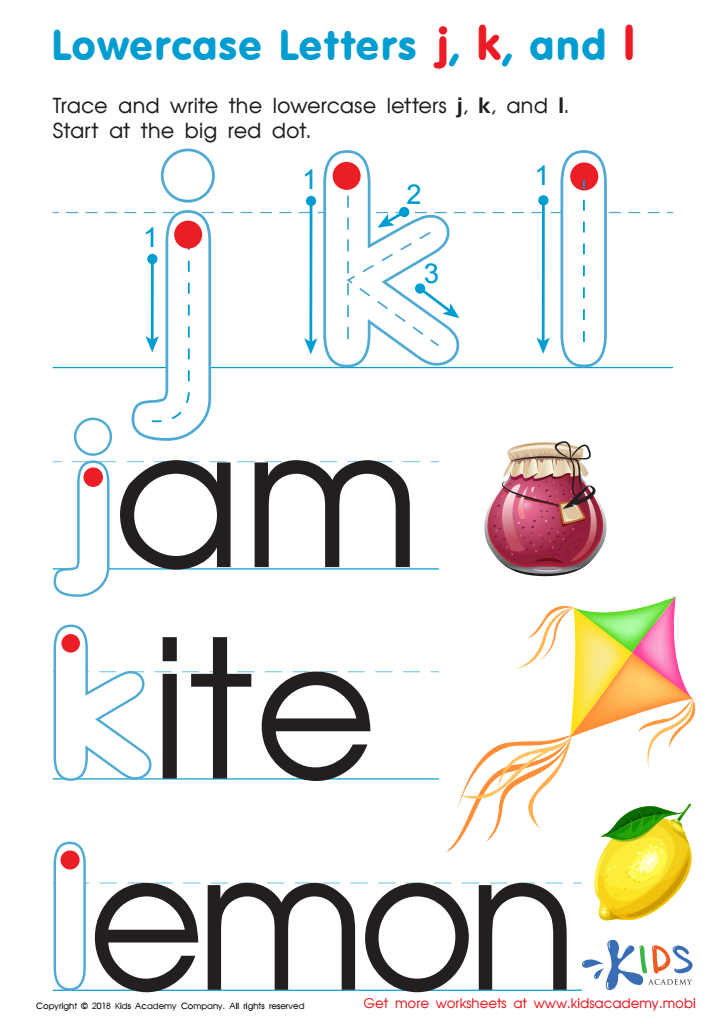
Lowercase Letters j k l Worksheet
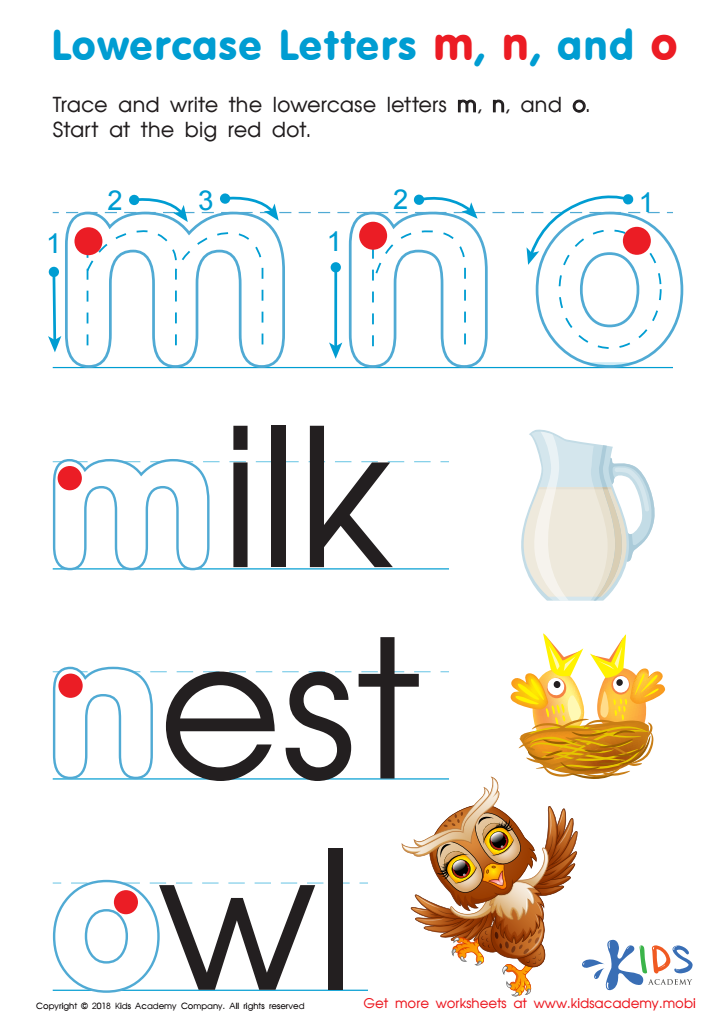
Lowercase Letters m n o Worksheet
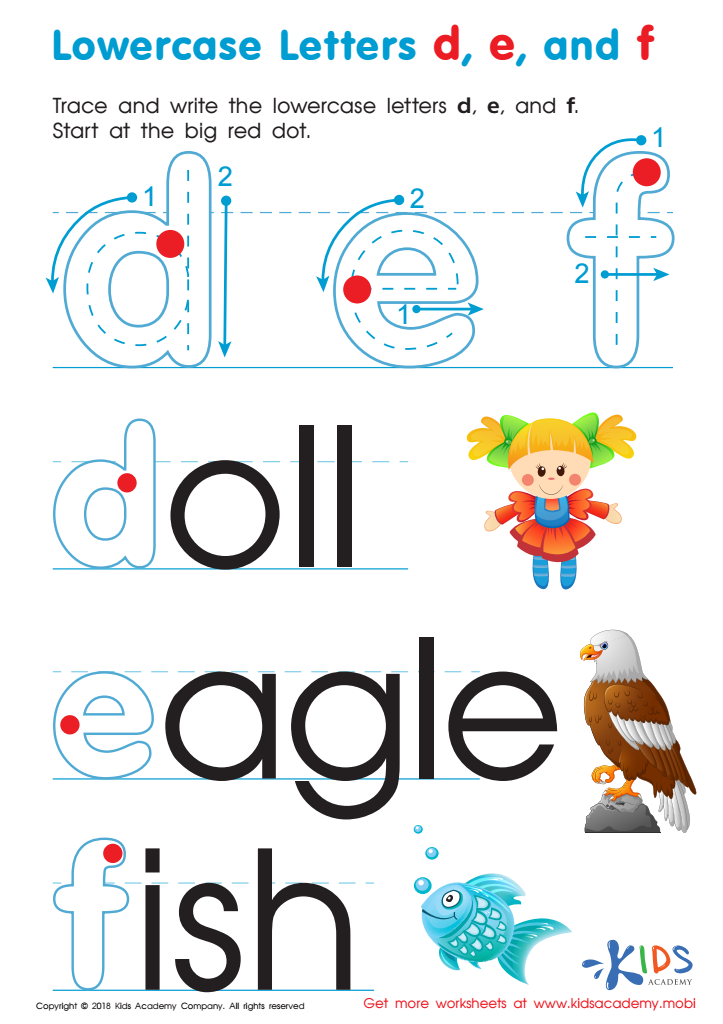
Lowercase Letters d e f Worksheet
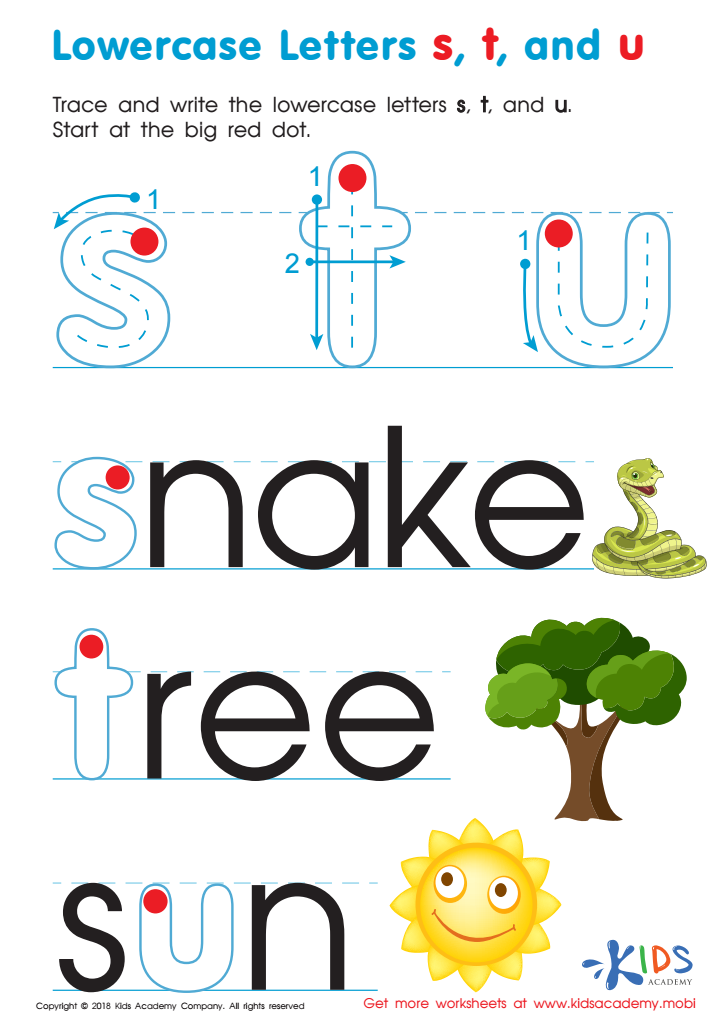
Lowercase Letters s t u Worksheet
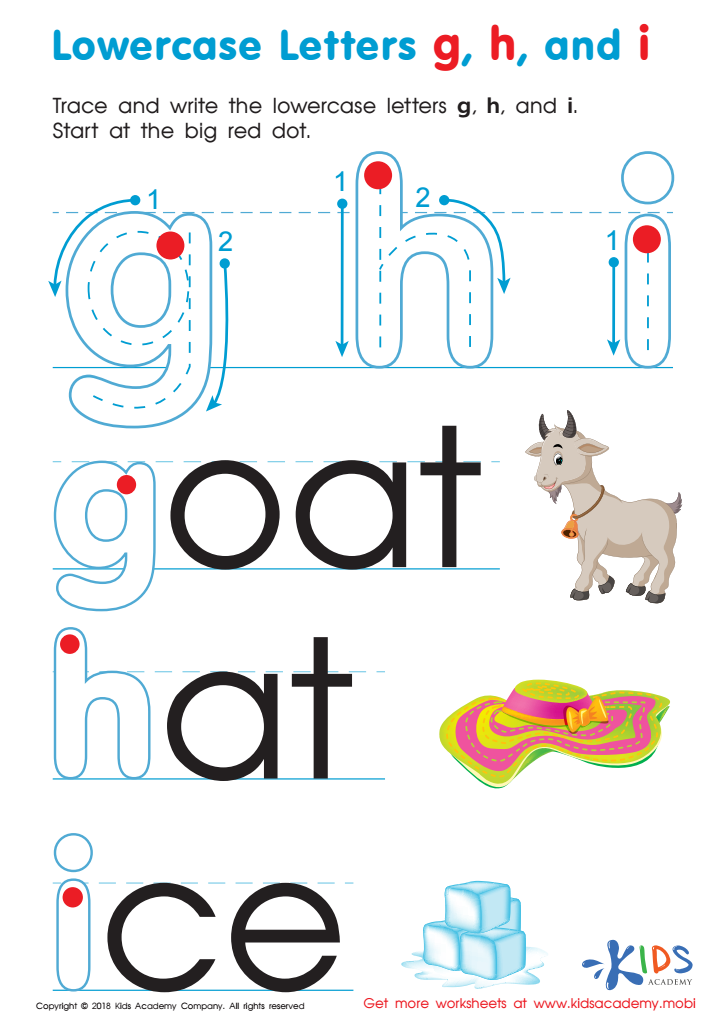
Lowercase Letters g h i Worksheet
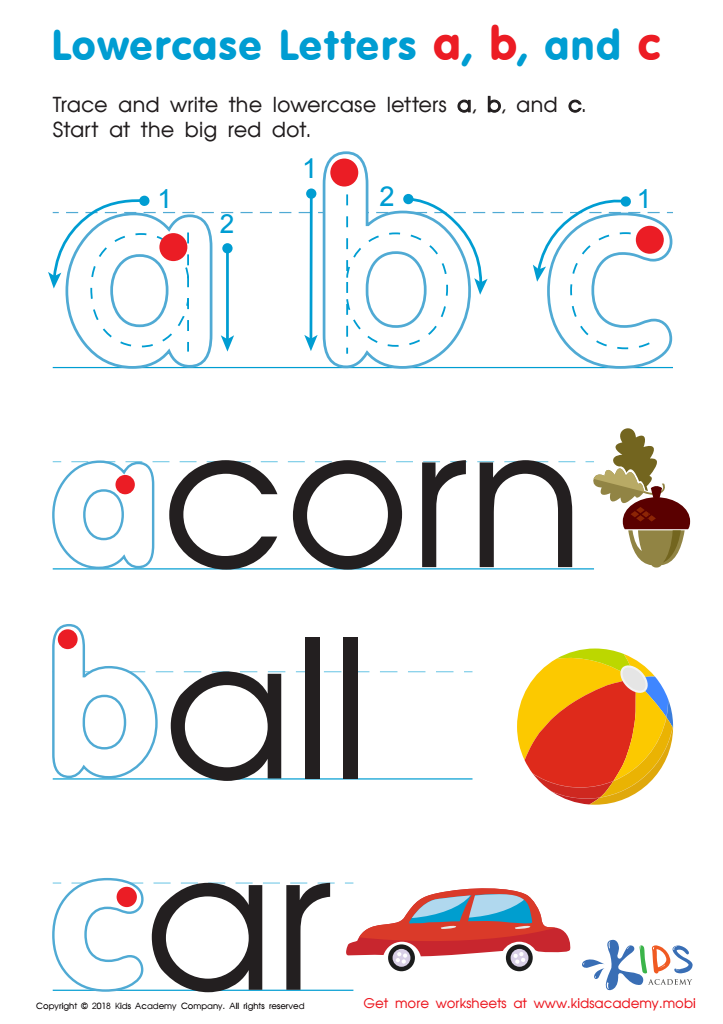
Lowercase Letters a b c Worksheet
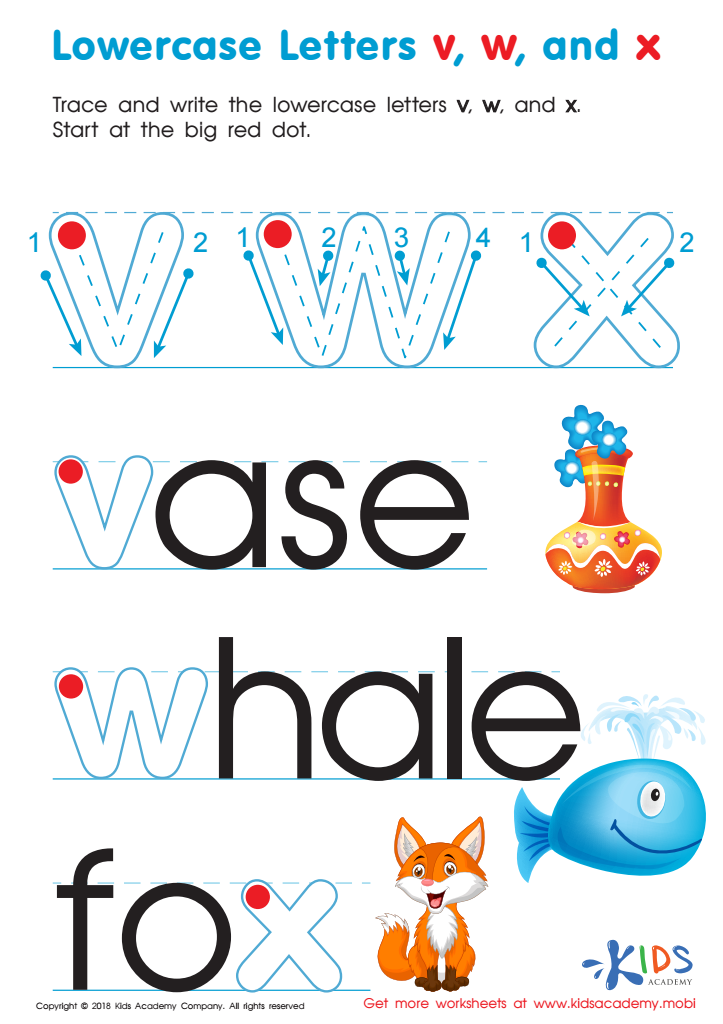
Lowercase Letters v w x Worksheet


Alphabet recognition, particularly for lowercase letters, is a foundational skill vital for early literacy development in 5-year-olds. At this age, children are beginning to explore reading and writing, and recognizing lowercase letters is crucial because these are the letters they encounter most frequently in text. Mastering lowercase letters supports various literacy skills, including phonemic awareness, vocabulary development, and reading fluency.
Understanding lowercase letters enhances children's ability to decode words, facilitating smoother reading experiences. It also aids in writing as children learn to form letters correctly, leading to clearer communication of ideas in written form. This skill contributes to greater confidence in their academic abilities and fosters a love for reading.
Moreover, engaging with lowercase letters opens the door to language play, such as rhymes and word games, making learning enjoyable. Parents and teachers play a significant role in this process through activities like shared reading, alphabet games, and writing practice, creating a rich learning environment. Recognizing the importance of lowercase letter recognition ensures that children build a solid foundation for future literacy endeavors, promoting lifelong learning and academic success. Thus, prioritizing this skill is essential for preparing young learners for school and beyond.