
Basic math abilities Worksheets for 5-Year-Olds
3 filtered results
Difficulty Level
Grade
Age
-
From - To
Subject
Activity
Standards
Welcome to our Basic Math Abilities Worksheets for 5-Year-Olds! Designed to foster early mathematical skills, these engaging worksheets provide a fun and interactive way for young learners to explore numbers, counting, and simple arithmetic. Featuring colorful illustrations and age-appropriate activities, our resources help children practice essential math concepts while building confidence. By working through fun exercises like counting objects, identifying shapes, and solving basic addition and subtraction problems, your little ones will gain a solid foundation in math. Perfect for at-home learning or classroom settings, these worksheets are essential for any child's educational journey. Download now and watch their skills blossom!
Favorites
With answer key
Interactive
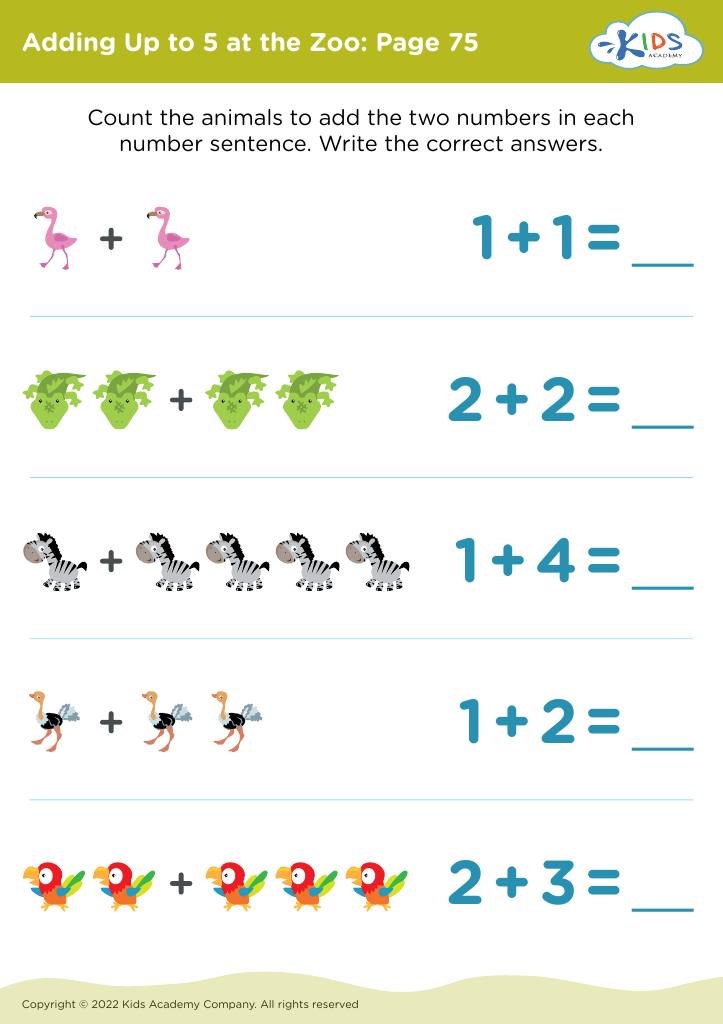
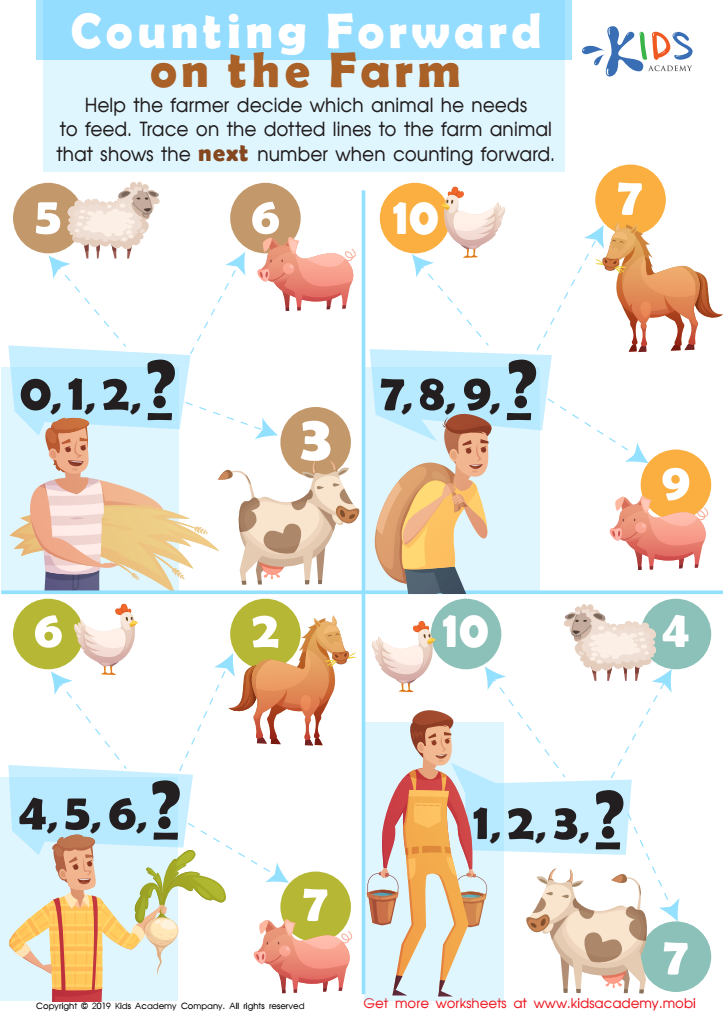
Counting Forward On the Farm Worksheet
Help your child practice counting with this fun worksheet. Have them help a farmer feed the right animal by counting on from a starting point. This activity will help them build number line thinking and refine fine motor skills.
 Assign to My Students
Counting Forward On the Farm Worksheet
Worksheet
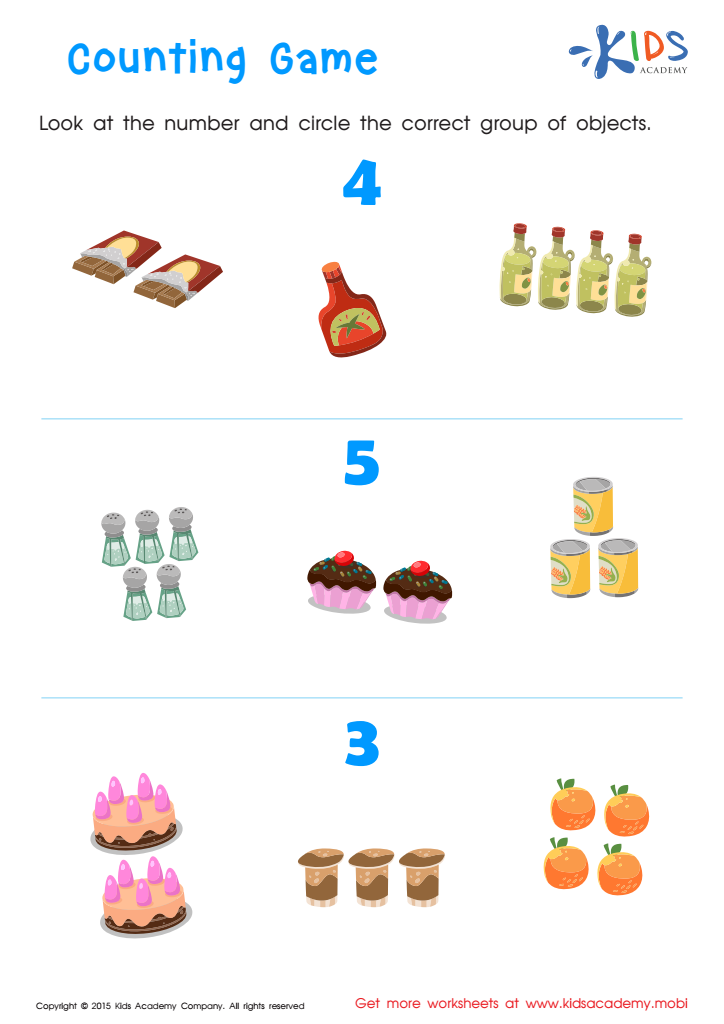
Counting Worksheet
Kids can connect printed numbers to groups of objects on this worksheet, helping them learn math by visually seeing item groups. Give your preschooler a fun, interactive way to learn counting!
Counting Worksheet
Worksheet
Join Kids Academy for Free
Who is primarily going to use this learning content?



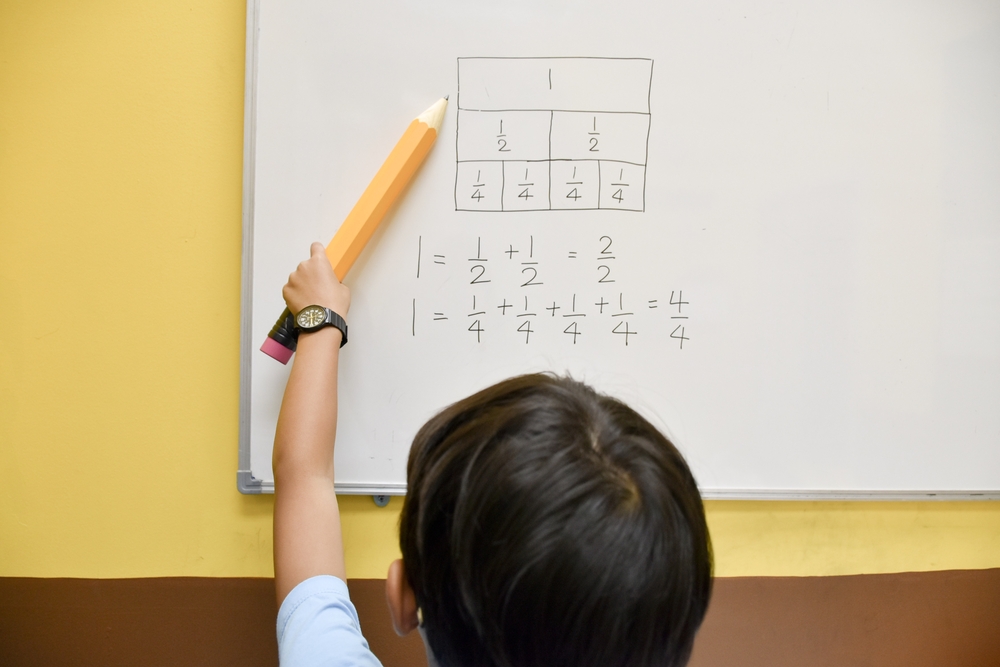


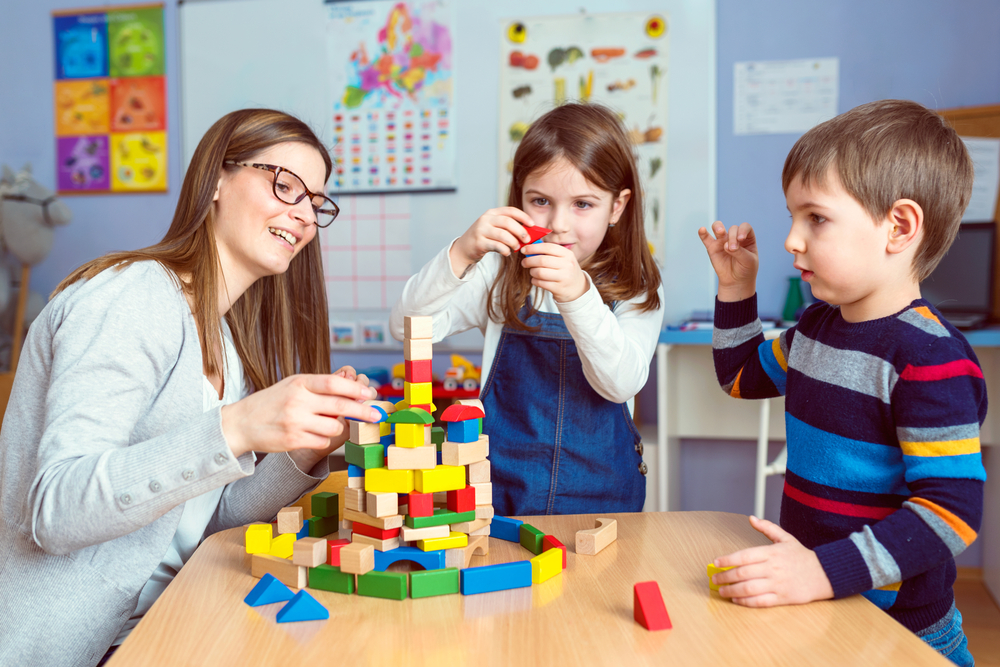

Parents and teachers should prioritize basic math abilities for 5-year-olds because these foundational skills form the building blocks for future learning. Early exposure to math concepts enhances critical thinking, cognitive development, and problem-solving abilities. At this age, children are naturally curious and eager to explore the world around them. Engaging them in activities involving numbers, shapes, and simple calculations makes learning enjoyable and relevant.
Developing basic math skills at a young age supports not only mathematical proficiency but also strengthens their overall academic performance. Research has shown that children who grasp fundamental math concepts early on tend to excel in other subjects, including reading and writing. Additionally, many everyday activities, such as cooking or shopping, provide practical opportunities to apply math skills, reinforcing learning through real-world experiences.
Moreover, instilling a positive attitude toward math during these formative years can counteract the common anxiety many children face as they progress in their education. By nurturing a love for numbers and fostering a supportive learning environment, parents and teachers can equip children with the confidence and tools they need to thrive academically and socially throughout their lives. Thus, early childhood mathematics lays the groundwork for a successful and well-rounded educational journey.








