Categorization skills Worksheets for 5-Year-Olds - Page 2
26 filtered results
-
From - To
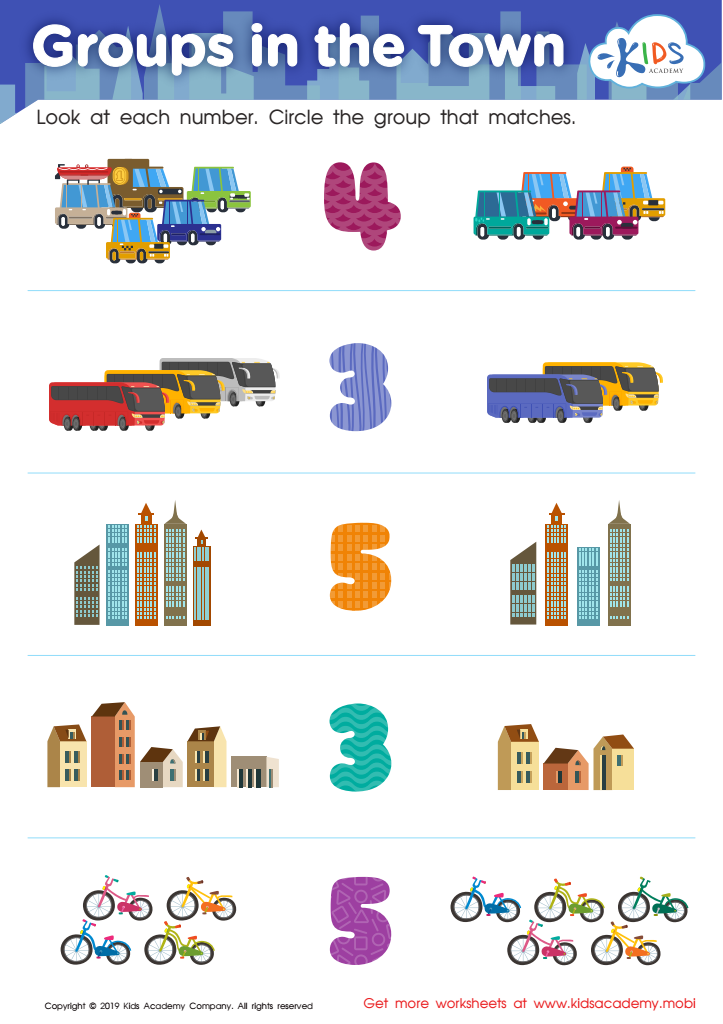
Groups in the Town Worksheet
 Assign to My Students
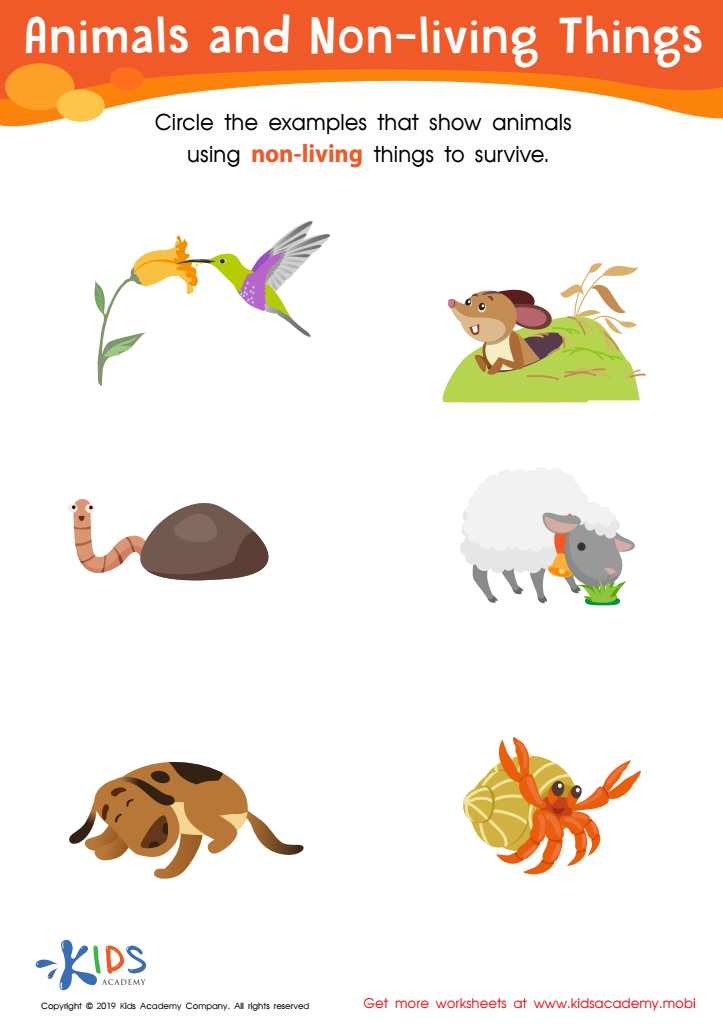
Animals and Non-Living Things Worksheet







Categorization skills are foundational cognitive abilities that facilitate a child's understanding and organization of the world around them. For 5-year-olds, who are at a critical stage of cognitive and social development, mastering these skills is crucial. Parents and teachers should care about categorization for several key reasons.
Firstly, categorization helps children make sense of their environment. By grouping objects, ideas, or information based on common characteristics, children can more easily process and retrieve information. This cognitive organization aids memory and learning across subjects, from math and science to language arts.
Secondly, categorization enhances language development. As children learn to categorize, they also expand their vocabulary by understanding and using descriptive words that differentiate between categories. For example, knowing the difference between fruits and vegetables, or animals that fly versus those that swim, enriches their descriptive language skills.
Additionally, categorization fosters critical thinking and problem-solving abilities. By discerning patterns and relationships, children develop analytical skills that allow them to tackle more complex tasks and solve problems.
Lastly, social skills and emotional intelligence are also impacted. Recognizing social categories, such as family roles or friend groups, helps children navigate social interactions more effectively.
In sum, fostering categorization skills in 5-year-olds nurtures their cognitive development, language proficiency, critical thinking, and social understanding, providing a strong foundation for future educational and personal growth.








