History knowledge Worksheets for 5-Year-Olds
4 filtered results
-
From - To
Introduce your 5-year-old to the exciting world of history with our engaging History Knowledge Worksheets, designed specially for young learners. Our printable worksheets are perfect for sparking curiosity, helping kids understand the concept of past and present through simple, fun activities. They cover fundamental history topics in an age-appropriate manner, promoting critical thinking and comprehension. With vibrant illustrations and easy-to-follow instructions, our worksheets make learning history a delightful adventure. Ideal for classroom use or homeschooling, these worksheets lay the foundation for a lifelong interest in history. Let your child discover the wonders of history with Kids Academy’s expertly crafted materials.
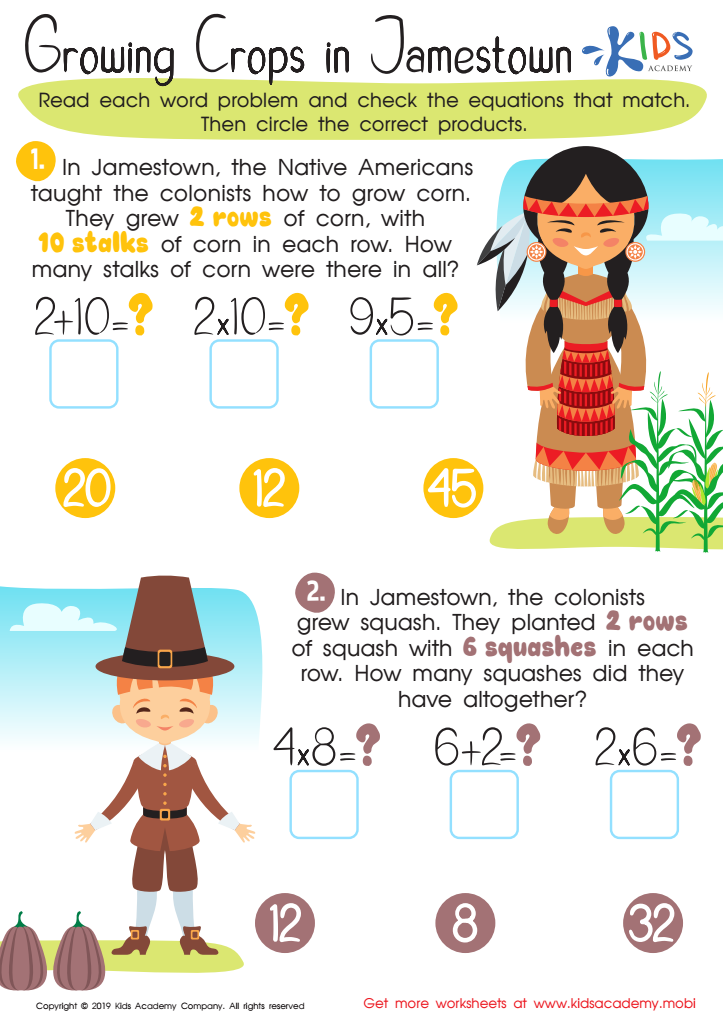
Growing Jamestown Worksheet
 Assign to My Students





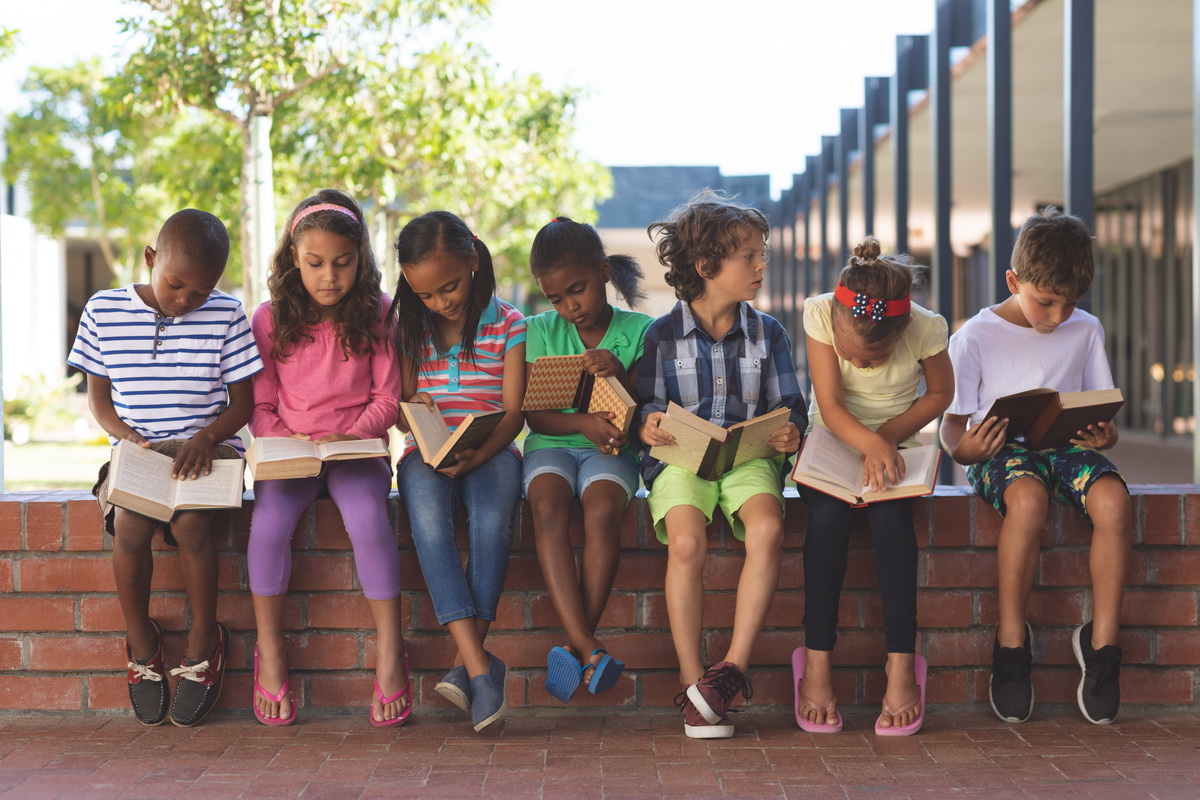


Introducing history to 5-year-olds is a crucial part of their early education that benefits both their cognitive and emotional development. At this tender age, children's brains are extremely receptive to new concepts, and engaging them with stories from the past can significantly aid their intellectual growth. Understanding historical events, even in simplified forms, helps children grasp the ideas of time, change, and continuity, fostering an early sense of temporal awareness. Through age-appropriate historical stories, kids can improve their language skills, as they learn new vocabulary and sentence structures.
Moreover, teaching history can help cultivate empathy and cultural awareness. When children hear stories about various people and societies, they begin to appreciate different perspectives and traditions, which is essential for developing tolerance and empathy. Knowing history also helps children understand their own cultural roots and the shared heritage, giving them a sense of belonging and identity.
Finally, introducing history at a young age can ignite a lifelong passion for learning. By making history fun and interactive, parents and teachers can foster curiosity and a love for discovery. This sets the foundation for more complex history lessons in the future and encourages critical thinking skills, as kids learn to ask questions and explore the reasons behind events. Ultimately, teaching history to young children enriches their minds and enhances their social and emotional skills, forming well-rounded individuals.








