Recognizing Patterns Worksheets for 5-Year-Olds
6 filtered results
-
From - To
Explore our engaging Recognizing Patterns Worksheets designed specifically for 5-year-olds! These fun and colorful printables help young learners identify and understand patterns through various activities, facilitating critical thinking skills and boosting early math proficiency. Each worksheet offers simple tasks, from connecting dots to completing sequences, making learning both interactive and enjoyable. Parents and teachers can utilize these resources to support children's cognitive development in an accessible way. With our worksheets, children will develop a solid foundation in pattern recognition, setting them up for success in future learning. Download and print these worksheets today to spark creativity and learning in your child!
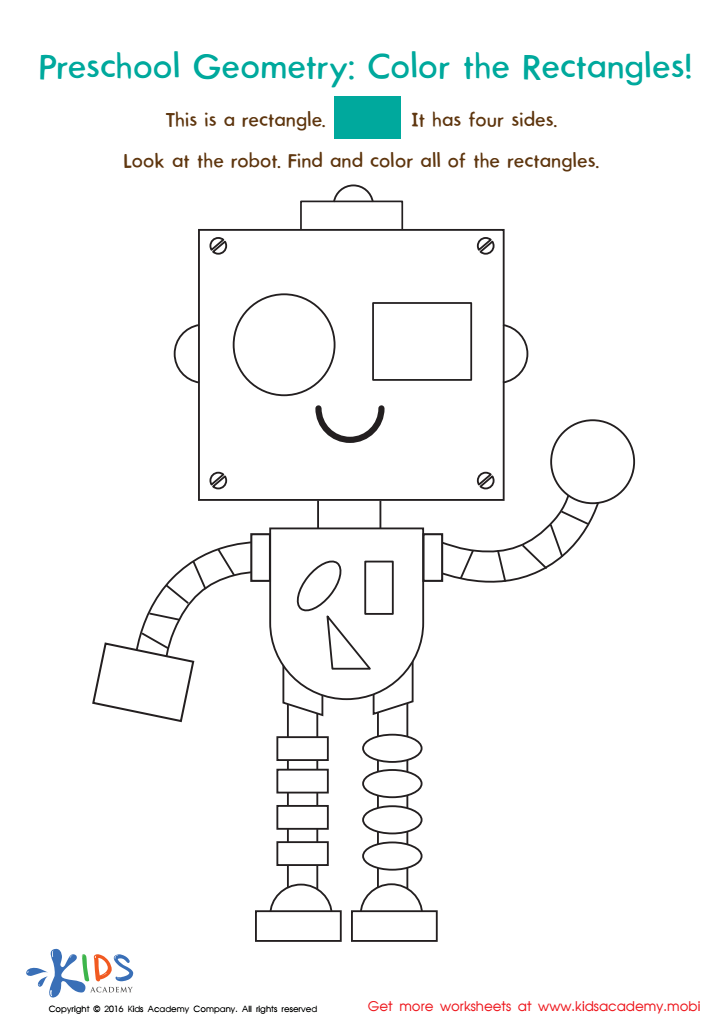
Geometry Worksheet
 Assign to My Students
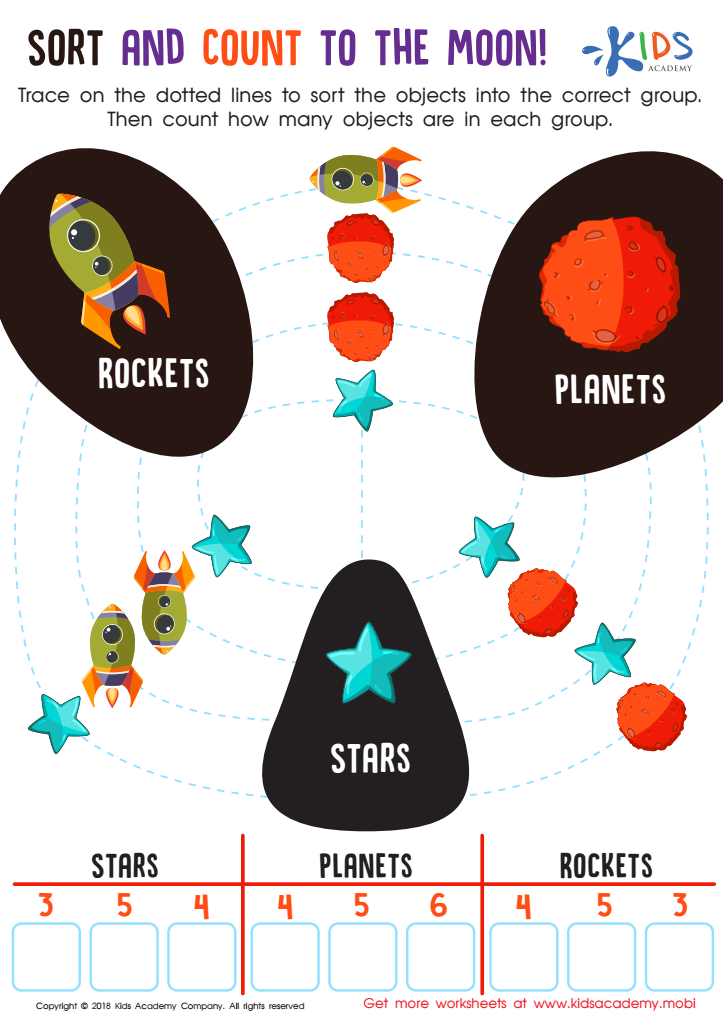
Sort and Count to the Moon Worksheet
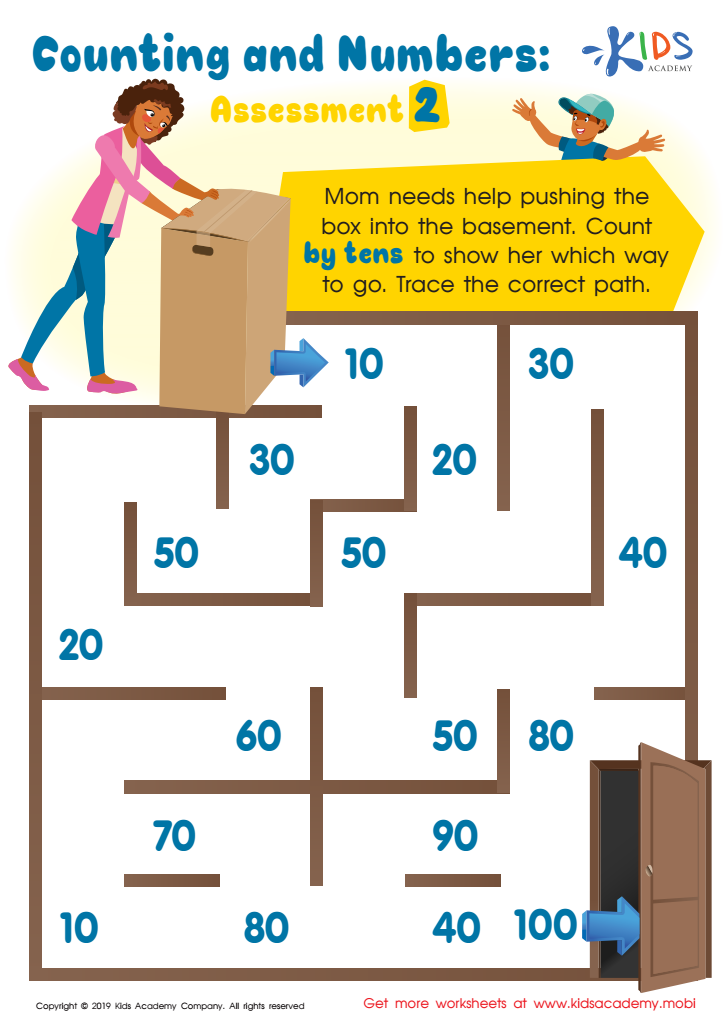
Counting and Numbers: Assessment 2 Worksheet
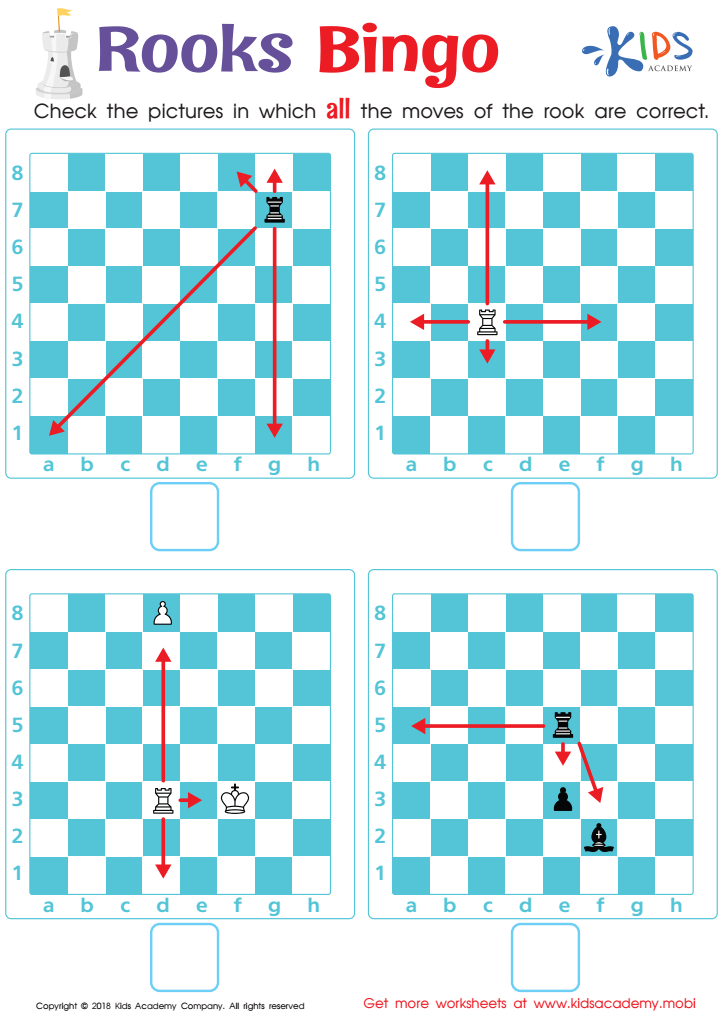
Rooks Bingo Worksheet
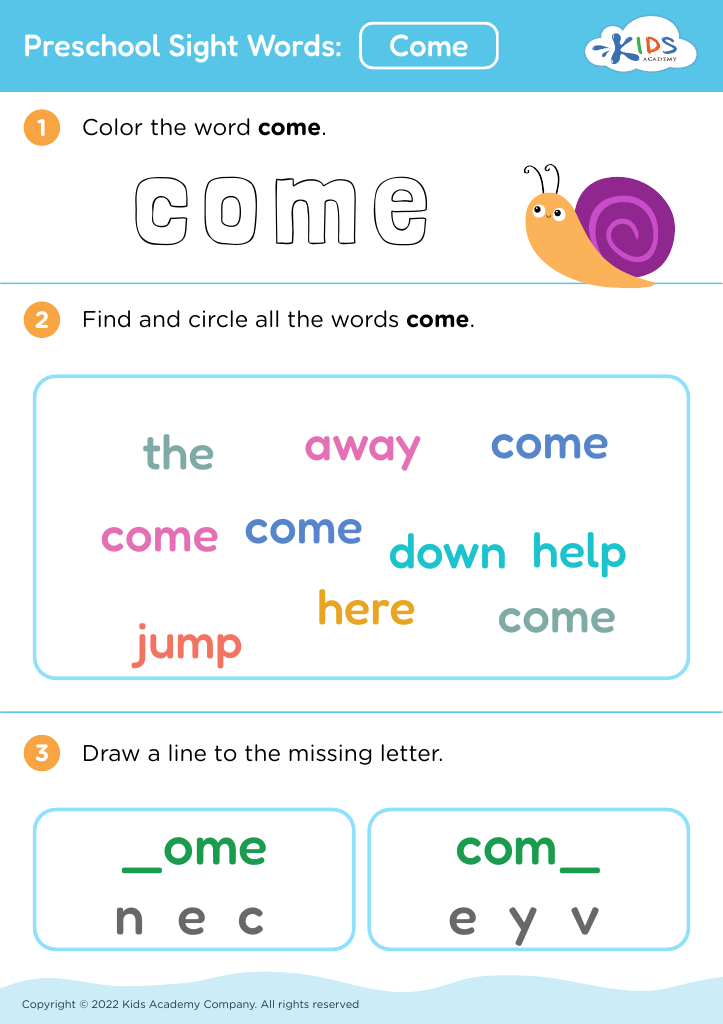
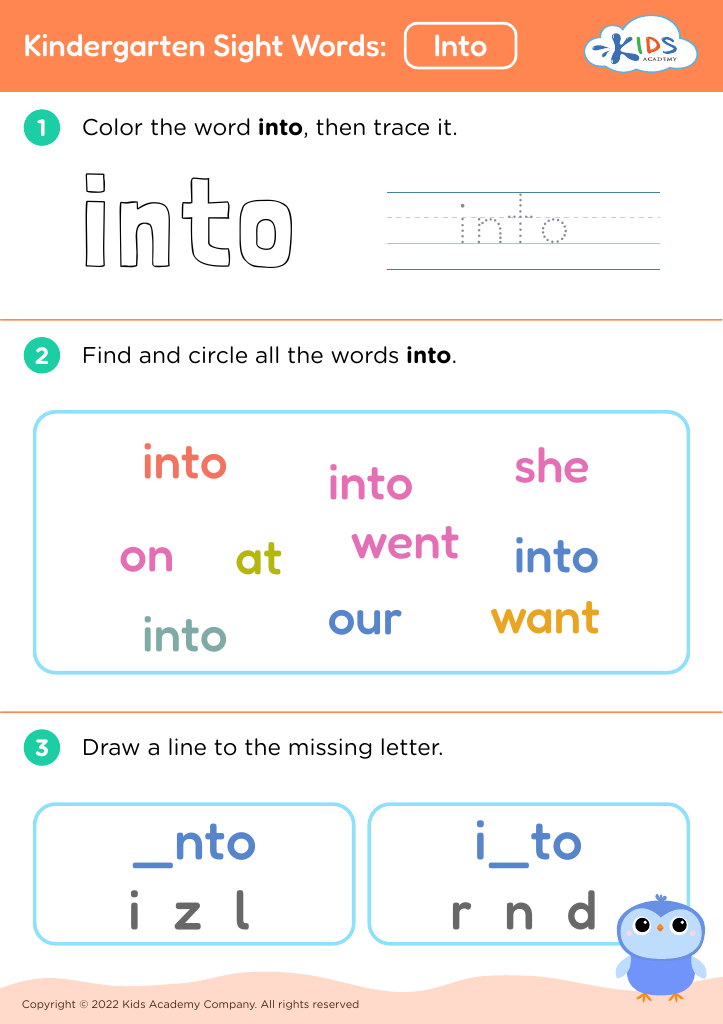








Recognizing patterns is a foundational skill for 5-year-olds that has far-reaching implications for their cognitive development and future learning. At this age, children begin to understand the world around them through repetition and predictability, vital components in establishing early math and literacy skills. By recognizing patterns — in shapes, colors, numbers, or sounds — children develop essential problem-solving skills and logical reasoning, laying the groundwork for more complex concepts later on.
Moreover, engaging in pattern recognition enhances a child's ability to see relationships and make connections. It fosters creativity and critical thinking as they figure out how certain elements fit together. Discovering and creating patterns may also allow children to express their thoughts and ideas artistically or mathematically, providing a sense of achievement and confidence.
Parents and teachers play a crucial role in facilitating this skill development by incorporating pattern-related activities into daily routines, such as sorting toys, creating rhythmic clapping sequences, or engaging with books that emphasize patterns. By prioritizing this skill, adults prepare children for a successful academic journey and help nurture their innate curiosity as they explore the world around them. Recognizing patterns paves the way for children to thrive, both academically and socially.








