Visualization skills Worksheets for 5-Year-Olds
3 filtered results
-
From - To
Boost your child's creativity and comprehension with our Visualization Skills Worksheets for 5-Year-Olds! Designed to engage young learners, these worksheets incorporate fun and interactive activities that enhance their ability to visualize and interpret images. Each worksheet includes colorful graphics and relatable scenarios, encouraging kids to think critically and draw connections between visuals and concepts. As children practice visualizing scenes and objects, they develop essential skills that pave the way for reading comprehension and problem-solving. Perfect for both classroom use and at-home learning, our visualization worksheets support early development while making learning enjoyable. Explore our collection today and watch your child's imagination soar!
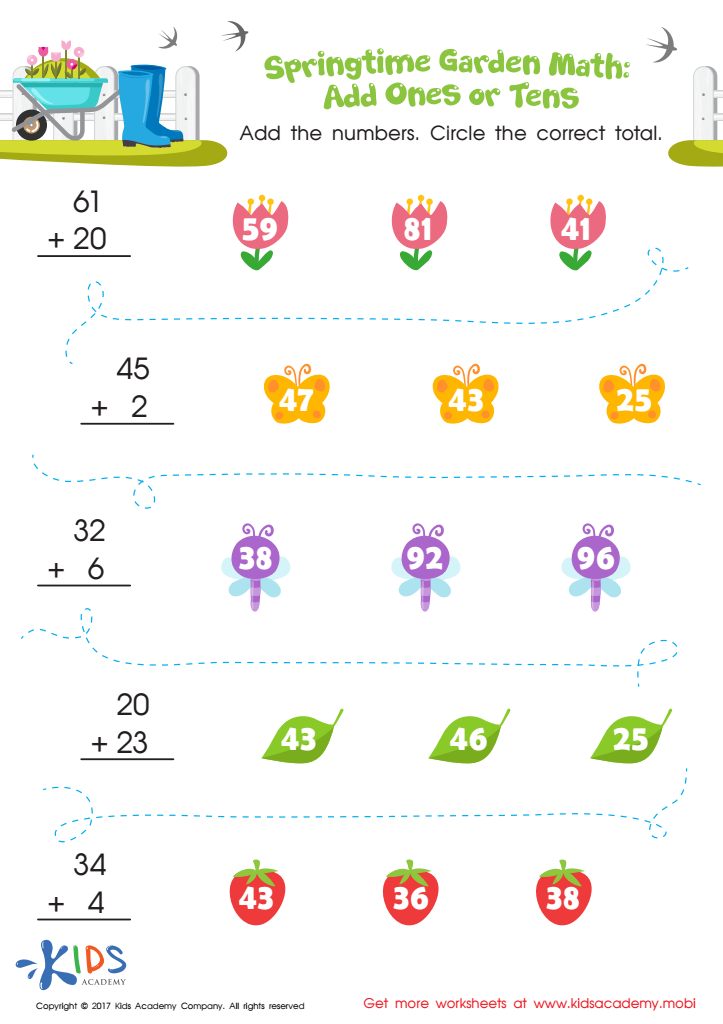
Springtime Garden Math Worksheet
 Assign to My Students



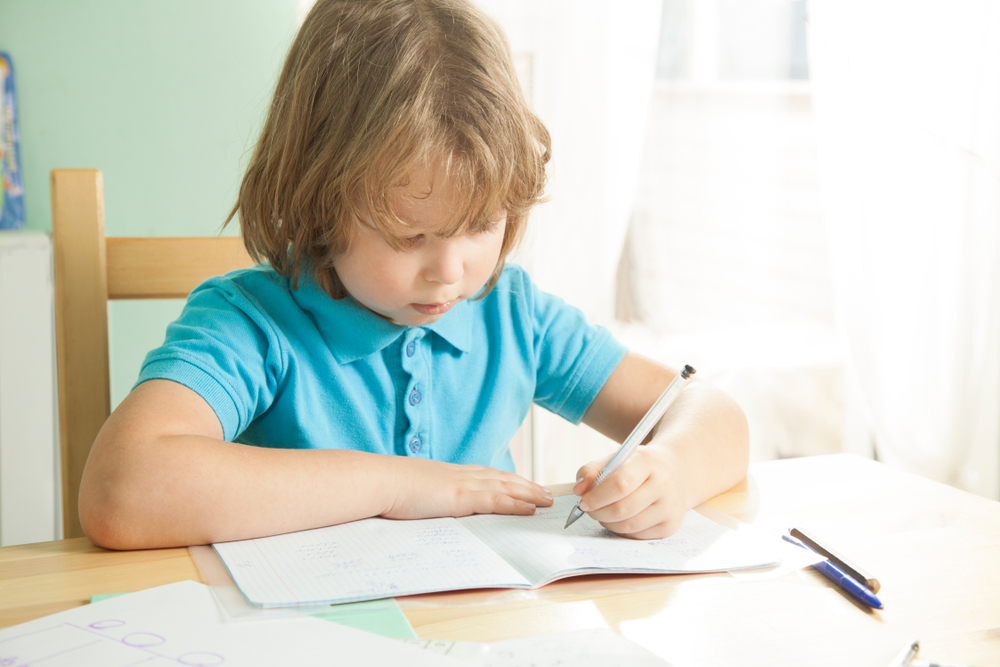




Visualization skills are crucial for 5-year-olds as they form the foundation for various cognitive abilities and learning processes. At this age, children are highly impressionable and eager to explore the world around them. Developing visualization skills allows them to create mental images, which enhances comprehension and retention of information. When children can visualize concepts, stories, or scenarios, they are better equipped to understand and engage with new ideas.
Moreover, strong visualization abilities promote creativity and problem-solving. As children learn to envision different possibilities, they become more adept at thinking critically and tackling challenges. This skill is particularly beneficial in areas such as math and reading, where visualizing patterns or narrating stories helps solidify concepts.
Teachers and parents play a pivotal role in nurturing visualization skills through engaging activities like storytelling, drawing, and hands-on learning experiences. By incorporating imaginative play and dynamic tasks, adults can foster an environment that encourages children to visualize and explore their thoughts.
Ultimately, investing in the development of visualization skills not only enhances educational outcomes but also supports emotional growth, as children learn to express their feelings and ideas through imagery. The importance of these skills entails attention and effort from both parents and educators.








