
Color recognition Mazes Worksheets for 5-Year-Olds
4 filtered results
Difficulty Level
Grade
Age
-
From - To
Subject
Activity
Standards
Introducing Color Recognition Mazes Worksheets for 5-Year-Olds, an engaging way to blend fun with learning! Designed by educators, these worksheets challenge kids to navigate mazes using their color recognition skills. Each maze is thoughtfully crafted to foster critical thinking and fine motor development while keeping children entertained. Perfect for both classroom and home use, our worksheets provide vibrant illustrations and a delightful maze-solving experience. Join the journey of learning where young minds enhance their ability to distinguish colors and solve problems simultaneously. Start their adventure in early logic and math skills with our delightful color recognition mazes today!
Favorites
With answer key
Interactive
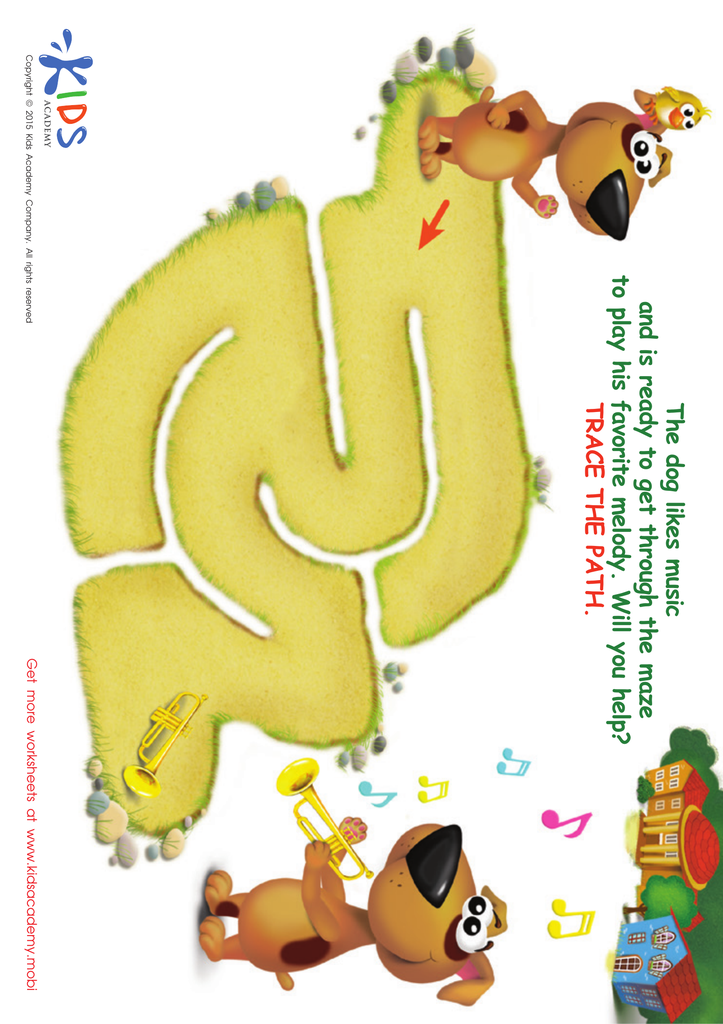
Trumpeter Maze Worksheet
Help your kid to find the way out of the maze to hear their favorite melody! Visit Kids Academy now and explore plenty of fun and educational resources.
Trumpeter Maze Worksheet
Worksheet
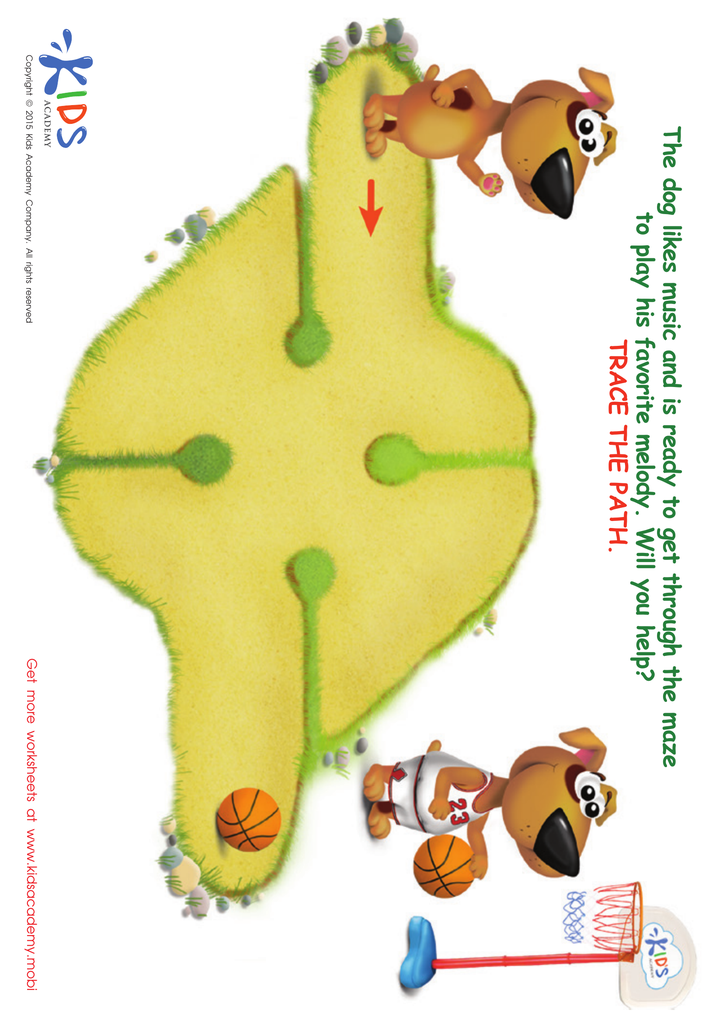
Basketball Player Maze Worksheet
Test your skills with our new printable maze worksheets, and help the little dog get his basketball! Trace the path carefully to get the ball and play together.
Basketball Player Maze Worksheet
Worksheet
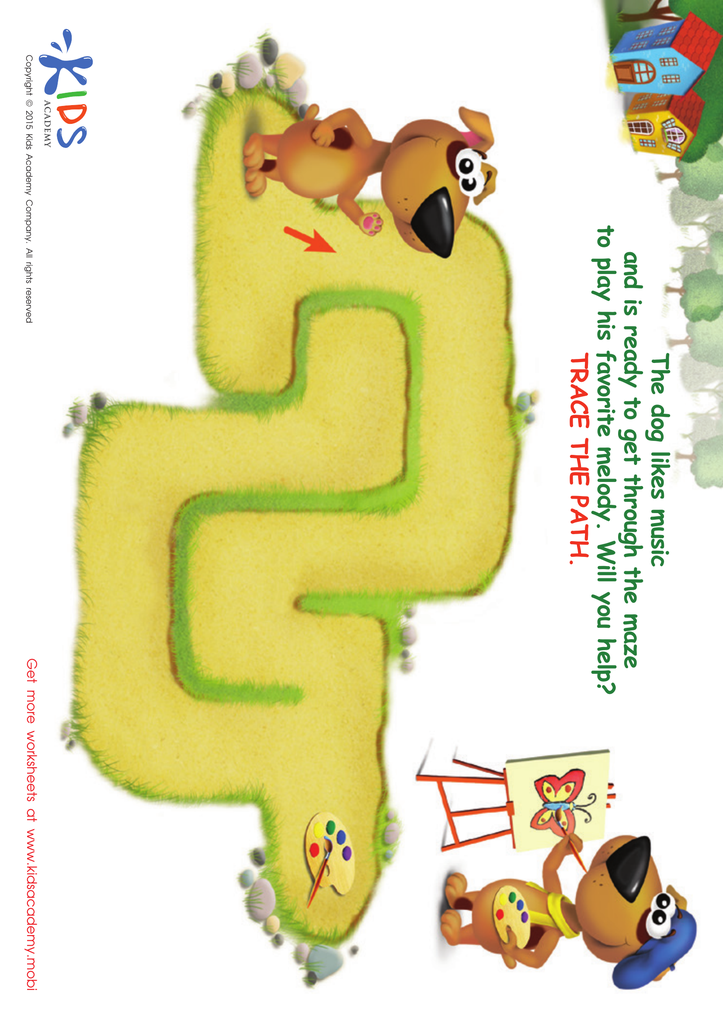
Artist Maze Worksheet
Try this new maze worksheet to help your child develop problem-solving skills. Let the pup traverse the path and create a masterpiece with the brush and paints on the other side! Give it a go now.
Artist Maze Worksheet
Worksheet
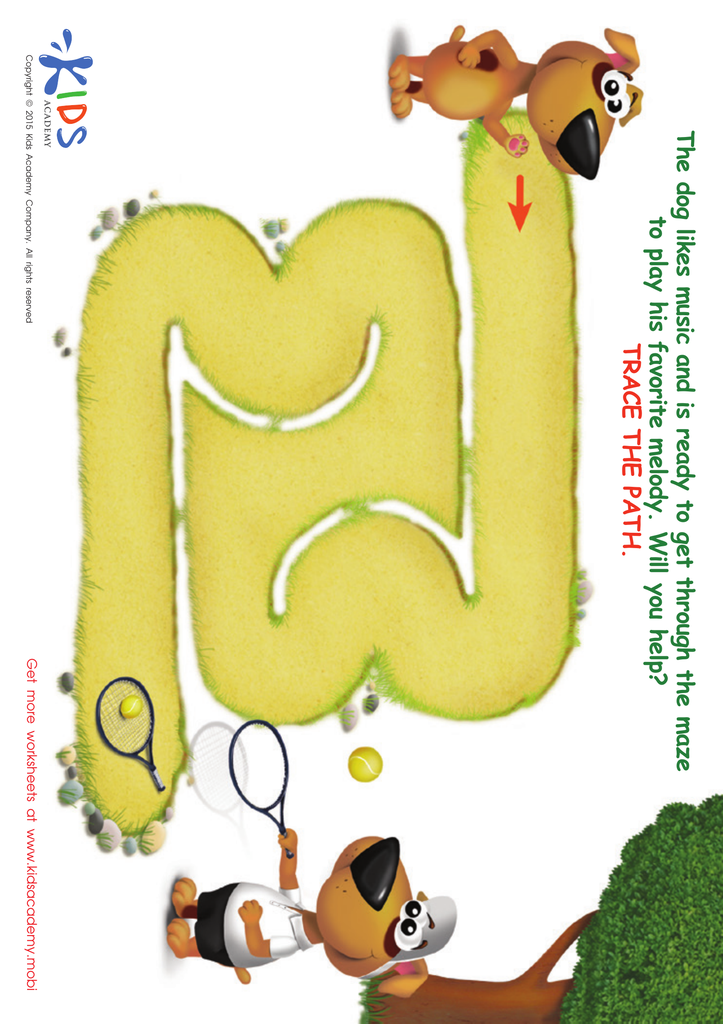
Tennis Player Maze Worksheet
Get them now and play together with your kids! Trace paths and help the dog find the racquets and balls. Fun and learning await.
Tennis Player Maze Worksheet
Worksheet
Join Kids Academy for Free
Who is primarily going to use this learning content?


Color recognition mazes for 5-year-olds are powerful learning tools that engage young minds in multifaceted development. Firstly, these mazes sharpen cognitive abilities through problem-solving tasks. As children navigate the maze, they practice logical thinking and spatial awareness, enhancing their overall cognitive function.
Secondly, color recognition is a fundamental skill at this stage. Engaging in color-based mazes reinforces their ability to identify and differentiate between colors. This kind of recognition is not just academically significant but also essential for everyday tasks, such as following traffic lights or organizing items by color.
Additionally, mazes help improve fine motor skills. Children need to manipulate a pencil or finger to trace paths, which enhances hand-eye coordination and prepares them for writing.
Furthermore, these activities support emotional development. Successfully completing a maze gives children a sense of accomplishment, boosting their confidence in tackling similar challenges.
From a social perspective, color recognition mazes can be collaborative activities. When done in group settings, they encourage teamwork, communication, and sharing.
Lastly, focusing on color recognition can also aid children with specific learning difficulties, providing a fun, non-stressful way to practice critical skills. Parents and teachers should acknowledge the holistic benefits these playful activities bring to a child’s early developmental stage.








