Mathematical reasoning Addition Facts Worksheets for 5-Year-Olds
3 filtered results
-
From - To
Introduce your 5-year-old to the foundations of math with our Mathematical Reasoning Addition Facts Worksheets. Crafted specifically for young learners, these engaging exercises help kids understand basic addition through fun and interactive activities. Designed to promote critical thinking and problem-solving, each worksheet uses colorful images and scenarios that captivate children’s attention while solidifying essential math skills. Whether aligning numbers or exploring groups, your child will develop confidence and proficiency in addition. Perfect for at-home learning or classroom supplement, our worksheets make math enjoyable and accessible, setting the stage for future academic success. Visit Kids Academy to download now!
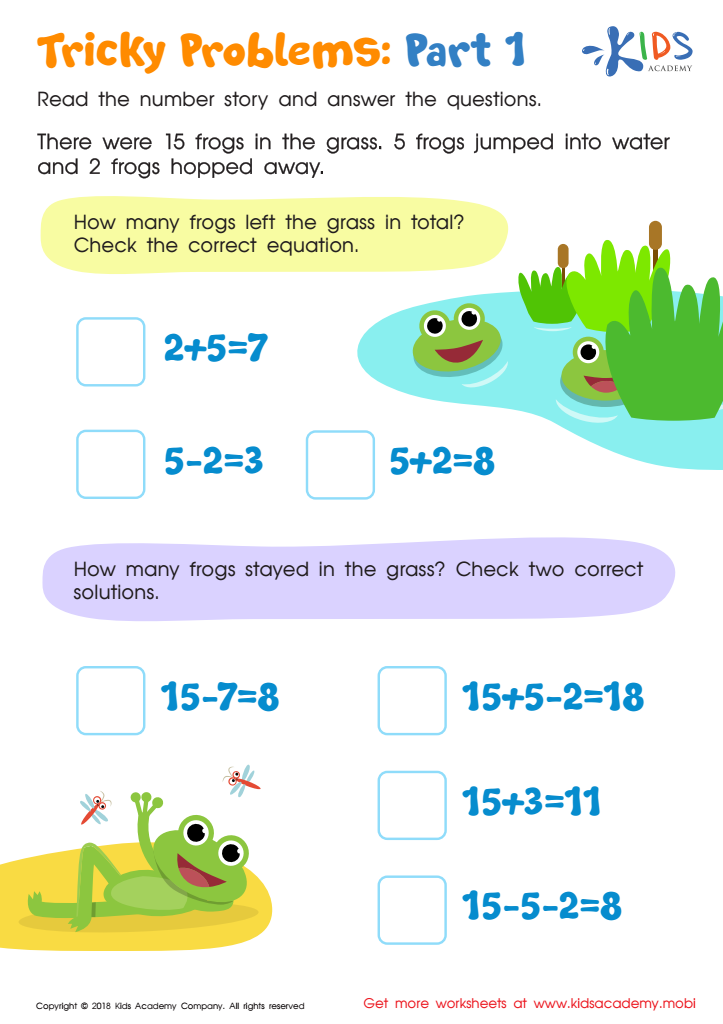
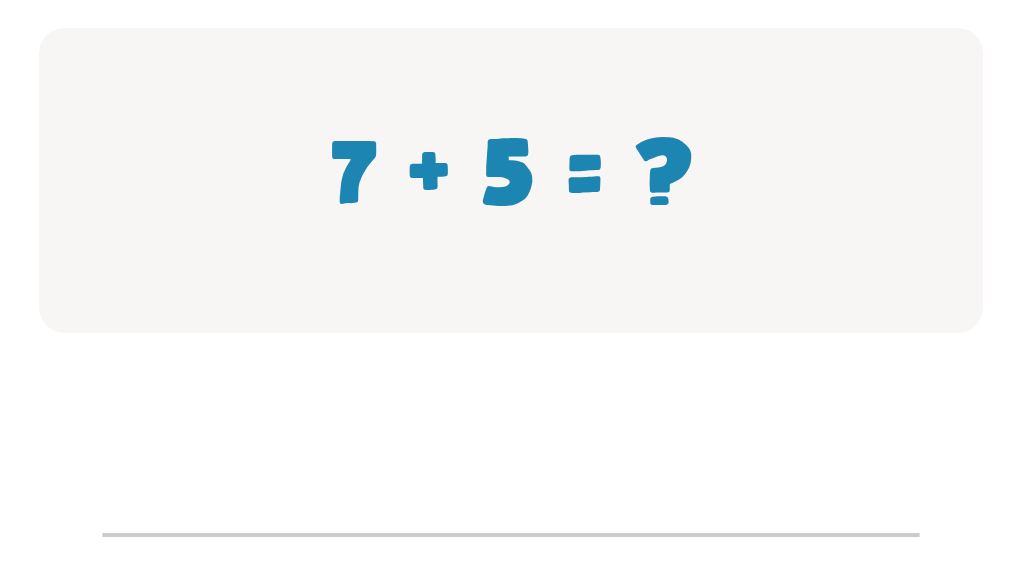
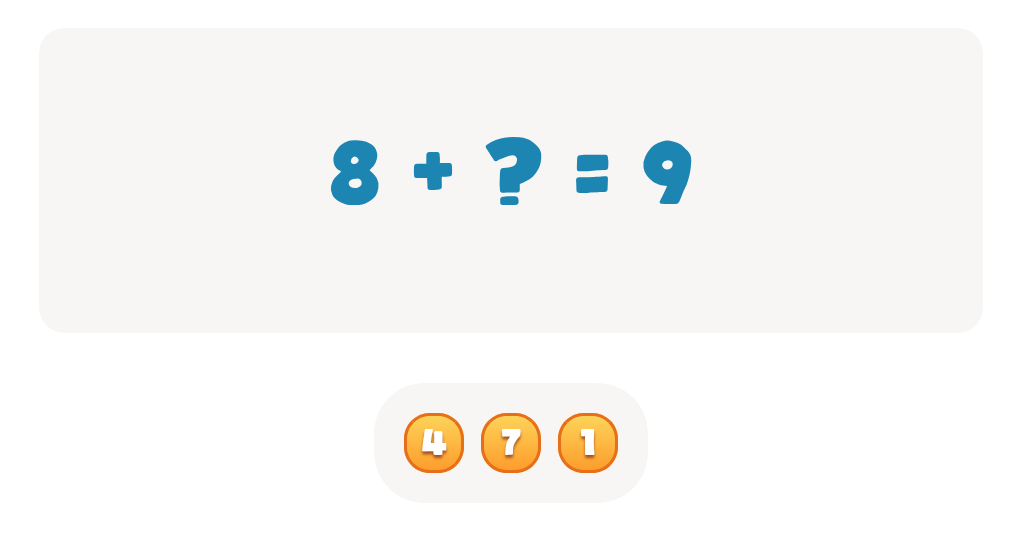
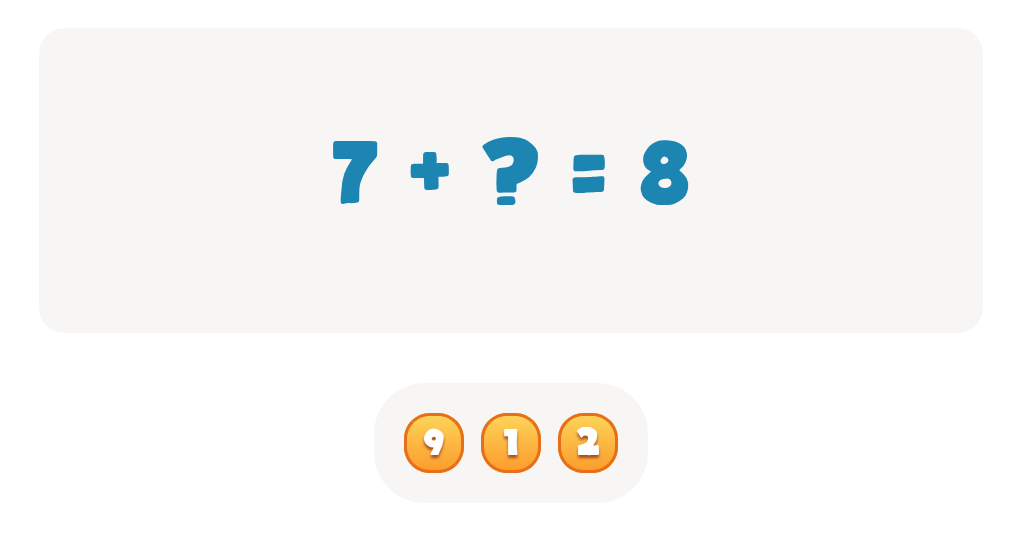
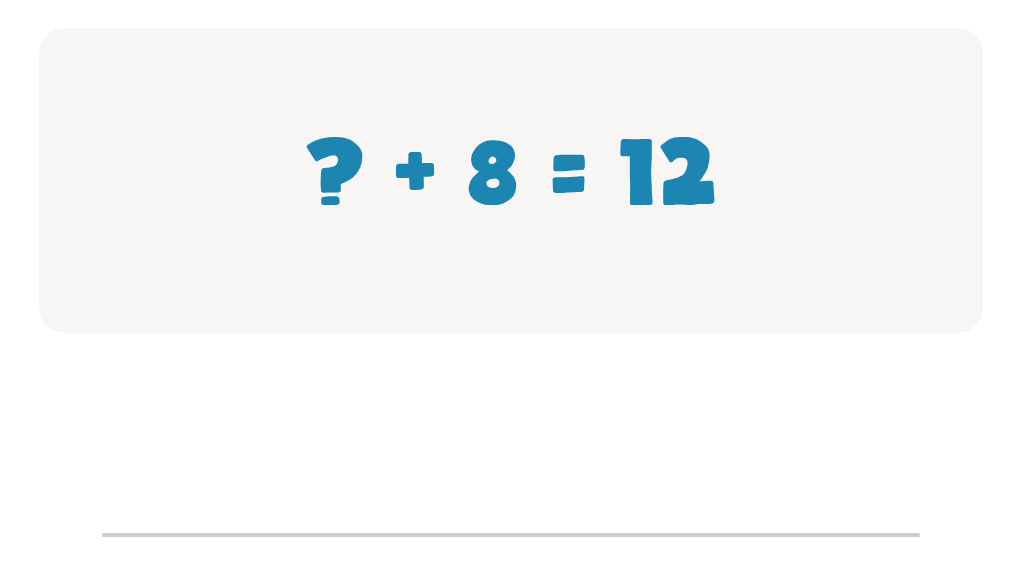
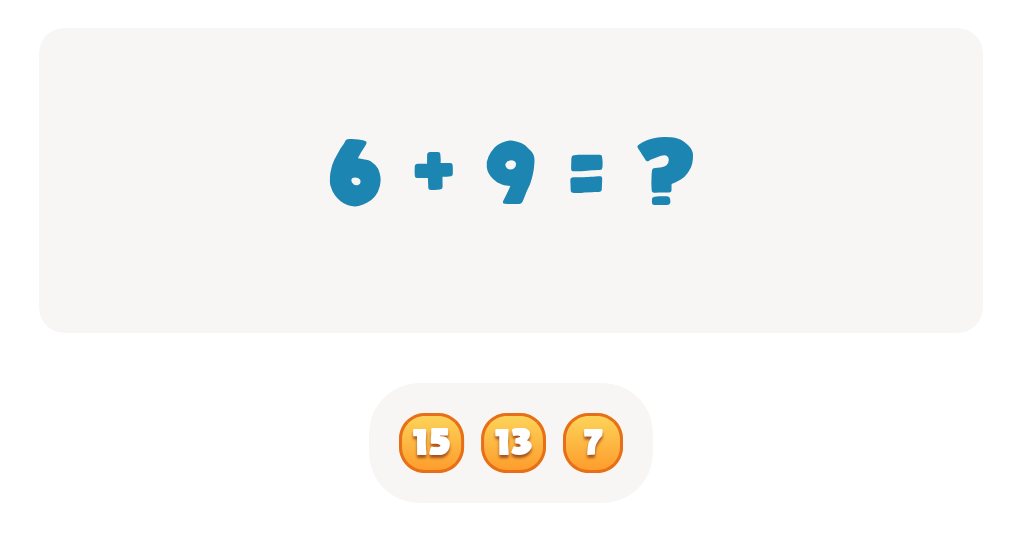
Tricky Problems Worksheet: Part 1
 Assign to My Students
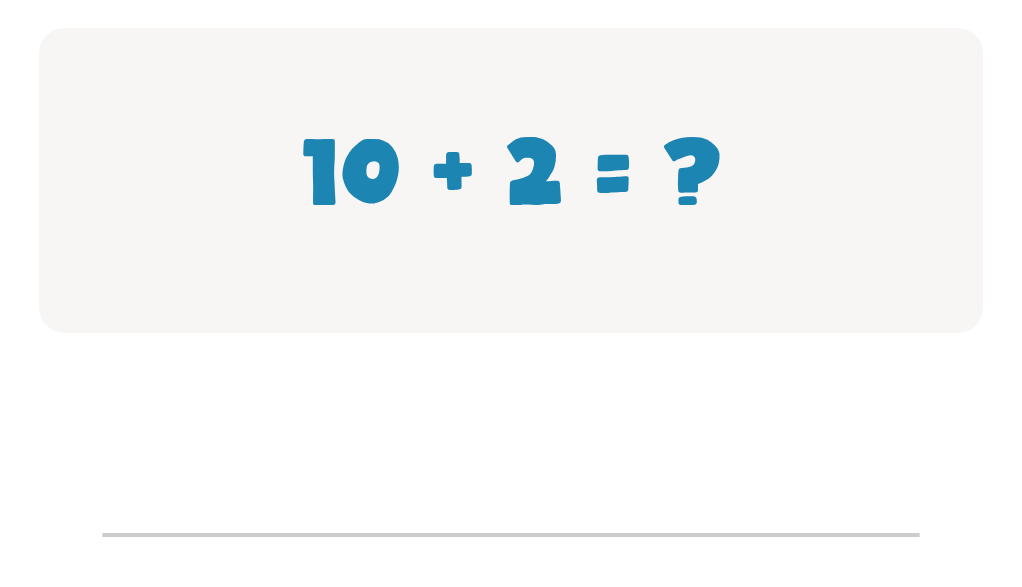


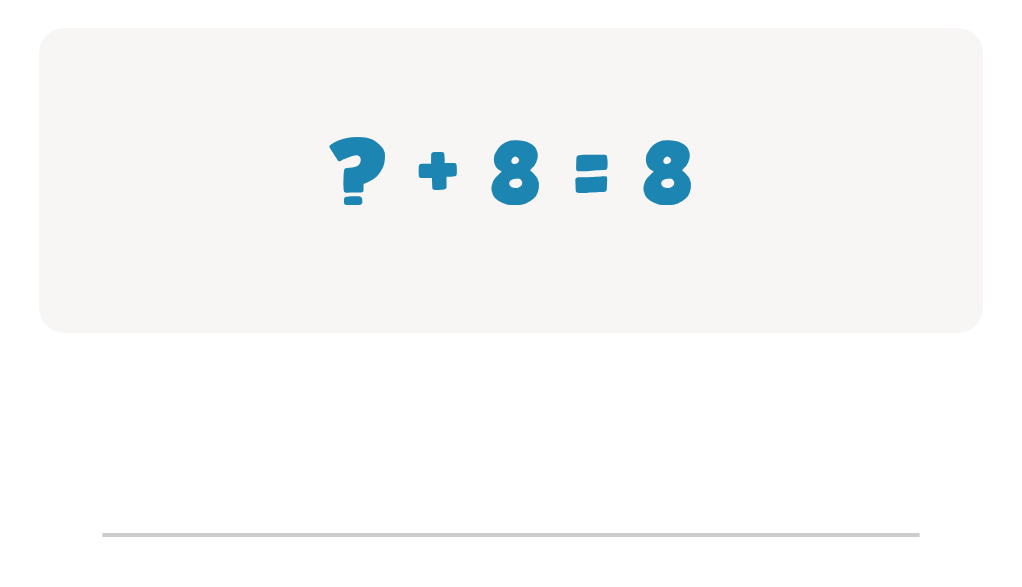
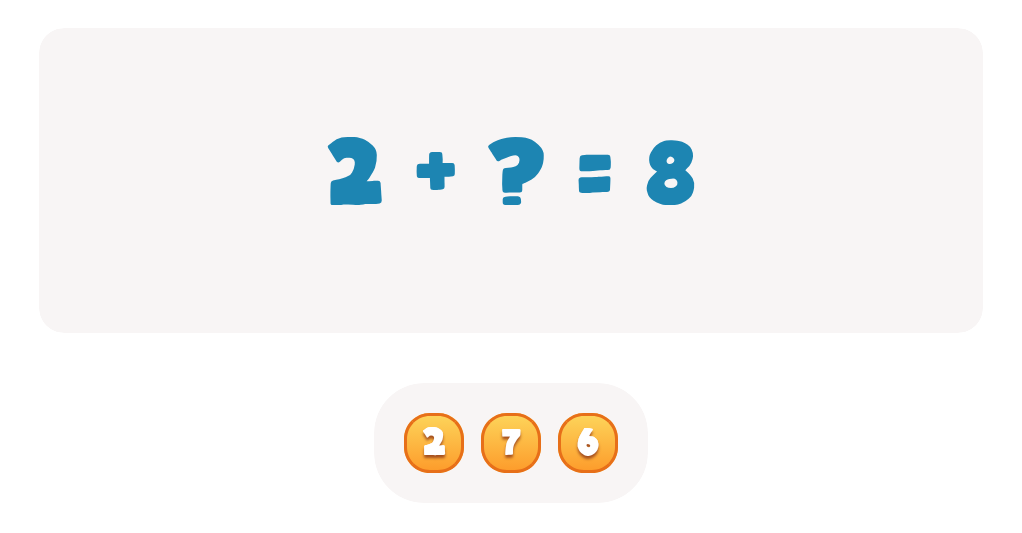

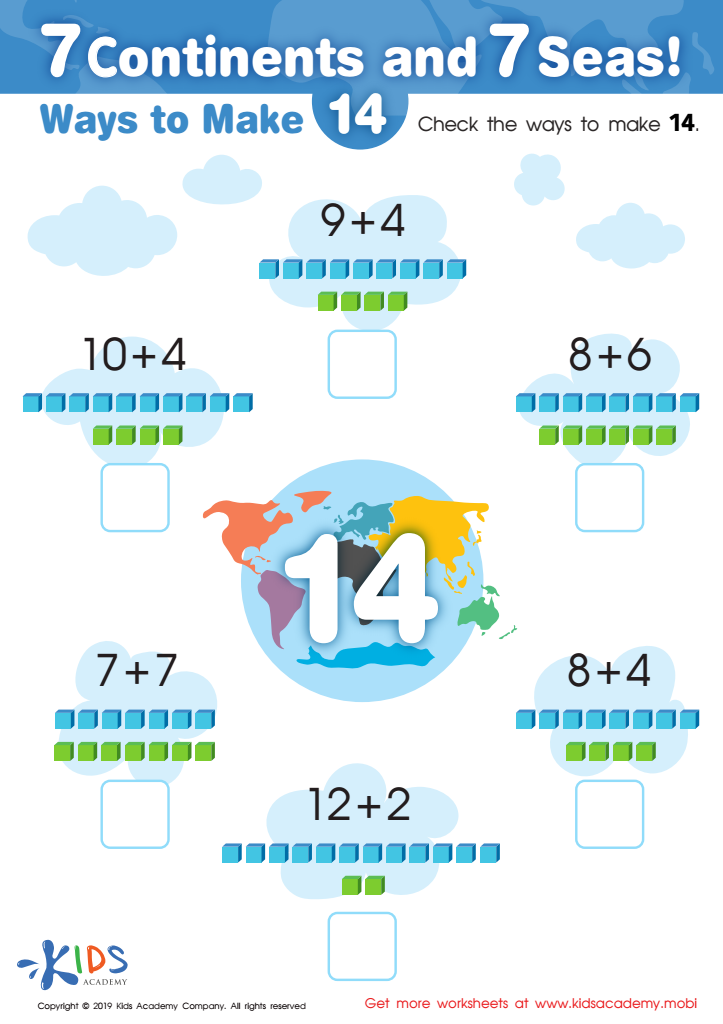
7 Continents and 7 Seas Worksheet
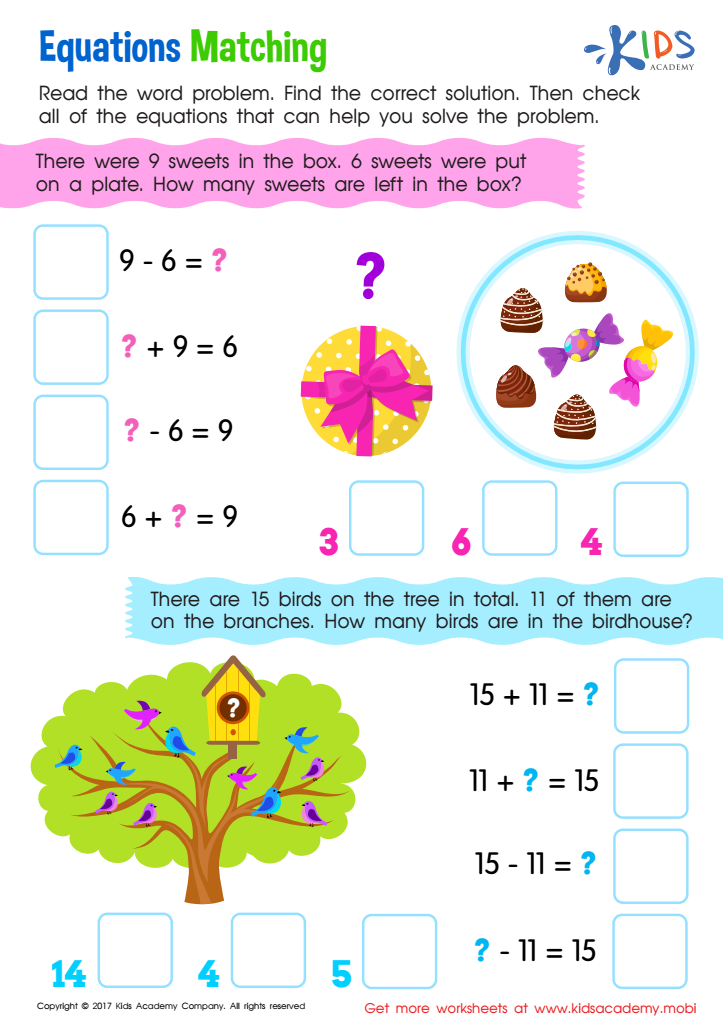
Equations Matching Word Problems Worksheet








Mathematical reasoning and understanding addition facts are crucial for 5-year-olds, as they form the foundational skills for more advanced math concepts. When parents and teachers focus on these early skills, they support the development of logical thinking, problem-solving abilities, and numerical fluency, which are essential for future academic success.
By grasping basic addition, children learn to recognize patterns, understand relationships between numbers, and build a strong number sense. These skills are not only vital in mathematics but also enhance cognitive abilities that contribute to success in other subjects, fostering a well-rounded intellectual growth.
Moreover, early proficiency in addition enables children to tackle more complex mathematical operations with confidence, reducing anxiety and avoiding the frustration that can come from lagging behind peers. When parents and teachers nurture these skills, they can cultivate a love for numbers, inspiring a positive attitude towards learning and intellectual curiosity.
Supporting the development of mathematical reasoning involves creating a rich environment where children have plenty of opportunities to experiment with and practice addition in engaging, playful, and real-life contexts. Games, storytelling, and hands-on activities make math fun and relevant, thus enhancing retention and understanding. Involved and supportive adults play a pivotal role in providing these meaningful experiences, setting the stage for lifelong success in mathematics and beyond.








