
Math fluency Addition & Subtraction Worksheets for 5-Year-Olds
3 filtered results
Difficulty Level
Grade
Age
-
From - To
Subject
Activity
Standards
Boost your child's math skills with our Math Fluency Addition & Subtraction Worksheets designed specifically for 5-year-olds. These engaging, age-appropriate worksheets are perfect for building a strong foundation in essential math skills through fun and interactive activities. From basic addition to mastering subtraction, each worksheet is crafted to reinforce learning and help children achieve fluency in basic math operations. Ideal for home or classroom use, our worksheets turn learning into an enjoyable adventure, ensuring your child’s early math experiences are enjoyable and successful. Visit Kids Academy to get started today!
Favorites
With answer key
Interactive
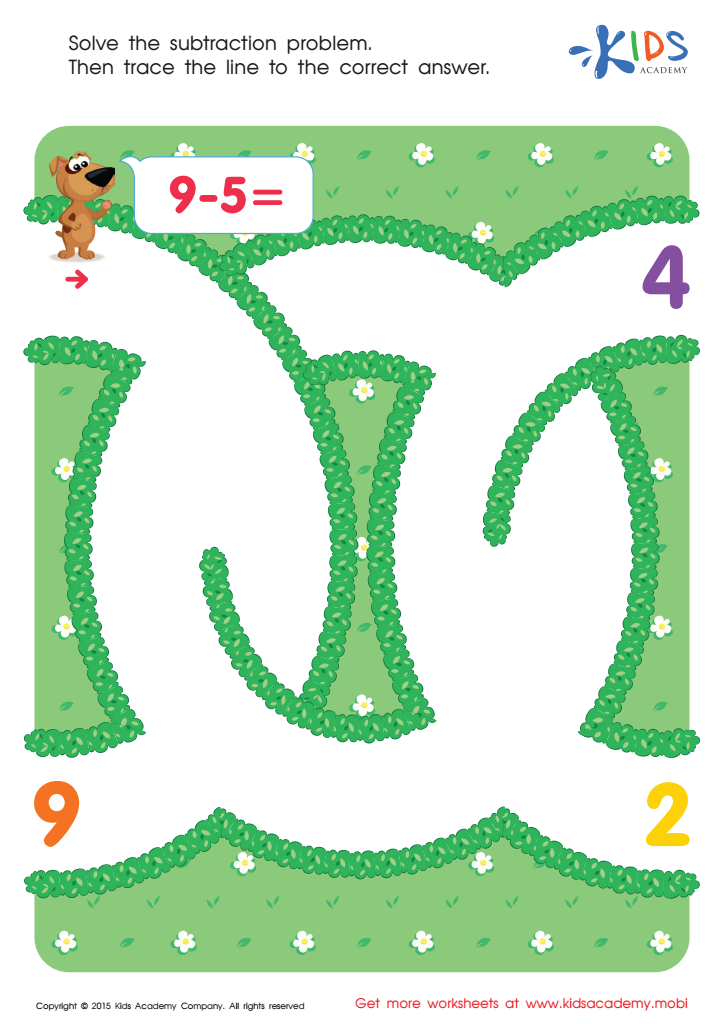
Subtraction Nine And Five Worksheet
Trace the path to the right answer and help the dog find its way out of the maze. Have fun while learning subtraction! (80 words)
 Assign to My Students
Subtraction Nine And Five Worksheet
Worksheet
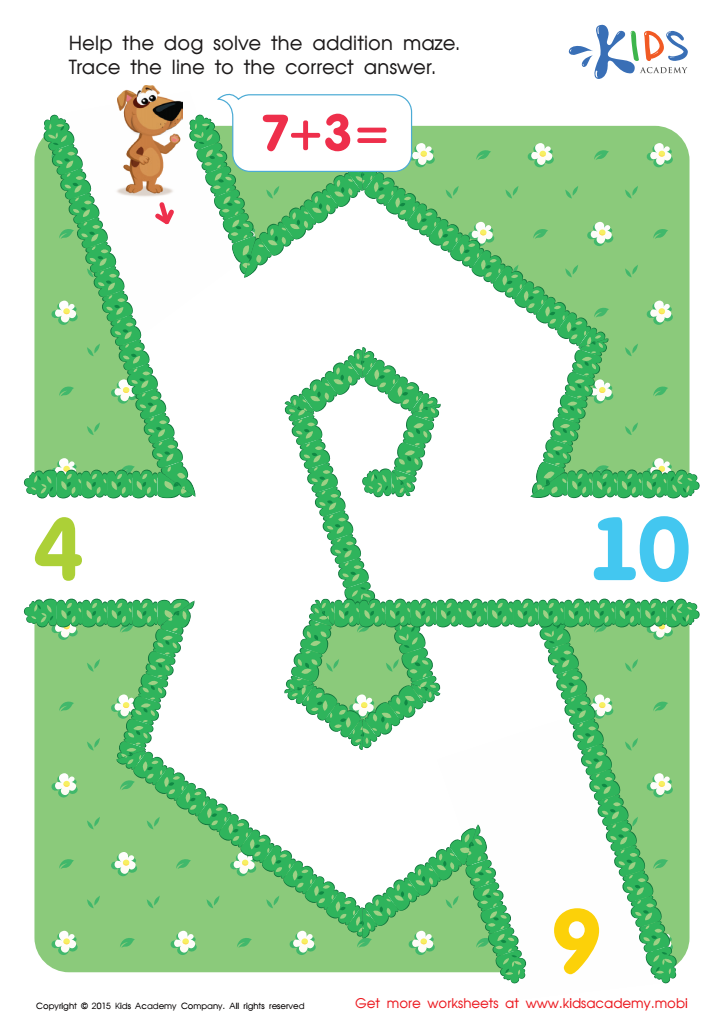
Seven Plus Three Worksheet
Practice addition and subtraction with your kids, help them out and make learning math an enjoyable activity.
Seven Plus Three Worksheet
Worksheet
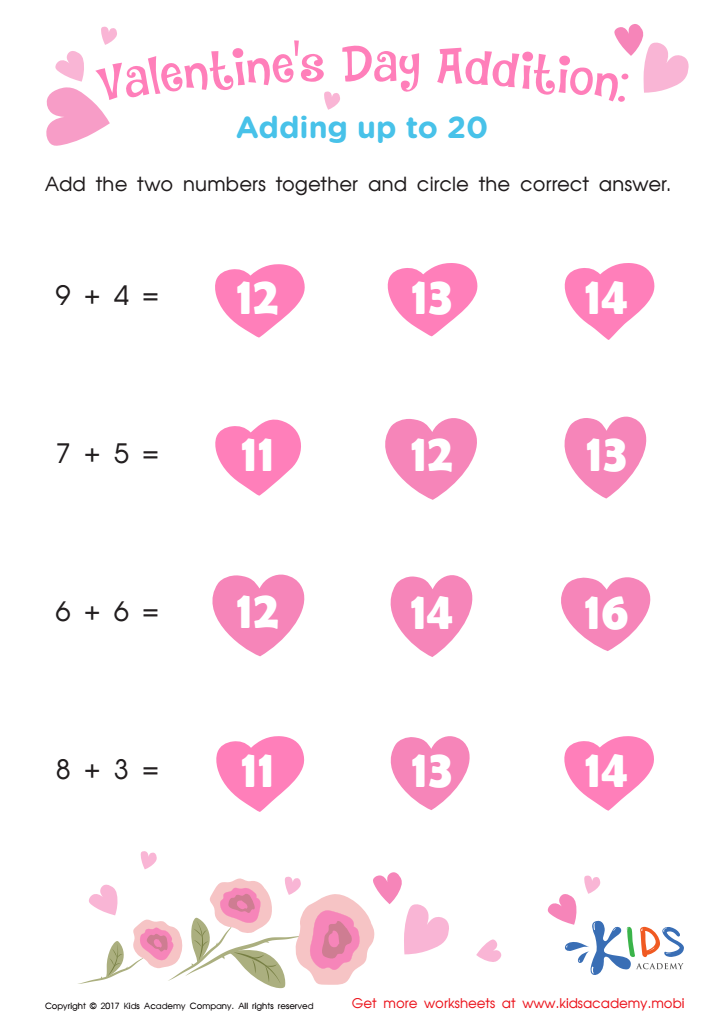
Valentine's Day Addition Worksheet
This Valentine's Day themed worksheet is a fun way for your child to practice adding single digits up to 20! Hearts feature to help your child increase their math skills and have fun at the same time.
Valentine's Day Addition Worksheet
Worksheet
Join Kids Academy for Free
Who is primarily going to use this learning content?








Math fluency in addition and subtraction for 5-year-olds is foundational for several key reasons. First, mastery of these basic skills sets the stage for future academic success. Proficiency in addition and subtraction helps young children build confidence in their capabilities, making them more likely to tackle more complex mathematical concepts with enthusiasm and resilience. Early fluency acts as a cornerstone upon which future math learning is built, ensuring that children have a solid grounding as they move onto more challenging topics, such as multiplication and division.
Secondly, early math fluency aids in the development of critical thinking and problem-solving skills. As fun as it may be for young learners to count apples or subtract toys, these exercises challenge them to engage their minds in analytical thinking and logical reasoning. Kindergarteners who are fluent in basic math can better understand quantities and relationships, fostering an intuitive sense for numbers that is crucial not just academically but in daily life activities.
In addition, developing early math fluency can foster a positive attitude toward learning and school in general. Children feel a sense of accomplishment when they master new skills, which boosts their overall confidence and encourages a lifelong love of learning. Thus, parents and teachers who emphasize math fluency in their young children are investing not only in immediate academic competence but also in future cognitive and emotional well-being.








