Math problem-solving Addition Worksheets for 5-Year-Olds
4 filtered results
-
From - To
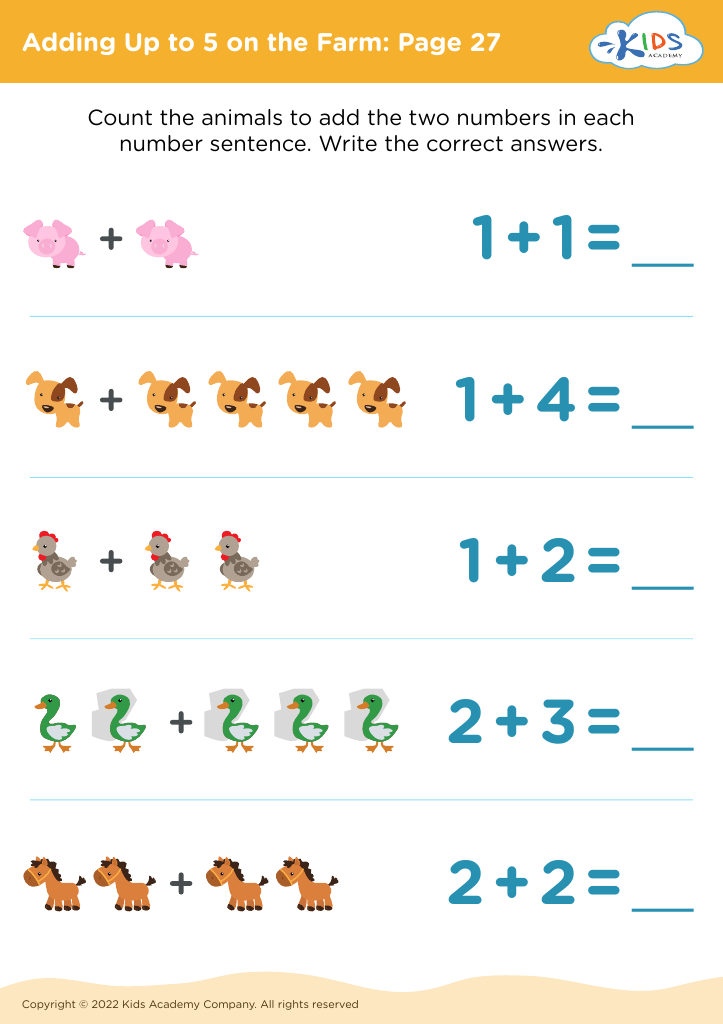
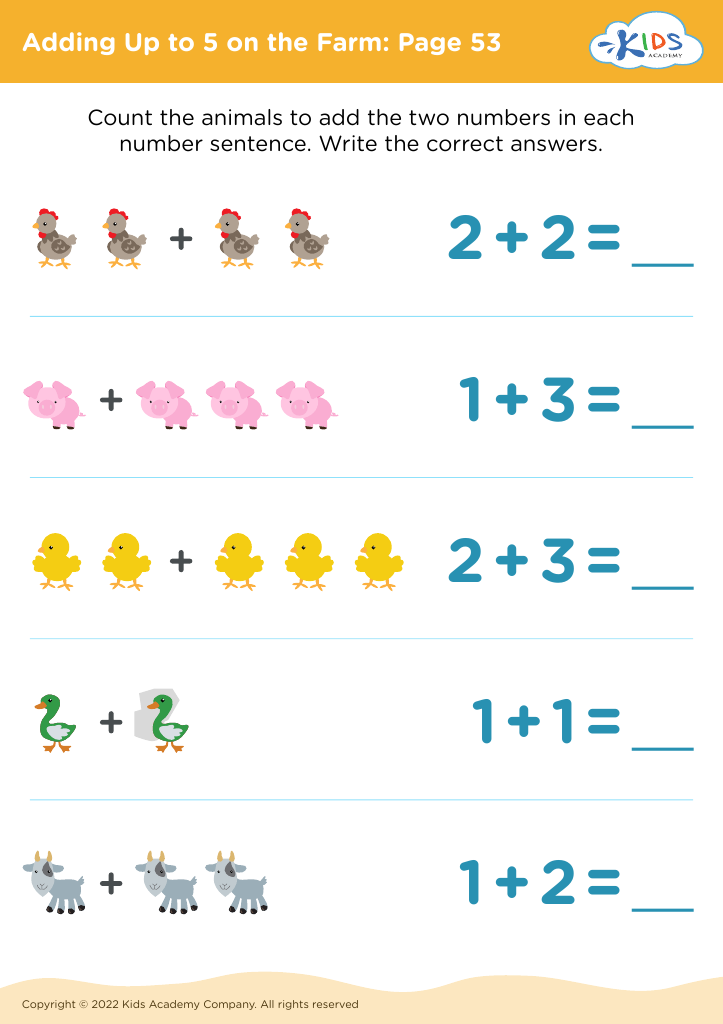
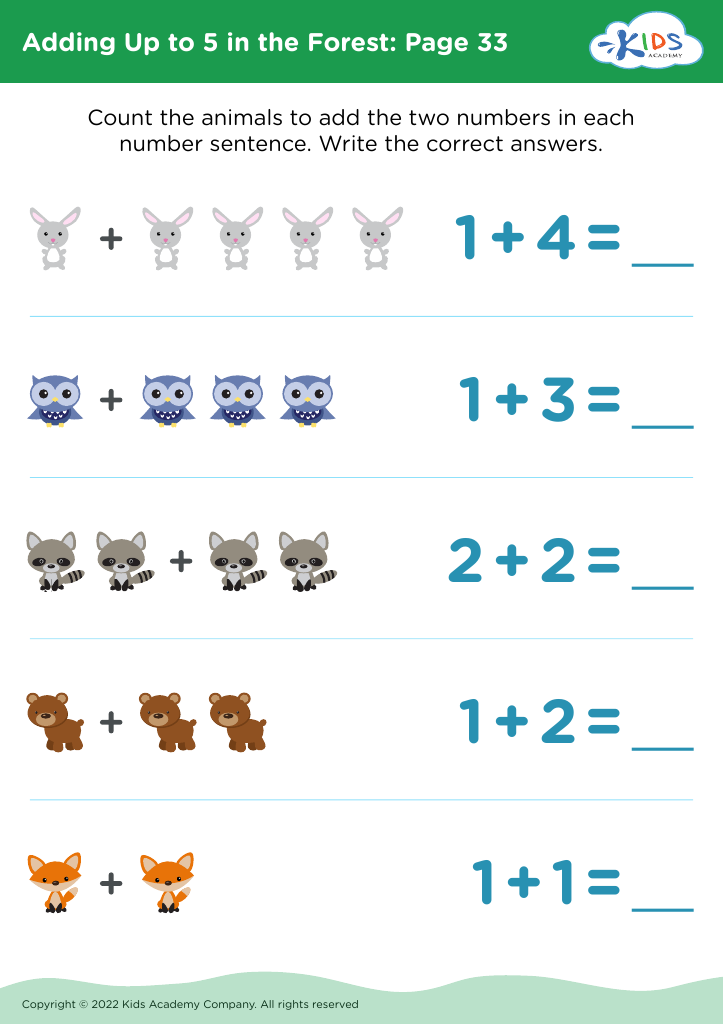
Introduce your 5-year-old to the world of math with our engaging Math Problem-Solving Addition Worksheets! Tailored specifically for young learners, these worksheets provide a fun and interactive way to develop essential math skills. Students will enjoy vibrant visuals and easy-to-understand instructions as they solve addition problems. Designed by educational experts, each worksheet builds on previous knowledge, ensuring a smooth learning curve. As children tackle these problems, they not only strengthen their addition abilities but also enhance critical thinking. Perfect for classroom use or at-home practice, these worksheets make math entertaining and effective!
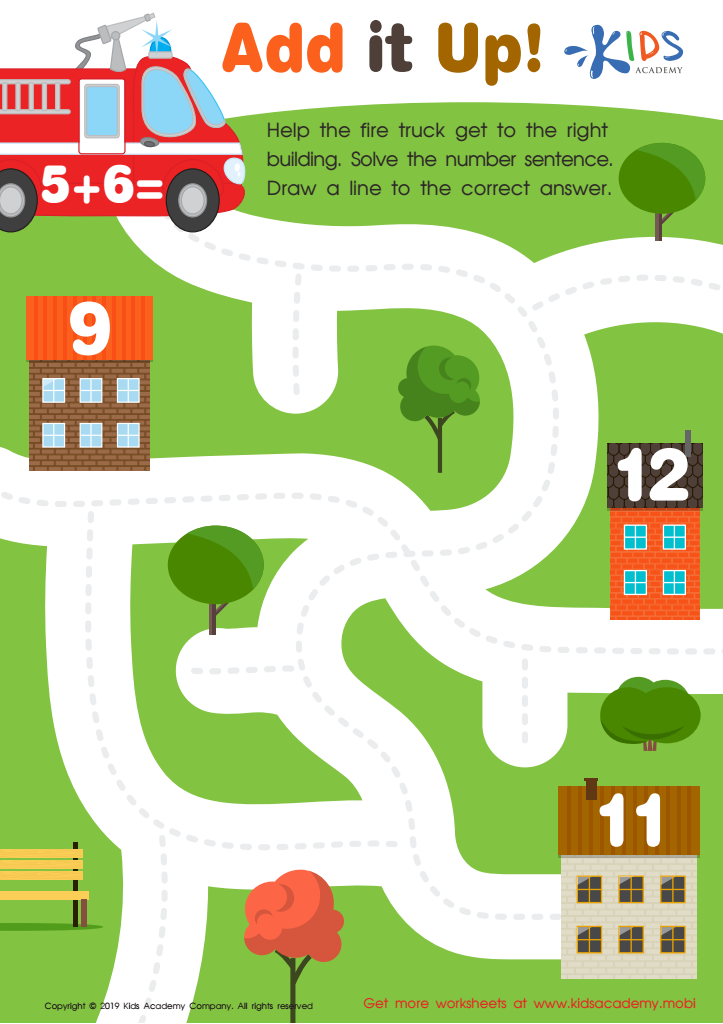
Add it Up Worksheet
 Assign to My Students





.jpg)

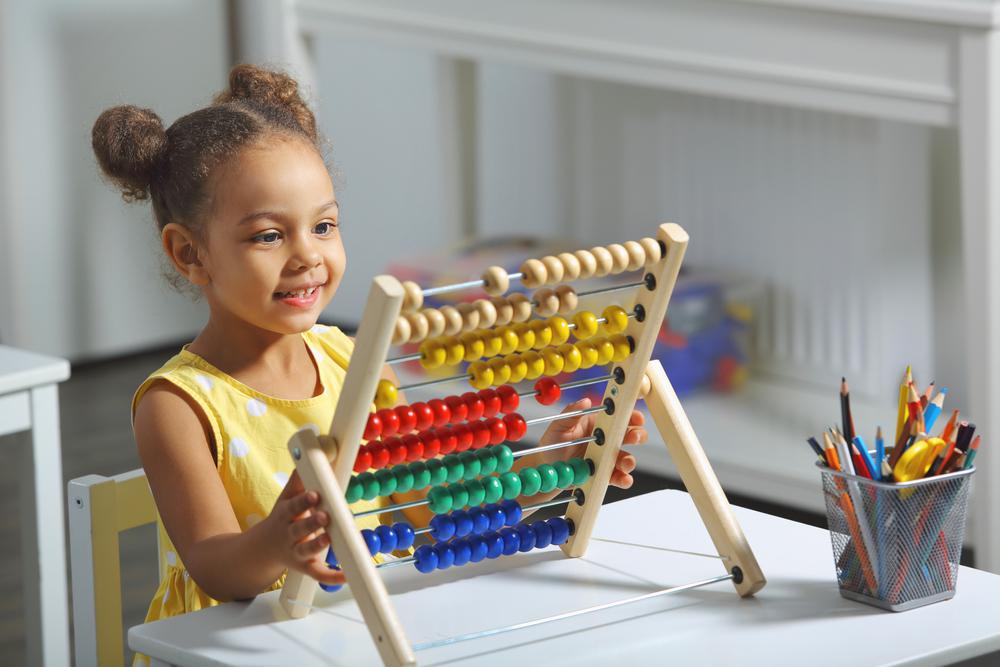
Math problem-solving through addition for 5-year-olds is essential, as it lays the foundational stones for their cognitive and intellectual growth. This early mathematical skill is crucial for several reasons. First, addition introduces the youngsters to the fundamental operations of math, which is pivotal for their future academic endeavors. By learning how to add, children start to develop critical thinking and problem-solving skills, which are invaluable throughout life.
Second, addition boosts children's numerical fluency, enabling them to make sense of numbers and their relationships. This understanding is necessary for more advanced mathematical concepts and fosters a deeper love for learning. Psychologically, mastering addition also encourages confidence and a sense of achievement, which is crucial for their overall mental well-being.
Moreover, addition activities promote the development of fine motor skills because they often involve using educational tools like counters, blocks, or drawing.
Lastly, learning addition teaches youngsters the value of patience and persistence. Simple math problems may seem elementary from an adult perspective, but tackling and overcoming these challenges at an early age builds resilience. Supporting this growth from parents or teachers ensures children have a strong leg up as they continue their academic trajectories and beyond.








