Fine motor development Math Worksheets for 5-Year-Olds
6 filtered results
-
From - To
Enhance your 5-year-old's fine motor skills with our engaging Math Worksheets designed specifically for young learners. These worksheets combine fun activities with essential math concepts, helping children develop precision in their hand movements while counting, tracing, and solving problems. Our resources align with early learning standards and foster cognitive growth through playful learning experiences. By incorporating fine motor activities into math practice, children not only improve their dexterity but also gain confidence in their mathematical abilities. Explore our variety of worksheets that make learning math enjoyable while promoting essential skill development. Download and watch your little one thrive!
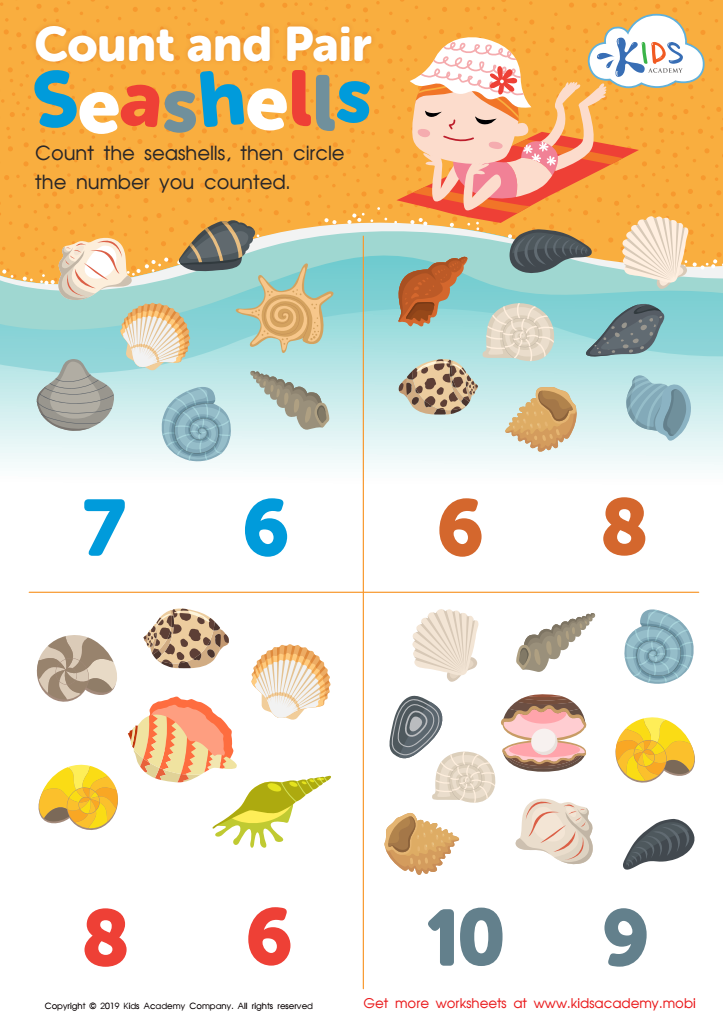
Count and Pair Seashells Worksheet
 Assign to My Students
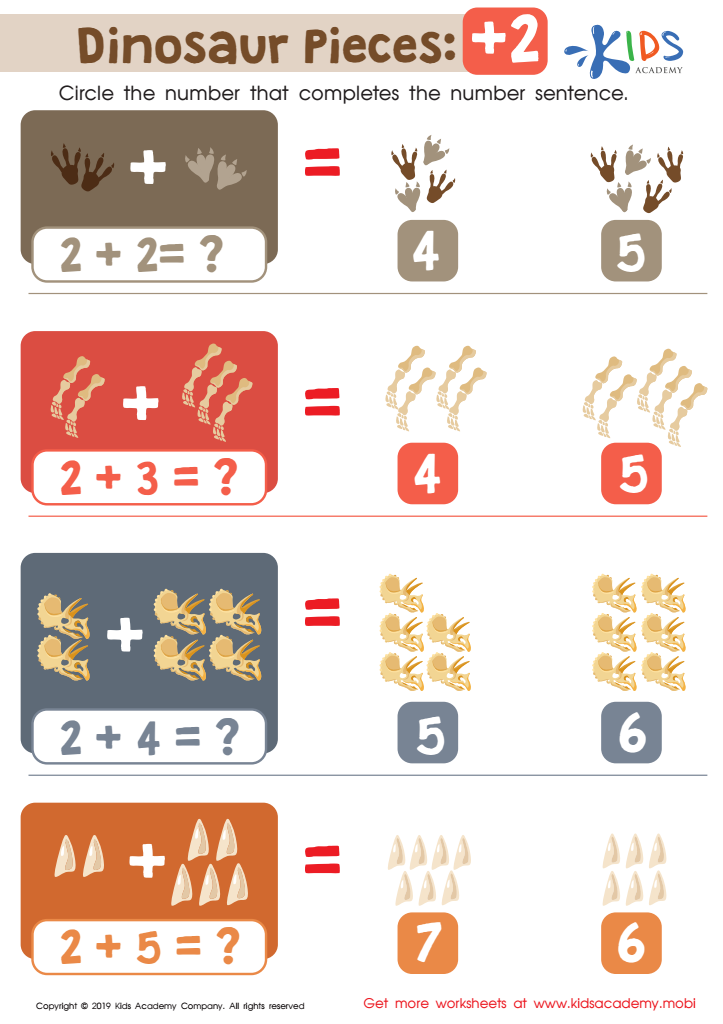
Dinosaur Pieces: +2 Worksheet
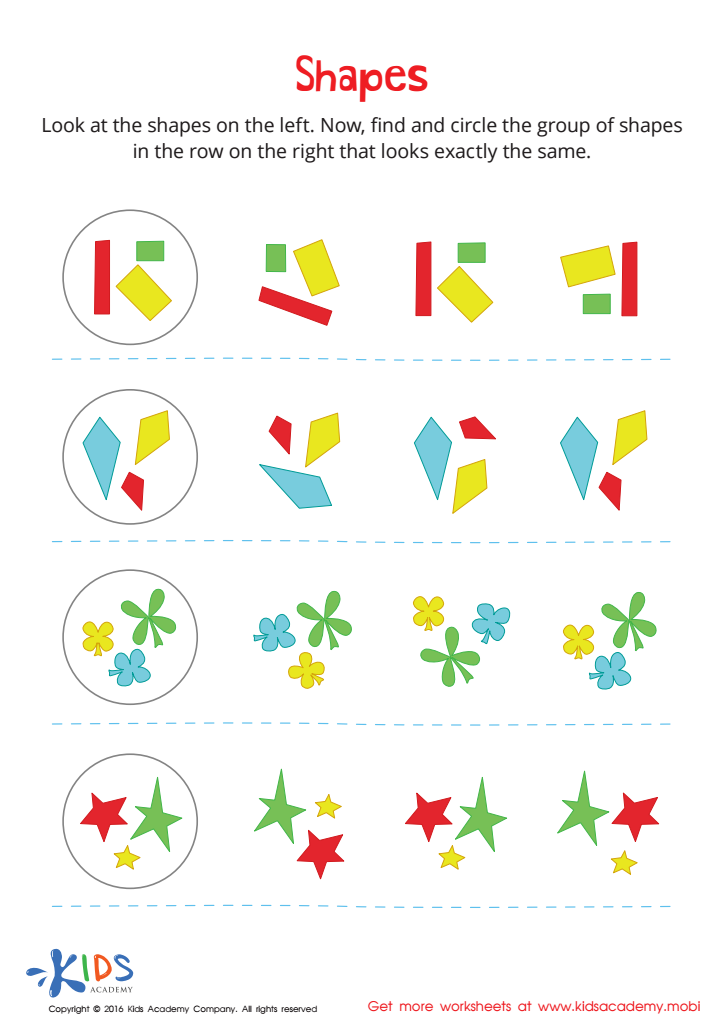
Shapes Worksheet
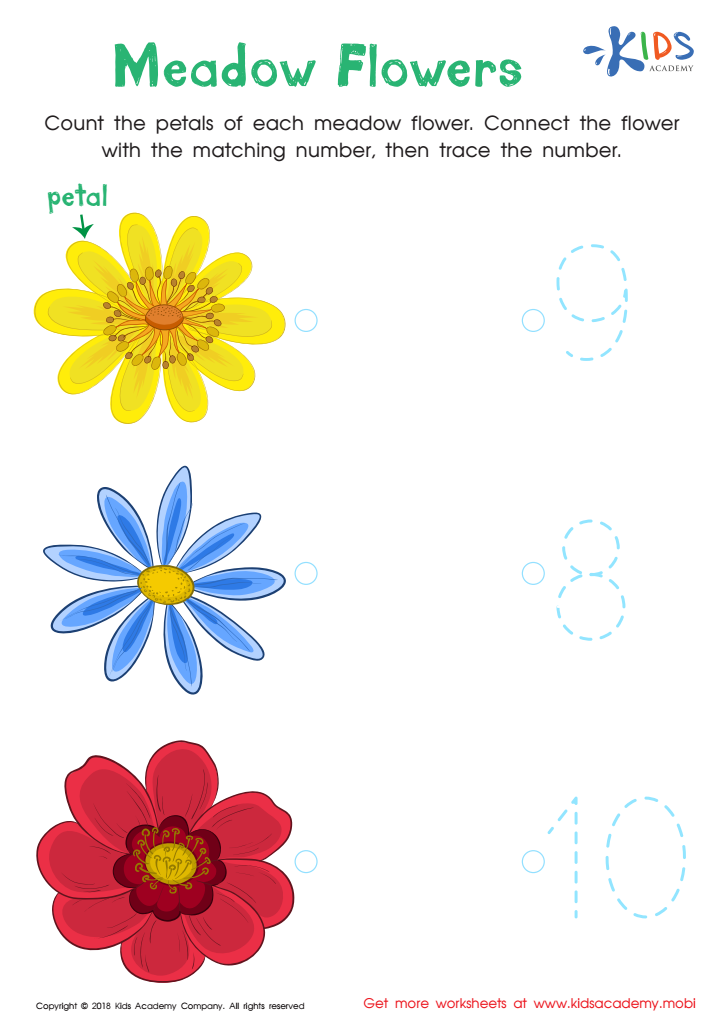
Kindergarten Number Tracing: Medow Flowers Worksheet






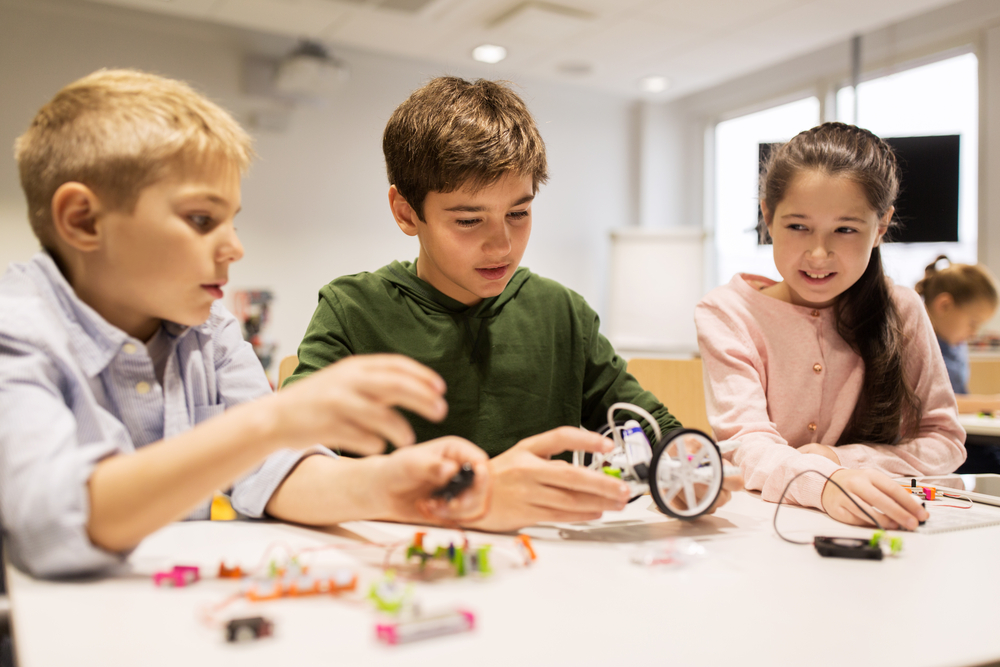

Fine motor skills are crucial for the overall development of 5-year-olds, and they play a significant role in their mathematical understanding. As children engage in fine motor activities—such as cutting, drawing, and manipulating small objects—they strengthen the small muscles in their hands and fingers. This physical skill development is essential, as it also aids in tasks like writing numbers, which are foundational for math learning.
Furthermore, fine motor activities often incorporate mathematical elements; for instance, threading beads or building with blocks involves counting, sorting, and spatial awareness. These activities not only cultivate fine motor skills but also enhance problem-solving abilities and logical thinking, which are key components of mathematical learning.
Parents and teachers should prioritize fine motor development because it lays the groundwork for children's academic success. Children lacking in fine motor skills may struggle with writing and completing math-related tasks, which can inhibit their confidence and enjoyment in learning. By fostering fine motor development, parents and teachers create a stronger trajectory for children’s mathematical abilities and ensure they approach math with enthusiasm and competence as they progress in their education. This holistic approach to learning nurtures well-rounded, capable learners.








