
Understanding numbers Math Worksheets for 5-Year-Olds
4 filtered results
Difficulty Level
Grade
Age
-
From - To
Subject
Activity
Standards
Discover our engaging "Understanding Numbers" math worksheets designed specifically for 5-year-olds! These worksheets provide a fun and interactive way for young learners to develop essential number recognition and counting skills. Through colorful visuals and age-appropriate activities, children will explore concepts such as number formation, sequencing, and basic addition and subtraction. Each worksheet is crafted to foster a love for math while building a solid foundation for future learning. Perfect for home or classroom use, these resources help create a positive math experience, paving the way for confident, capable mathematicians. Start your child’s numerical journey today with our delightful worksheets!
Favorites
With answer key
Interactive
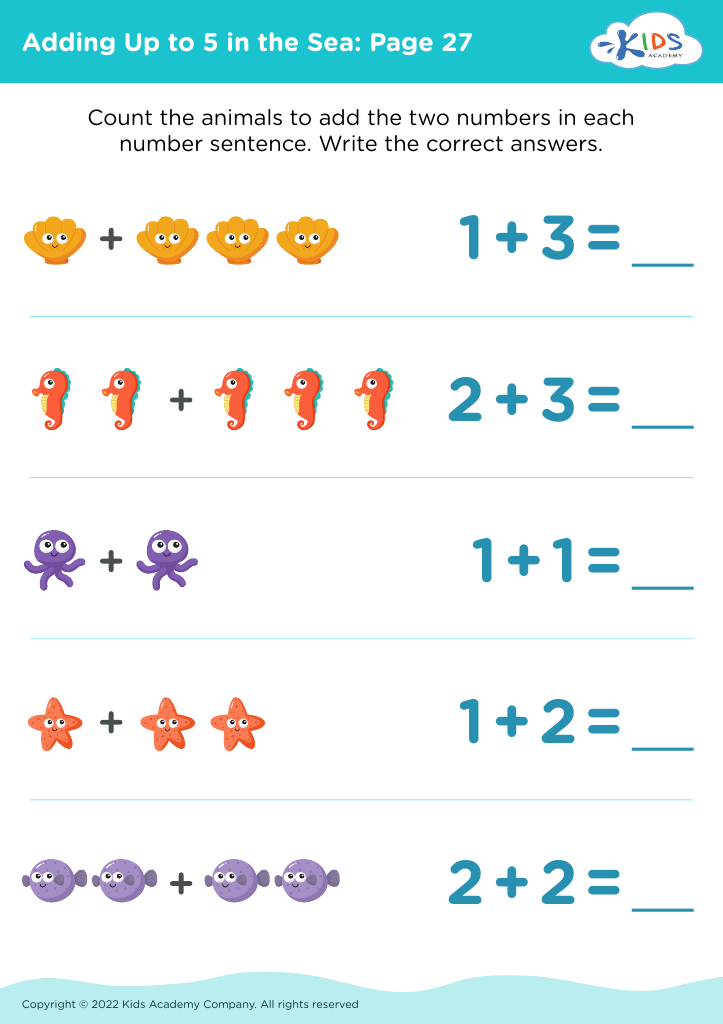
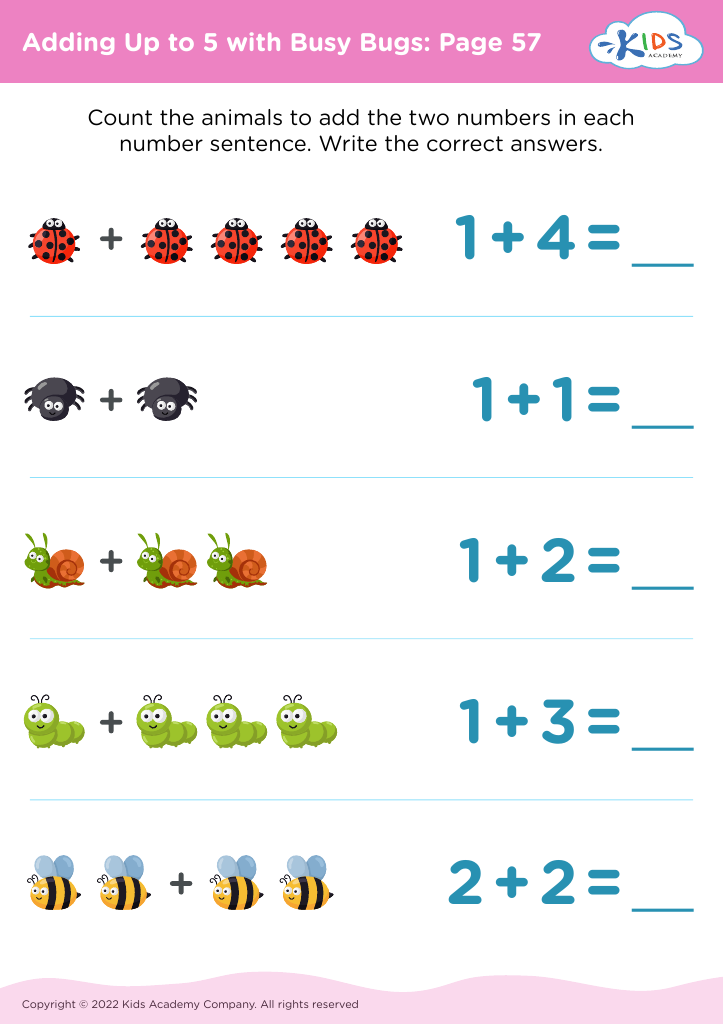
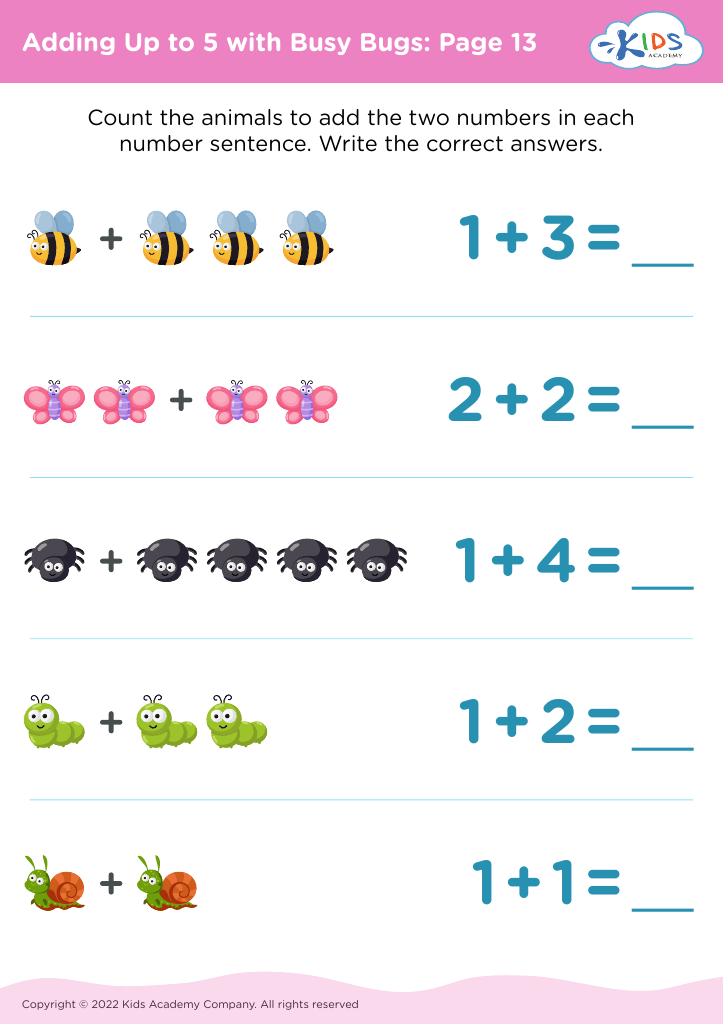
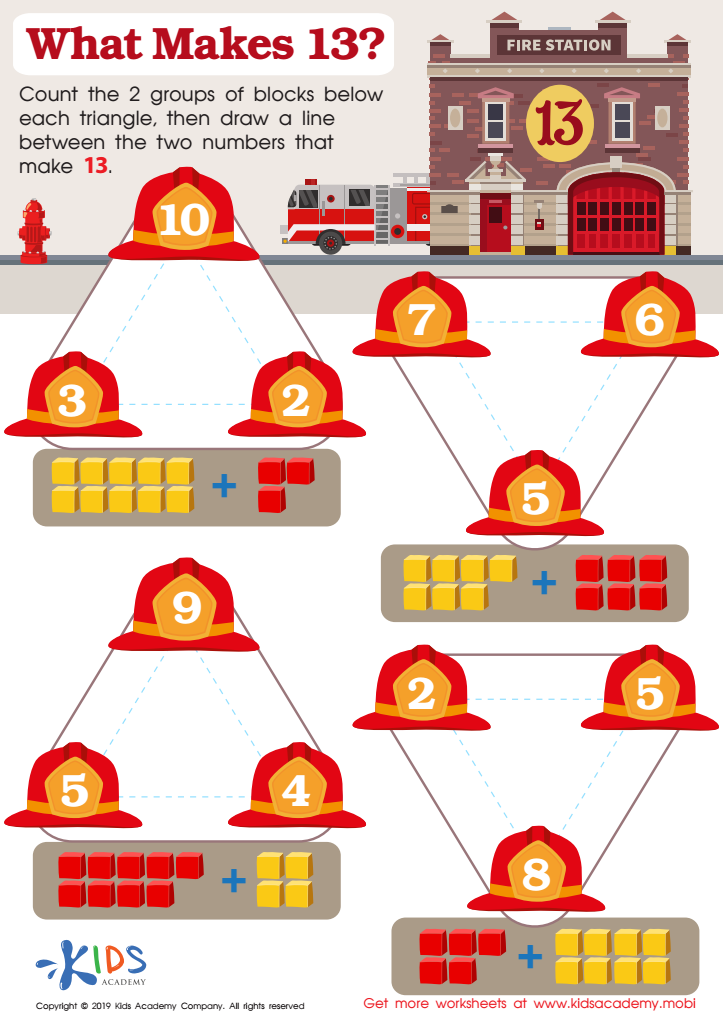
What Makes 13 Worksheet
Help your kids practice maths with this worksheet! With colourful images and simple equations, your kids will be more engaged in learning. Go through the four equations and help them add up the numbers. Then, draw a line between the numbers that make 13. Doing this will aid their learning and understanding.
 Assign to My Students
What Makes 13 Worksheet
Worksheet
Join Kids Academy for Free
Who is primarily going to use this learning content?





.jpg)


Understanding numbers is foundational for children's cognitive development and academic success, making it crucial for parents and teachers to foster number skills in 5-year-olds. At this age, children develop essential mathematical concepts that serve as building blocks for future learning.
When kids grasp the concept of numbers, they enhance their problem-solving and critical thinking abilities. Recognizing numbers helps them make sense of their world—whether through counting objects, recognizing patterns, or solving simple addition and subtraction problems. These skills also encourage logical reasoning, which is vital in everyday life.
Moreover, early math proficiency is linked to greater success in later academic endeavors. Studies show that children with well-developed number sense tend to perform better in advanced mathematics in later years. Engaging with numbers at this stage also boosts children's confidence as they explore mathematical concepts, making them more likely to participate in classroom activities.
Involving parents in this learning journey provides an extended support system, enriching learning experiences through everyday activities—like counting snacks or measuring ingredients. By prioritizing understanding numbers at this crucial stage, parents and teachers collaboratively build a strong foundation that nurtures both academic and life skills in children.








