Counting skills Sight Words Worksheets for 5-Year-Olds
10 filtered results
Difficulty Level
Grade
Age
-
From - To
Subject
Activity
Standards
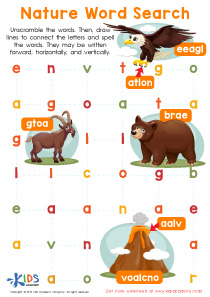
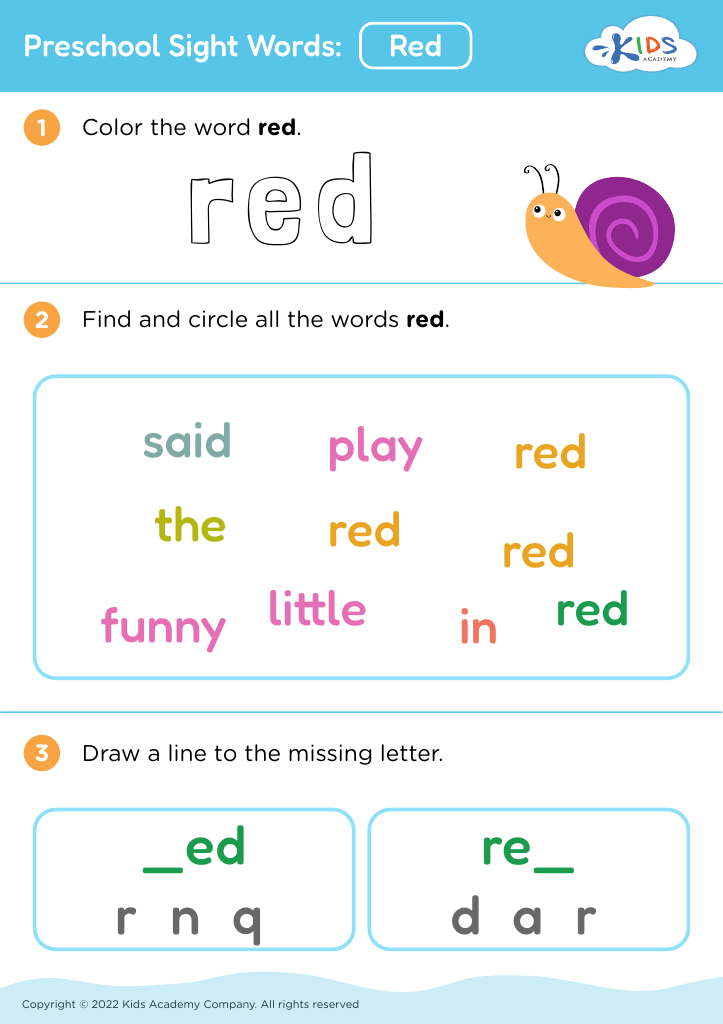
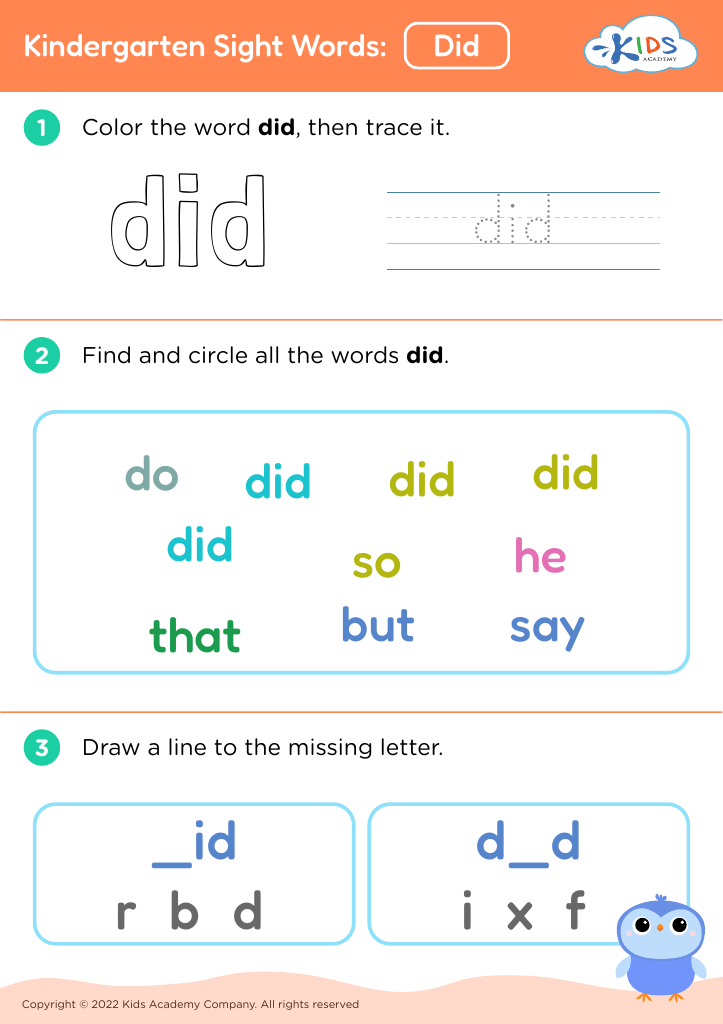
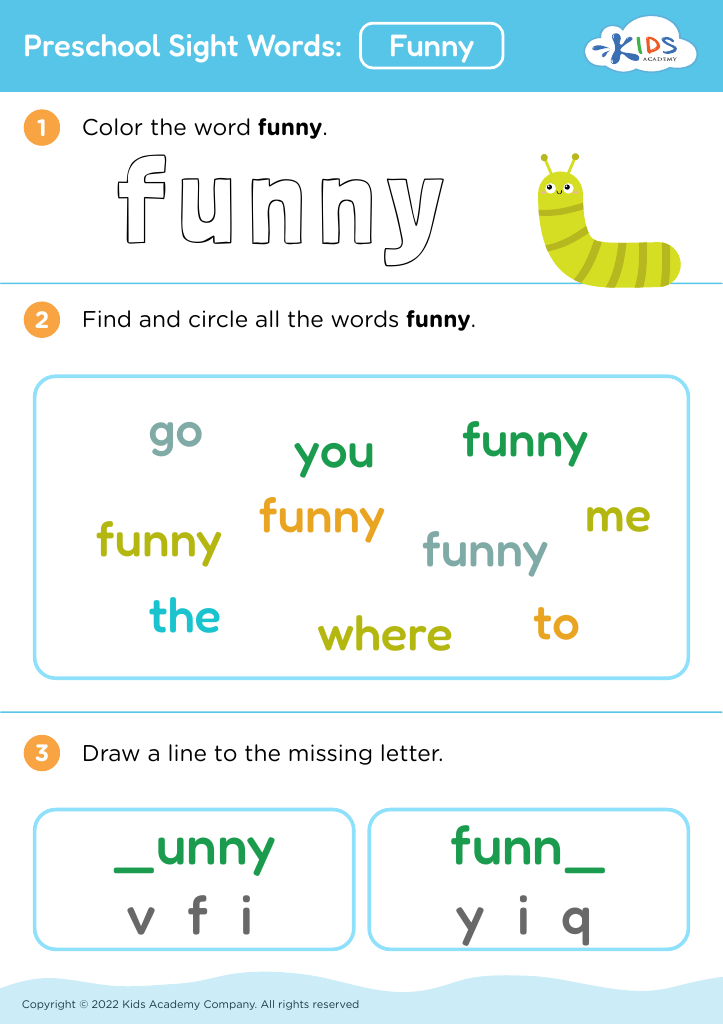
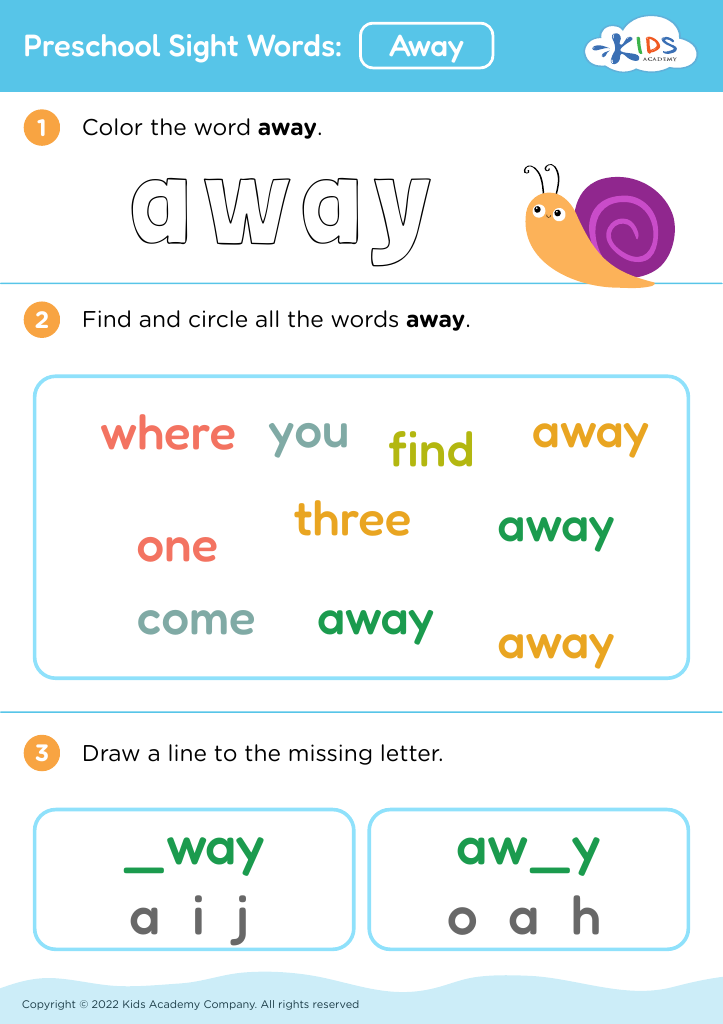
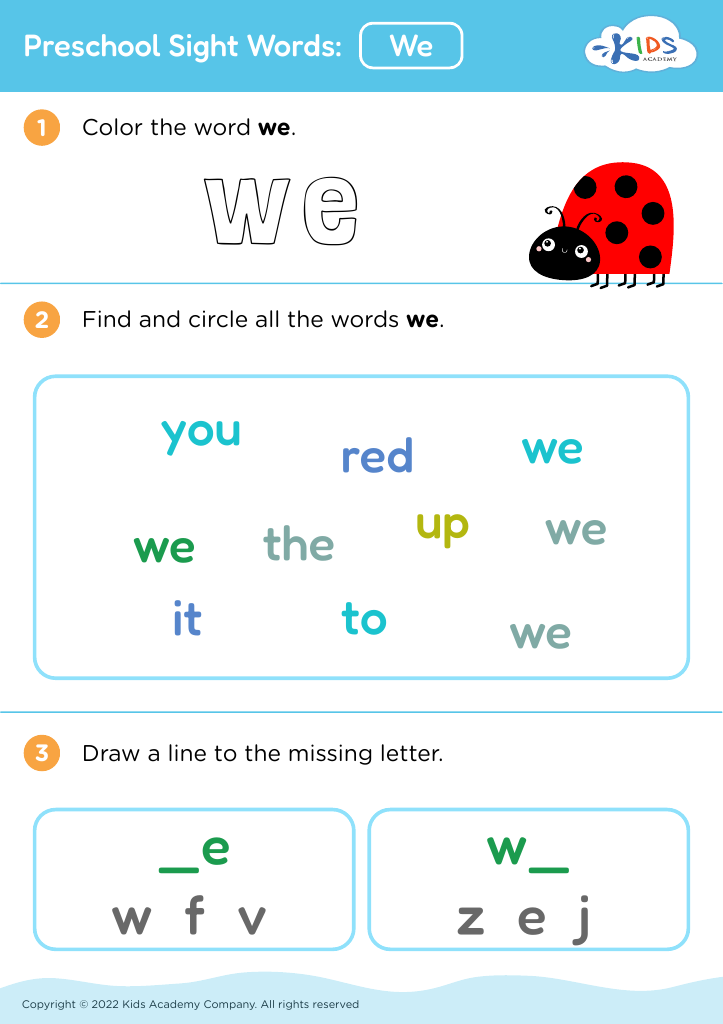
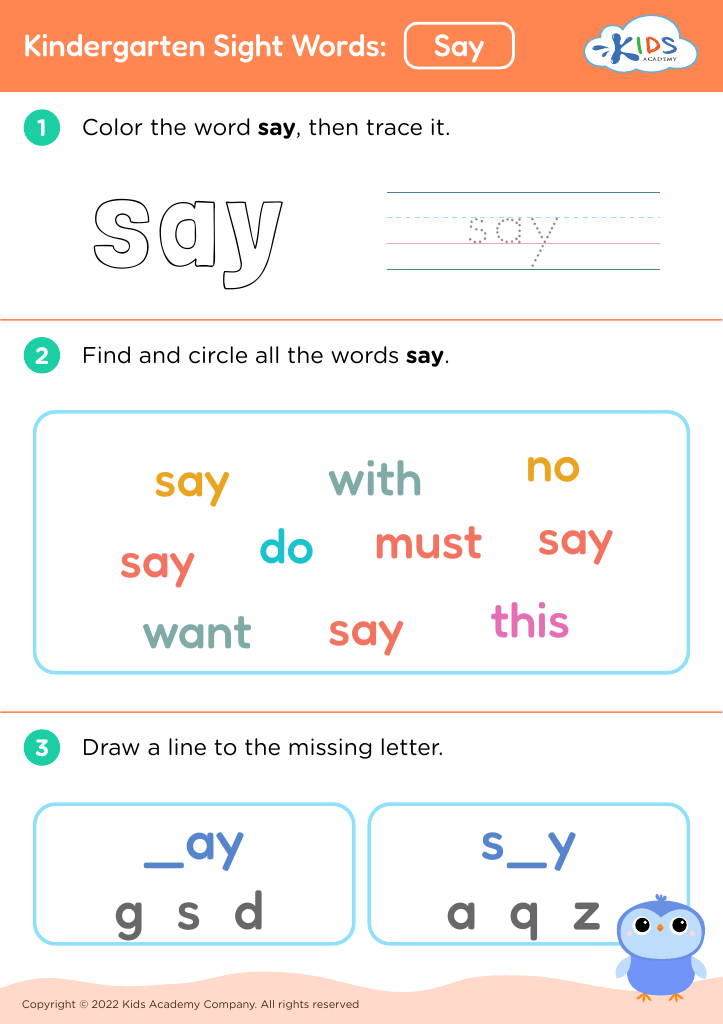
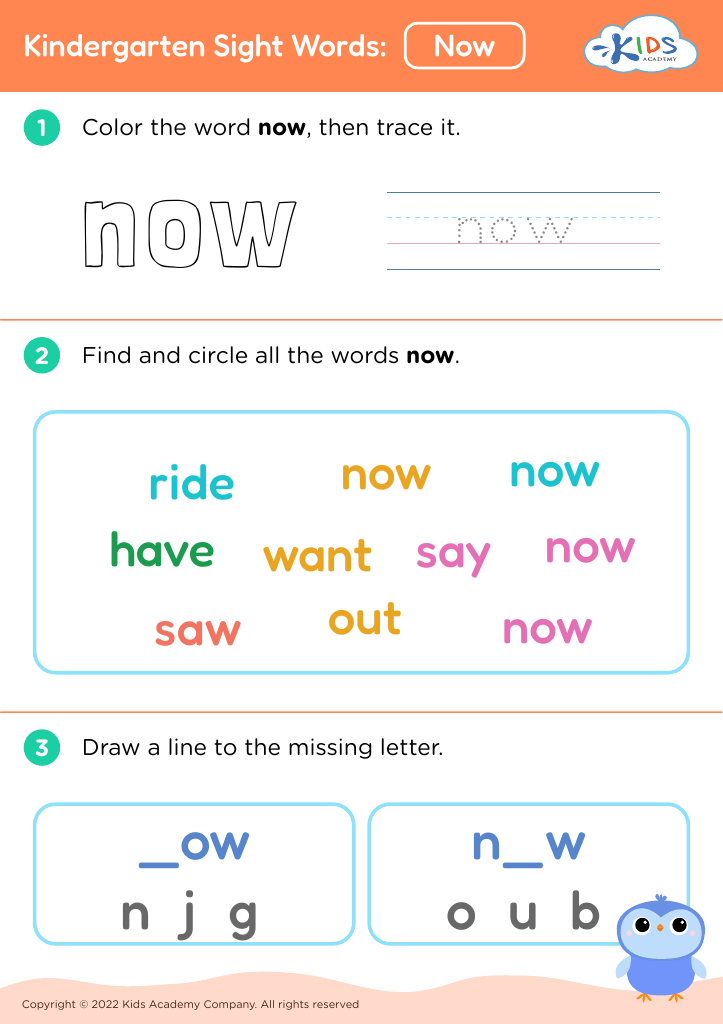
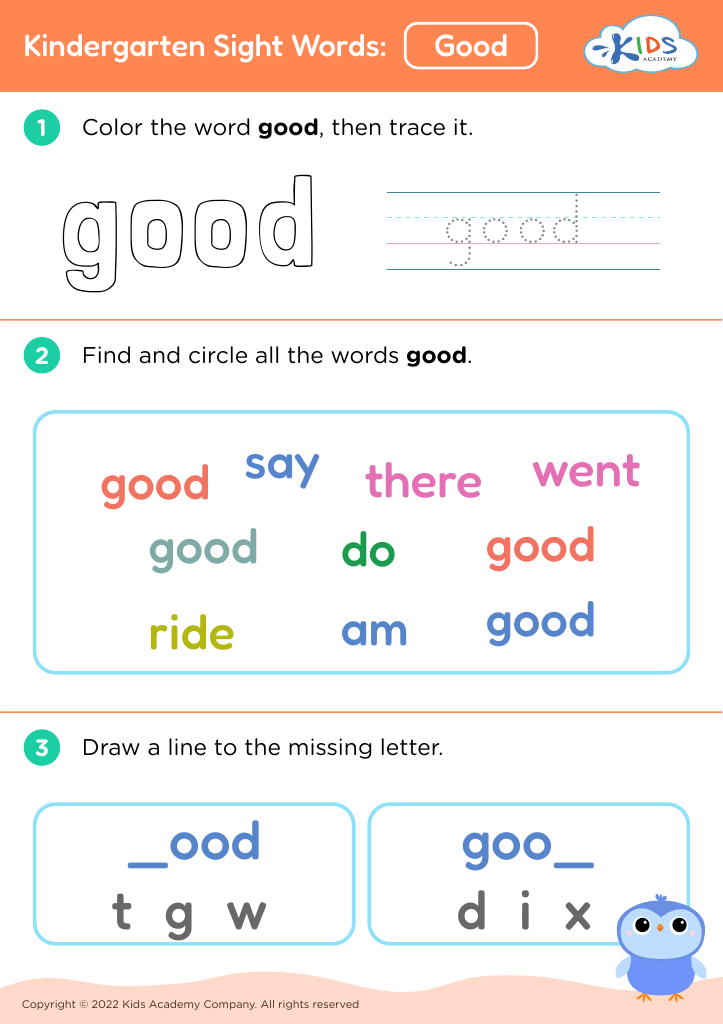
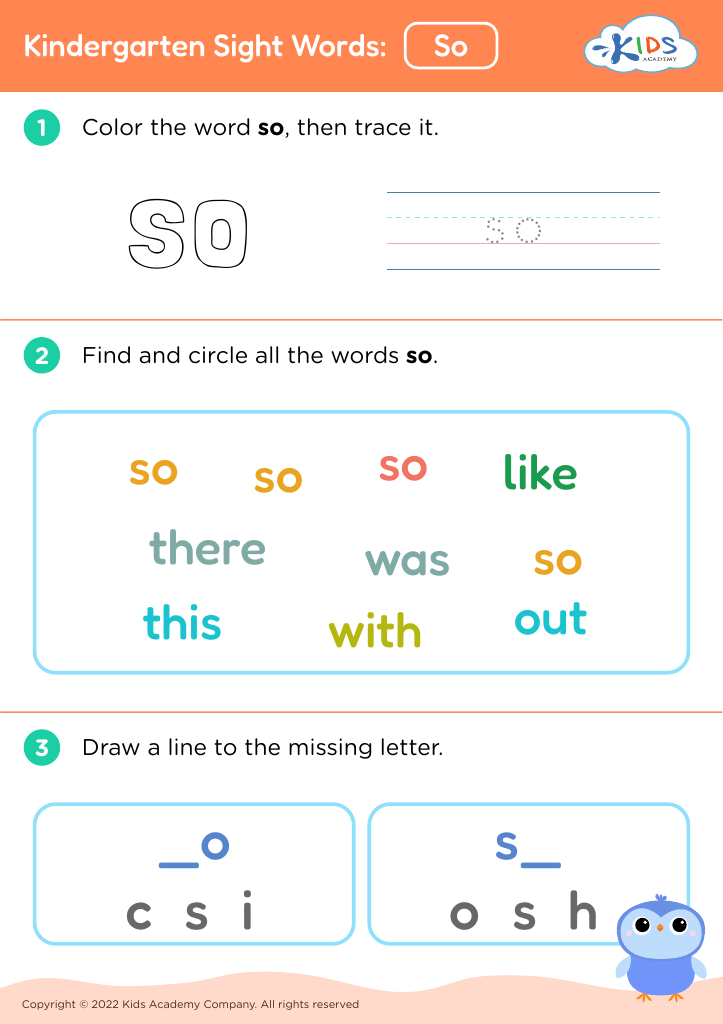
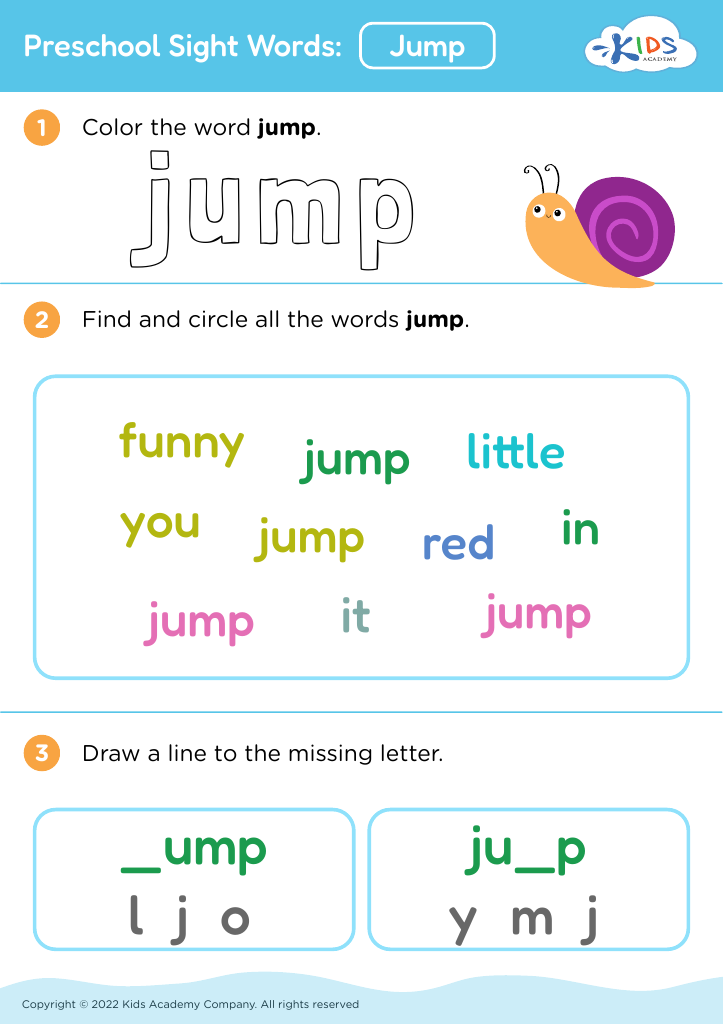
Our "Counting Skills Sight Words Worksheets" for 5-year-olds combine early literacy and math learning in engaging activities perfect for young learners. These worksheets help children recognize essential sight words while practicing counting, fostering a multi-faceted approach to education. Each activity is designed to enhance reading vocabulary alongside numerical skills, ensuring a well-rounded development. With colorful graphics and fun visuals, kids will enjoy learning while building their confidence in both counting and reading. Ideal for homeschooling or classroom settings, these worksheets provide a seamless way to integrate language and math in early education. Boost your child's skills with our interactive and fun worksheets!
Favorites
With answer key
Interactive







Join Kids Academy for Free
Who is primarily going to use this learning content?



.jpg)




Parents and teachers should prioritize counting skills and sight words for 5-year-olds because these foundational competencies lay the groundwork for a child's future learning. Counting skills are vital not just in mathematics but serve as a crucial cognitive development tool. They enhance a child's ability to recognize patterns, understand quantities, and grasp basic arithmetic, paving the way for more complex mathematical concepts later on. Engaging children in counting through play and everyday activities can make learning enjoyable and impactful.
Similarly, sight words—common words that children should recognize instantly—are essential for developing reading fluency. Recognizing sight words allows children to read simple texts more confidently, reducing frustration and boosting their enthusiasm for literacy. As children build their vocabulary through sight words, they also improve comprehension skills, which are critical for understanding more complex narratives as they advance in reading.
Furthermore, these skills foster a sense of achievement in young learners. When children master counting and sight words, their self-esteem flourishes, encouraging a lifelong love for learning. By actively supporting the development of these skills, parents and teachers directly contribute to preparing children for academic success and a strong foundation for their educational journey.