Fraction comparison Sight Words Worksheets for 5-Year-Olds
7 filtered results
-
From - To
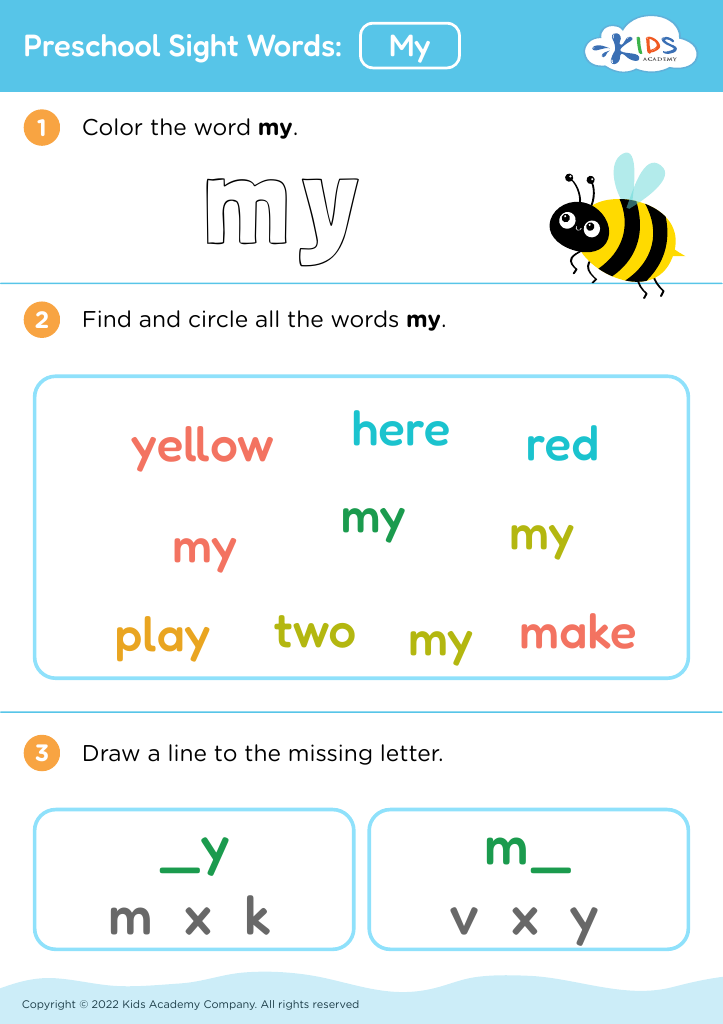
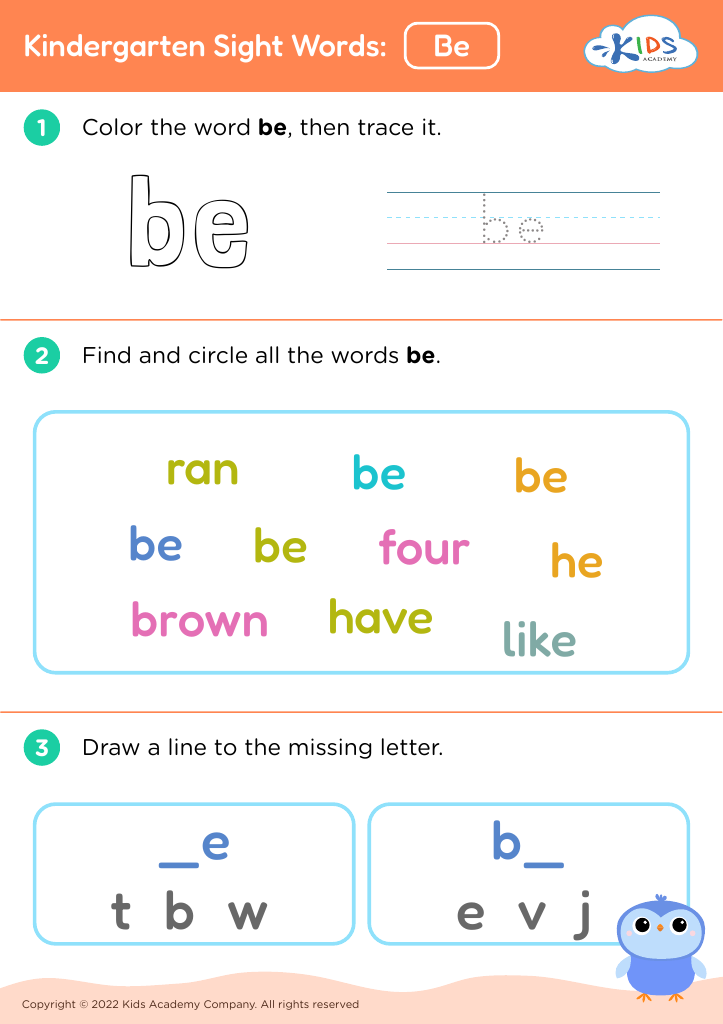
Discover our engaging Fraction Comparison Sight Words Worksheets for 5-year-olds! Designed to make learning fun, these worksheets combine essential sight word recognition with foundational math skills in fractions. Our colorful, interactive exercises help young learners explore fraction concepts while reinforcing their reading abilities. Kids will enjoy identifying and comparing various fractions through simple visuals and relatable contexts. Perfect for home or classroom use, these materials promote early numeracy and literacy development, ensuring a well-rounded educational experience. Download our free worksheets today and watch your child's confidence soar as they master both sight words and fraction comparison skills!




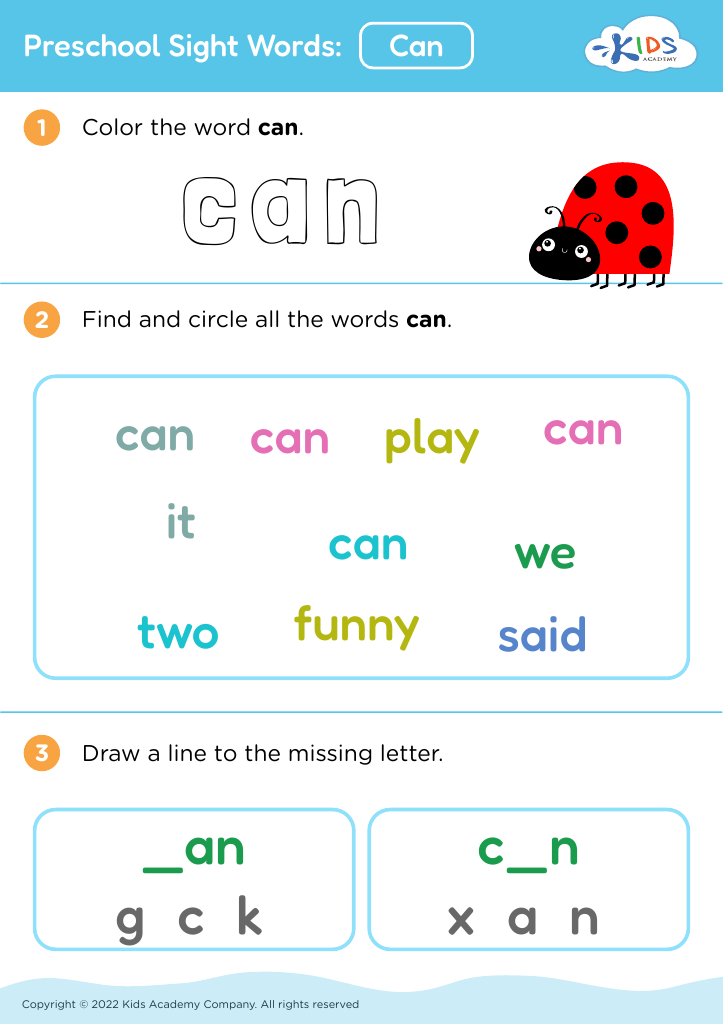
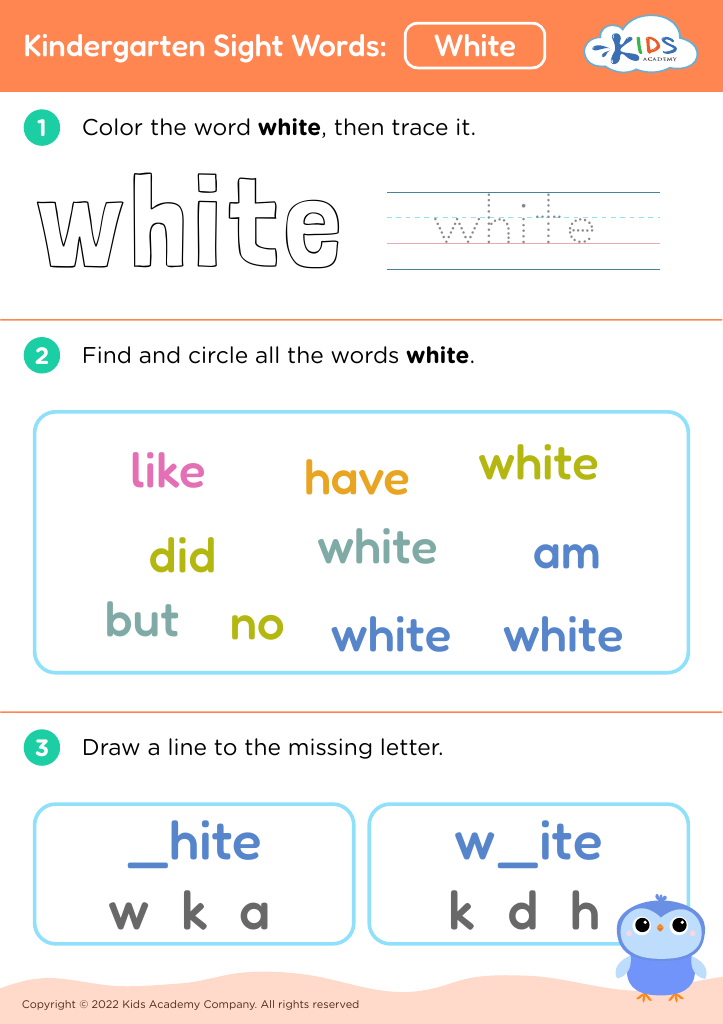
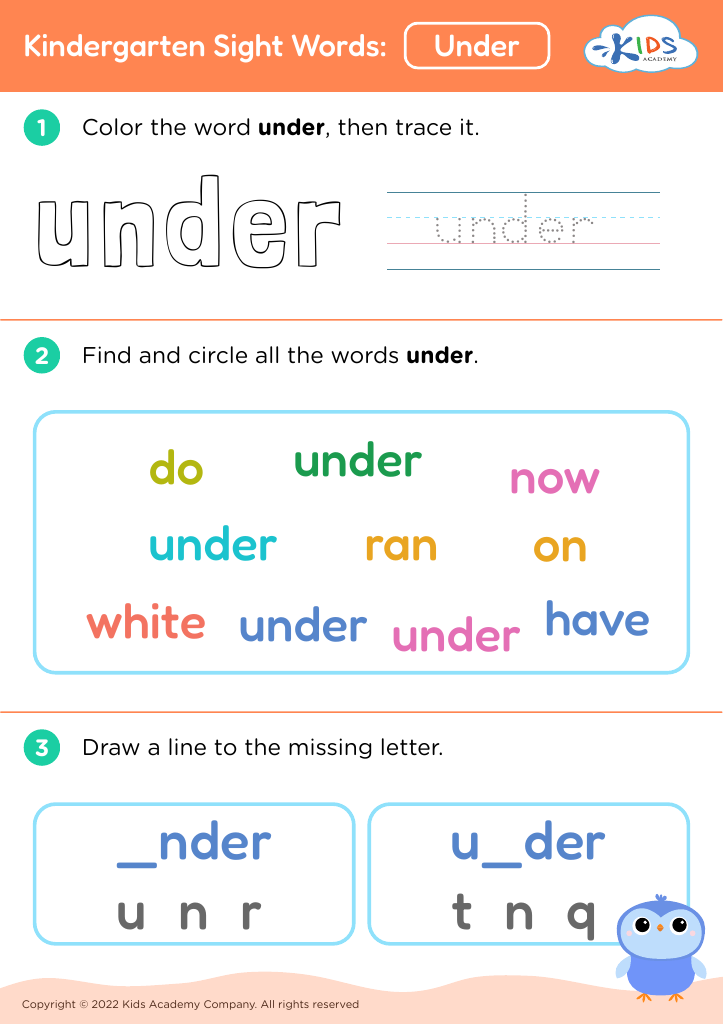
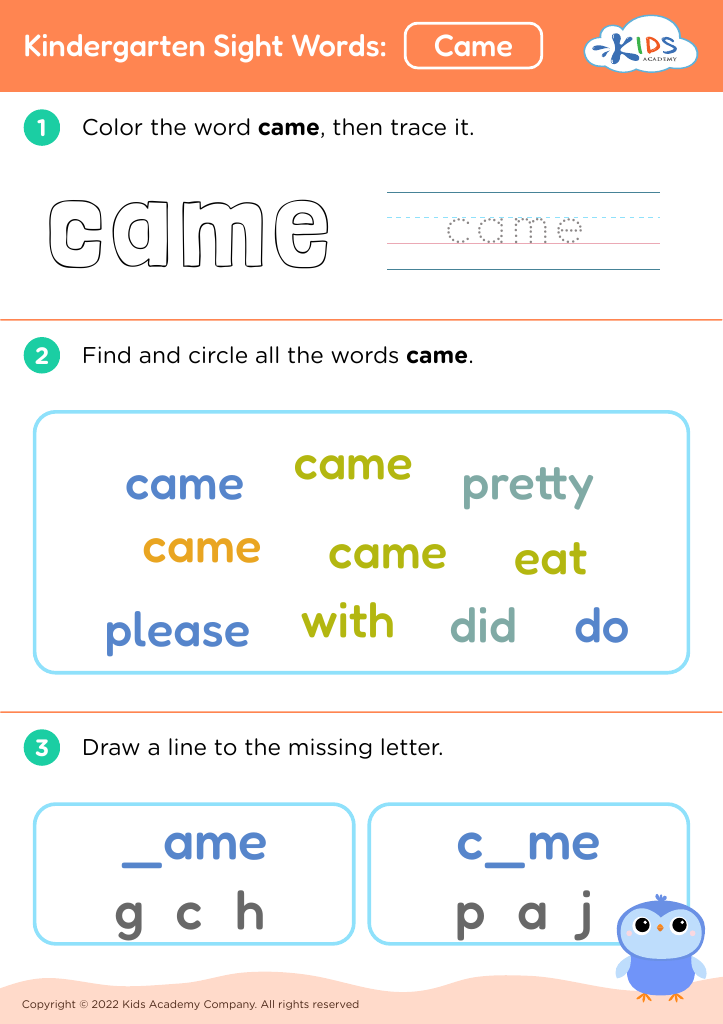






Fractions are foundational concepts in mathematics, and understanding them at an early age can significantly benefit a child's cognitive development. Teaching young children about fraction comparison using sight words promotes both mathematical reasoning and vocabulary growth. At the age of 5, children are ready to explore basic mathematical concepts, and integrating sight words into this learning can help solidify their understanding in a playful and engaging manner.
When children learn to compare fractions using familiar terms, they link vocabulary with quantitative concepts. For instance, associating words like "half," "third," or "quarter" with visual representations helps them grasp size differences intuitively. This foundational understanding prepares them for more complex math concepts in later grades.
Additionally, the integration of sight words into fraction learning fosters reading and comprehension skills. As they become comfortable identifying fractions by their name, children develop confidence in both math and literacy. Furthermore, fostering an environment where learning is interactive and integrates multiple domains—math, reading, and critical thinking—sets the stage for a holistic educational experience. Parents and teachers play vital roles in nurturing this curiosity and ensuring that children develop essential skills that will serve them throughout their educational journey.