Logical Reasoning Sight Words Worksheets for 5-Year-Olds
3 filtered results
-
From - To
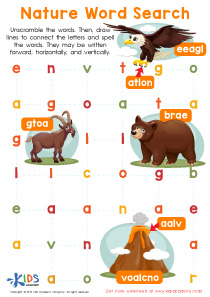
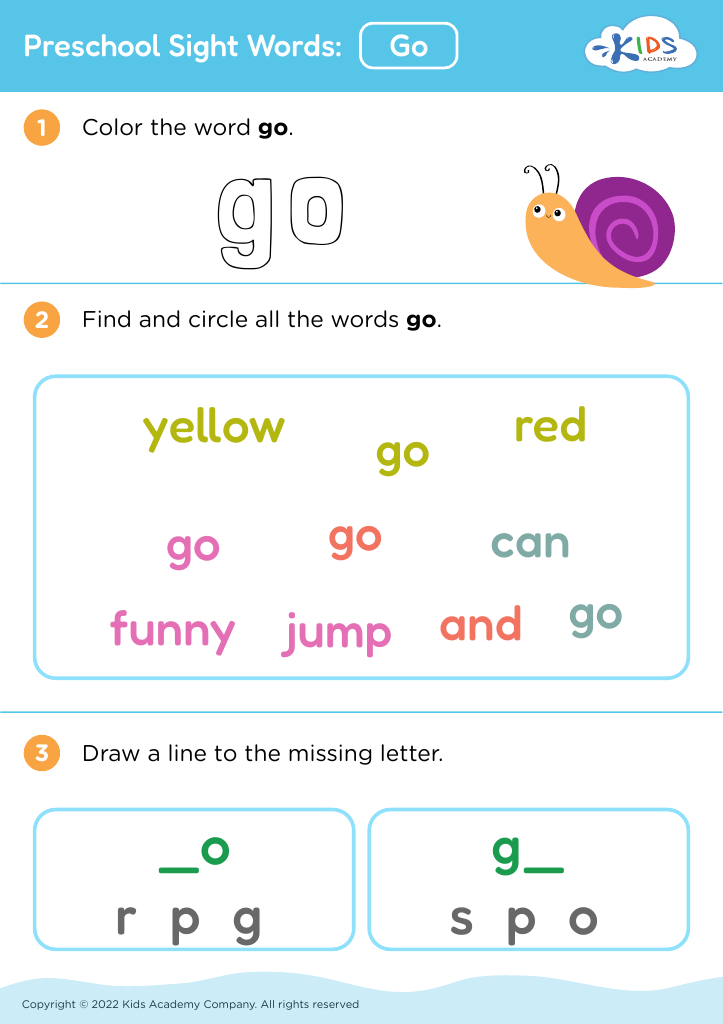
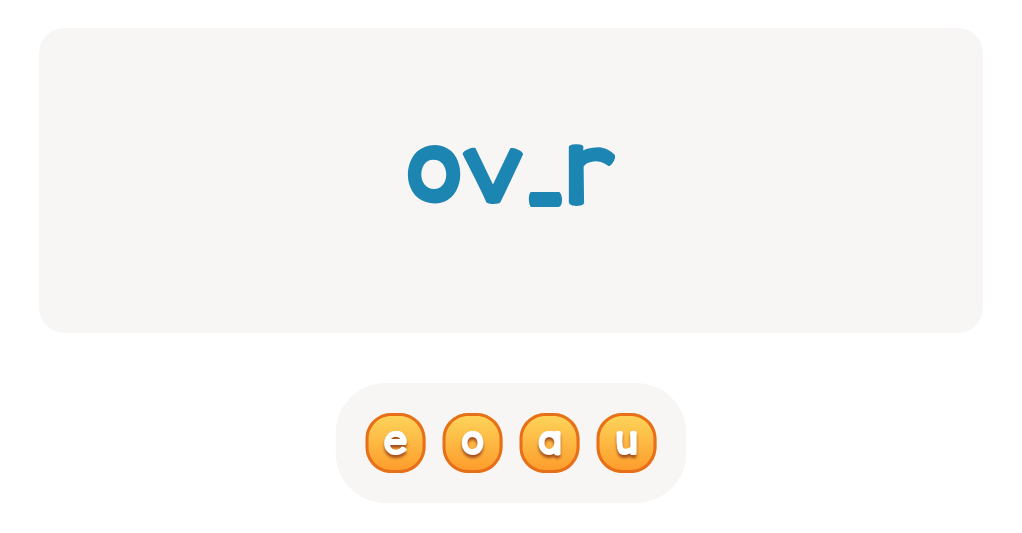
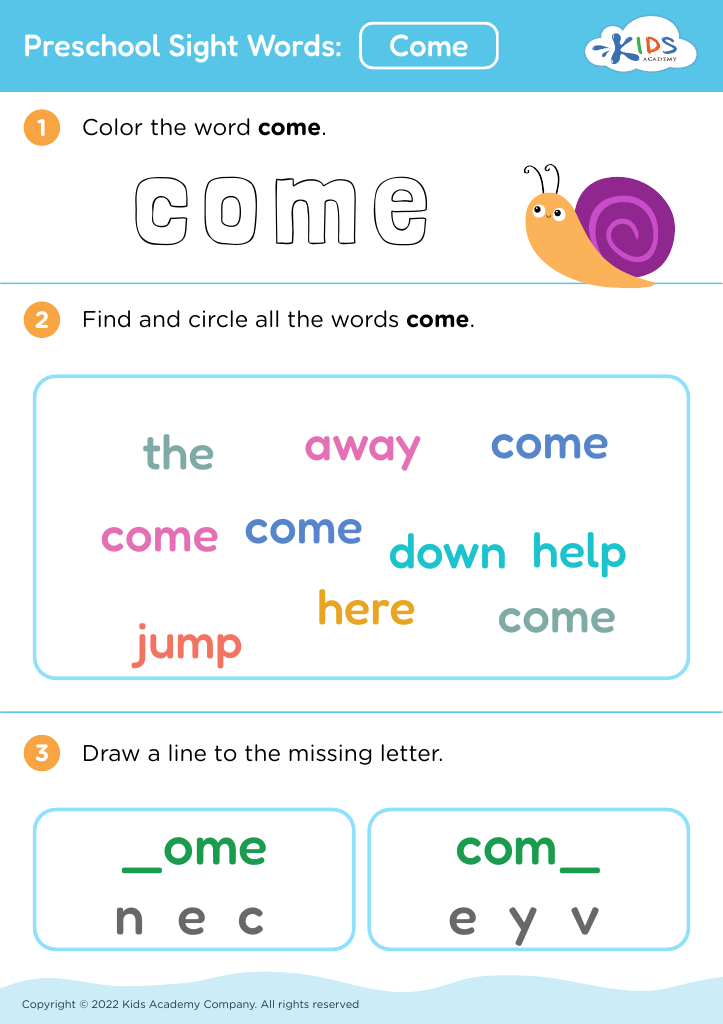
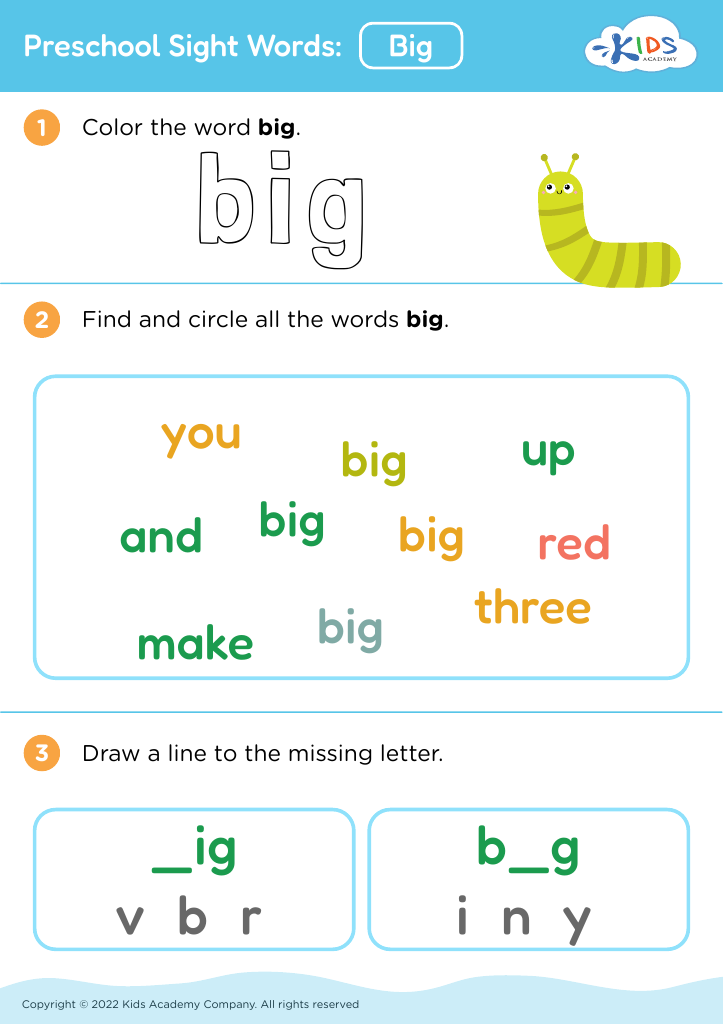
Enhance your 5-year-old's reading skills with our engaging Logical Reasoning Sight Words Worksheets! These worksheets not only introduce essential sight words but also promote critical thinking through fun, interactive exercises. Designed to foster logical reasoning, they encourage young learners to identify word patterns, categorize words, and connect concepts. Ideal for preschool and kindergarten classrooms or home learning, these worksheets support early literacy development while keeping children entertained. Help your little one build confidence in reading and comprehension with our thoughtfully created resources that make learning exciting and enjoyable. Download your free worksheets today and watch your child thrive!














Logical reasoning and sight words are crucial elements in a 5-year-old's early education that parents and teachers should prioritize. At this age, children are developing foundational skills essential for learning and communication. Logical reasoning helps children make sense of their world by enabling them to recognize patterns, understand relationships, and manipulate ideas in their minds. This skill fosters critical thinking, essential for problem-solving and decision-making throughout their lives.
Sight words, on the other hand, are commonly used words that children should recognize instantly to enhance their reading fluency. By learning sight words, young learners gain confidence in their reading abilities, which can lead to a greater love for books and learning. The integration of logical reasoning with sight word acquisition allows children to make connections between words and their meanings, which enriches vocabulary and comprehension.
Parents and teachers play a vital role in nurturing these abilities. Engaging children in activities that promote logical thinking—like puzzles and games—while also presenting sight words in fun, creative ways, creates a balanced approach to literacy. Supporting this development not only helps in academic performance but also lays a strong foundation for lifelong learning. By caring about these aspects, caregivers equip children with the tools necessary for success.