Filters

6 filtered results

Clear all filters
Favorites
With answer key
Interactive

6 filtered results

Difficulty Level

Grade


Welcome to our collection of Easy Upper & Lowercase Letters Worksheets designed specifically for children aged 4-7! These engaging and interactive worksheets make learning the alphabet a fun experience. Each activity encourages young learners to practice distinguishing between uppercase and lowercase letters through colorful illustrations and engaging exercises. Ideal for preschool and early learning environments, our worksheets promote essential skills in letter recognition and writing. Perfect for home or classroom use, they help children build confidence in their literacy abilities. Explore our variety of worksheets and watch your child's skills grow as they master the alphabet with ease!

Check out this FREE Trial Lesson on Upper & Lowercase Letters for age 4-7!

Review

Favorites
With answer key
Interactive
  • 4-7
  • With answer key
  • Upper & Lowercase Letters
  • Easy
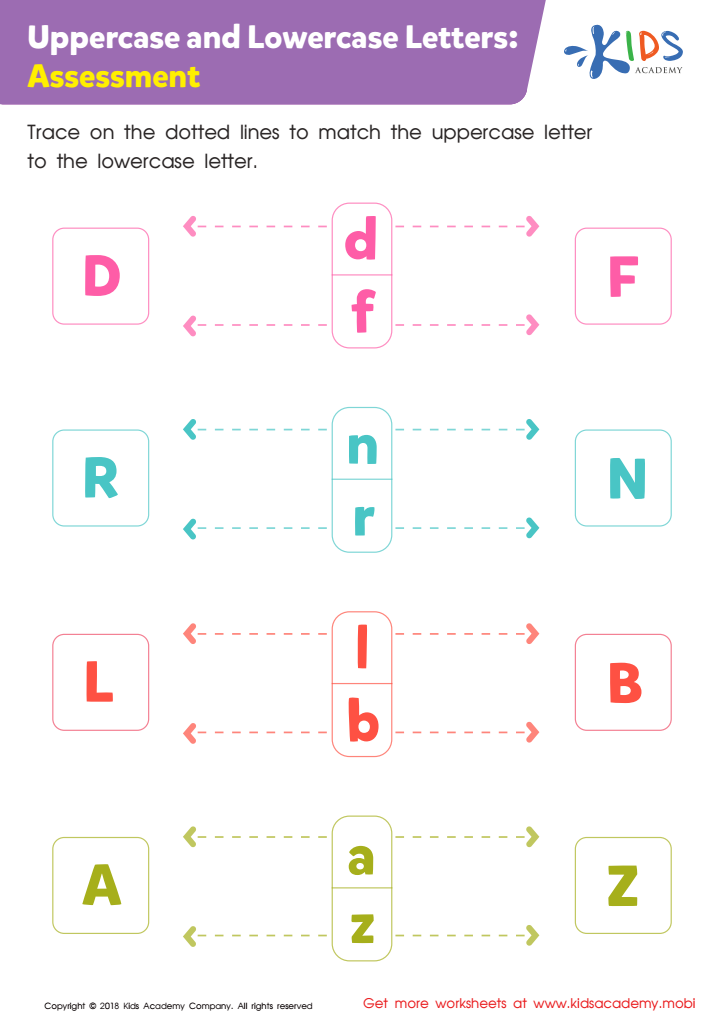
Uppercase and Lowercase Letters: Assessment Worksheet

Uppercase and Lowercase Letters: Assessment Worksheet

Assess your child's knowledge of upper- and lowercase letters with this worksheet. Have them trace the dotted lines to match the lowercase letters with their uppercase counterparts. This is a great way to gauge their progress and identify any areas of difficulty. Get a better understanding of your child's capabilities and encourage their development!
Uppercase and Lowercase Letters: Assessment Worksheet
Worksheet
Words with Sound L Reading Worksheet

Words with Sound L Reading Worksheet

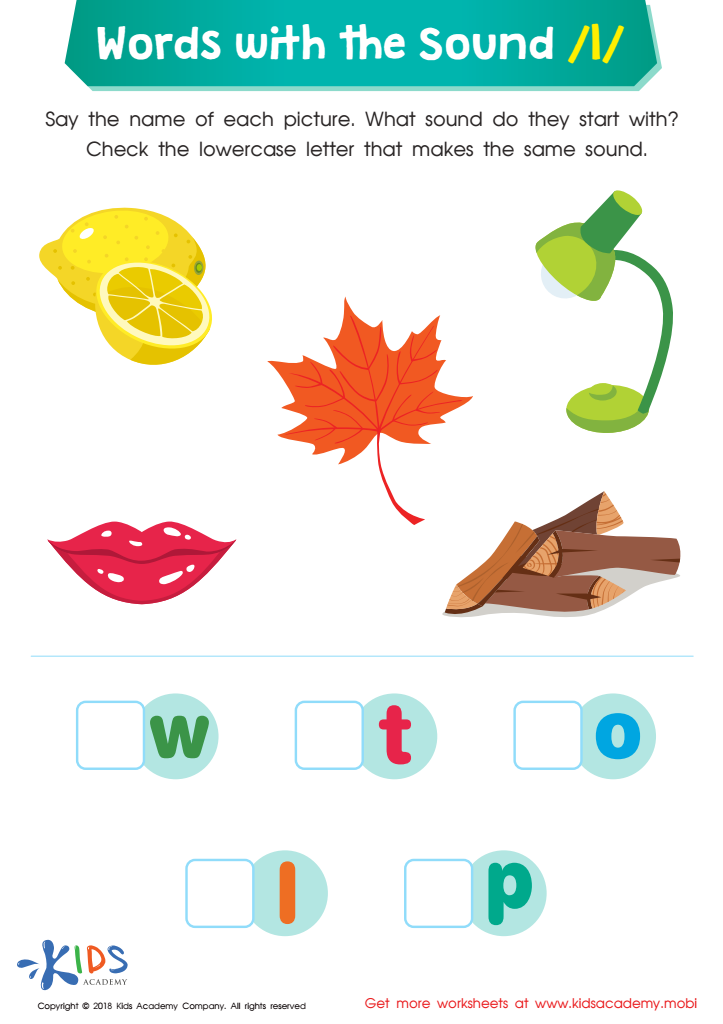
This PDF worksheet is great for helping emerging readers isolate initial sounds. Kids name familiar pictures, then identify the correct letter for the "l" sound. This worksheet strengthens fine motor skills, plus builds visual discernment. It's fun and colorful too!
Words with Sound L Reading Worksheet
Worksheet
Capitalization Key Worksheet Preview

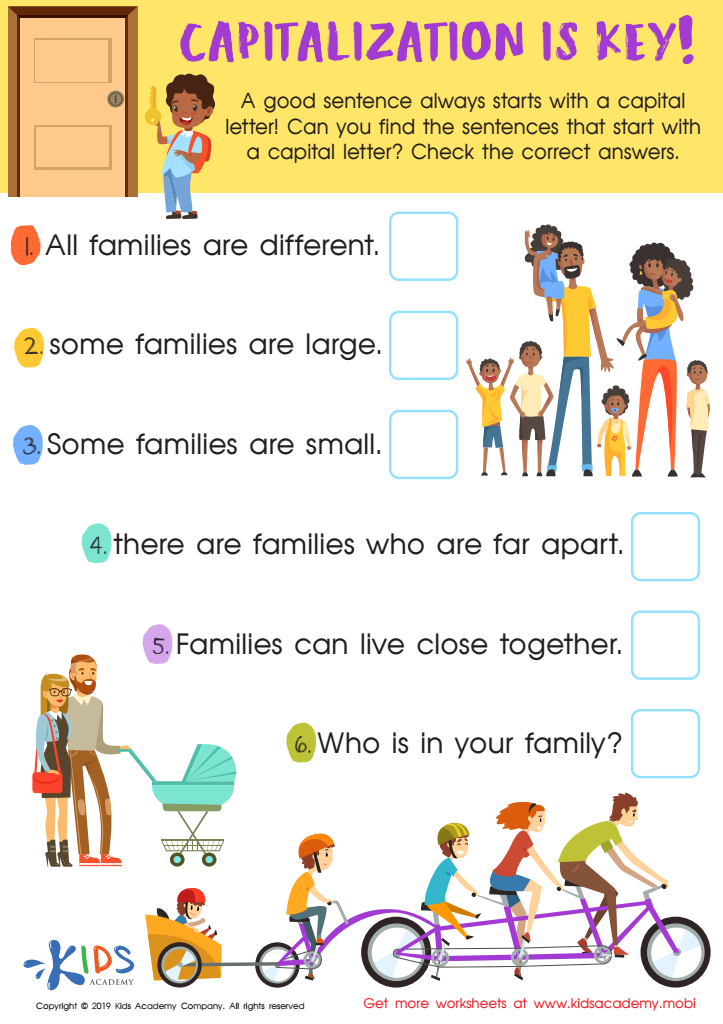
Capitalization Key Worksheet

Help your kids learn the importance of capitalizing at the start of sentences with this fun PDF! It features 6 family-themed sentences, with pictures, that your students have to find the correctly capitalized versions of. Perfect for young learners, this worksheet adds a fun twist to learning.
Capitalization Key Worksheet
Worksheet
Fix Capital Letters Worksheet

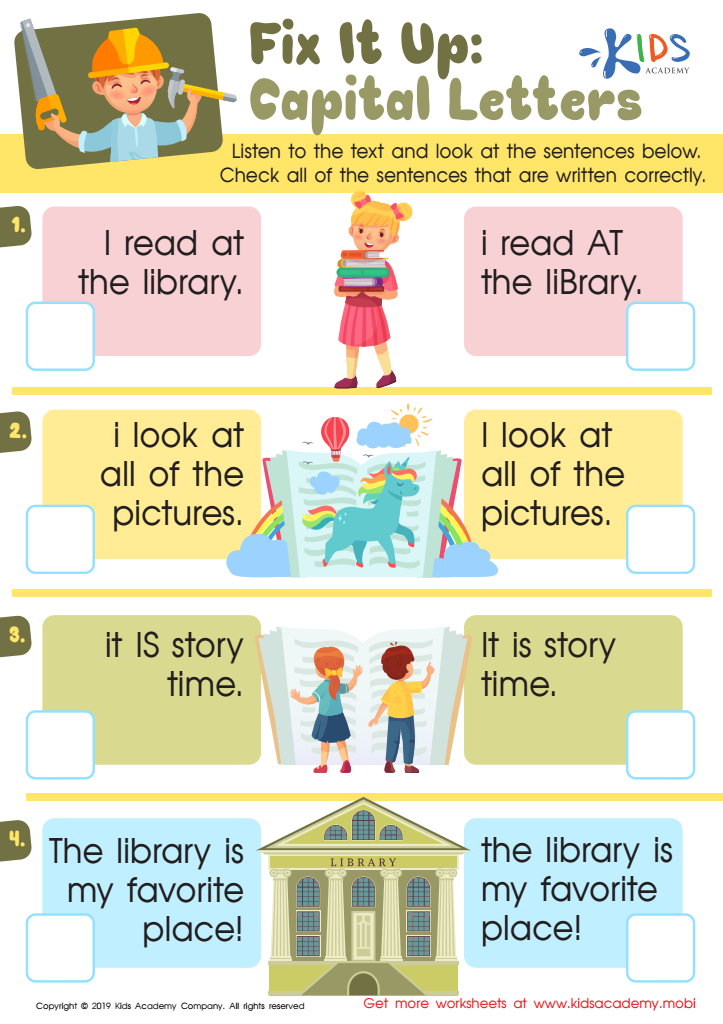
Fix Capital Letters Worksheet

Put on your hardhats and get out the tools - it's time to do some repair work! Have your child identify sentences written with proper capitalization on this fun and colorful worksheet. Ask more advanced students to rewrite incorrect sentences correctly - it'll help them understand letter case better.
Fix Capital Letters Worksheet
Worksheet
How to Capitalize Worksheet Preview

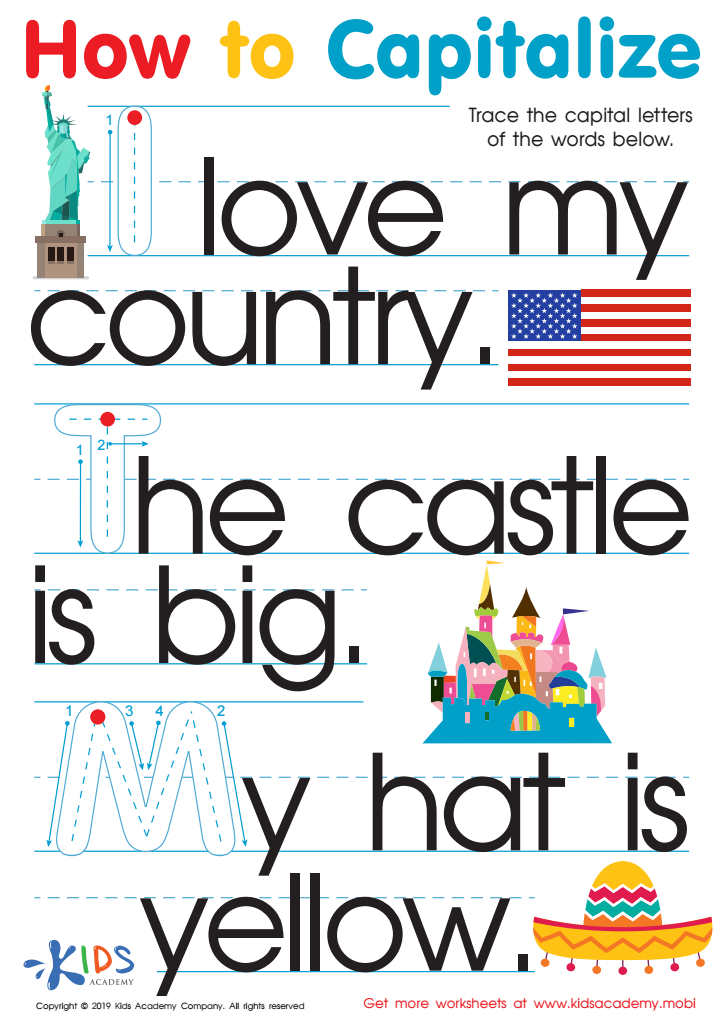
How to Capitalize Worksheet

Capitalizing letters is important in English. This worksheet will help your child learn how to write them. Words such as "the" and "I" will be covered, with visuals such as the Statue of Liberty, the American Flag, a castle, and a sombrero. The "How to Capitalize" PDF is a great way to sharpen your child's writing and aid their success!
How to Capitalize Worksheet
Worksheet
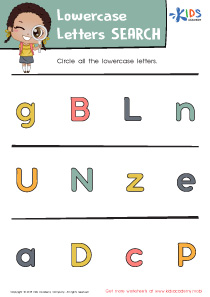
Lowercase Letters Search: Assessment Worksheet


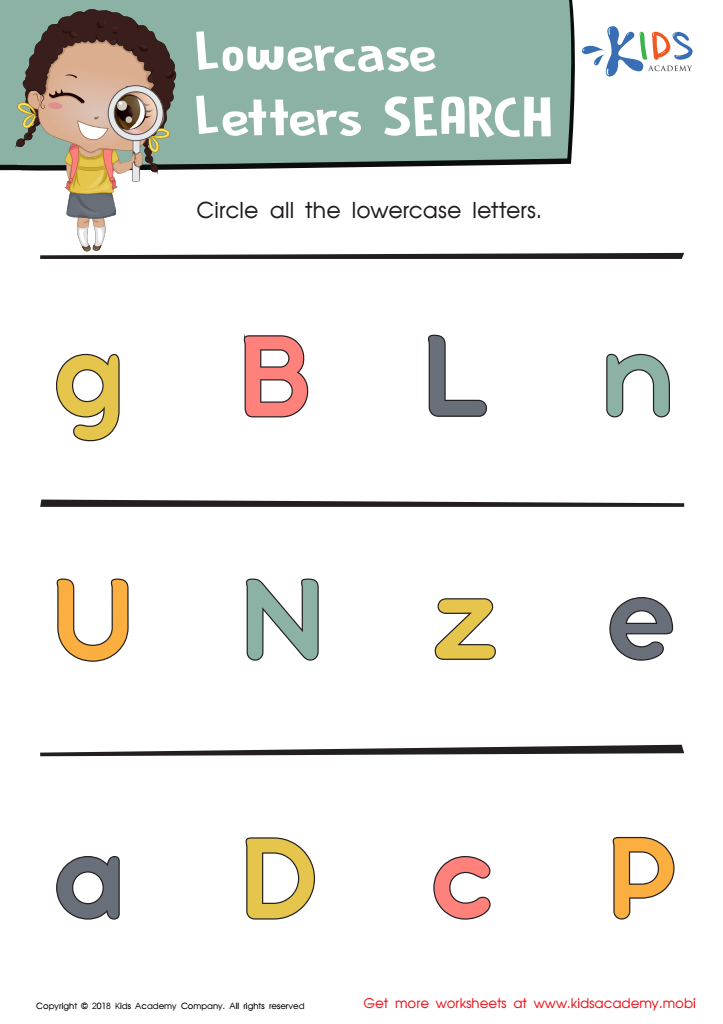
Lowercase Letters Search: Assessment Worksheet

Circle all the lowercase letters in this worksheet. Identify them among a mix of uppercase and lowercase letters. Your child will have fun with this exercise thanks to its bright primary colors. Enjoyment and learning go hand-in-hand!
Lowercase Letters Search: Assessment Worksheet

Worksheet


Easy Upper & Lowercase Letters is vital for children aged 4-7 as it establishes a strong foundation for literacy and communication skills. During this critical period, children are developing their ability to recognize, differentiate, and reproduce letters, which is essential for reading and writing. Mastery of both uppercase and lowercase letters enhances vocabulary and spelling, enabling children to express themselves more effectively.

Engaging with letter recognition activities can stimulate cognitive development, improving memory and concentration. Activities that incorporate games, songs, and hands-on materials cater to diverse learning styles, making the learning process enjoyable and effective. This engagement promotes a positive attitude towards learning and fosters a lifelong love for reading.

Moreover, understanding letter forms is crucial for early literacy assessments and can identify areas where children might need additional support. This early intervention can mitigate future difficulties as they progress to more complex language concepts.

For teachers and parents, investing time in teaching easy uppercase and lowercase letters can have significant long-term benefits, nurturing confident readers and writers. By emphasizing the importance of foundational literacy skills, we empower children to reach their full potential in educational settings and beyond.