Handwriting practice Easy Letter Recognition Worksheets for Ages 3-4
3 filtered results
-
From - To
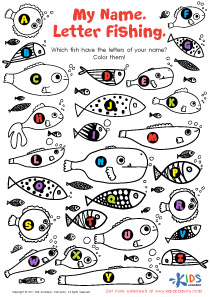
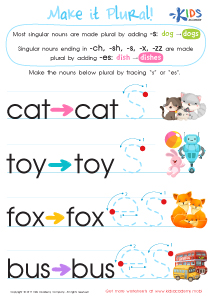
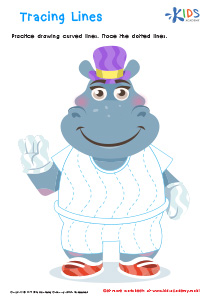
Discover our engaging Handwriting Practice and Easy Letter Recognition Worksheets designed for children ages 3-4. These carefully crafted resources offer a fun and interactive way for young learners to develop crucial pre-writing skills and enhance their letter recognition. Each worksheet features vibrant illustrations and clear, traceable letters, making it easy for kids to follow along and practice writing. Ideal for parents and educators alike, these printable activities promote fine motor skills and foster confidence in early writing abilities. Get your little ones excited about learning with our easy-to-use handwriting worksheets that turn practice into play! Perfect for at-home learning or classroom use.
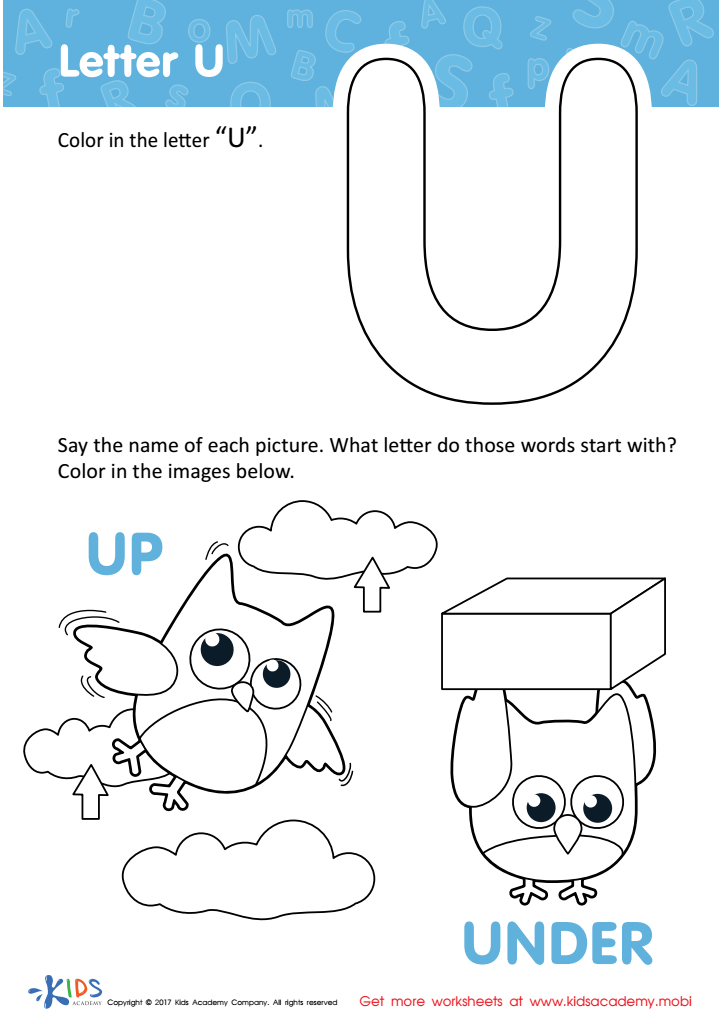
Letter U Coloring Sheet
 Assign to My Students
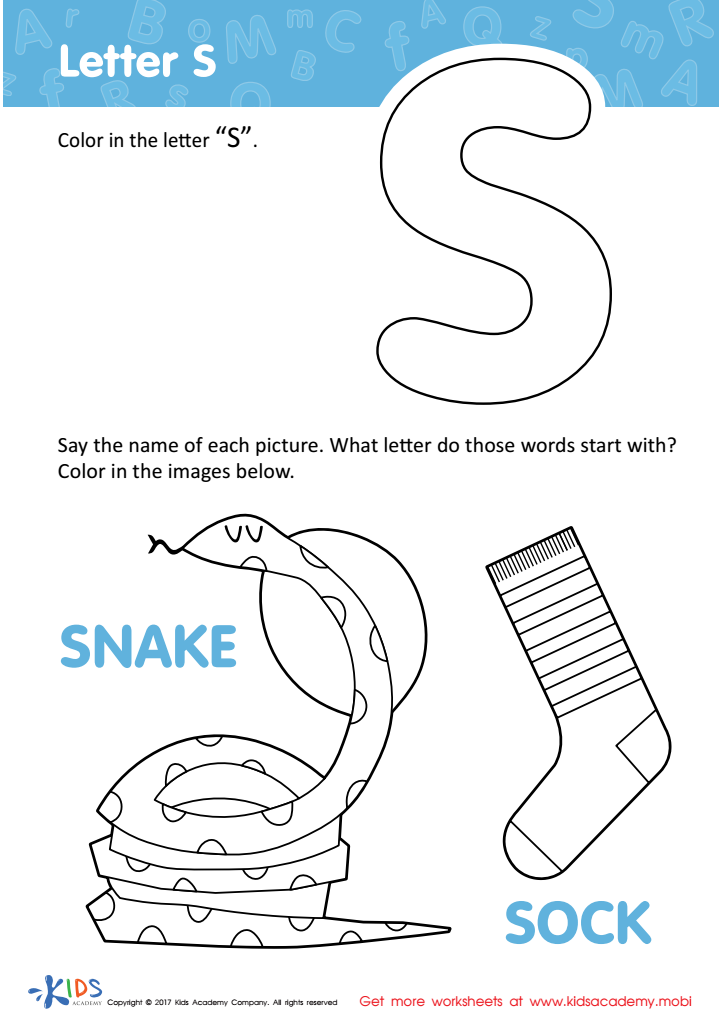
Letter S Coloring Sheet
Assign to My Students
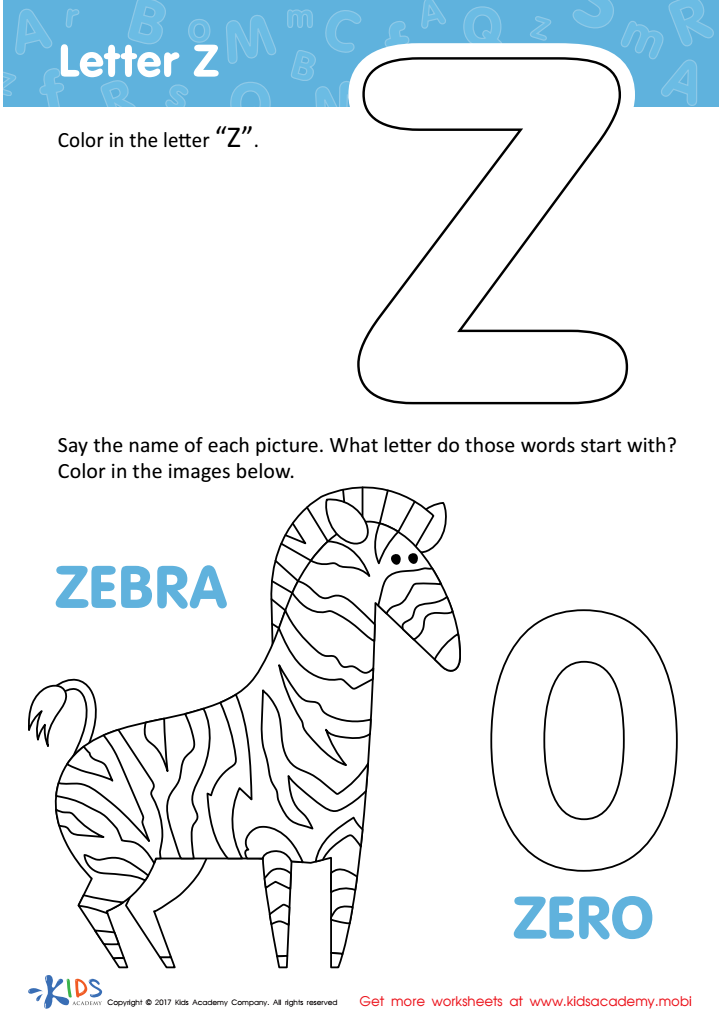
Letter Z Coloring Sheet
Assign to My Students








Handwriting practice and easy letter recognition are crucial for children aged 3-4 as they lay the foundational skills for future literacy and communication. At this age, children are highly receptive to learning and developing fine motor skills, which are essential for writing. Engaging in handwriting practice helps improve their hand-eye coordination and dexterity, allowing them to grip writing instruments correctly, which is vital for their overall motor development.
Additionally, letter recognition fosters early literacy skills. By introducing children to letters through playful activities—like coloring, tracing, or using letter blocks—they become familiar with shapes and sounds, which enhances their phonemic awareness. This is essential for later learning how to read and write.
Moreover, engaging parents and teachers in these activities creates a supportive learning environment. It encourages interaction and creates shared experiences that boost a child's confidence and joy in learning. As children develop these skills, they begin to express themselves more clearly, paving the way for effective communication in their academic journey. Emphasizing handwriting and letter recognition at a young age not only supports cognitive development but also nurtures creativity and self-expression, setting the stage for their lifelong learning adventures.