Capitalization rules Easy Upper & Lowercase Letters Worksheets for Ages 3-4
3 filtered results
-
From - To
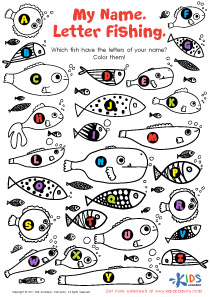
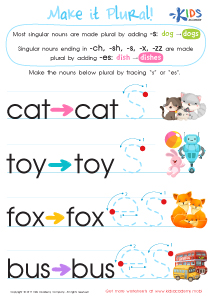
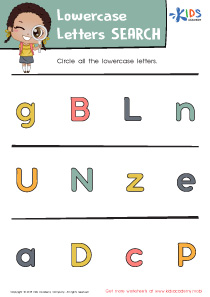
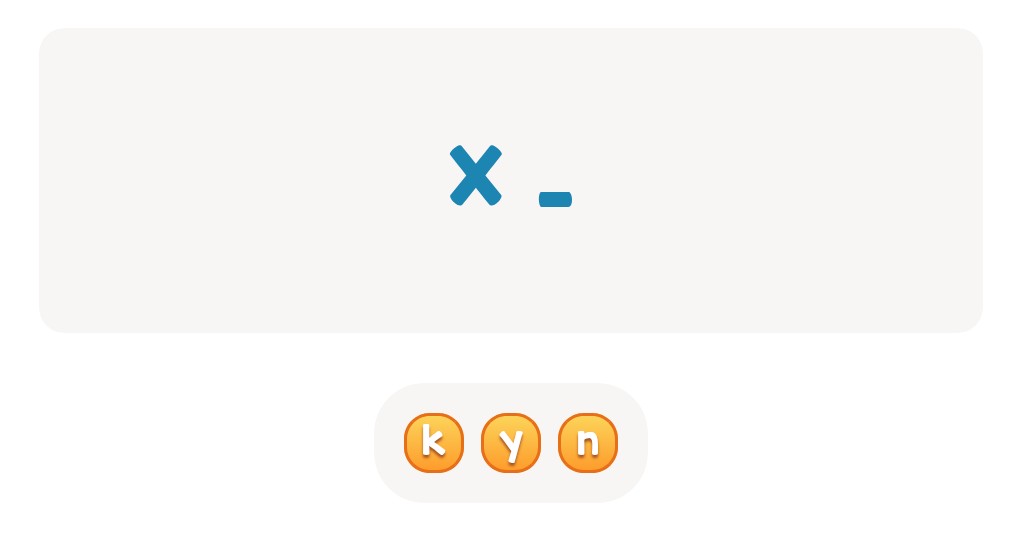
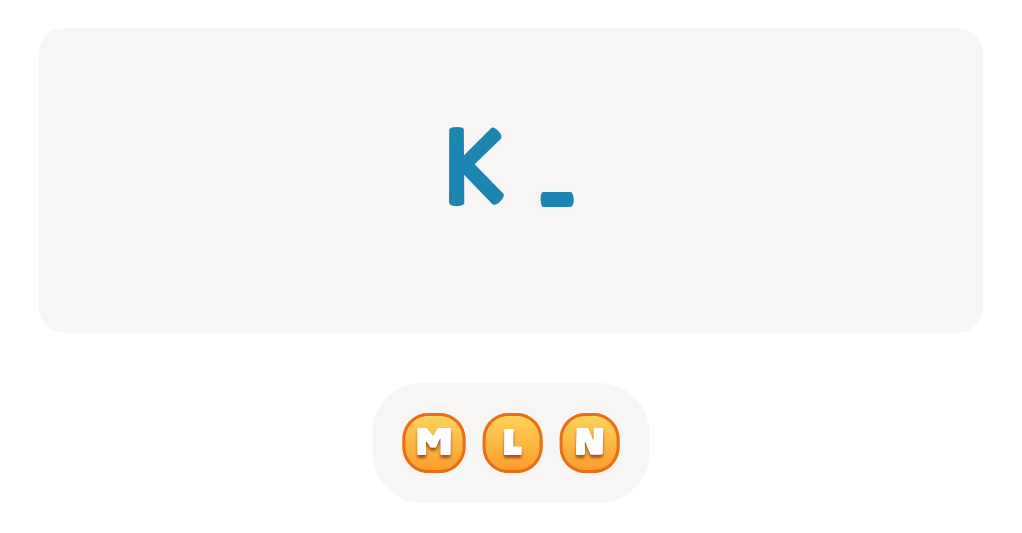
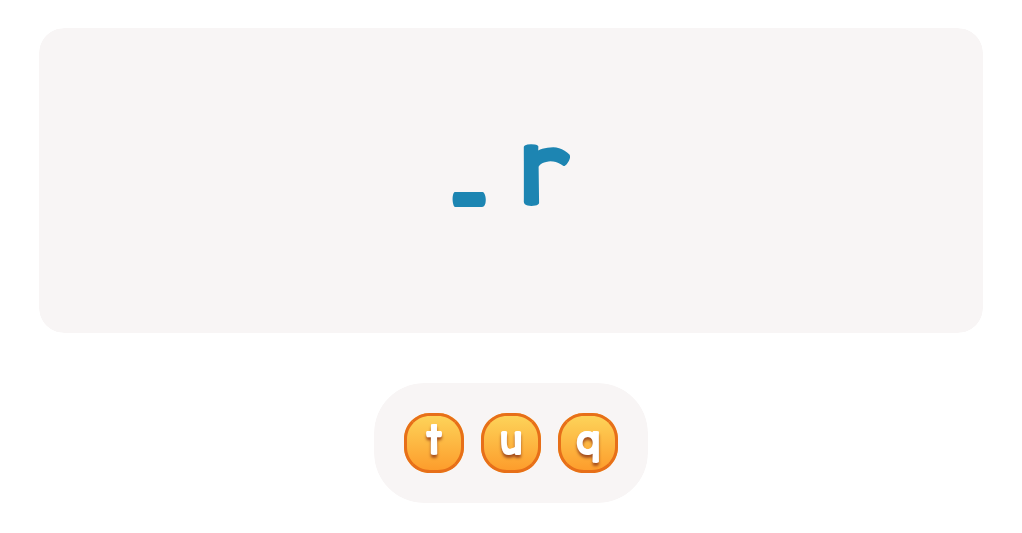
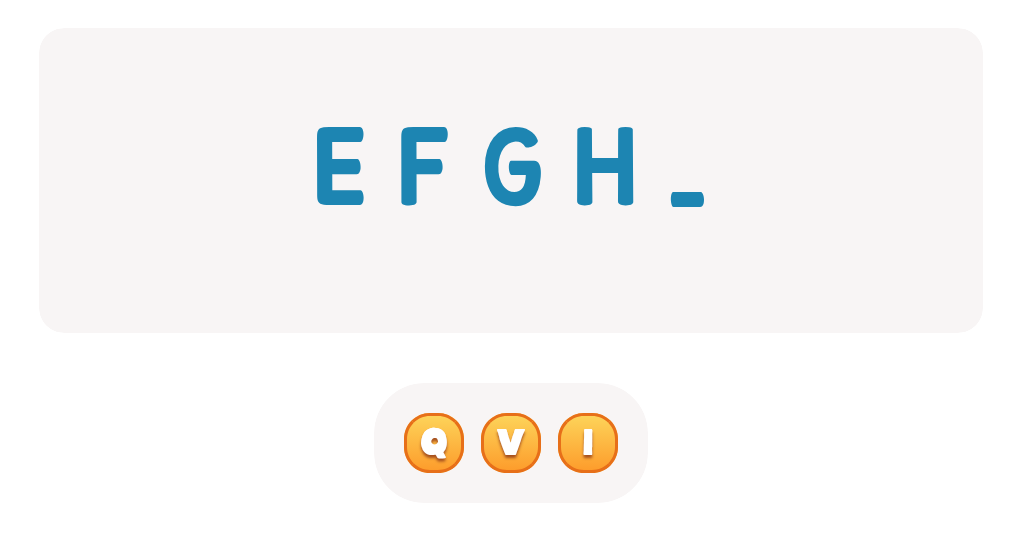
Explore our engaging "Capitalization Rules: Easy Upper & Lowercase Letters Worksheets" designed for children ages 3-4! These worksheets introduce young learners to essential capitalization concepts in a fun and accessible way. Featuring vibrant illustrations and interactive activities, kids will develop their understanding of when to use uppercase and lowercase letters. Perfect for preschool education, these printable resources help boost early literacy skills while encouraging creativity and critical thinking. Little ones will enjoy tracing, coloring, and practicing their letter recognition—all essential for a solid language foundation. Start your child's journey to reading readiness with our delightful worksheets today!
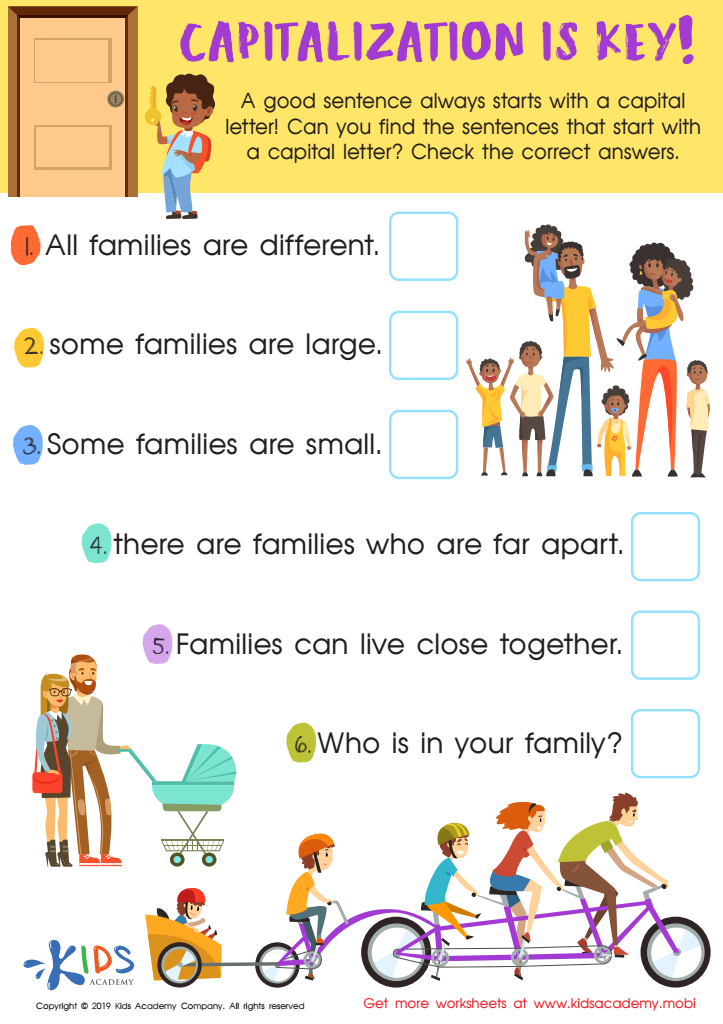
Capitalization Key Worksheet
 Assign to My Students
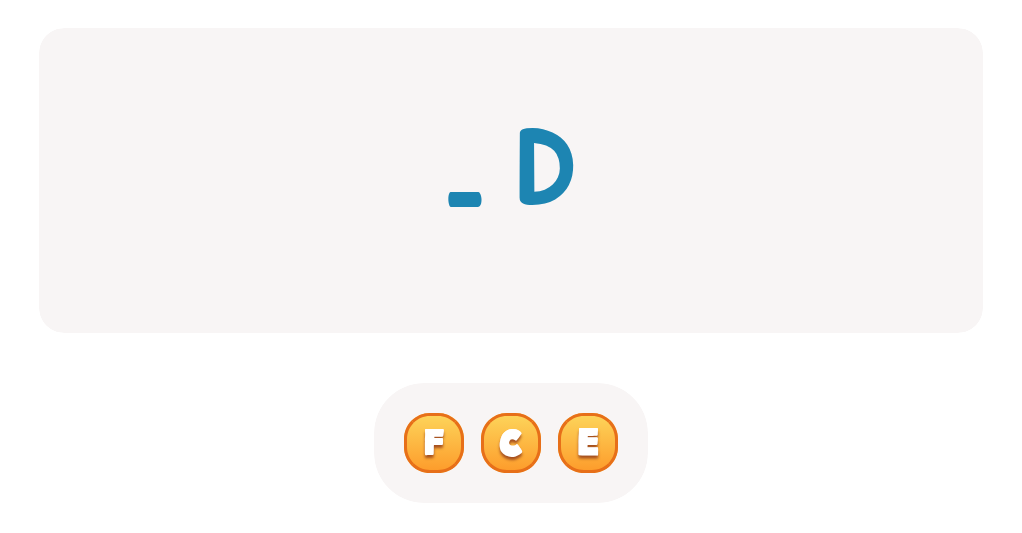

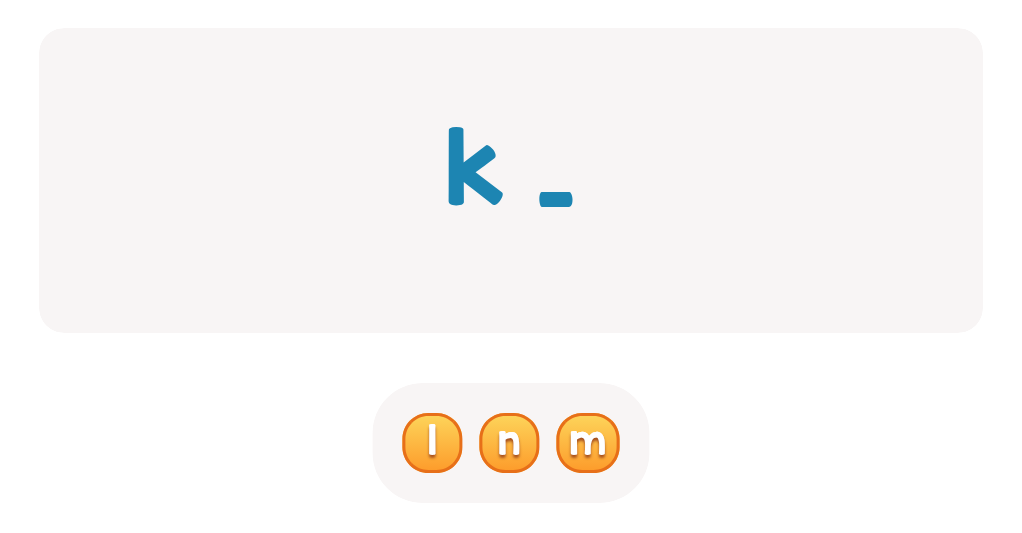
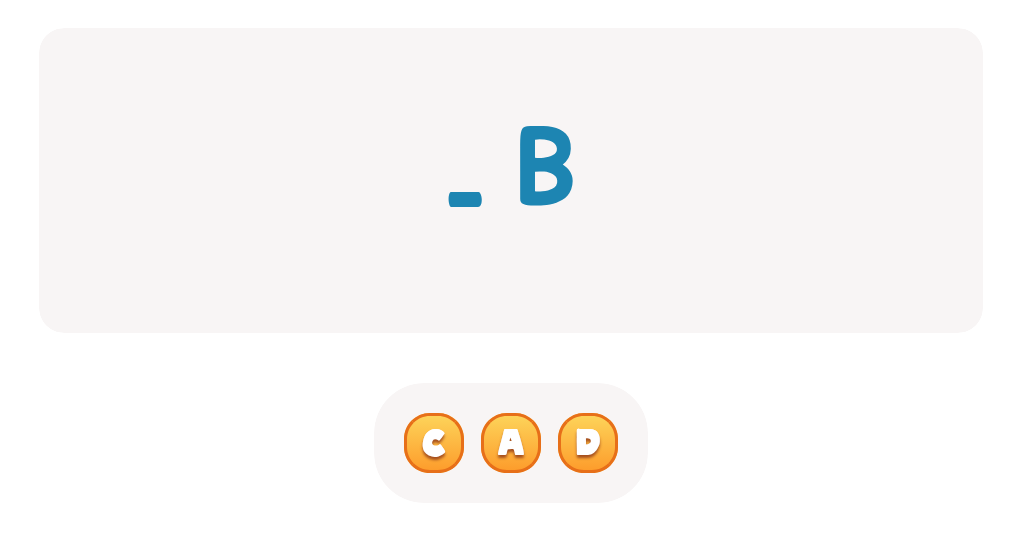
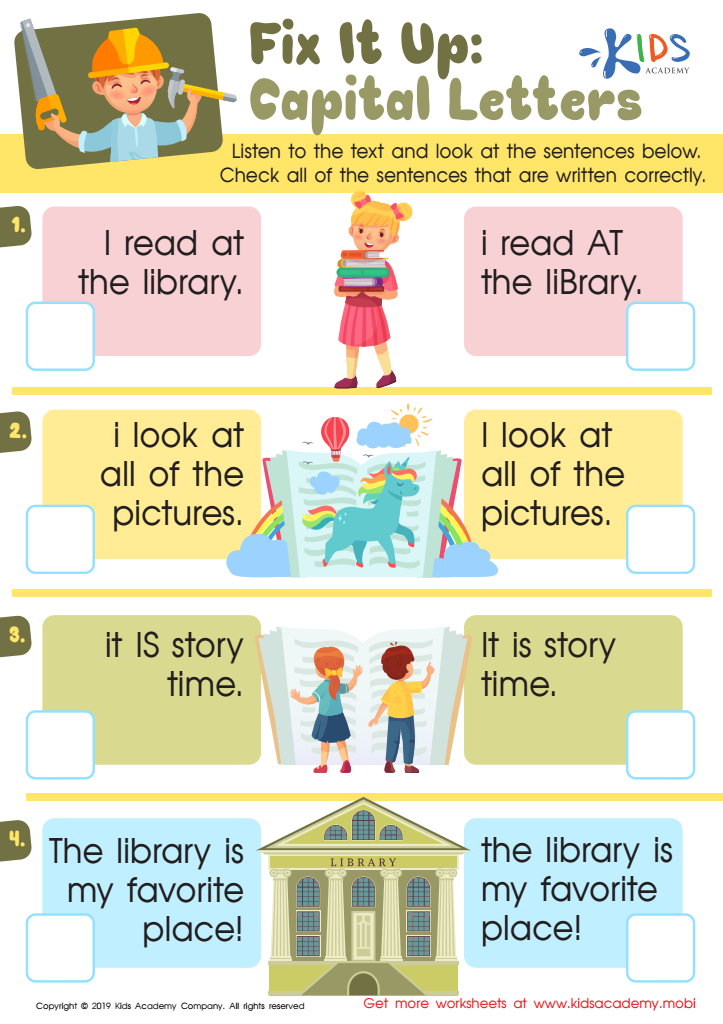
Fix Capital Letters Worksheet
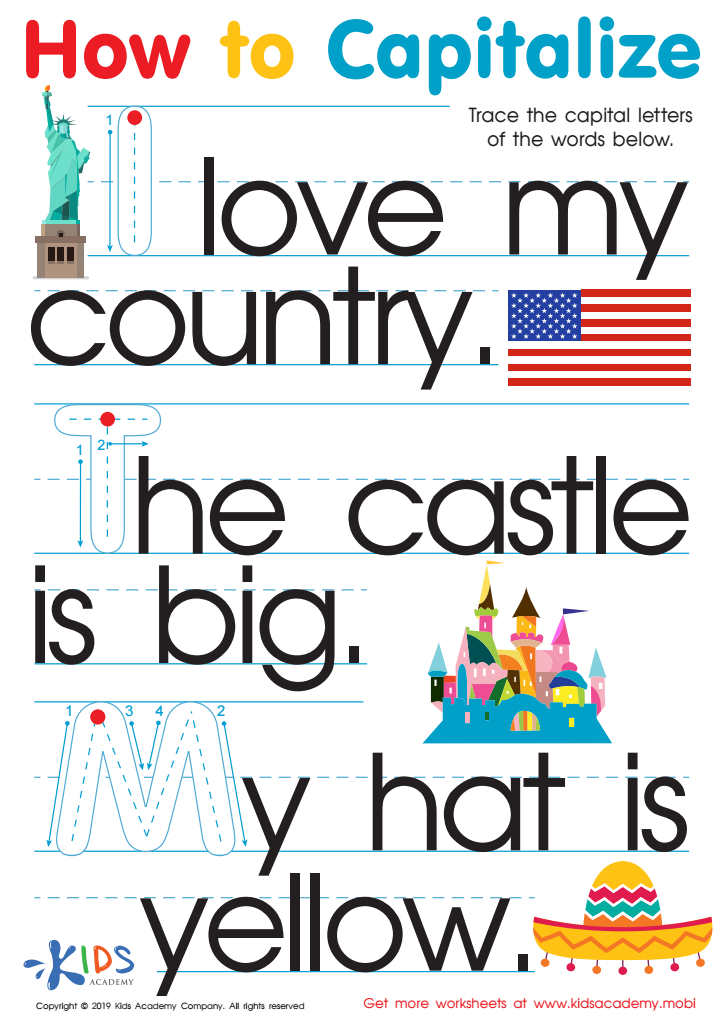
How to Capitalize Worksheet






Teaching capitalization rules and the distinction between uppercase and lowercase letters to preschoolers aged 3-4 is crucial for their early literacy development. At this foundational stage, children are beginning to recognize and form letters, and introducing them to the concept of capitalization helps contextualize how written language works. Understanding that certain words, like names and the beginning of sentences, start with an uppercase letter enriches their vocabulary and enhances comprehension.
Capitalization rules provide structure to their writing, promoting clarity in communication. When children learn that proper nouns and the first word in sentences are always capitalized, they gain a sense of organization in their written expression. Furthermore, this foundational knowledge can boost their confidence as they interact with written materials—whether reading books or writing their names.
Encouraging parents and educators to emphasize uppercase and lowercase letters also fosters an early appreciation for language arts, cultivating mindful readers and communicators. Introducing these concepts through playful activities, like drawing letters in sand or playful writing exercises, can make learning enjoyable. As children grasp these rules, they not only prepare for future schooling but also acquire essential skills that will benefit their overall academic and social development.