Sorting skills Easy Numbers Worksheets for Ages 3-4
3 filtered results
-
From - To
Welcome to our "Sorting Skills Easy Numbers Worksheets" for ages 3-4! Designed to enhance early math knowledge, these engaging worksheets help young learners develop essential sorting skills through simple and enjoyable activities. Kids will explore visual patterns, categorize objects, and recognize number groupings, all while fostering critical thinking and problem-solving abilities. Our colorful and interactive format captures their imagination, making learning fun and effective. Perfect for at-home or classroom use, these worksheets offer parents and educators a reliable resource to support early childhood development in math. Help your little ones gain confidence in their abilities with our sorting skills worksheets today!
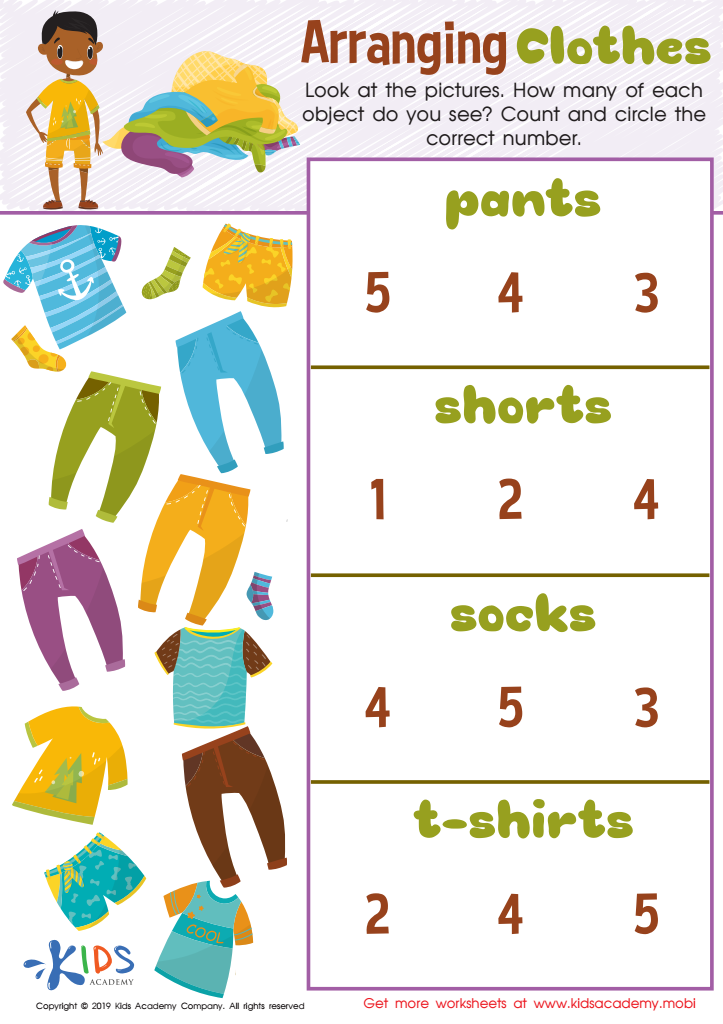
Arranging Clothes Worksheet
 Assign to My Students
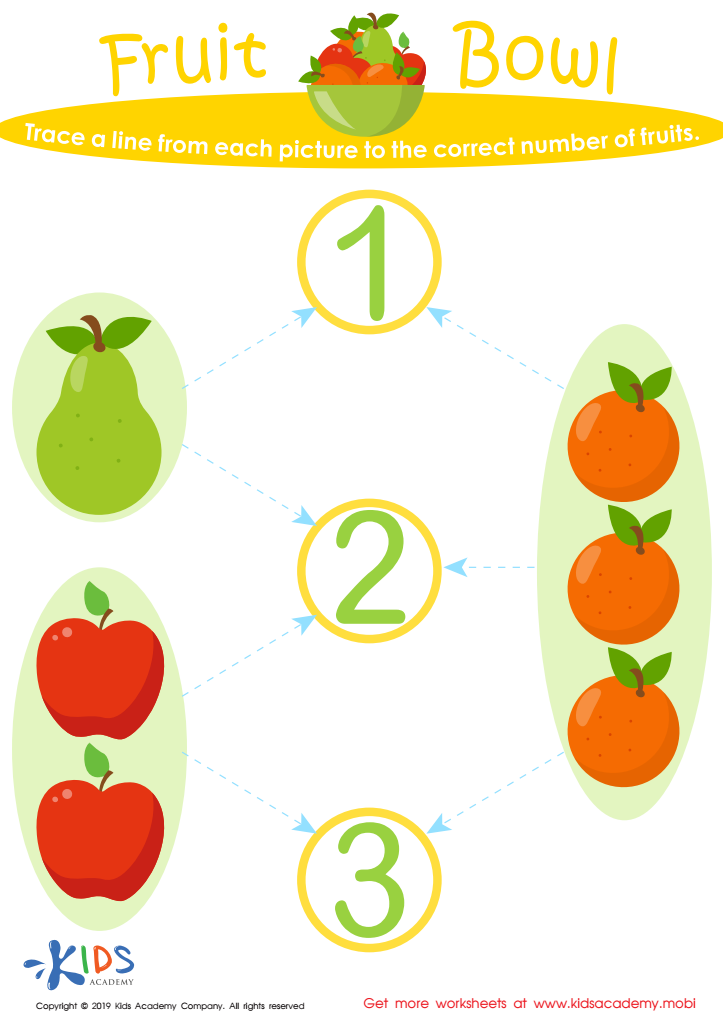
Fruit Bowl Worksheet
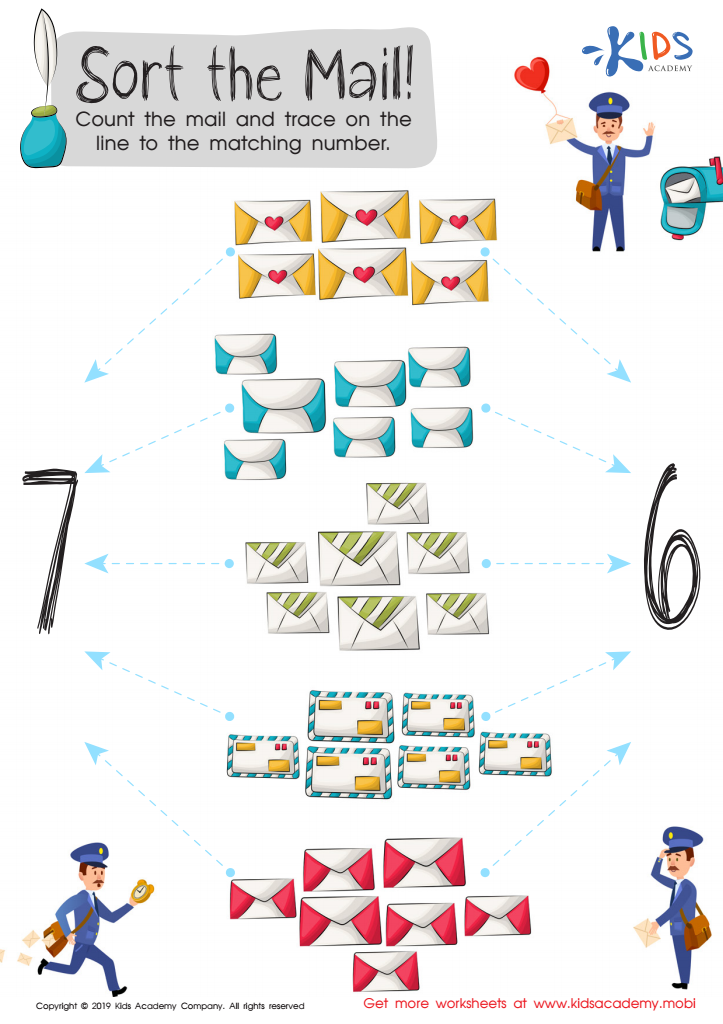
Sort the Mail Worksheet








Sorting skills, particularly with easy numbers, are crucial for children aged 3-4 as they lay the foundation for mathematical understanding and cognitive development. At this age, children are naturally curious and eager to explore relationships between objects, making it an ideal time to introduce sorting activities. Engaging in sorting fosters critical thinking, problem-solving, and analytical skills, encouraging children to recognize and categorize items based on specific attributes such as size, shape, or color.
For parents and teachers, promoting sorting skills with numbers also supports early mathematical concepts. By sorting numbers, children learn about order, sequences, and comparison; essential skills that contribute to more complex math skills as they progress. This early exposure helps build a solid foundation for counting, addition, and even basic algebra later on.
Furthermore, hands-on sorting activities empower young learners to be more active participants in their learning process, enhancing focus and attention. These activities encourage social interaction and communication as children discuss their sorting methods and reasoning with peers or adults.
Ultimately, prioritizing sorting skills in early education enriches children’s cognitive abilities, boosts confidence, and prepares them for future academic success. Parents and teachers should recognize this vital learning aspect to support children's overall growth effectively.








