Phonics recognition Easy Alphabet Worksheets for Ages 4-8
5 filtered results
-
From - To
Discover our Phonics Recognition Easy Alphabet Worksheets designed for children aged 4-8. These engaging worksheets simplify the process of learning the alphabet by combining fun activities with essential phonics practice. Each sheet is crafted to enhance letter recognition, sound association, and early reading skills. Perfect for home or classroom use, these resources offer a variety of exercises that cater to different learning styles. Help your child master the foundations of reading with our effective and enjoyable worksheets, paving the way for confident and proficient readers. Explore our Phonics Recognition Easy Alphabet Worksheets today!
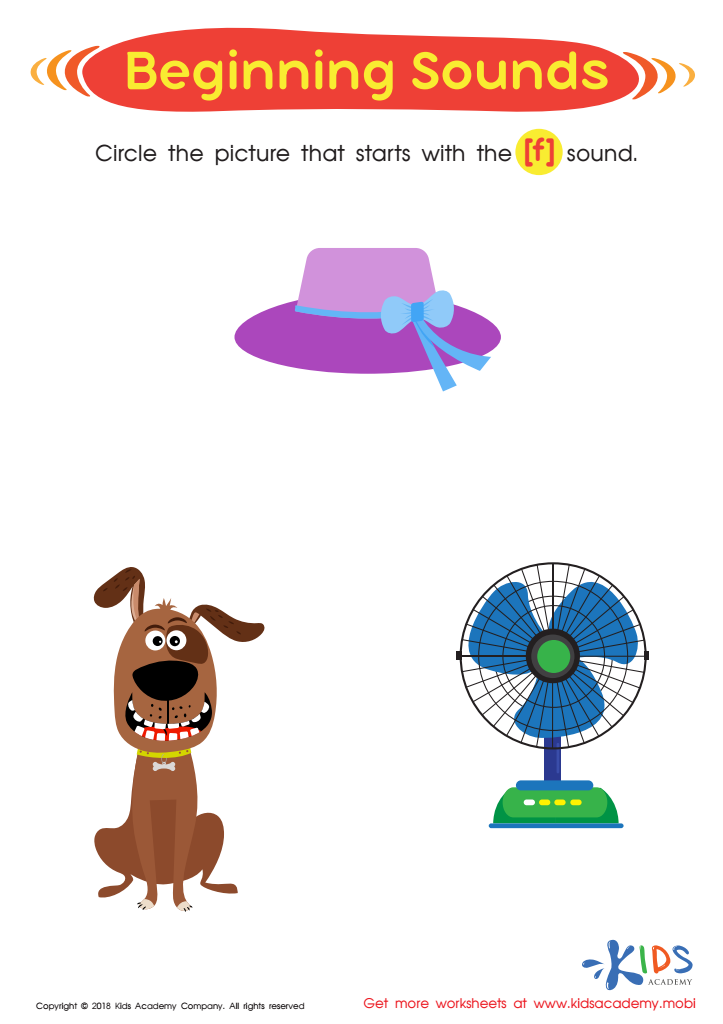
Beginning Sounds Assessment Printable
 Assign to My Students
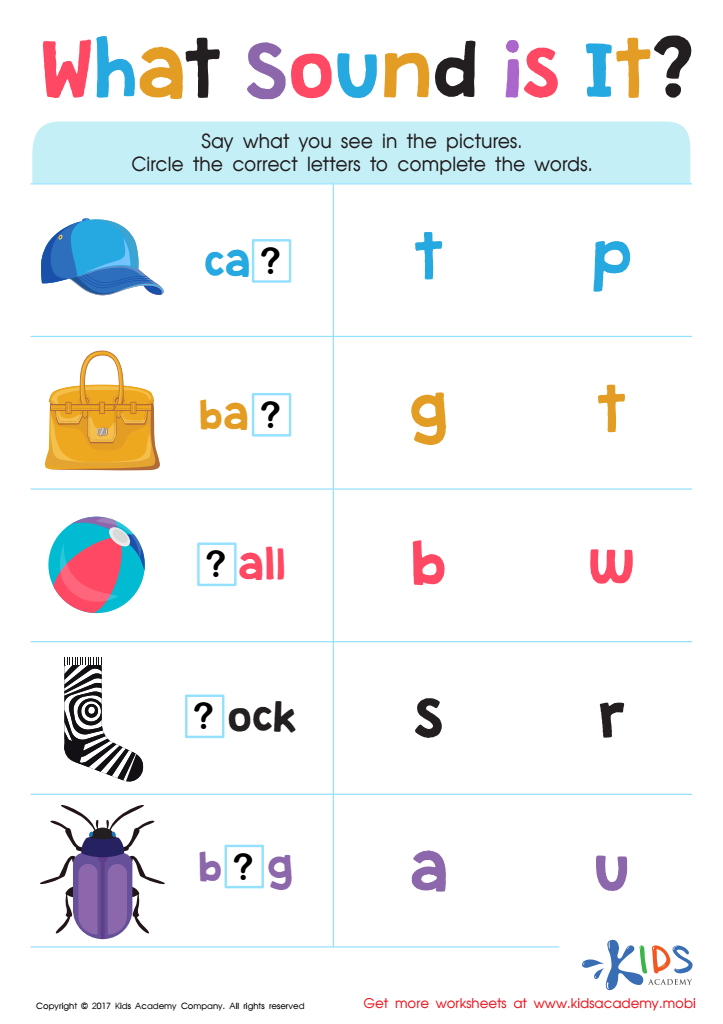
What Sound Is it? Worksheet
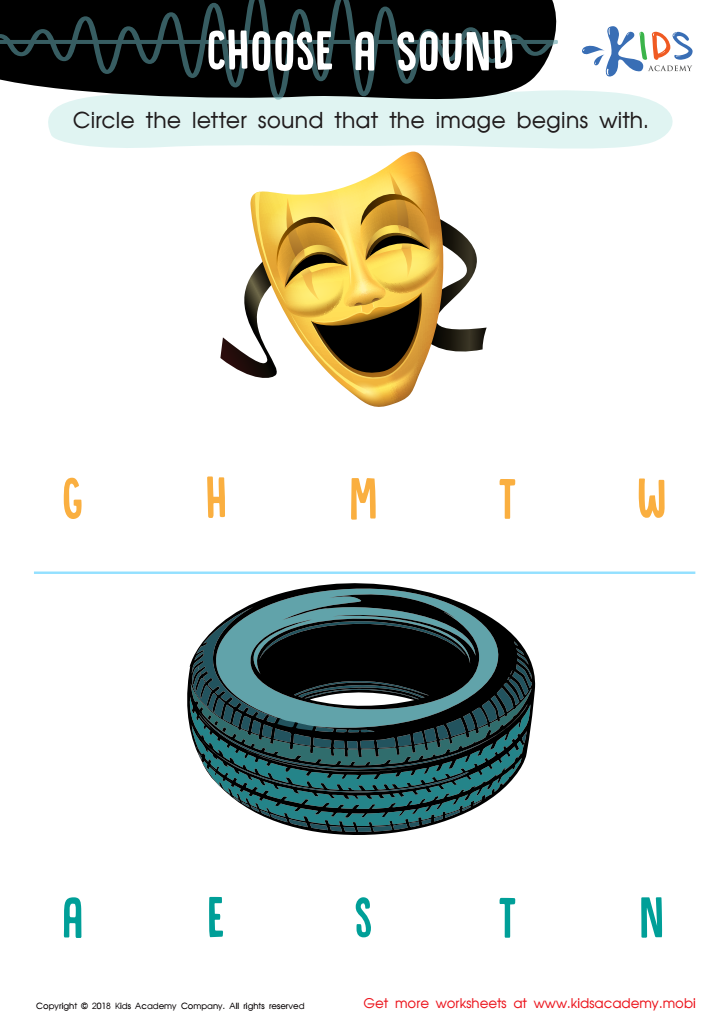
Choose a Sound Worksheet
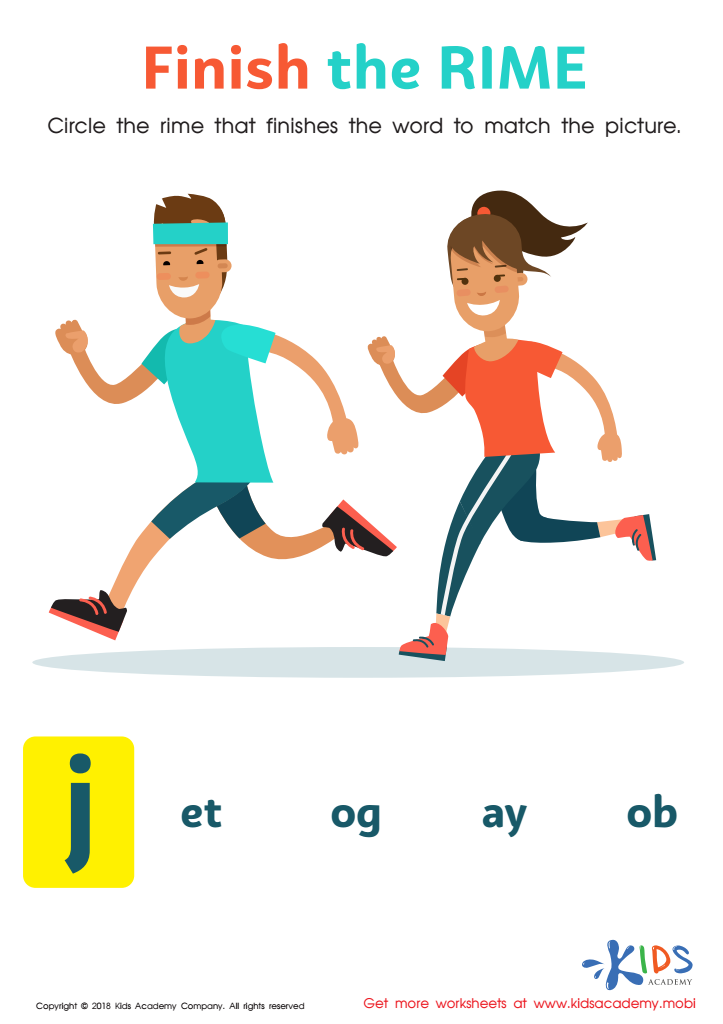
Finish the Rime Worksheet
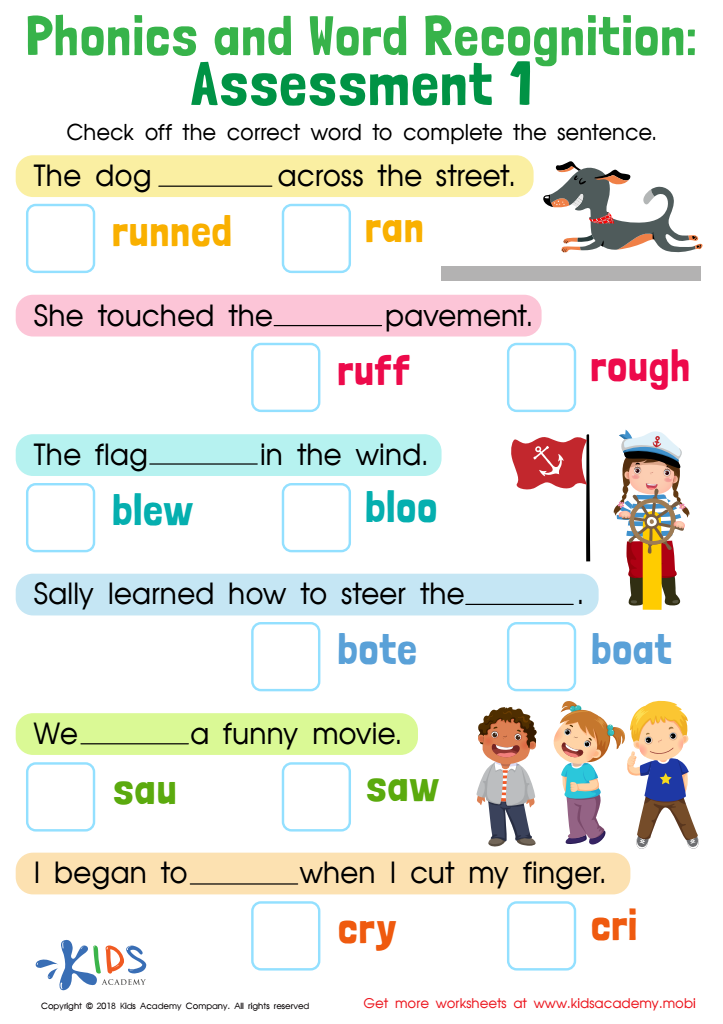
Phonics and Word Recognition: Assessment 1 Worksheet








Phonics recognition is a foundational skill critical for early literacy development, and using tools like Easy Alphabet for ages 4-8 significantly benefits this process. At its core, phonics focuses on the relationship between letters and their corresponding sounds, which is essential for reading and writing proficiency. During the ages of 4-8, children's brains are particularly receptive to language acquisition, making it a crucial period for laying down strong literacy foundations.
Firstly, mastering phonics enables children to decode new words more effectively, fostering greater reading fluency and comprehension skills. This ease in reading can lead to a lifelong love of books and learning, opening up vast educational and imaginative worlds. Secondly, phonics recognition aids in spelling and writing, contributing to clearer, more successful communication skills.
Tools like Easy Alphabet introduce these concepts in an engaging and child-friendly manner, holding children's attention and making learning both effective and fun. Early success with phonics through such programs bolsters confidence and encourages a positive attitude towards school and learning. Thus, parents and teachers should prioritize phonics instruction, utilizing developmentally appropriate resources to empower children with the critical skills they need for academic success and beyond.