Sorting skills Easy Numbers Worksheets for Ages 4-8
3 filtered results
-
From - To
Enhance your child's foundational math abilities with our Sorting Skills Easy Numbers Worksheets, designed specifically for ages 4-8. These engaging worksheets make learning fun, helping young learners practice number recognition, counting, and simple sorting through vibrant, interactive activities. Each worksheet is crafted to develop critical thinking and problem-solving skills, setting a strong mathematical foundation. Perfect for both classroom and homeschool use, our worksheets support early learners in mastering basic concepts at their own pace. Discover the joy of learning numbers through play—start building essential sorting skills today!
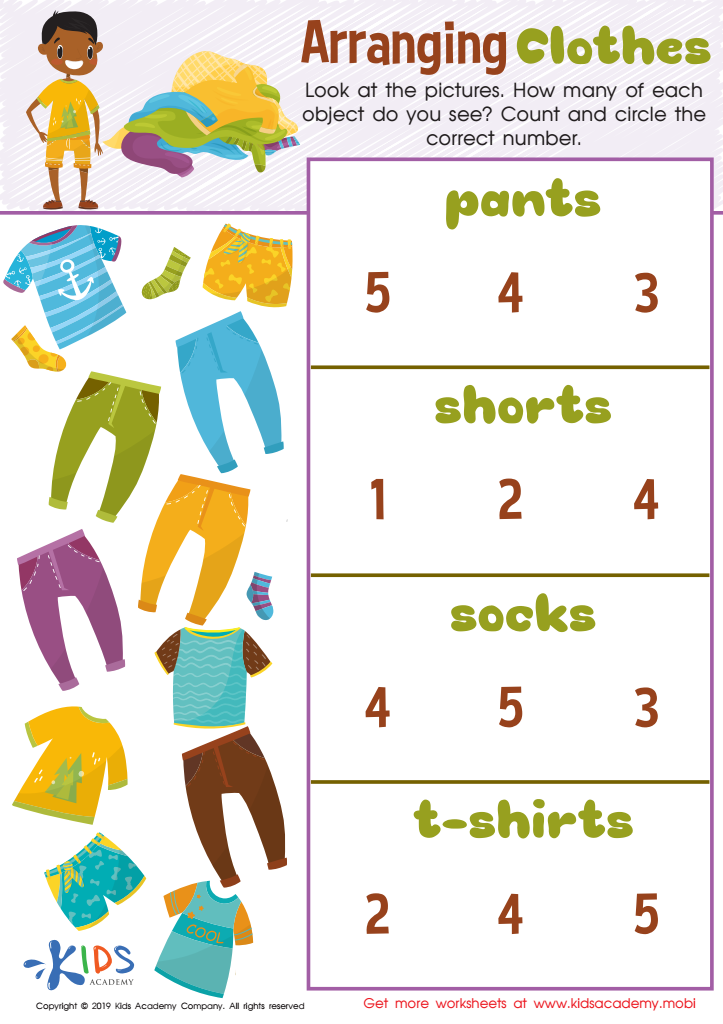
Arranging Clothes Worksheet
 Assign to My Students
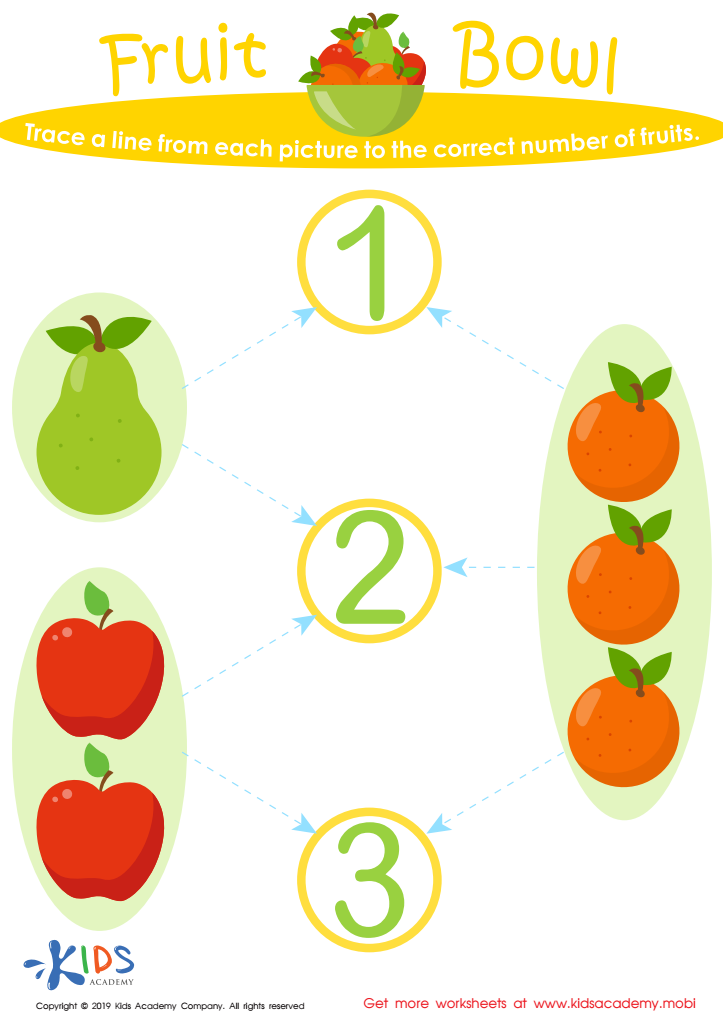
Fruit Bowl Worksheet
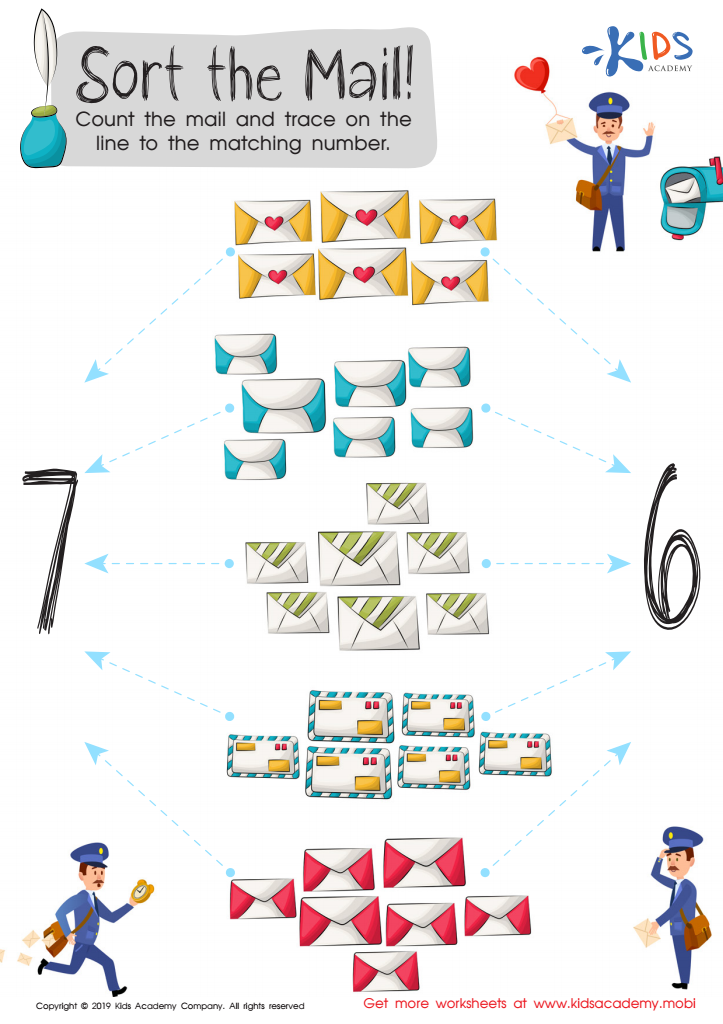
Sort the Mail Worksheet







Understanding how to sort numbers at an early age is crucial for children because it fosters essential cognitive and mathematical skills. Sorting skills help children recognize patterns and organize information, which are foundational for more advanced math concepts such as addition, subtraction, and number sequencing.
When young children engage in sorting exercises, they develop critical thinking and problem-solving abilities. They learn to categorize objects or numbers based on their attributes, such as size, color, or numerical value, which is key for recognizing differences and similarities. These skills transcend beyond math, influencing a child's ability to make sense of the world around them.
Parents and teachers should prioritize sorting activities because they enhance a child's ability to follow logical steps and make informed decisions. These exercises can be effortlessly incorporated into playful activities, making learning enjoyable and effective. Whether sorting toys by shape or arranging numbers in order, these hands-on experiences are engaging and memorable for young minds.
Moreover, early proficiency in sorting and organizing numbers builds a strong mathematical foundation, leading to greater confidence and academic success in later grades. Overall, caring about sorting skills for young children sets the stage for lifelong learning and cognitive development.








