Phonics recognition Easy Alphabet Worksheets for 5-Year-Olds
4 filtered results
-
From - To
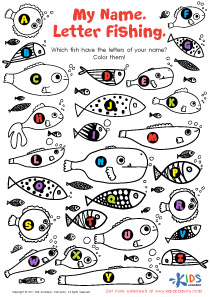
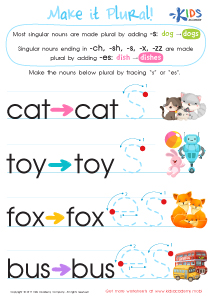
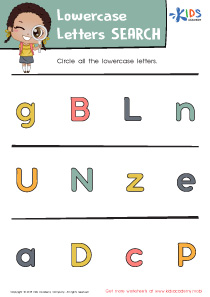
Discover our "Phonics Recognition Easy Alphabet Worksheets" designed specifically for 5-year-olds! These engaging printables enhance phonics skills and help young learners match letters to familiar sounds through fun and interactive activities. Each worksheet fosters recognition of both uppercase and lowercase letters, nurturing essential reading skills. Enhanced with delightful illustrations, our worksheets keep children engaged while they practice essential phonics concepts. Ideal for home or classroom use, these resources empower kids to develop foundational literacy skills in a playful, stress-free environment. Start your child's reading journey today with our easy-to-use phonics worksheets that make learning exciting!
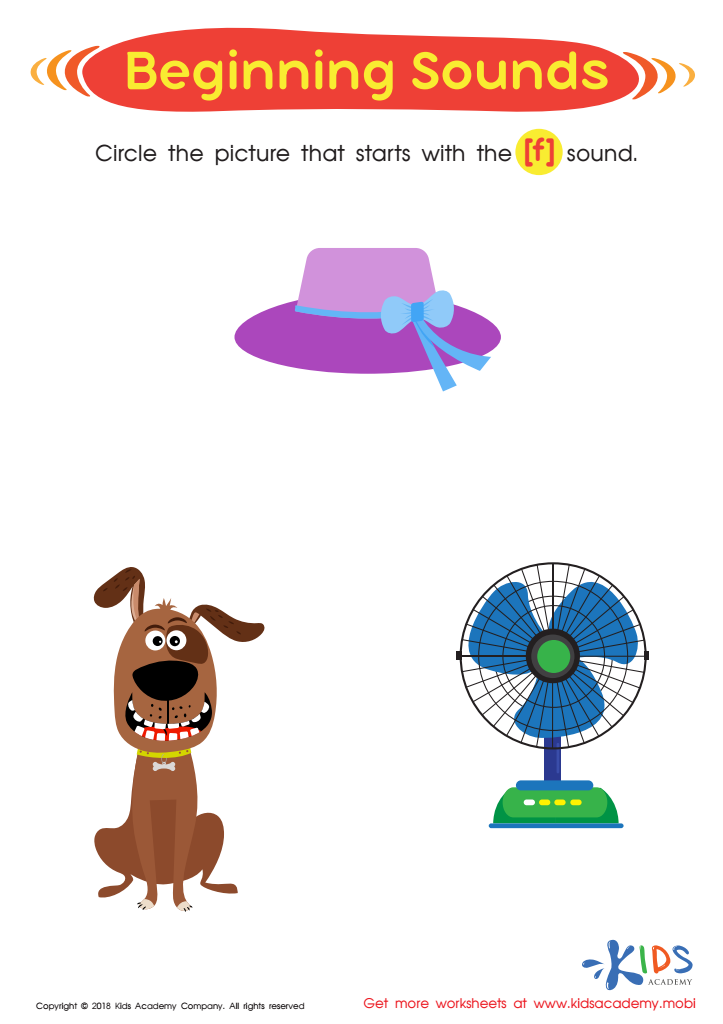
Beginning Sounds Assessment Printable
 Assign to My Students
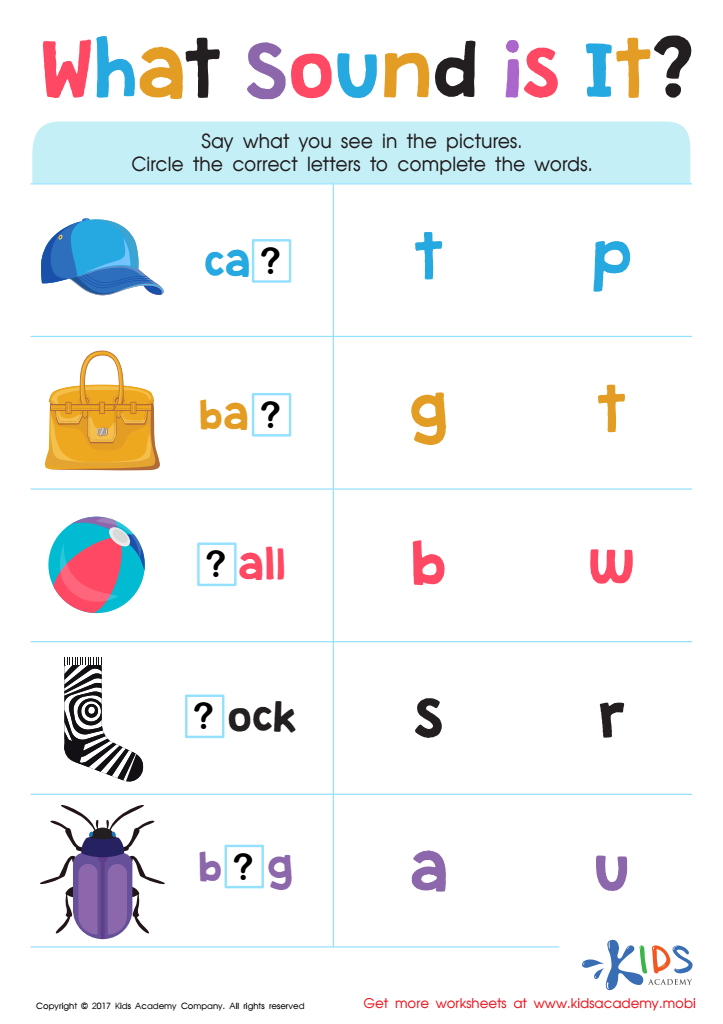
What Sound Is it? Worksheet
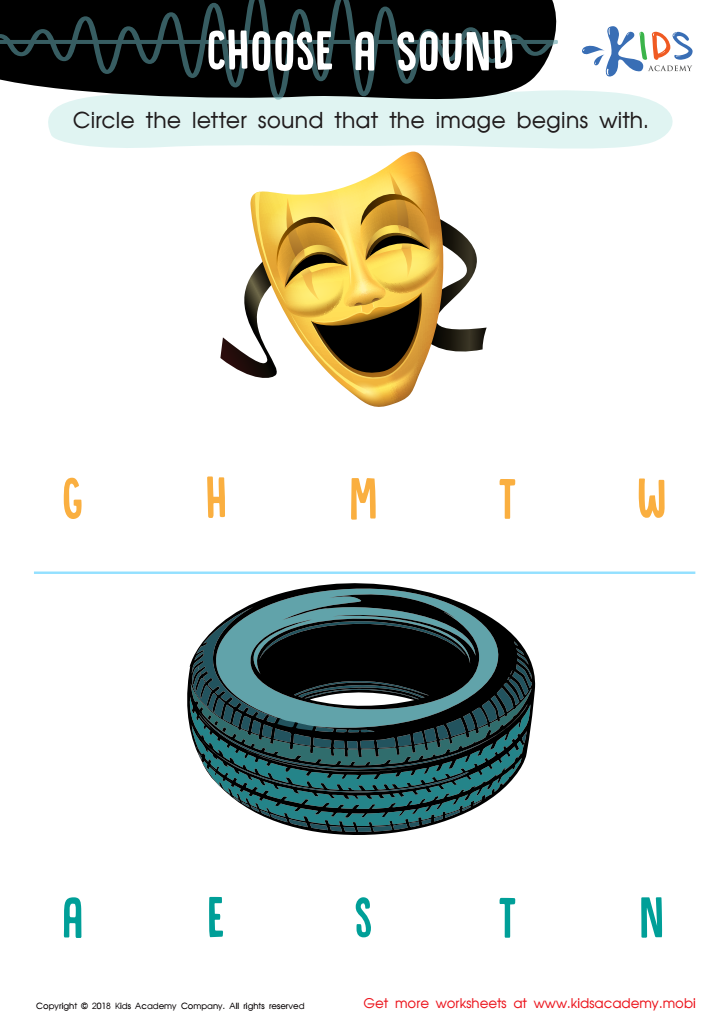
Choose a Sound Worksheet
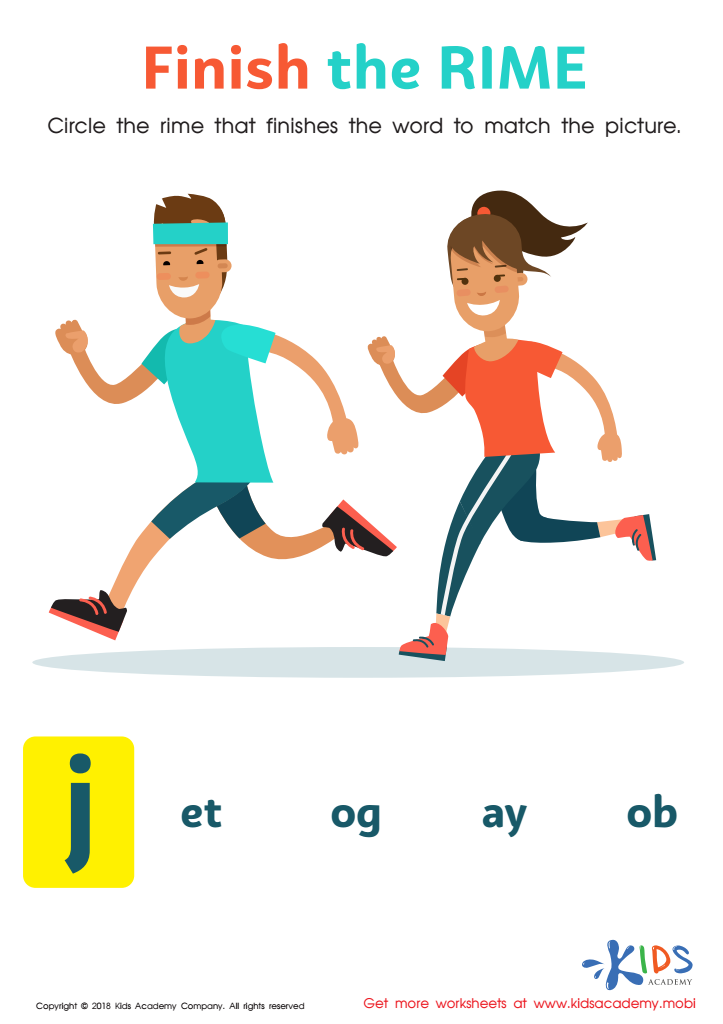
Finish the Rime Worksheet







Phonics recognition, like the Easy Alphabet program, plays a vital role in early literacy development for 5-year-olds. Understanding phonics enables children to decode words, promoting reading fluency and comprehension. The ability to connect sounds with letters lays the foundation for reading, making it easier for children to tackle new words independently.
Parents and teachers should care about this skill for several reasons. Firstly, strong phonics skills enhance a child’s confidence when reading, transforming what can be a daunting task into an enjoyable experience. Children with solid phonics recognition often develop a love for books, which is essential for lifelong learning.
Furthermore, early intervention is crucial. Research shows that children who struggle with phonics are more likely to encounter challenges in literacy as they progress in school. By prioritizing phonics, educators and parents can identify potential reading difficulties early and provide support, ensuring success in later academic challenges.
Additionally, phonics recognition enhances overall language skills, including spelling and vocabulary development. Investing time and resources into teaching phonics with engaging programs like Easy Alphabet not only improves reading ability but also lays groundwork for future academic achievement. In essence, fostering phonics skills sets the stage for a child’s educational journey.