Mathematical reasoning Easy Math Worksheets for Ages 7-8
4 filtered results
-
From - To
Explore Kids Academy's mathematical reasoning easy math worksheets tailored for ages 7-8. Perfect for young learners, these engaging activities enhance critical thinking and problem-solving skills. Our creatively designed worksheets cover various topics ensuring foundational mathematical understanding, from number patterns and logical puzzles to basic arithmetic and geometry. Each sheet encourages independent learning while making math fun and accessible. Ideal for classroom activities, homework, or extra practice, these worksheets help boost confidence and proficiency in young mathematicians. Support your child's math journey with Kids Academy's top-rated resources today! Visit Kids Academy's website for more information and to download.
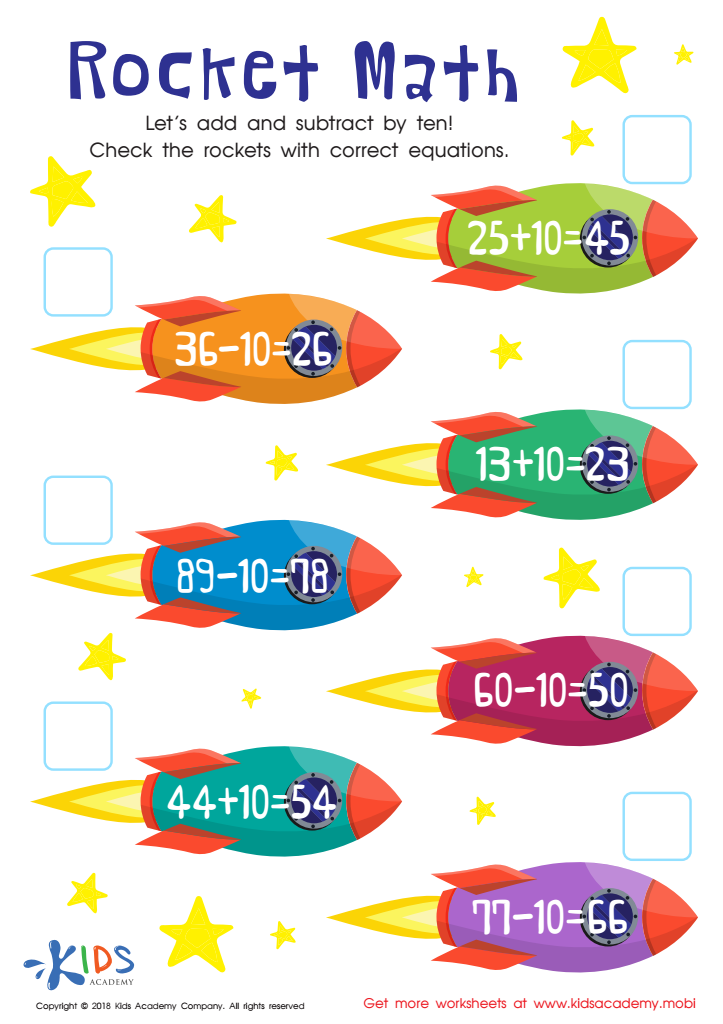
Rocket Math Worksheet
 Assign to My Students
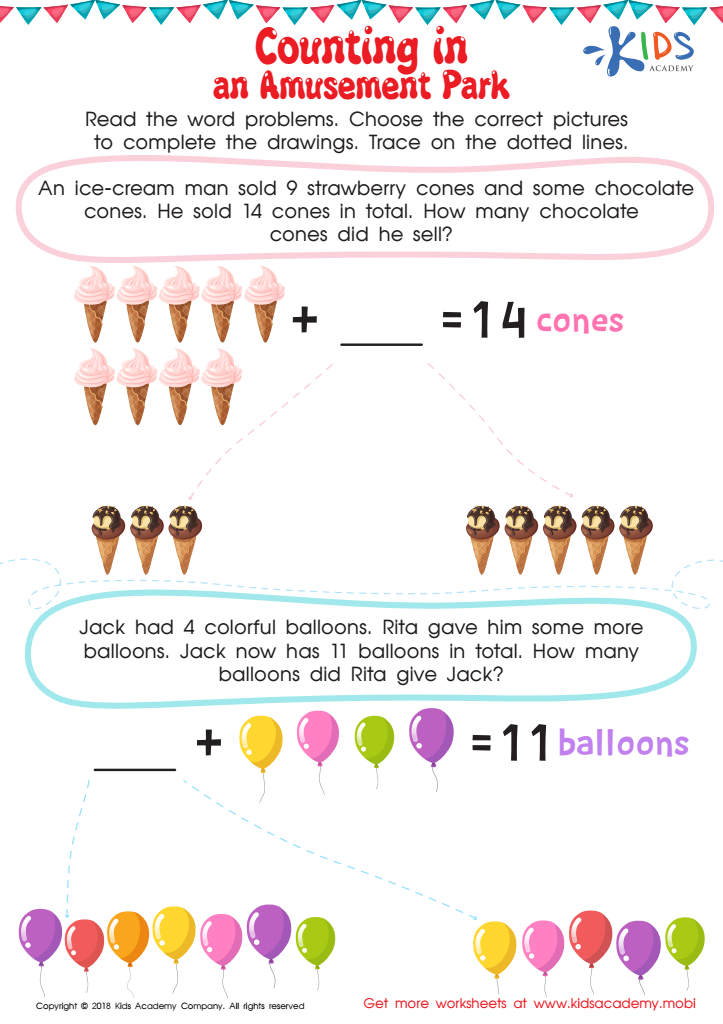
Counting in an Amusement Park Worksheet
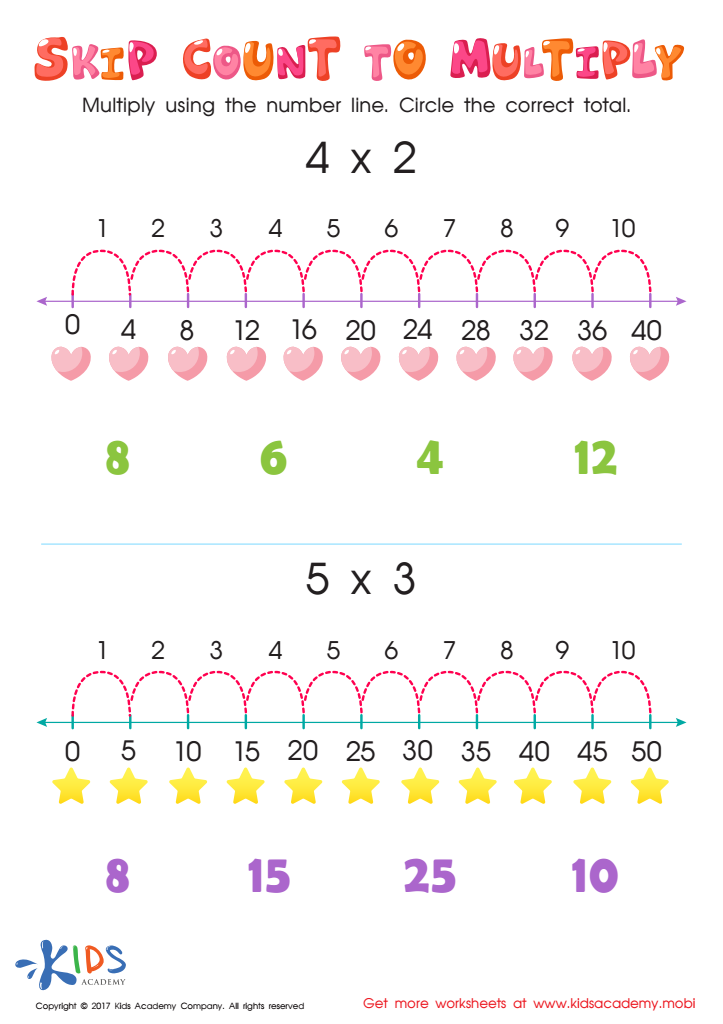
Skip Count Multiplication Worksheet
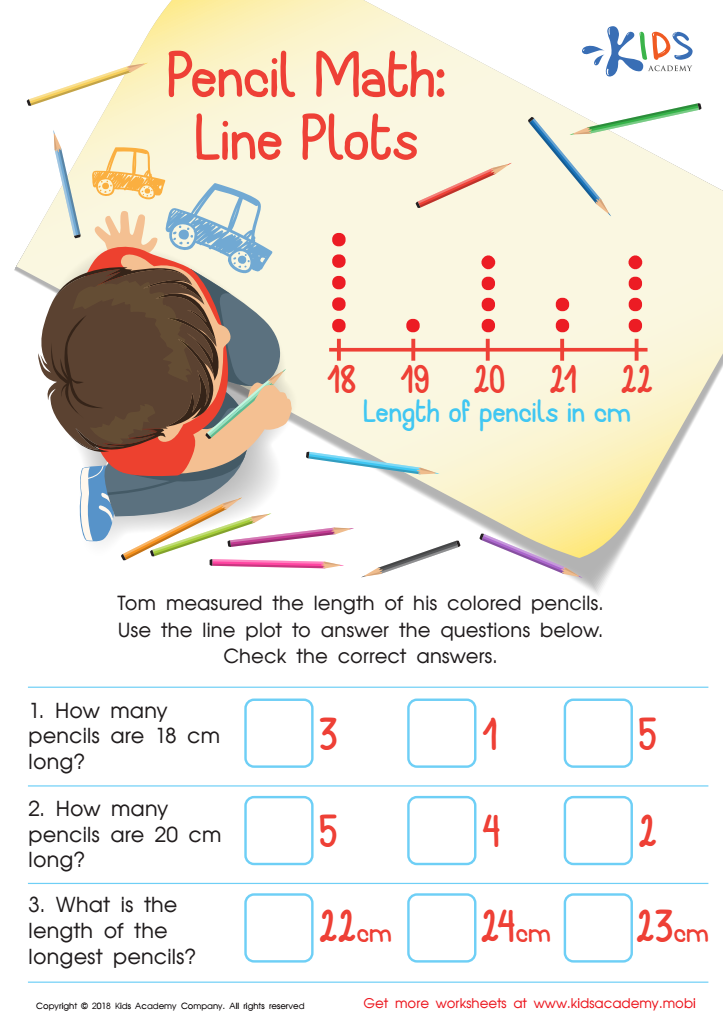
Pencil Math: Line Plots Worksheet






Parents and teachers should prioritize mathematical reasoning for children aged 7-8 because it lays the foundation for future academic success and life skills. At this developmental stage, young minds are particularly receptive to learning new concepts and processes, making it an ideal time to introduce and nurture critical thinking and problem-solving abilities.
Mathematical reasoning goes beyond rote memorization of facts and procedures. It emphasizes understanding the 'why' and 'how' of math problems, which fosters deep comprehension and application of concepts in various contexts. When children engage in mathematical reasoning, they develop logical thinking, pattern recognition, and the ability to make connections between ideas. These skills are not only crucial for advanced math courses but are also applicable to science, technology, engineering, and everyday problem-solving scenarios.
Moreover, mathematical reasoning can boost a child's confidence and persistence in tackling challenges. By encouraging a sense of curiosity and resilience, parents and teachers can help children develop a positive attitude towards learning. This can diminish math anxiety, a common barrier to academic achievement, ensuring that children adopt a growth mindset, believing that their abilities can improve with effort.
Ultimately, fostering mathematical reasoning in young learners equips them with essential cognitive tools, preparing them for a world that increasingly relies on analytical and innovative thinking.








