Number Recognition Easy Addition & Subtraction Worksheets for 8-Year-Olds
8 filtered results
-
From - To
Explore our engaging Number Recognition worksheets designed specifically for 8-year-olds! These easy addition and subtraction activities help students strengthen their math skills while boosting their number recognition abilities. Covering various topics, our worksheets offer age-appropriate challenges that make learning fun and interactive. With colorful illustrations and diverse problem formats, children are motivated to practice, improving both their confidence and fluency in basic arithmetic. Ideal for classroom use or homework, our printable resources cater to different learning styles, ensuring every child can master essential math concepts at their own pace. Start today and watch their skills grow with each worksheet!
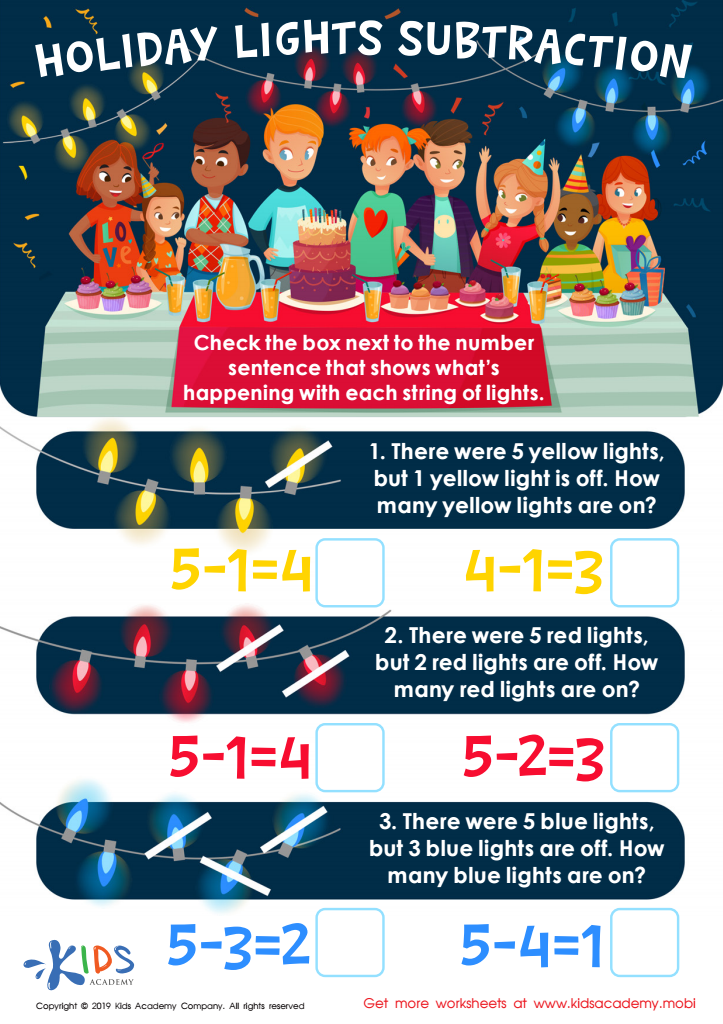
Holiday Lights Subtraction Worksheet
 Assign to My Students
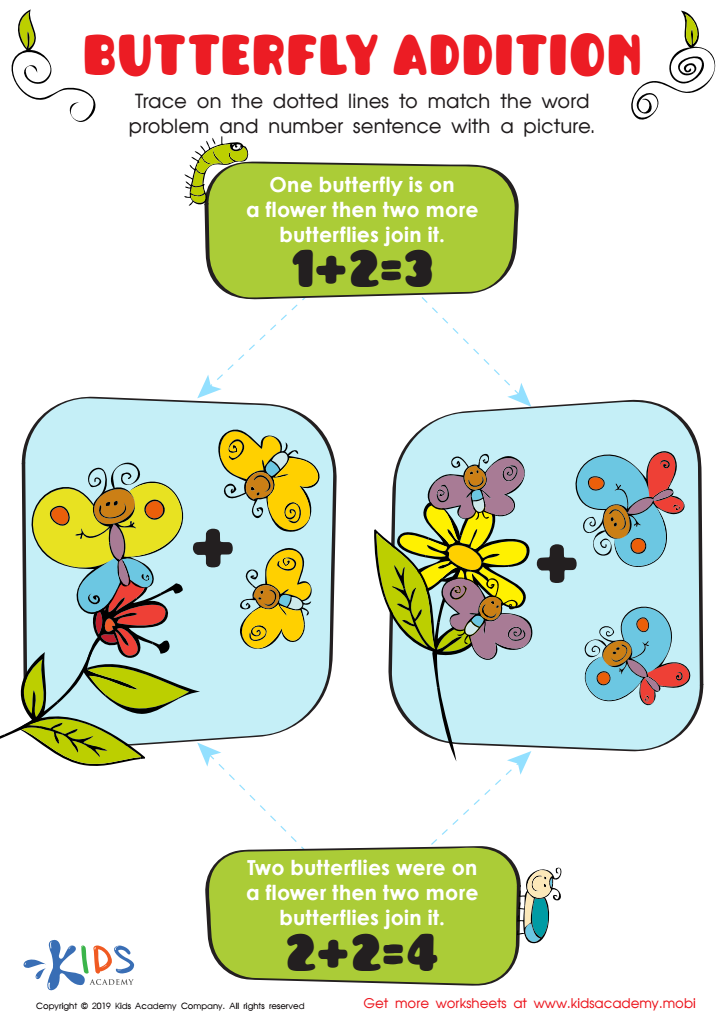
Butterfly Addition Worksheet
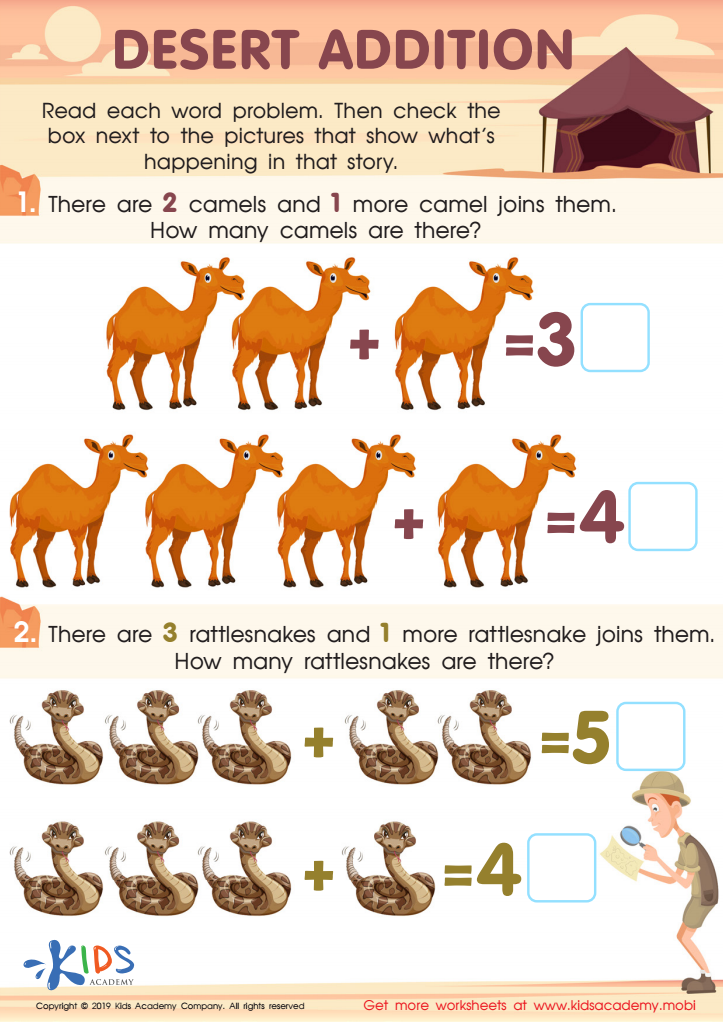
Desert Addition Worksheet
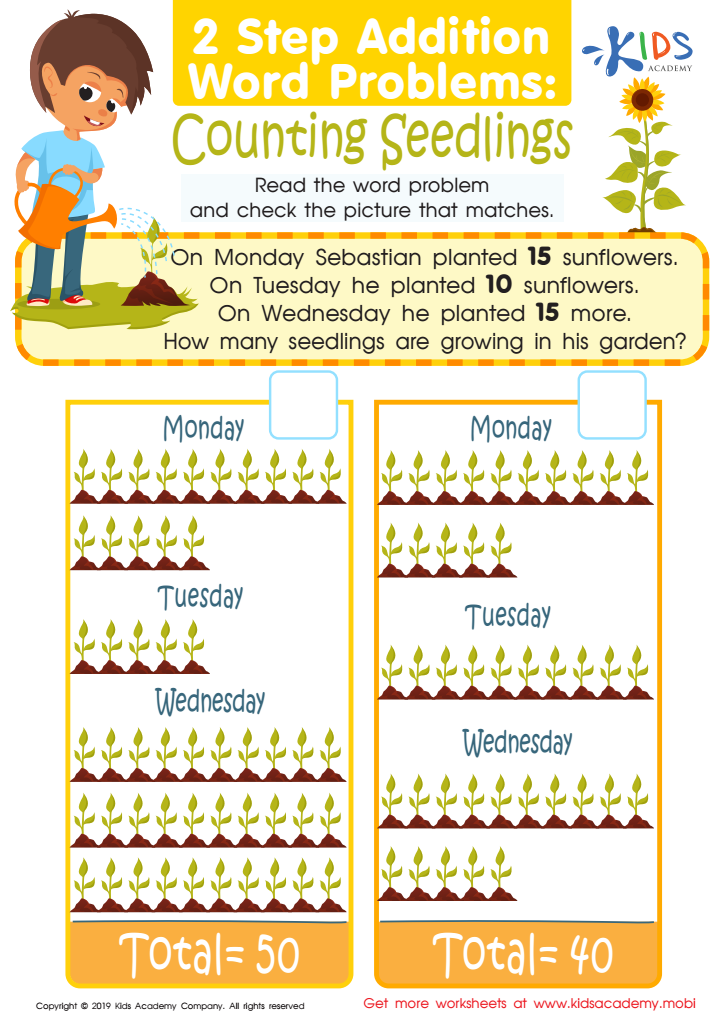
Counting Seedlings Worksheet
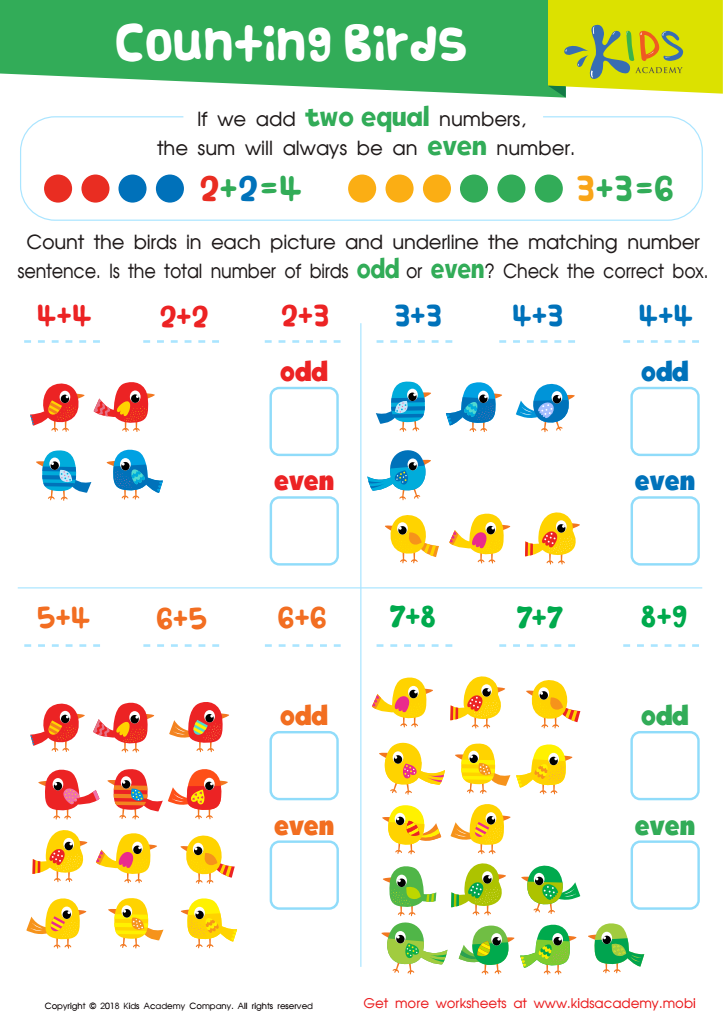
Counting Birds Worksheet
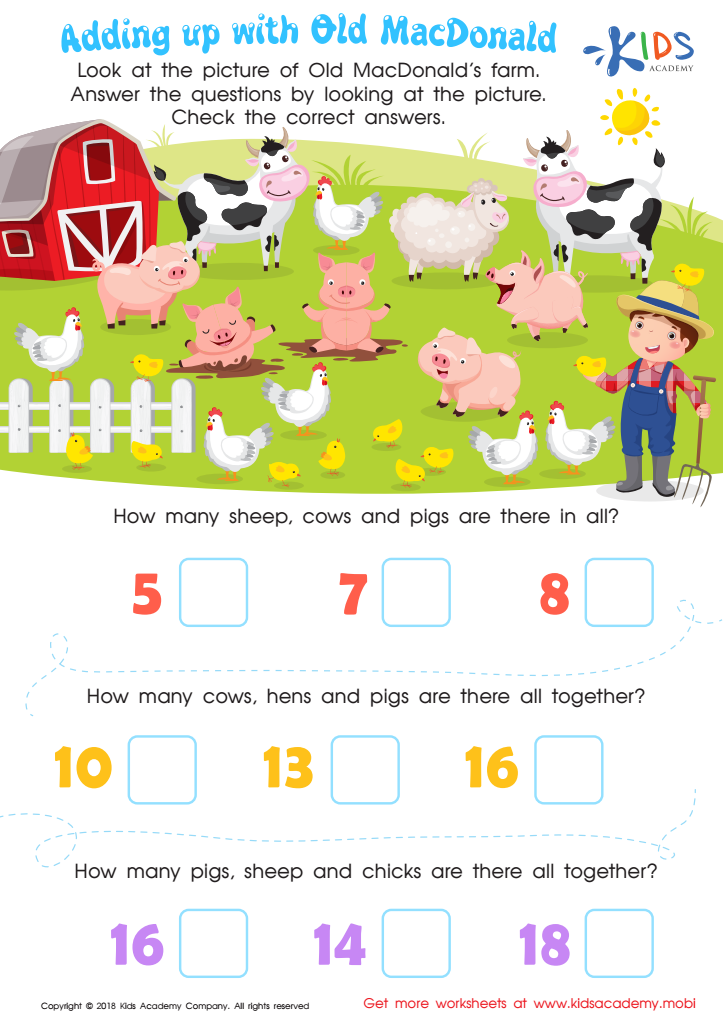
Adding Up with Old MacDonald Worksheet
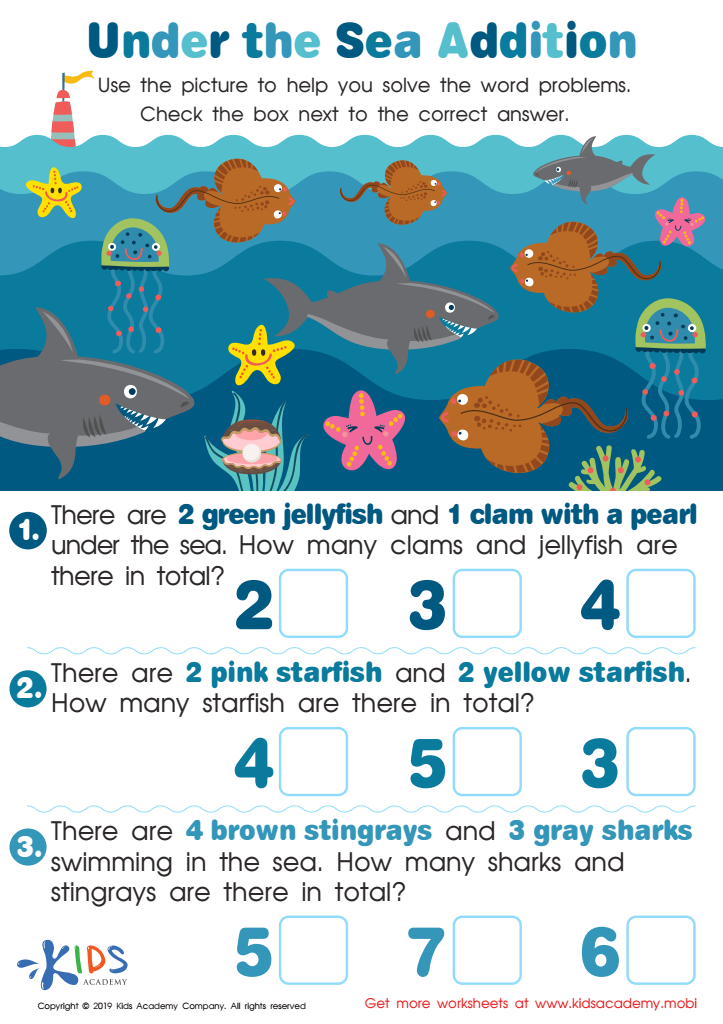
Under the Sea Addition Worksheet
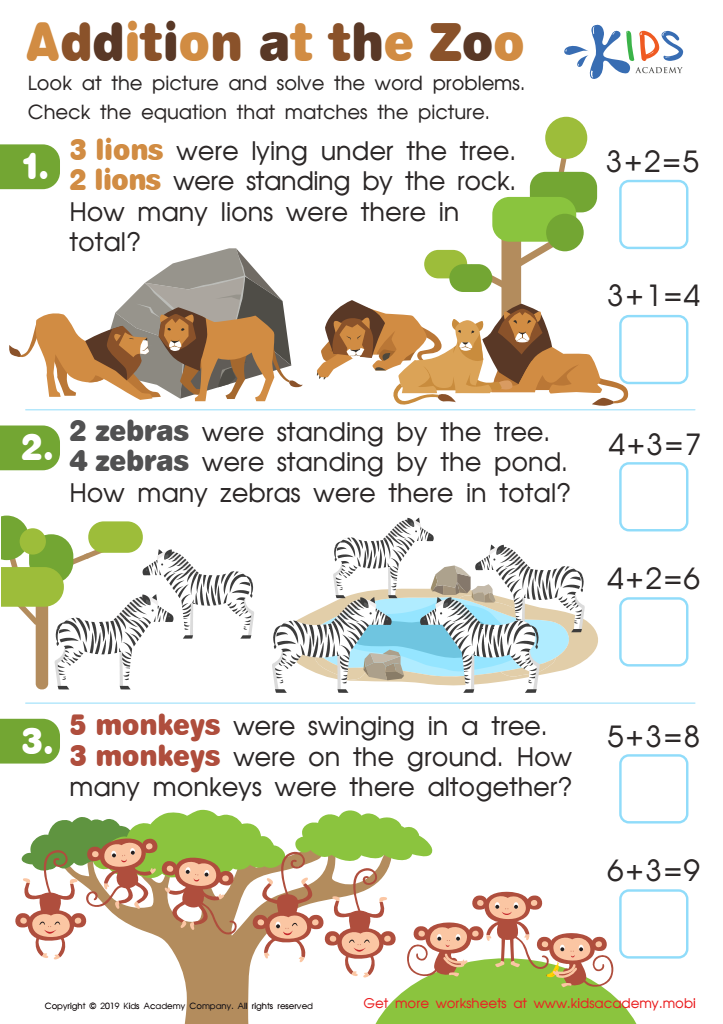
Addition at the Zoo Worksheet








Number recognition and basic addition and subtraction skills are crucial for 8-year-olds as they form the foundation for later mathematical understanding. At this age, children are transitioning from simple math concepts to more complex problem-solving. By developing strong number recognition, students learn to identify and manipulate numbers, which is essential for tackling higher-level math.
Parents and teachers play a pivotal role in nurturing this skill. Early mastery leads to increased confidence, allowing students to engage more fully in classroom activities and group discussions. Moreover, a solid grasp of easy addition and subtraction enhances a child’s ability to handle real-world situations, such as budgeting allowance or calculating distances during family outings.
Additionally, encouraging practice in number recognition and basic math fosters critical thinking and cognitive development. It promotes persistence and problem-solving abilities, which are vital not only in math but across all learning areas.
Investing time and resources into cultivating these skills during this formative stage lays a strong educational foundation. It helps set children on a path to success, engendering a positive attitude towards math as they progress into more advanced academic levels. Ultimately, an early focus on these concepts prepares them for a future of academic achievement and lifelong learning.








