Letter recognition Easy Kindergarten Alphabet Worksheets
8 filtered results
Difficulty Level
Grade
Age
-
From - To
Subject
Activity
Standards
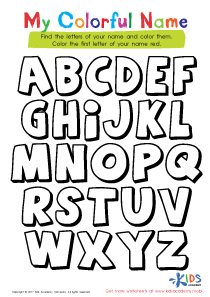
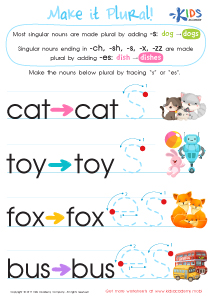
Introduce your little learners to the joy of letter recognition with our easy Kindergarten Alphabet Worksheets. Developed by experts at Kids Academy, these engaging resources help children master their ABCs through fun and interactive activities. Perfect for early learning, our worksheets cover essential skills like identifying letters, matching uppercase and lowercase, and tracing to build early writing abilities. With vibrant visuals and enjoyable exercises, kindergarteners remain motivated and excited about their journey into reading and writing. Trust Kids Academy for high-quality educational materials that make learning the alphabet a delightful adventure. Download now and watch your child’s confidence soar!
Favorites
With answer key
Interactive
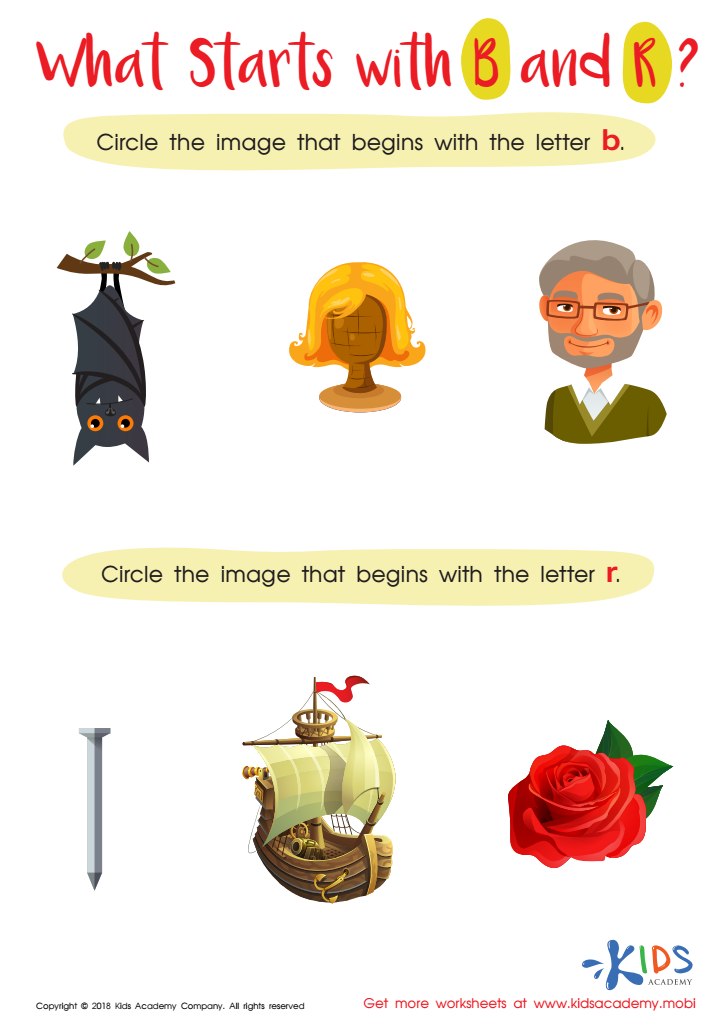
What Starts with B and R? Worksheet
Download this worksheet to help young readers practice visual and motor skills! They'll enjoy matching pictures with "B" and "R" letters while tracing the images. Bright and colorful, this engaging activity will help kids differentiate between words and have fun doing it.
What Starts with B and R? Worksheet
Worksheet
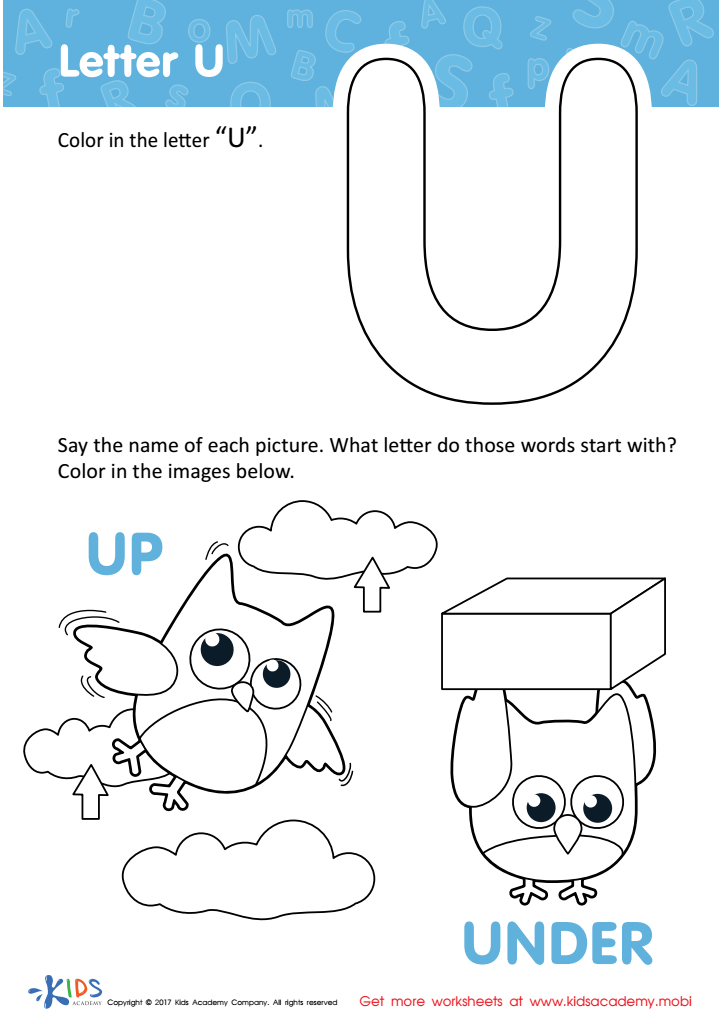
Letter U Coloring Sheet
This letter "U" coloring page helps your child learn two things at once - the letter "U" and positional words! An adorable owl character aids in understanding up and under. In a few strokes of a crayon, your child can master these concepts.
Download (PDF)
 Assign to My Students
Assign to My Students
Letter U Coloring Sheet
Worksheet
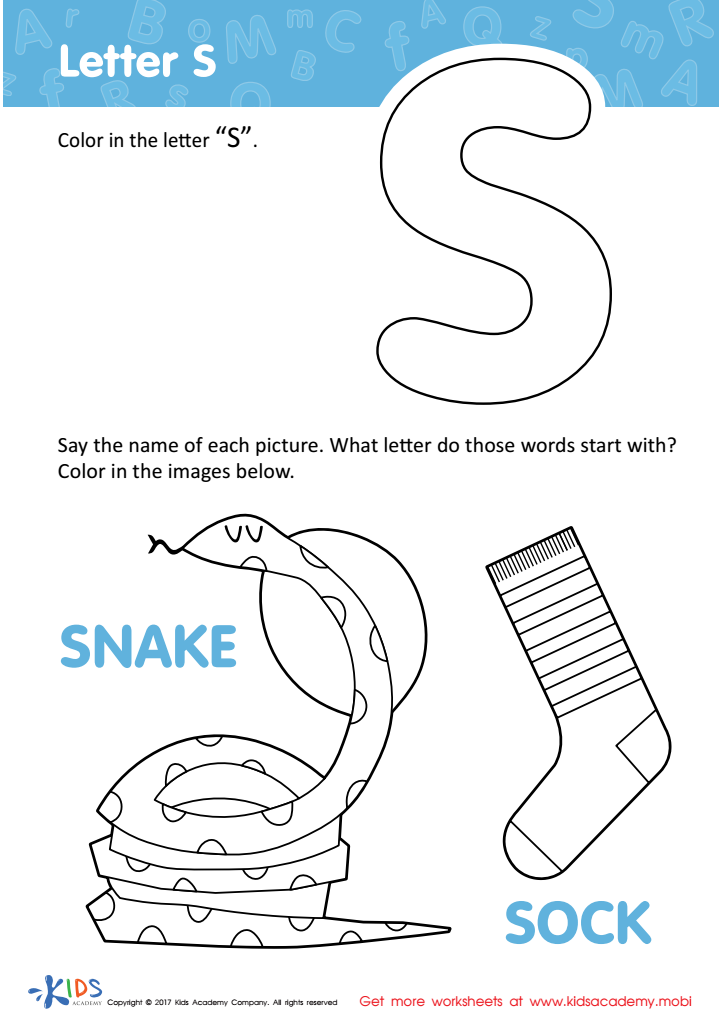
Letter S Coloring Sheet
Help your child practice recognizing the letter "S" and the sound it makes with this fun coloring page. It features a slippery snake, smelly sock and more! Give them extra practice by coming up with more "S" sounds and words.
Download (PDF)
Assign to My Students
Assign to My Students
Letter S Coloring Sheet
Worksheet
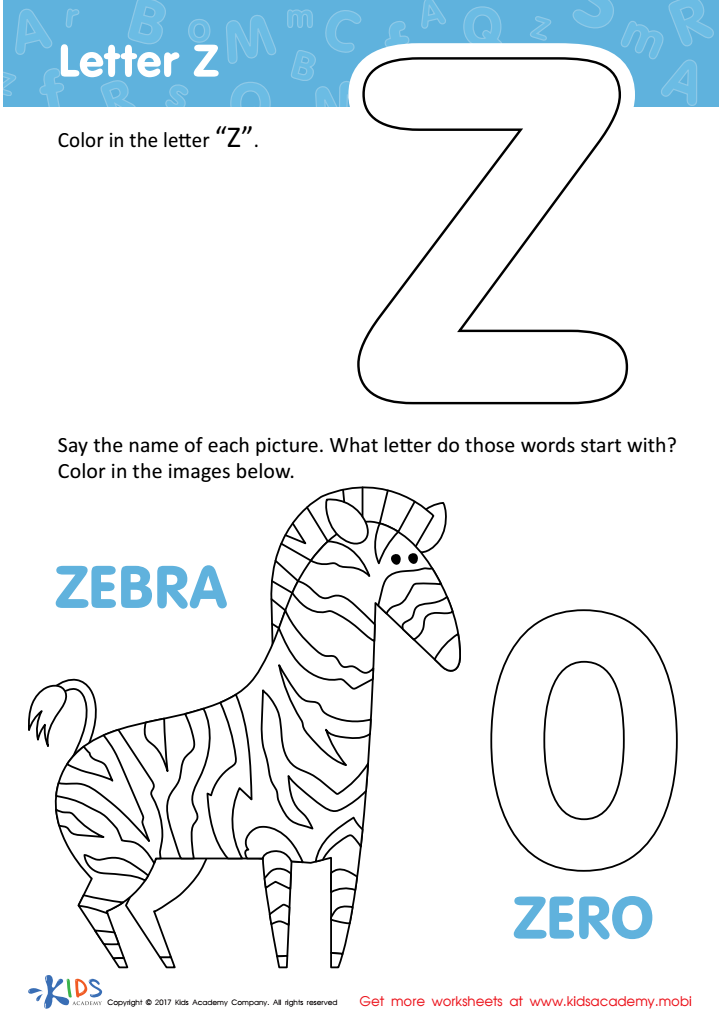
Letter Z Coloring Sheet
This coloring page featuring the letter "Z" is perfect for your child to practice letter recognition! Help them learn the unique sound it makes as they color. It'll be a fun and easy activity they won't have trouble with!
Download (PDF)
Assign to My Students
Assign to My Students
Letter Z Coloring Sheet
Worksheet
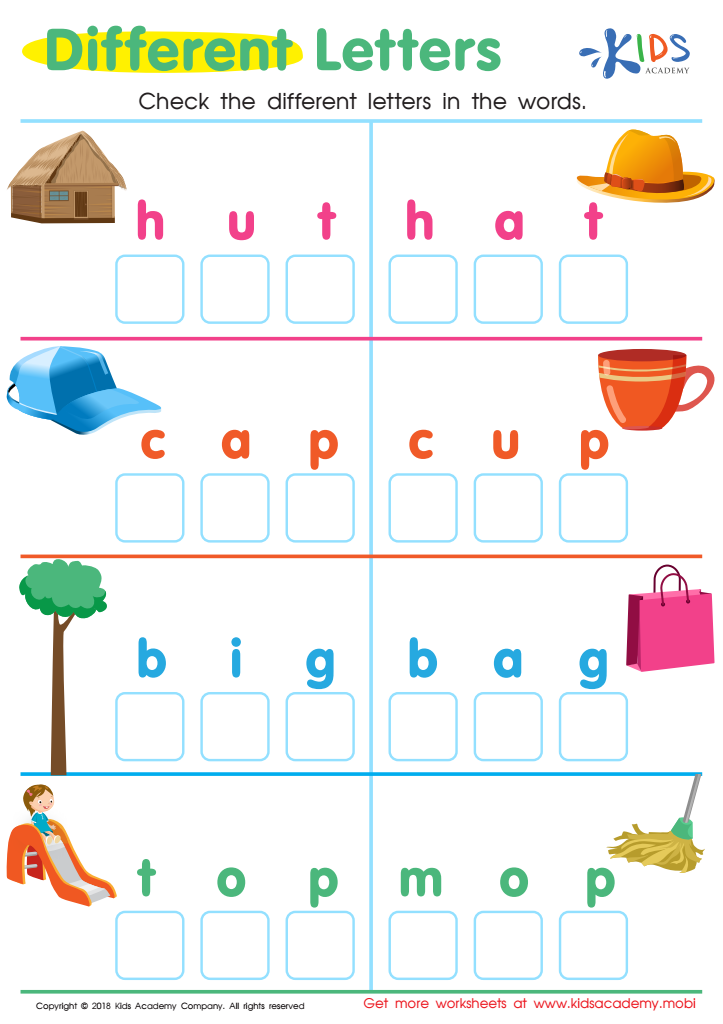
Different Letters Reading Worksheet
Download our phonics worksheet to help kids understand letter sounds. Have them sound out letters and join them to form words. Colorful pictures assist in recognition, making it perfect for kindergarteners. A great intro to phonics!
Different Letters Reading Worksheet
Worksheet
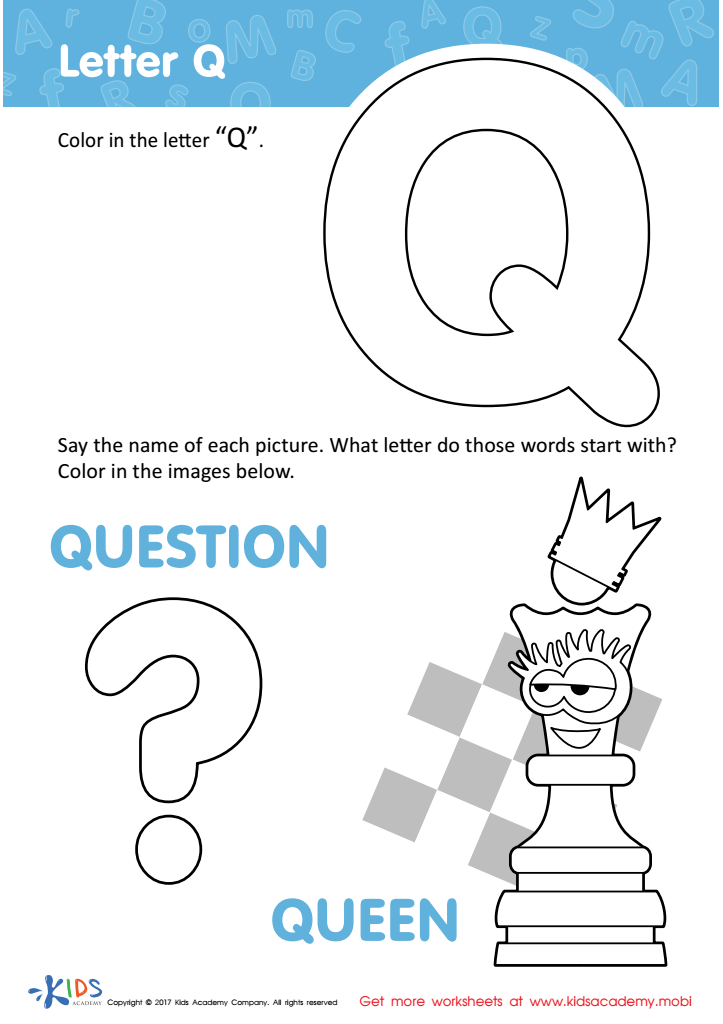
Letter Q Coloring Sheet
Kids need practice with letters not seen often. Give your child a boost with this letter "Q" coloring page! Have them color in the queen and question mark, while learning the sound "Q" makes. Fun and educational!
Download (PDF)
Assign to My Students
Assign to My Students
Letter Q Coloring Sheet
Worksheet
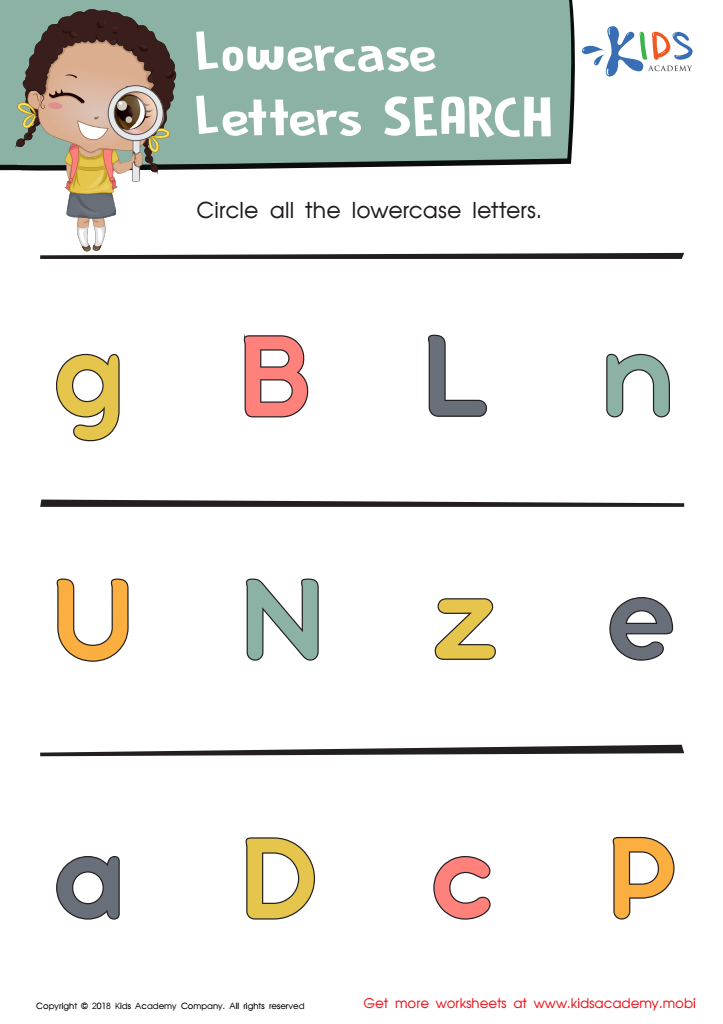
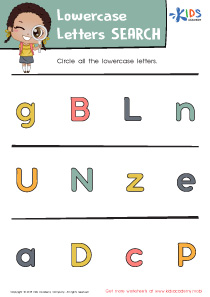
Lowercase Letters Search: Assessment Worksheet
Circle all the lowercase letters in this worksheet. Identify them among a mix of uppercase and lowercase letters. Your child will have fun with this exercise thanks to its bright primary colors. Enjoyment and learning go hand-in-hand!
Lowercase Letters Search: Assessment Worksheet
Worksheet
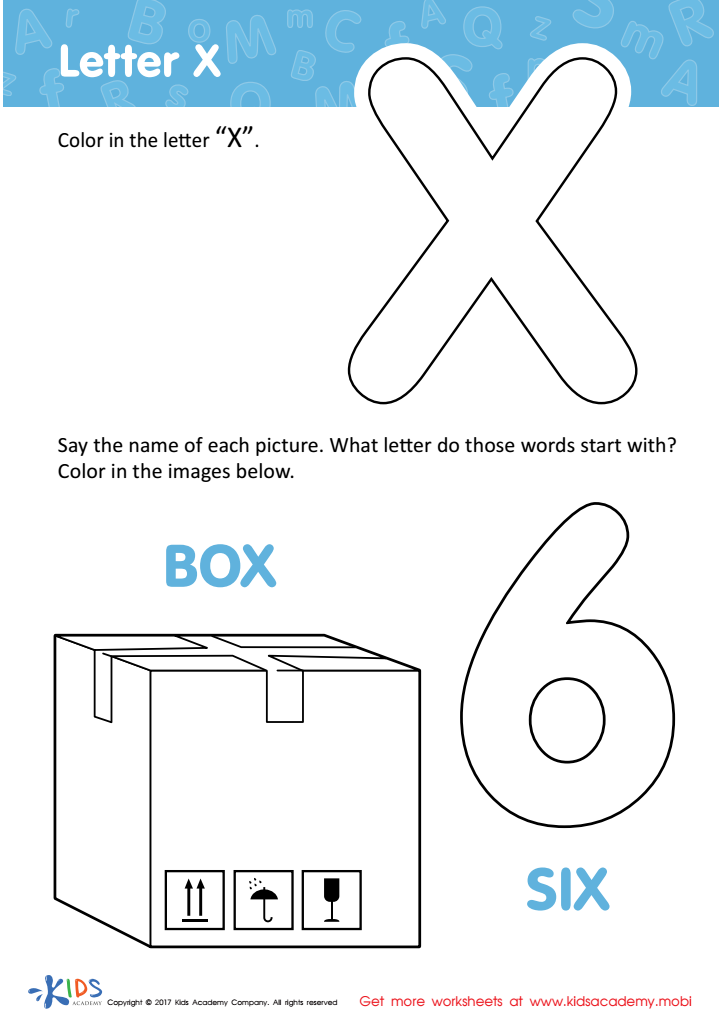
Letter X Coloring Sheet
Help your little learner find the letter "X" with this coloring page. Go over the sounds it makes and how to find it at the end of words. Unlock the mystery of this unique letter - it's one of the most challenging but rewarding letters to learn!
Download (PDF)
Assign to My Students
Assign to My Students
Letter X Coloring Sheet
Worksheet
Join Kids Academy for Free
Who is primarily going to use this learning content?








Letter recognition is a fundamental skill for young children, forming the cornerstone of early literacy development. Parents and teachers should prioritize this vital learning objective because it sets the stage for reading and writing success. When children can easily recognize letters, they can more readily link these symbols to corresponding sounds, helping them decode words more effectively. This aptitude is crucial for developing robust reading skills, which are essential for academic achievement.
Furthermore, mastering letter recognition fosters confidence and enthusiasm in young learners. Imagine a child identifying letters in their favorite storybook or on a cereal box; such recognitions reinforce the idea that learning is relevant and rewarding, motivating them to delve deeper into literacy activities.
In kindergarten, where foundational skills are established, having a grip on the alphabet aids overall classroom engagement. Children who are confident with letters participate more actively, helping to build their communication skills through reading and writing exercises.
Moreover, early difficulties with letter recognition can indicate potential learning challenges, enabling timely interventions. Thus, whether at home or in school, emphasizing letter recognition not only paves the way for lifelong learning but also supports emotional and intellectual growth during crucial developmental years.