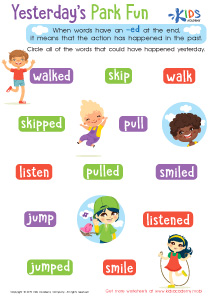
Logical Reasoning Easy Kindergarten Worksheets
6 filtered results
-
From - To
Introducing our "Logical Reasoning Easy Kindergarten Worksheets," designed to foster critical thinking from an early age. These engaging, fun-filled activities help young learners develop essential problem-solving skills through colorful patterns, simple puzzles, and interactive games. Our worksheets align with early learning standards, ensuring that children grasp foundational concepts in a playful and relaxed setting. Perfect for classroom use or at-home practice, these resources support teachers and parents in guiding kids toward logical reasoning success. Equip your kindergartener with the tools they need to thrive in their educational journey with our expertly crafted worksheets.
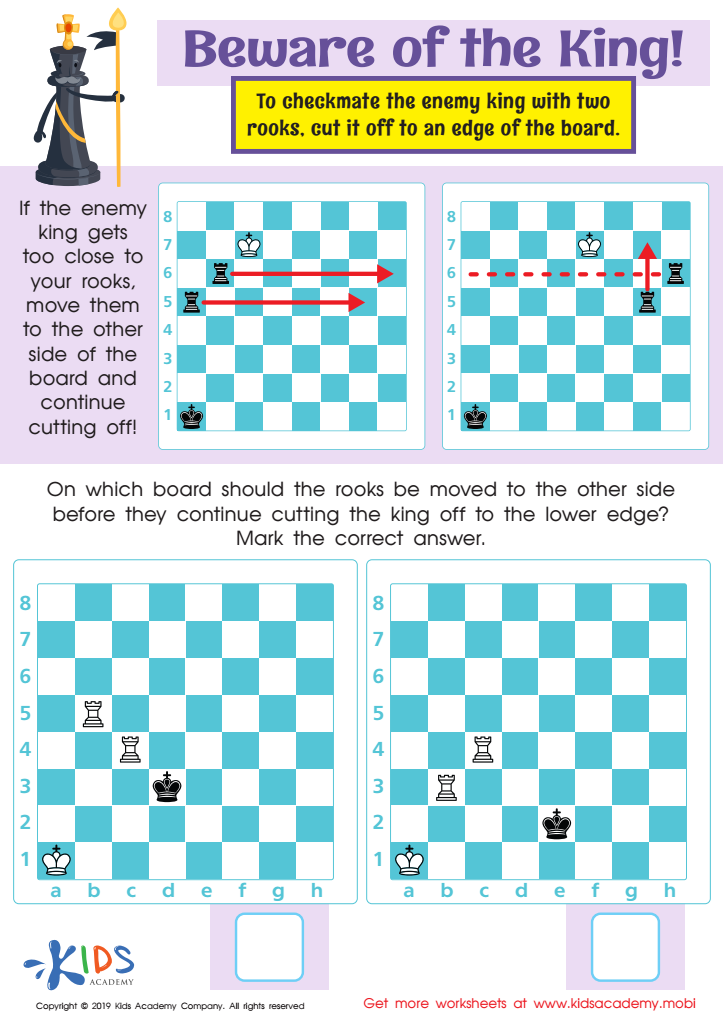
Beware of the King! Worksheet
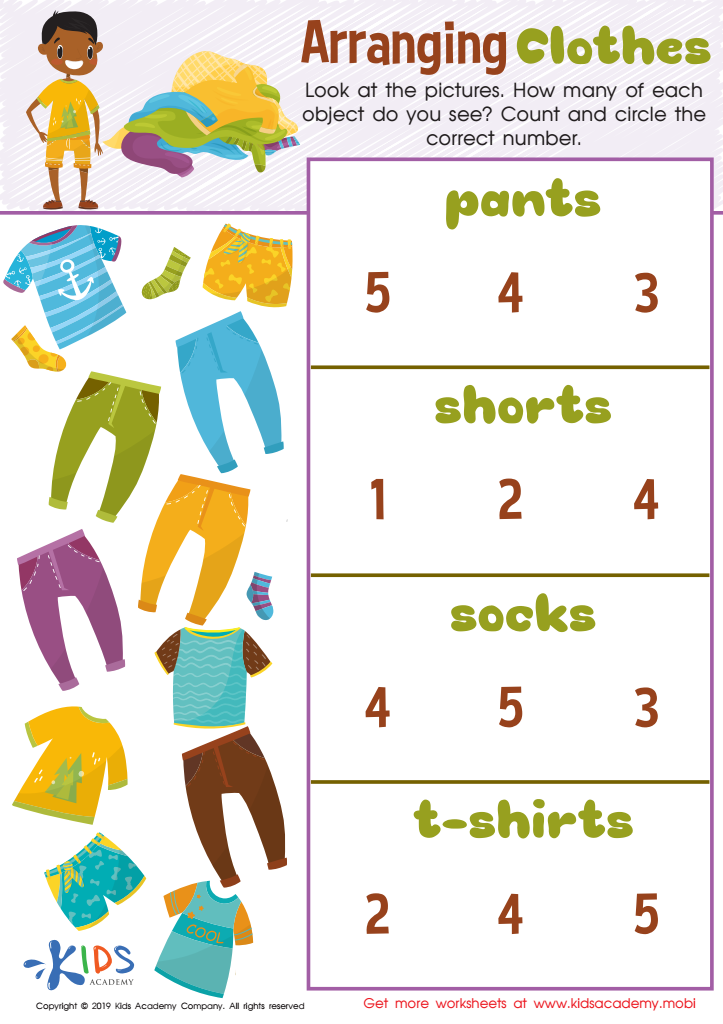
Arranging Clothes Worksheet
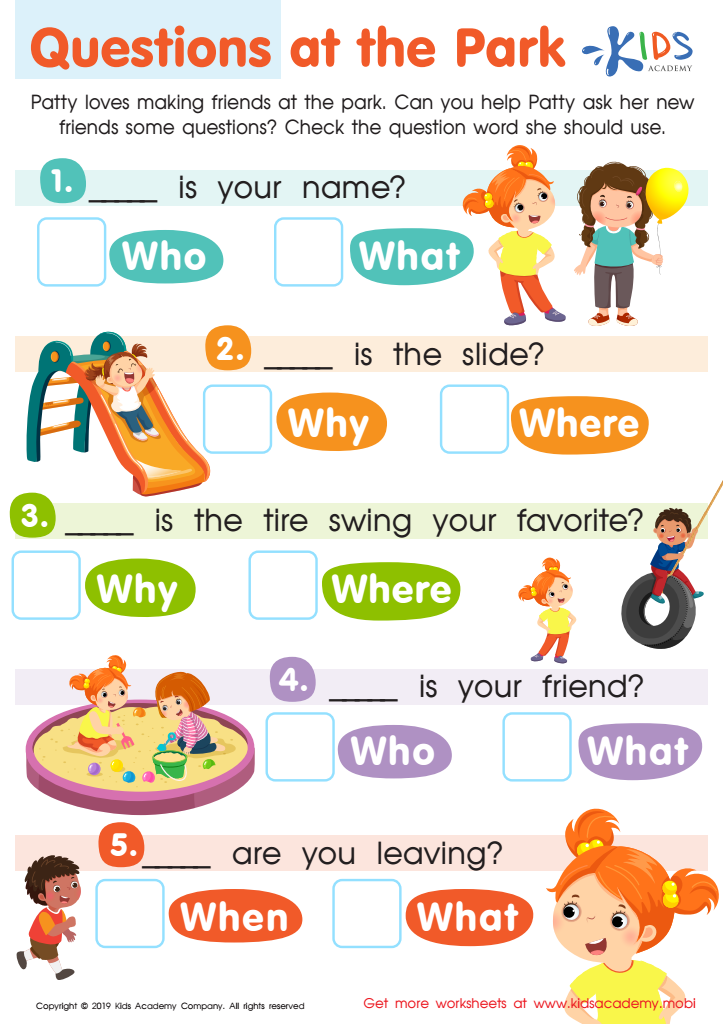
Questions at the Park Worksheet
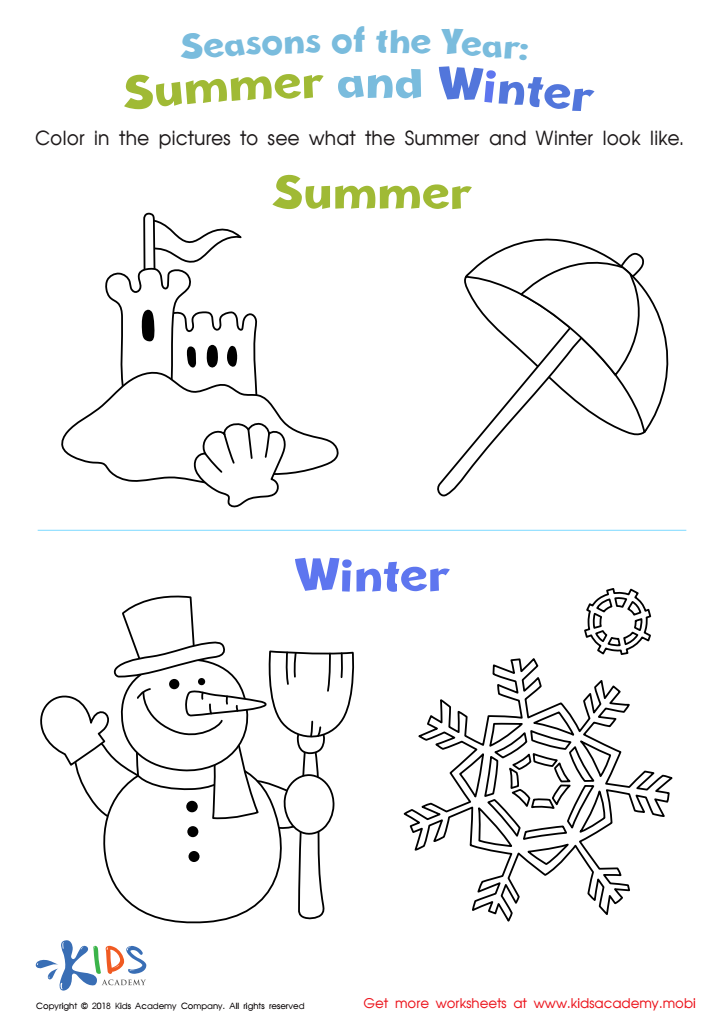
Summer and Winter Worksheet
 Assign to My Students
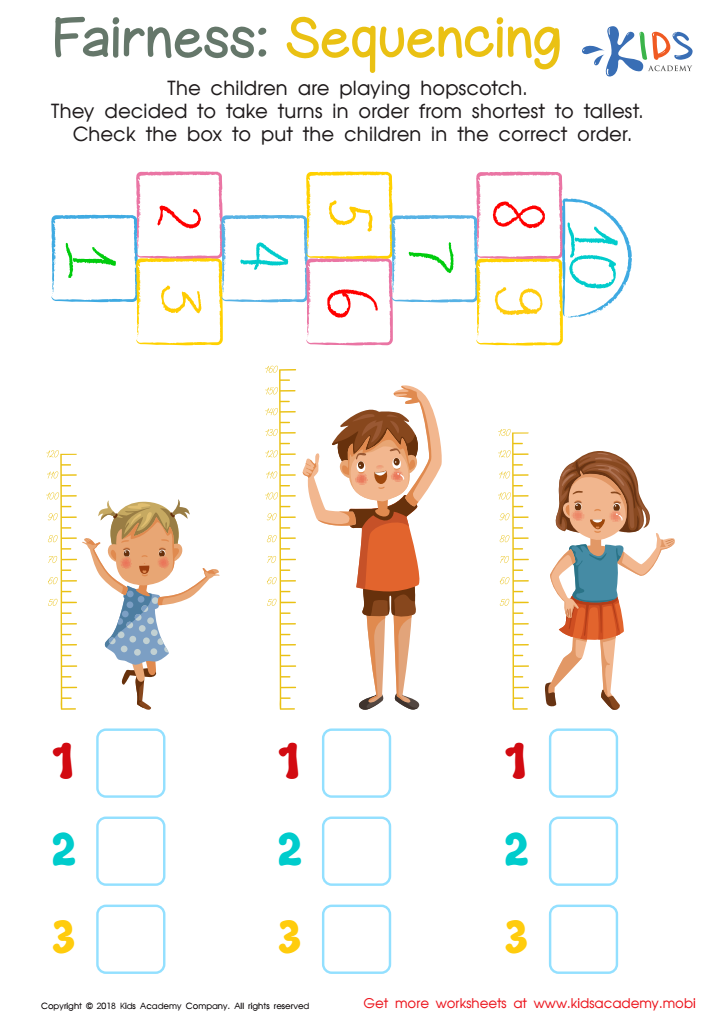
Fairness: Sequencing Worksheet
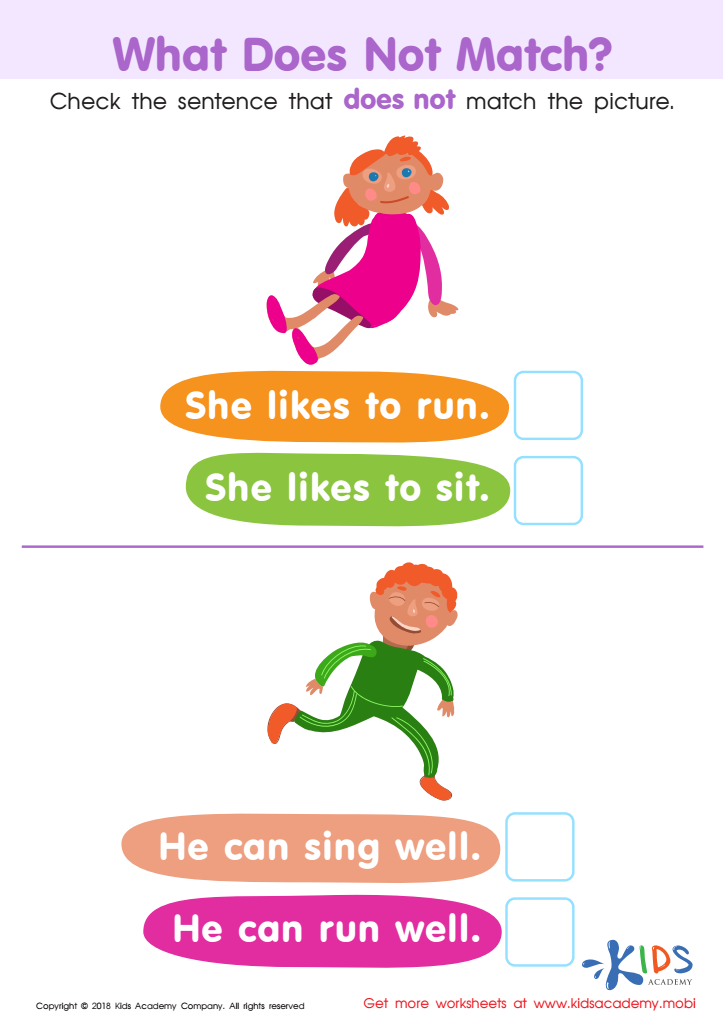
What Does Not Match? Worksheet


.jpg)




Parents and teachers should prioritize logical reasoning for kindergarteners because it lays a crucial foundation for future learning and problem-solving skills. Early exposure to logical reasoning helps young children develop critical thinking capabilities, which are essential for understanding complex concepts later in life. At this age, children's brains are incredibly receptive and adaptable, meaning that introducing logical puzzles and activities can significantly enhance their cognitive development.
Through logical reasoning exercises, children learn to identify patterns, make connections between ideas, and think sequentially. These skills not only improve their academic abilities but also boost their everyday decision-making and problem-solving aptitude. For example, by solving simple puzzles or participating in logic-based games, children learn persistence and how to approach problems methodically rather than impulsively.
Furthermore, logical reasoning contributes to better mathematical and reading comprehension skills. In math, recognizing patterns and sequences is vital, while in reading, understanding cause-and-effect relationships enriches comprehension. It also encourages a positive attitude towards learning by making challenging tasks feel like an achievable adventure.
Overall, fostering logical reasoning skills in kindergarten builds a strong educational foundation that supports continuous intellectual growth, adaptability, and a lifelong love of learning, resonating benefits that extend well beyond the classroom.