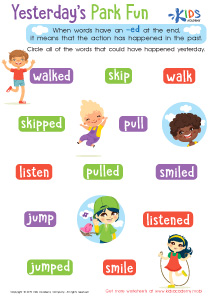
Visual Perception Skills Easy Kindergarten Worksheets
4 filtered results
-
From - To
Introduce your little ones to the exciting world of learning with our Visual Perception Skills Easy Kindergarten Worksheets! Specially designed for young learners, these worksheets help children develop crucial skills such as pattern recognition, matching, and sorting through engaging and fun activities. By enhancing their visual perception, kids improve their ability to interpret and make sense of visual information, setting a strong foundation for reading, writing, and problem-solving. Perfect for classroom use or at-home practice, our worksheets make learning enjoyable and effective, ensuring your child stays ahead in their educational journey. Download now and watch them thrive!
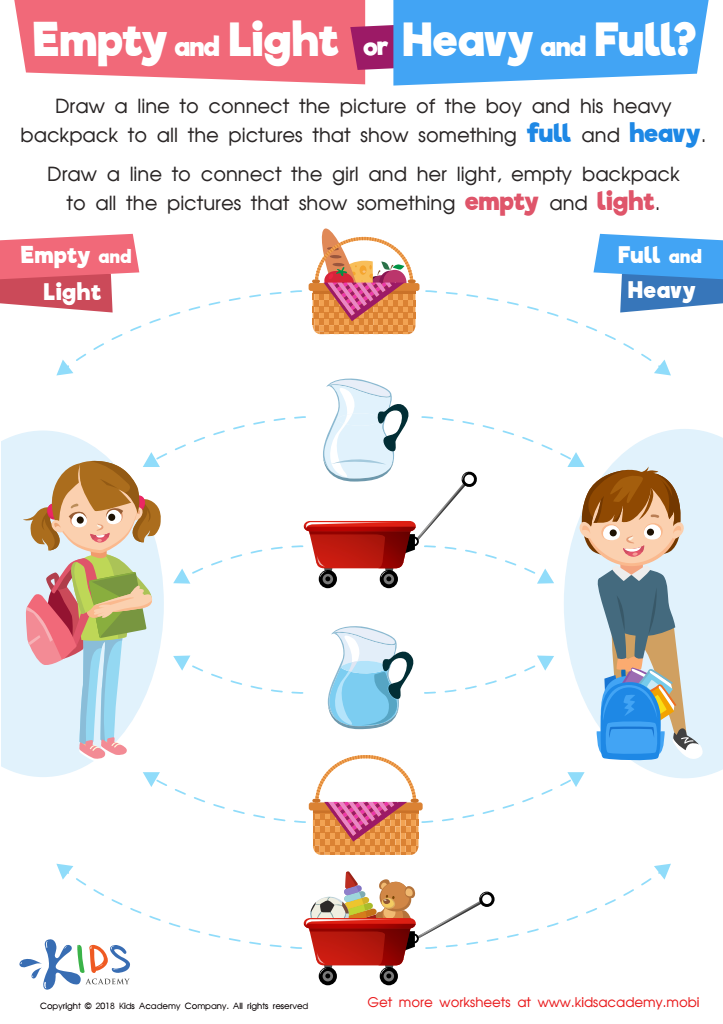
Empty and Light or Heavy and Full? Worksheet
 Assign to My Students
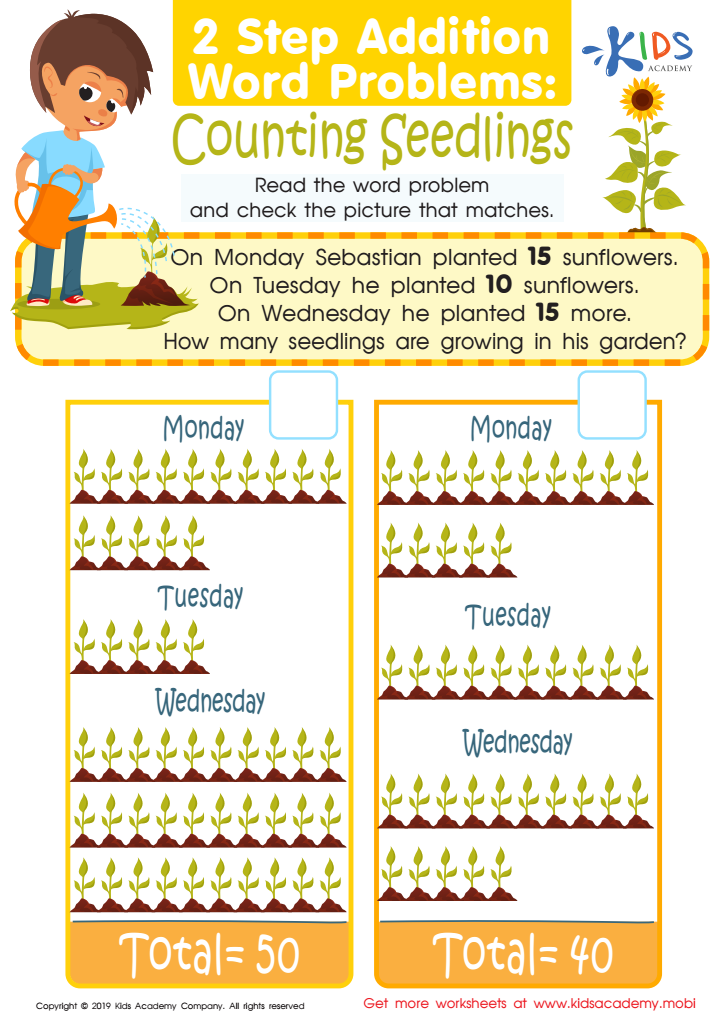
Counting Seedlings Worksheet
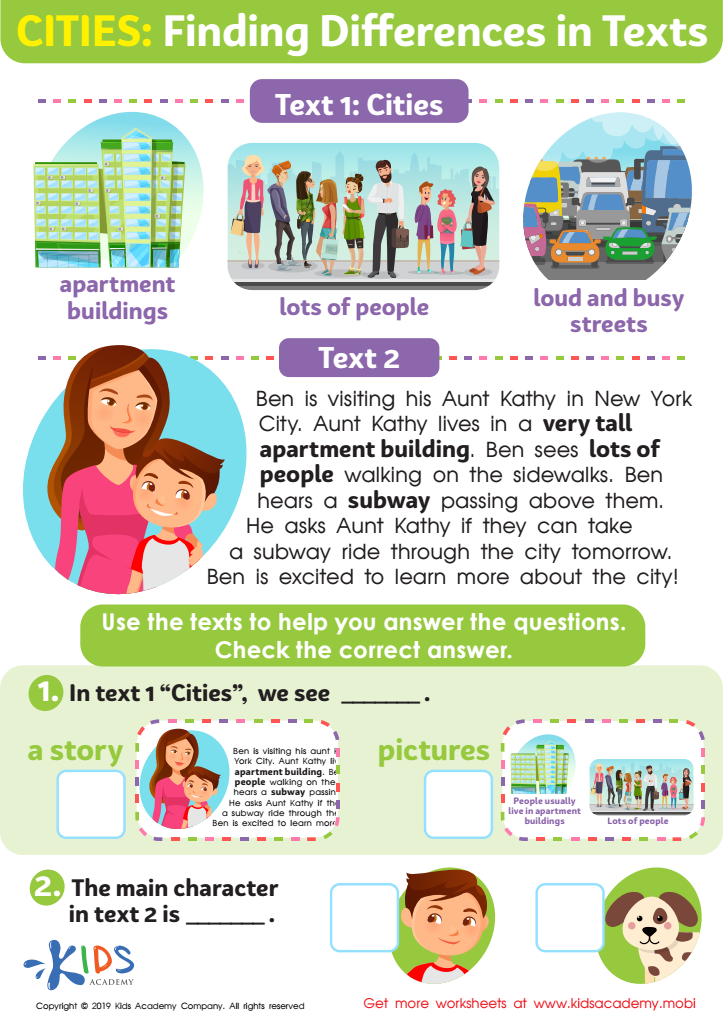
Cities: Finding Differences Worksheet
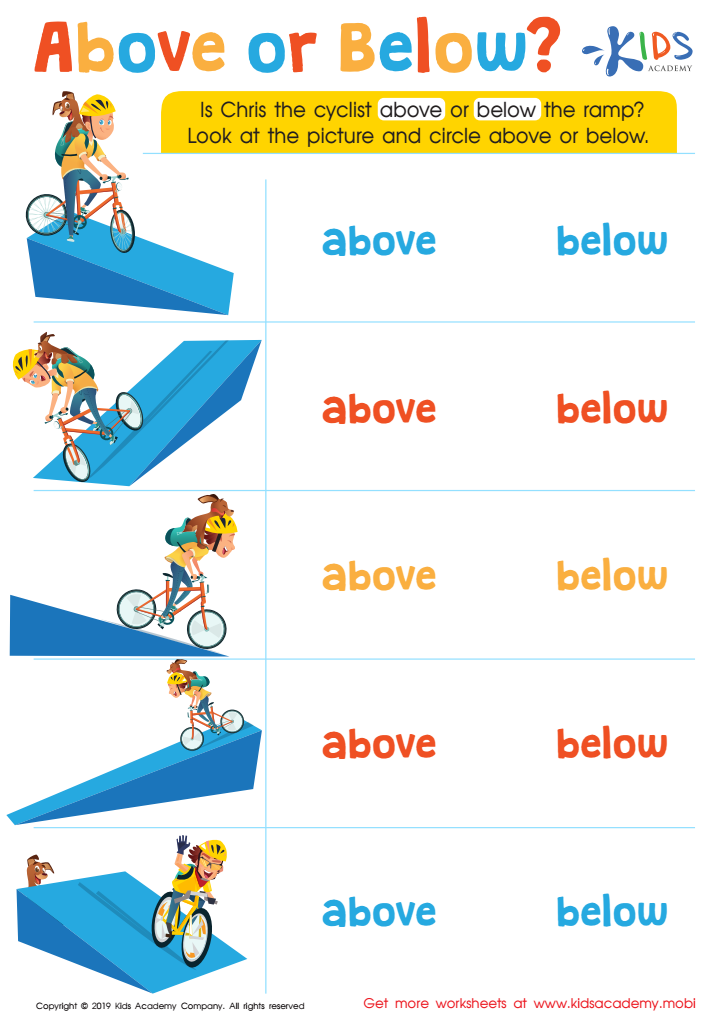
Above or Below? Worksheet



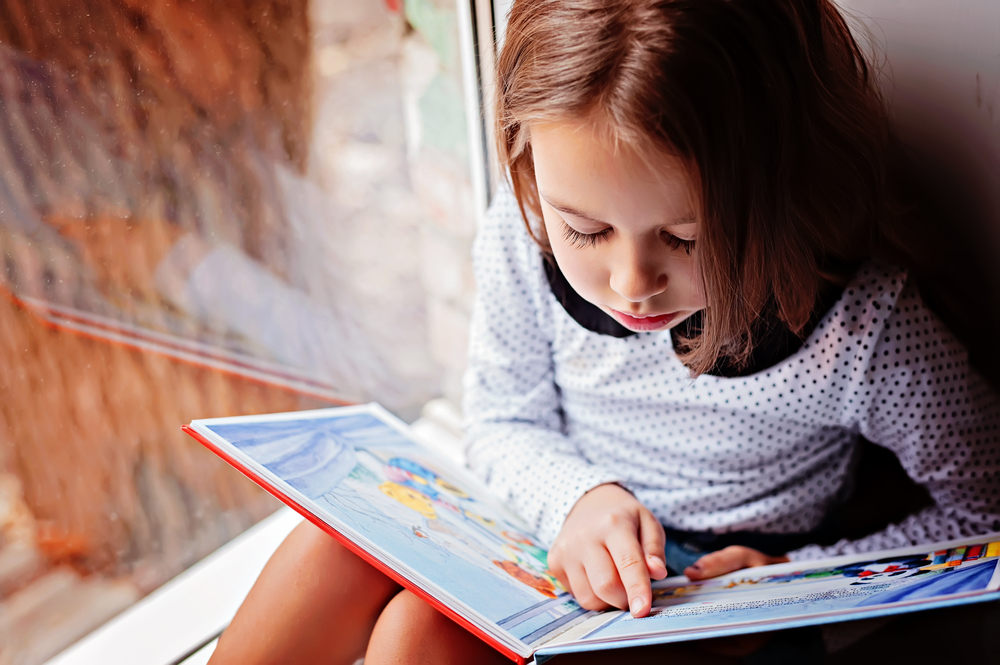



Parents and teachers should care about visual perception skills in kindergarten because these abilities are foundational for academic and daily life success. Visual perception skills involve the brain's ability to make sense of what the eyes see, ensuring children can interpret, analyze, and understand visual information. Key aspects include recognizing shapes, sizes, and colors, spatial orientation, understanding patterns and sequences, and focused attention to details.
In early education, these skills directly impact learning areas like reading, writing, and mathematics. For instance, distinguishing between letters like 'b' and 'd' helps in reading development. Visual memory aids in recalling letters and numbers, essential for literacy and numeracy. In writing, skills like spatial awareness ensure proper letter placement and word spacing.
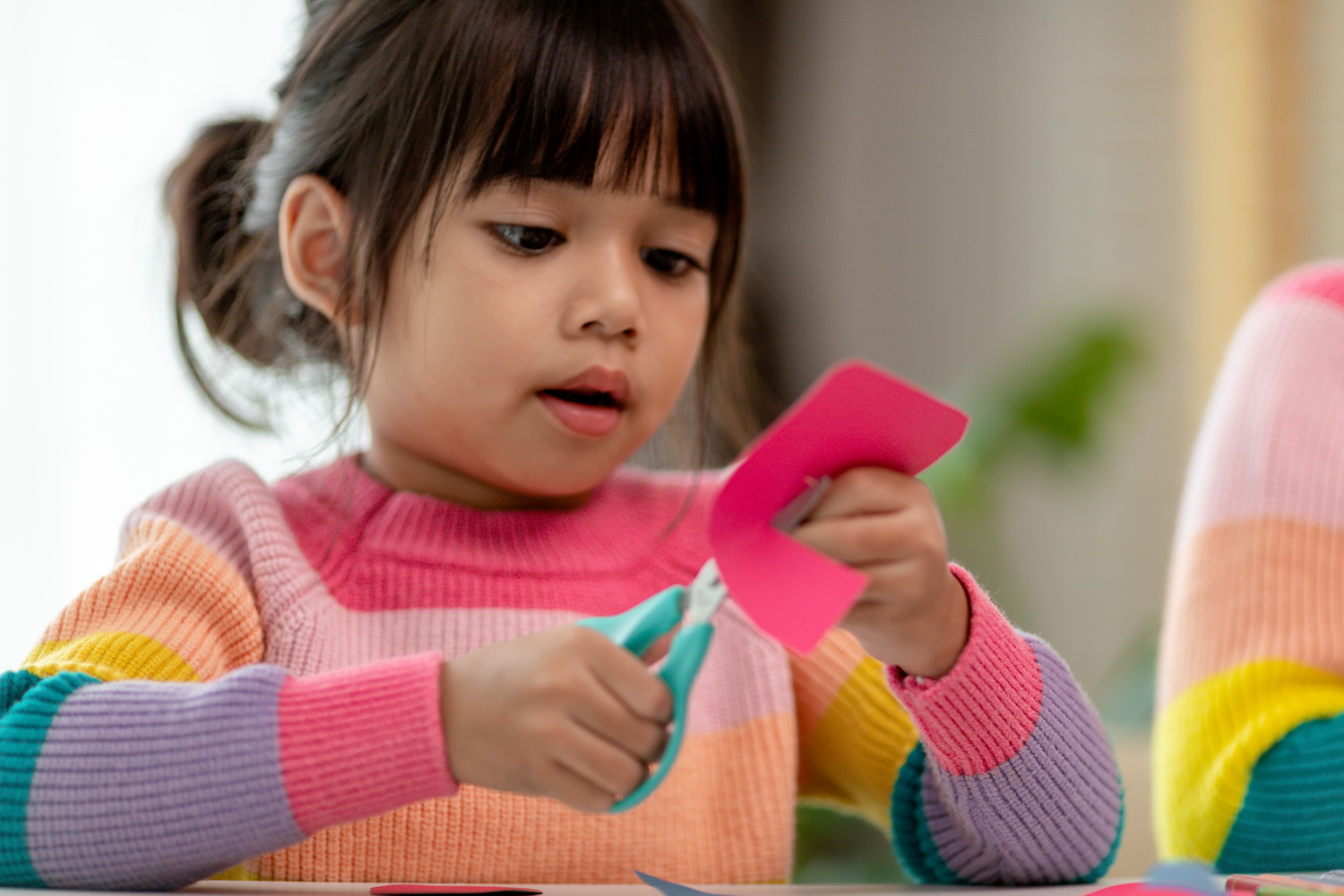
Beyond academics, strong visual perception supports daily activities such as tying shoes, using scissors, and organization of items, promoting overall independence. Children with well-developed visual perception can better participate in sports and physical activities, which are vital for physical health and social interaction.
By nurturing these skills early, parents and teachers can provide children with a robust toolkit that enhances their ability to learn and navigate their environments confidently and competently, setting the stage for future success and self-assuredness.