Cognitive Development Easy Kindergarten Reading Worksheets
5 filtered results
-
From - To
Explore our "Cognitive Development Easy Kindergarten Reading Worksheets," designed to transform learning into a fun and engaging experience for young learners! These specially crafted worksheets focus on honing essential cognitive skills such as comprehension, memory, and problem-solving through interactive reading activities. Each worksheet encourages critical thinking and enhances vocabulary, supporting children in building a strong foundation for literacy. Ideal for at-home or classroom use, our easy-to-follow layouts and vibrant graphics keep students motivated and excited about reading. Give your kindergarteners the tools they need to succeed in their educational journey with our comprehensive cognitive development resources today!
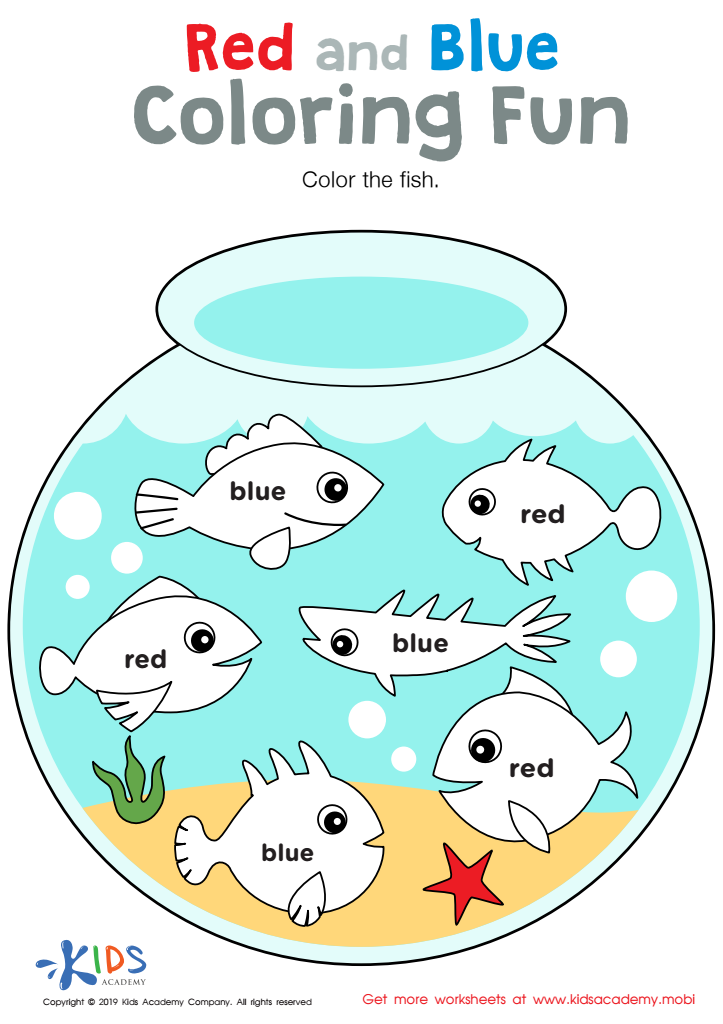
Red and Blue Coloring Fun Worksheet
 Assign to My Students
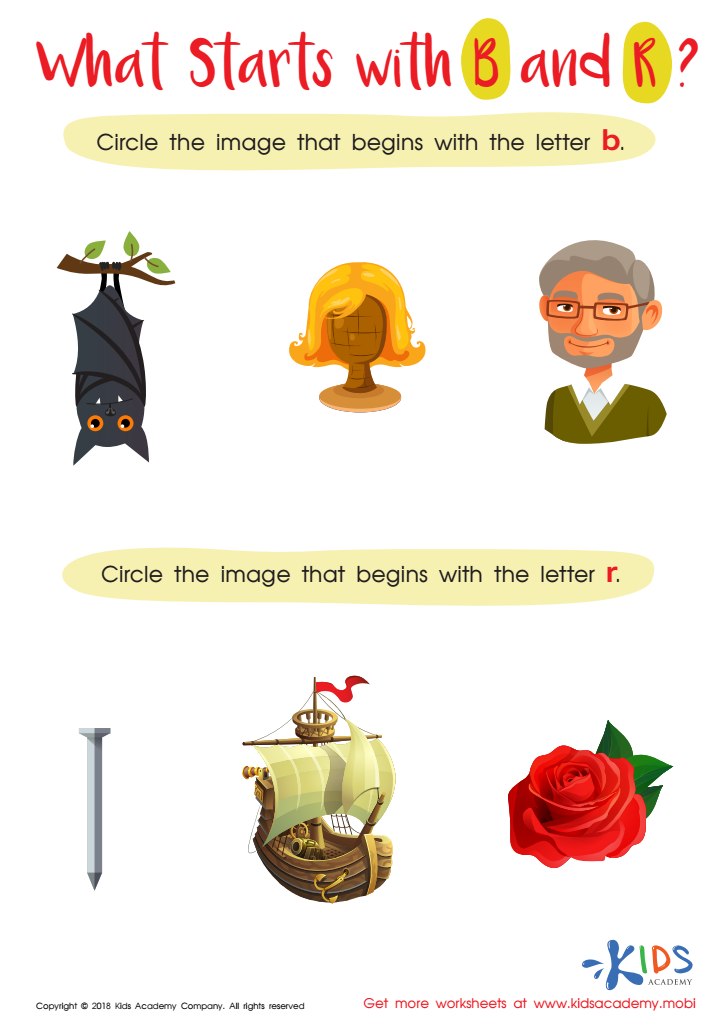
What Starts with B and R? Worksheet
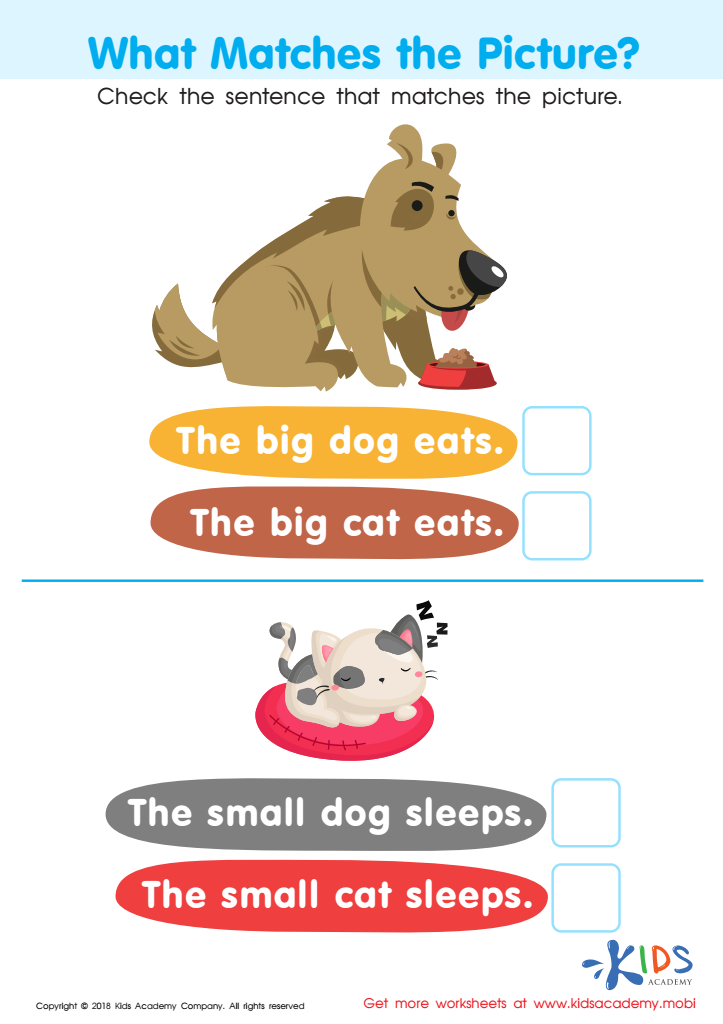
What Matches the Picture? Worksheet
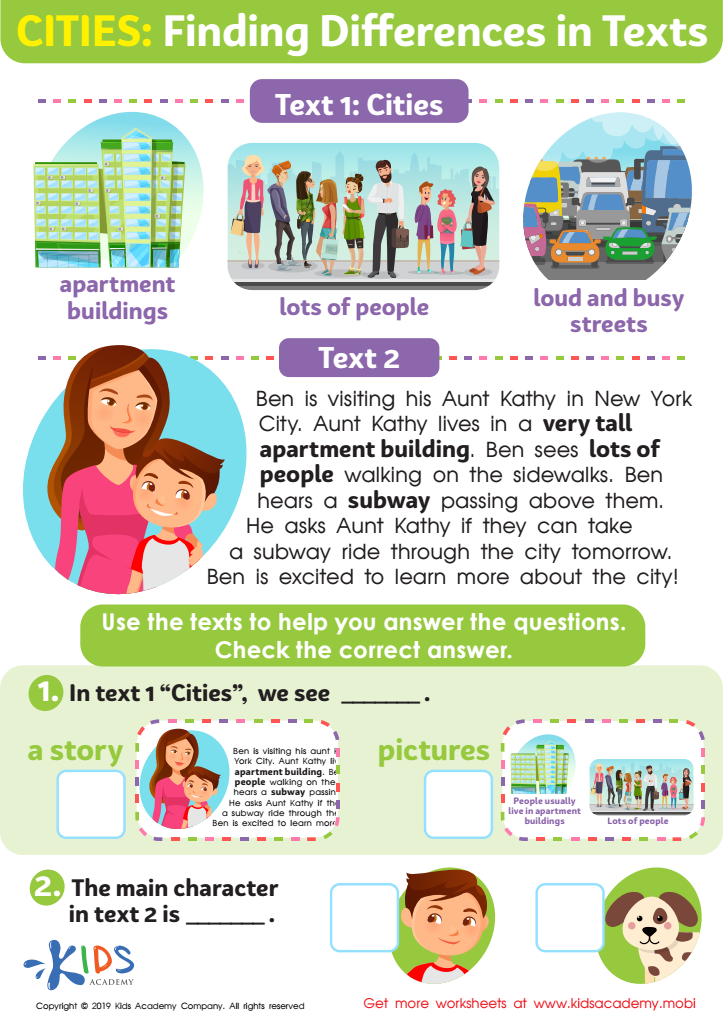
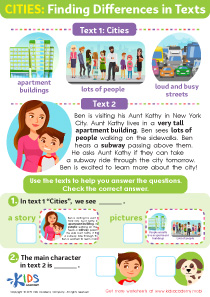
Cities: Finding Differences Worksheet
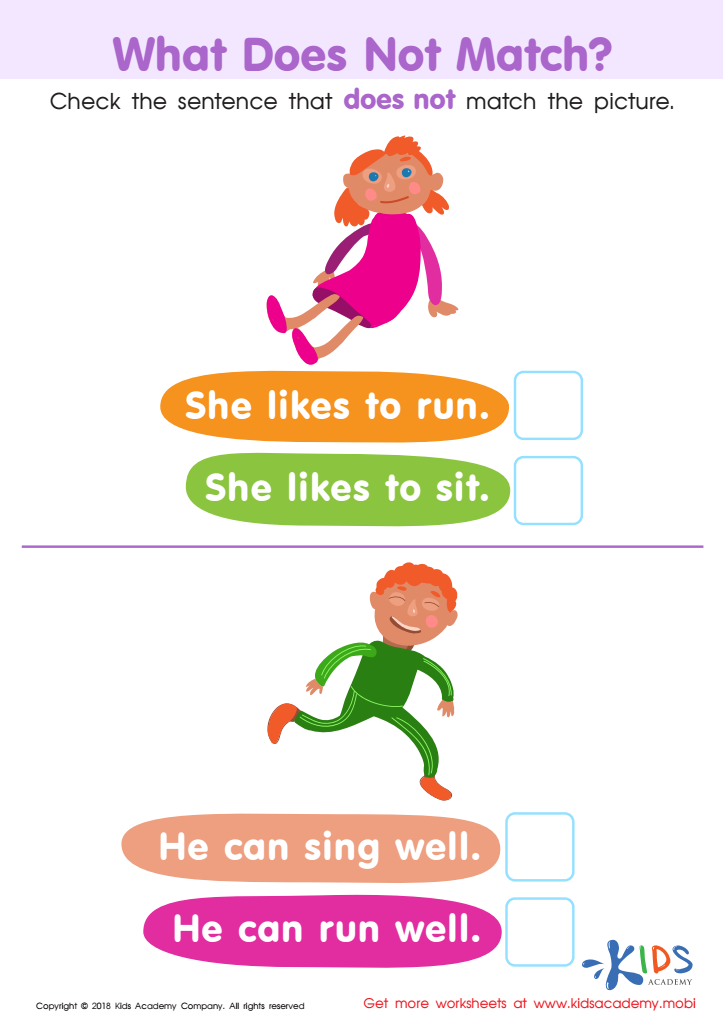
What Does Not Match? Worksheet







Cognitive development plays a crucial role in a child's overall growth and learning, especially in early childhood, which lays the foundation for future academic success. For parents and teachers, recognizing the importance of cognitive development during kindergarten reading activities is essential. Engaging children with age-appropriate reading materials fosters critical thinking, problem-solving skills, and language development—all vital for holistic education.
When caregivers prioritize stimulating cognitive development through easy kindergarten reading, they encourage kids to comprehend and analyze stories rather than just memorize them. This approach promotes active engagement, helping children draw connections between text and their experiences, thereby enriching their understanding of the world.
Moreover, such reading activities can strengthen memory retention and improve attention spans. Kids learn to predict outcomes, make inferences, and express thoughts, promoting communication skills and emotional intelligence.
Incorporating cognitive development into reading practices sets the stage for lifelong learning habits and helps children become enthusiastic readers. By providing nurturing environments where intellectual curiosity is encouraged, parents and teachers not only support cognitive growth—ensuring children are better equipped to tackle future challenges—but also instill a love for literature that can benefit young learners for years to come.