History knowledge Easy Preschool 4th of July Worksheets
3 filtered results
-
From - To
Celebrate Independence Day with our engaging, educational worksheets designed for preschoolers! The "History Knowledge Easy Preschool 4th of July Worksheets" help young learners explore the significance of this patriotic holiday through fun activities. These printable resources feature colorful illustrations and simple prompts that introduce children to the history of Independence Day in an enjoyable way. As they color and complete these interactive worksheets, preschoolers develop critical thinking, creativity, and foundational historical knowledge. Perfect for classroom use or home learning, these worksheets make learning about history festive and accessible, ensuring your little ones celebrate while enhancing their understanding of this important day.
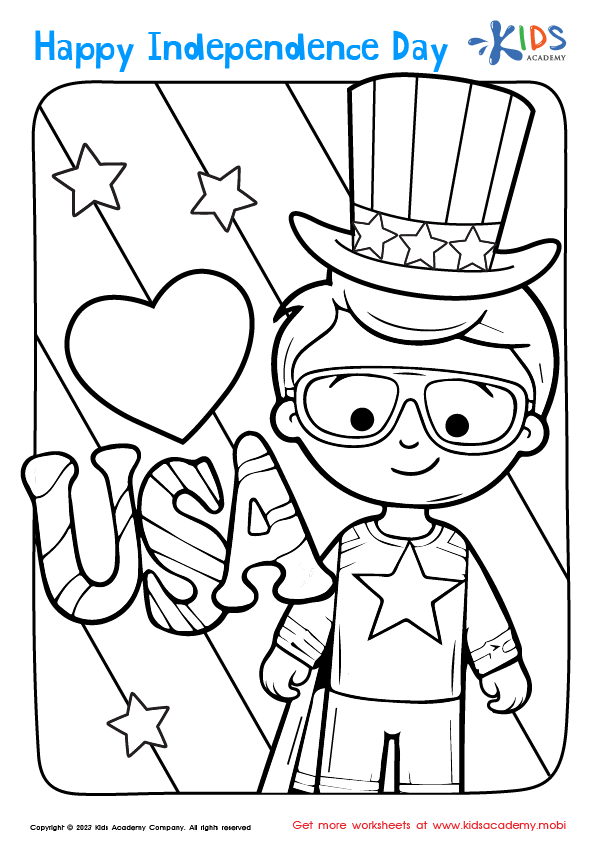
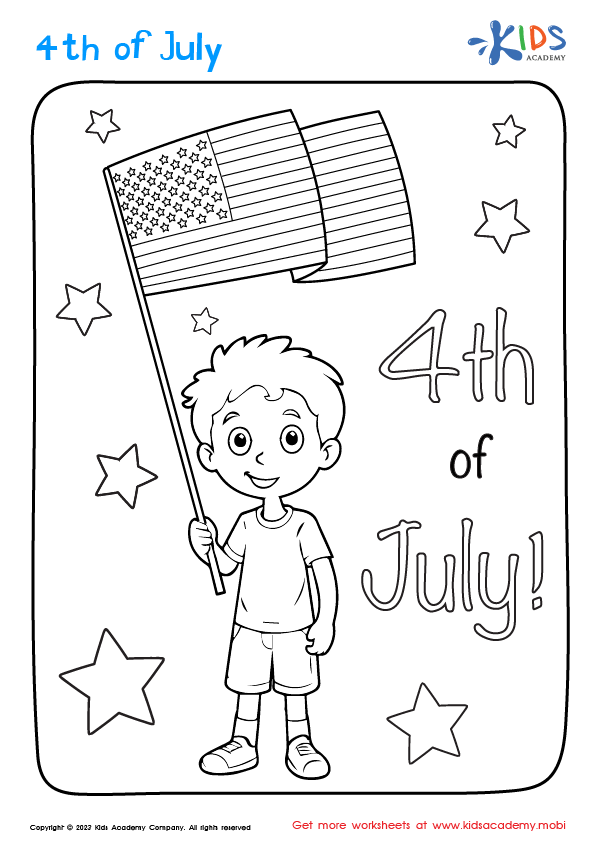
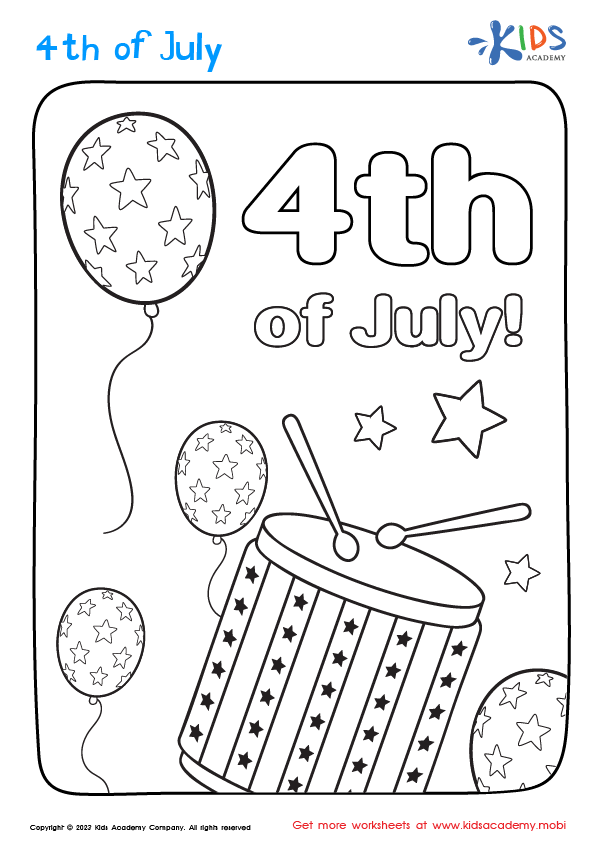


Parents and teachers should care about instilling a basic understanding of history, especially around significant events like the 4th of July, for young children. Learning about history enriches a child's understanding of their identity and the world around them. The 4th of July, a celebration of America’s independence, is not just a holiday but an opportunity to teach children about freedom, democracy, and the sacrifices made by those who fought for these ideals.
Engaging preschoolers in the story behind the holiday lays the groundwork for their appreciation of values like liberty and justice. This early exposure helps them develop critical thinking skills as they learn to connect past events with present realities, fostering a sense of civic responsibility.
Additionally, teaching history at a young age can be fun! Parents and teachers can use storytelling, crafts, songs, and parades to make learning interactive and relatable. Such activities nurture curiosity and teamwork, allowing children to grasp complex concepts in an enjoyable way. Ultimately, understanding history cultivates informed citizens, encourages respectful dialogue about differences, and helps children develop a well-rounded worldview that acknowledges the diverse narratives that shape our community and nation.