Color recognition Easy Grade 3 Plants Worksheets
3 filtered results
Difficulty Level
Grade
Age
-
From - To
Subject
Activity
Standards
Explore our Color Recognition Easy Grade 3 Plants Worksheets, designed to engage young learners in a fun and interactive way! These worksheets help students identify and distinguish between various colors found in plant life, enhancing their observational skills and creativity. Your child will enjoy coloring vibrant illustrations of flowers, leaves, and trees while reinforcing their understanding of colors. Each worksheet promotes critical thinking and encourages artistic expression. Perfect for classroom use or at-home learning, these worksheets are a valuable resource for teachers and parents alike. Download now and watch your child thrive as they discover the colorful world of plants!
Favorites
With answer key
Interactive
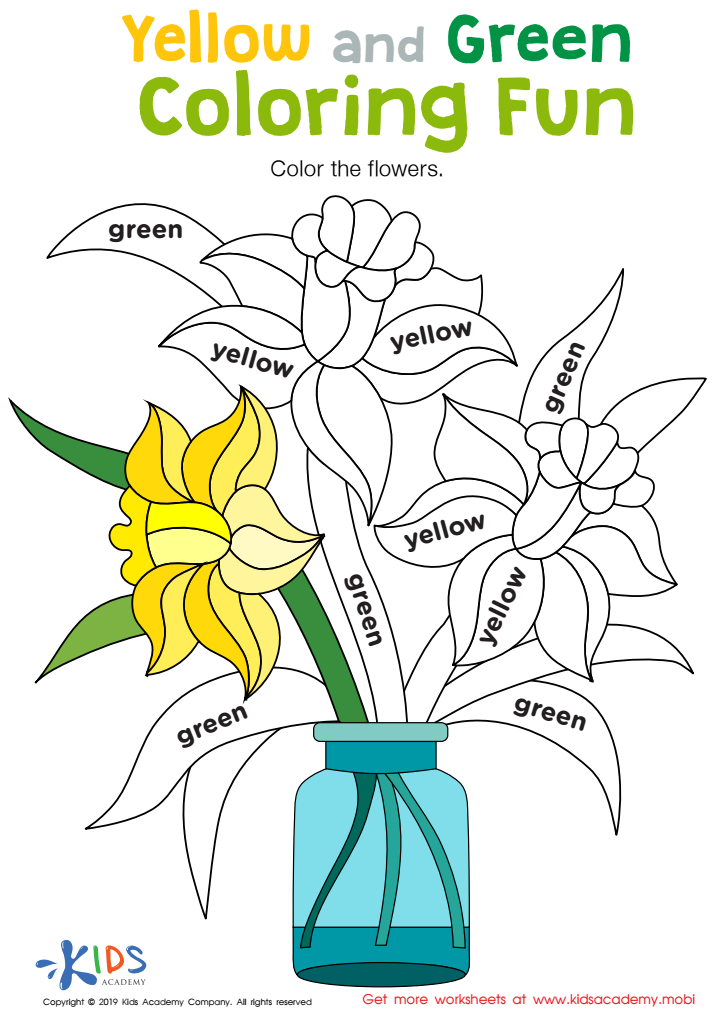
Yellow and Green Coloring Fun Worksheet
Sight words like "yellow" and "green" are easy to teach and fun for kids to learn. This free downloadable worksheet has kids read the color words and color the flower with yellow and green. A great activity for learning to read color words!
Download (PDF)
 Assign to My Students
Assign to My Students
Yellow and Green Coloring Fun Worksheet
Worksheet
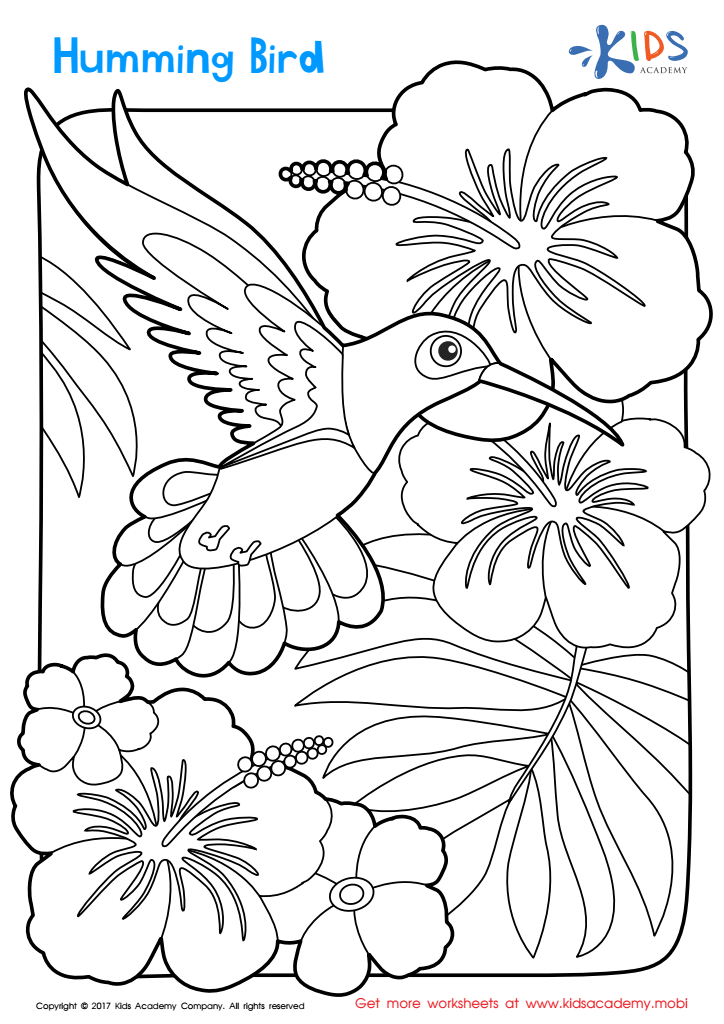
Humming Bird Worksheet
Encourage your child to explore nature with this lovely hummingbird coloring page! Use pictures to learn about the bird and extend the experience with a hummingbird feeder. See the beautiful creature in your own backyard!
Download (PDF)
Assign to My Students
Assign to My Students
Humming Bird Worksheet
Worksheet
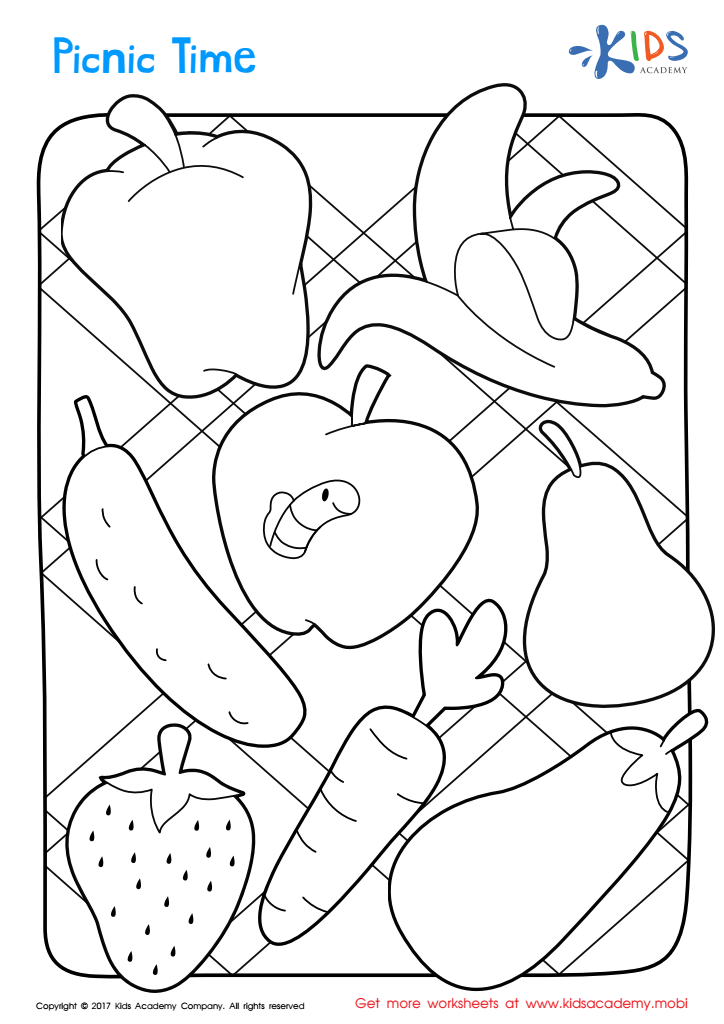
Picnic Time Coloring Page
Bringing juicy fruits and veggies to a picnic is ideal. With this Picnic Time coloring page, kids can get excited for a tasty outdoor meal. Discuss the different fruits and veggies while coloring for a fun and healthy activity!
Download (PDF)
Assign to My Students
Assign to My Students
Picnic Time Coloring Page
Worksheet
Join Kids Academy for Free
Who is primarily going to use this learning content?



Color recognition is a fundamental skill for young learners, especially in Grade 3, where many educational concepts evolve around visual understanding. For parents and teachers, nurturing this skill is crucial because it lays the groundwork for various cognitive processes, including critical thinking, problem-solving, and creativity. In the context of plants, learning about different colors can enhance students' ability to categorize and identify plant species, fostering a connection to the environment.
Furthermore, recognizing colors enriches a child’s descriptive vocabulary. Using color in the context of plants allows students to vividly communicate their observations and experiences, making lessons more engaging and concrete. For instance, discussing a "bright yellow sunflower" or a "deep green fern" helps to create mental images that aid retention and understanding.
Additionally, color recognition can stimulate sensory development, encouraging children to explore their surroundings. It aids in scientific observation; knowing the colors of various plants helps fulfill essential elements of the scientific method as students classify and compare species. Overall, enhancing color recognition serves as a bridge between art, nature, and science, fostering well-rounded learners. Therefore, parents and teachers should prioritize this skill as it opens doors to curiosity and lifelong learning.