Cognitive Development Easy Grade 3 Worksheets
6 filtered results
Difficulty Level
Grade
Age
-
From - To
Subject
Activity
Standards
Discover our engaging and educational "Cognitive Development Easy Grade 3 Worksheets," designed to enhance critical thinking and problem-solving skills in young learners. Our printables cover a variety of topics, including logic puzzles, memory games, and reasoning challenges, all tailored for third-grade students. These worksheets encourage creativity and promote cognitive growth through interactive activities that captivate children's imaginations. Educators and parents alike will find these resources valuable in supporting their child's intellectual progress. Download now and empower your third grader with fun, stimulating tasks that make learning a rewarding experience! Perfect for classroom use or at-home learning!
Favorites
With answer key
Interactive
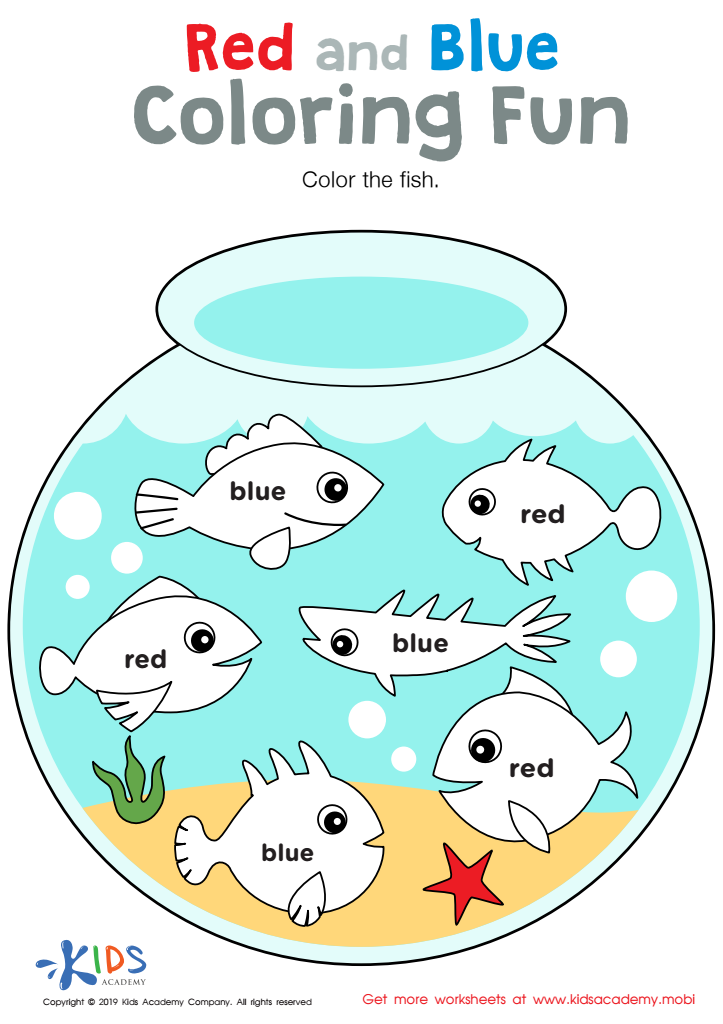
Red and Blue Coloring Fun Worksheet
Kids know colors like red and blue. But can they read these words? Give them practice with this fun fish bowl coloring sheet. They'll look at the fish, then color them the corresponding hue. Home or classroom, they'll be sure to get a kick out of learning colors in this creative way!
Download (PDF)
 Assign to My Students
Assign to My Students
Red and Blue Coloring Fun Worksheet
Worksheet
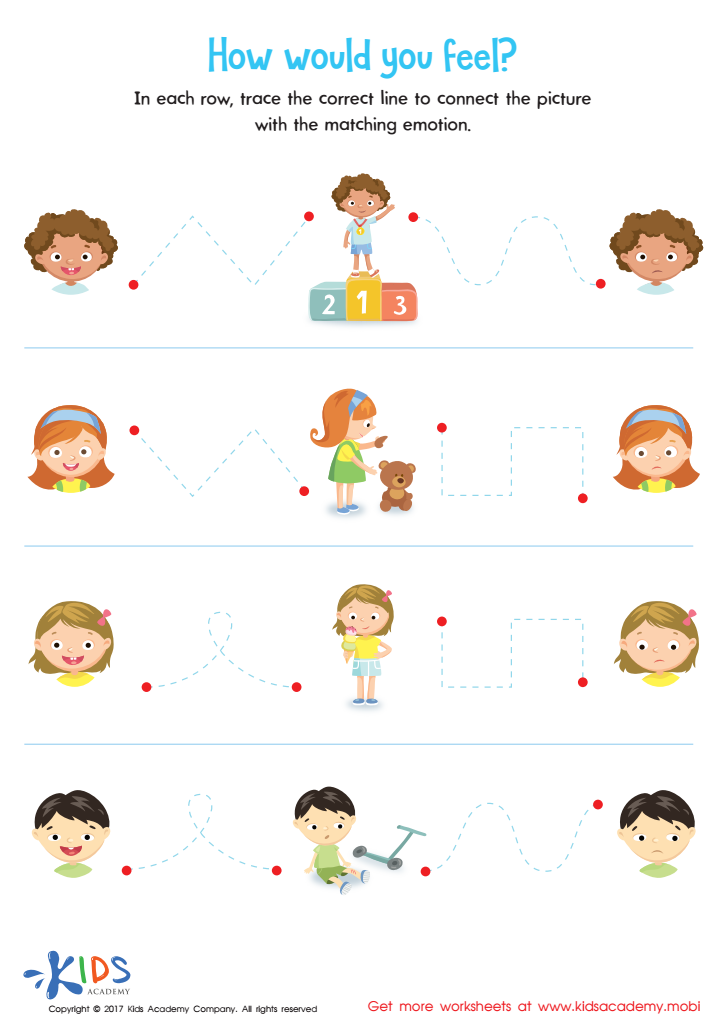
Feelings and Emotions Worksheet
Kids must learn how to deal with situations and handle their own emotions. This worksheet helps them practice empathy and resilience, making them more self-aware and confident. It also helps them to relate their life experiences to common disappointments and develop coping mechanisms.
Feelings and Emotions Worksheet
Worksheet
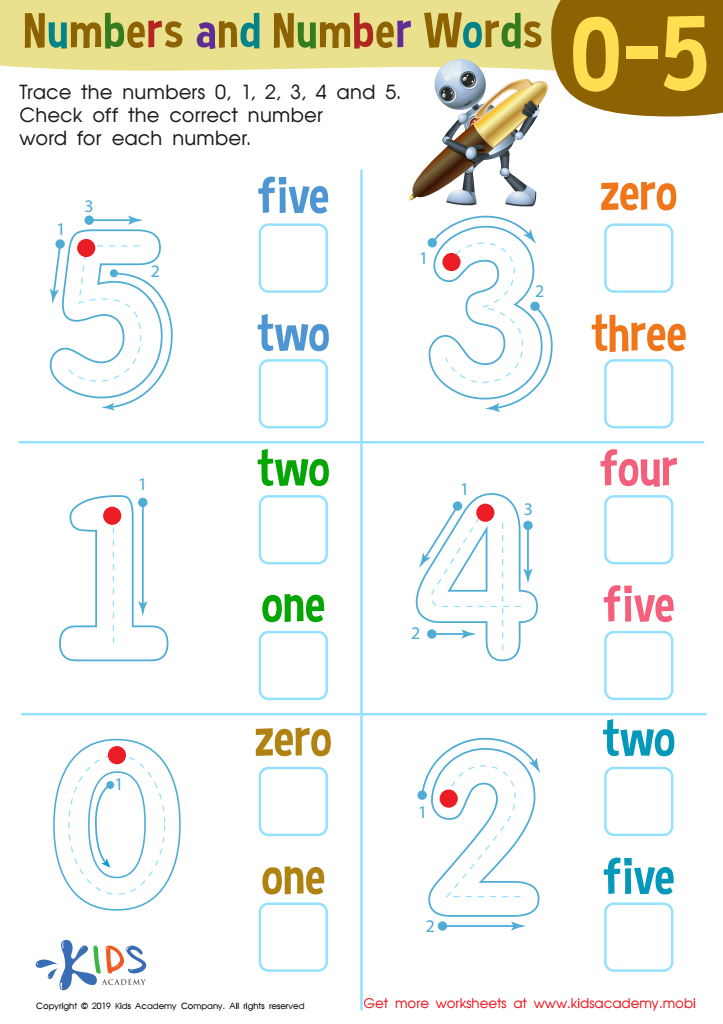
Numbers and Number Words Worksheet
Preschoolers can practice counting and recognizing numbers with this worksheet. Students trace the numbers zero through five and check the boxes next to each number to show the correct number word. Ideal for young kids, this printable helps them learn early math and number words.
Numbers and Number Words Worksheet
Worksheet
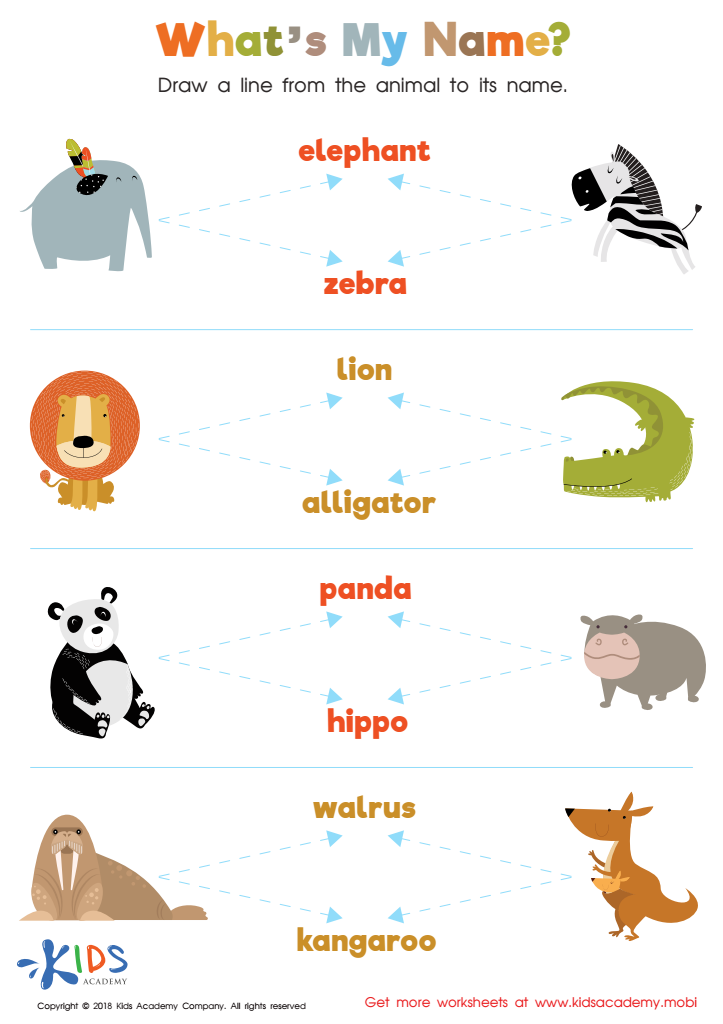
Animals and Their Names Worksheet
Match animals with their names with this worksheet! Draw a line from the word to its picture. Say the name of each animal. Later, search for these animals at the zoo - great for reinforcing learning!
Animals and Their Names Worksheet
Worksheet
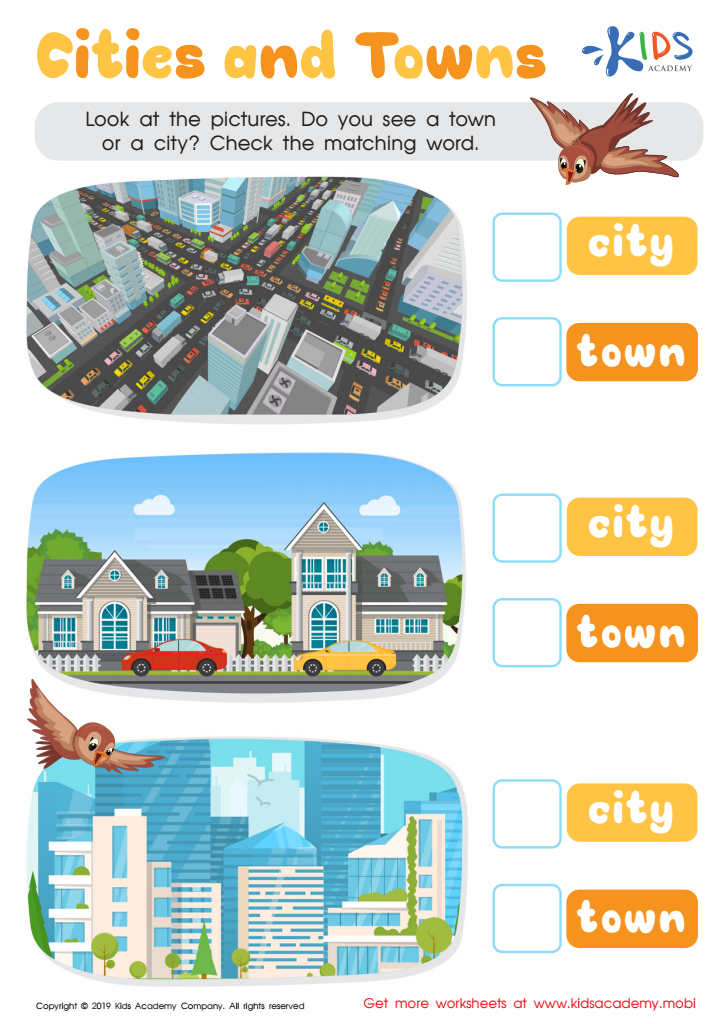
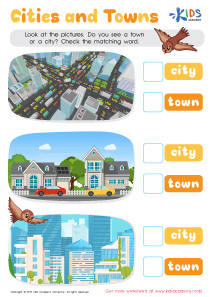
Cities and Towns Worksheet
Cities are buzzy and busy while towns tend to be peaceful. Ask your child if they can tell which one is which from a picture. This could be a great way to test their understanding of the differences between towns and cities. There are many businesses in cities, tall buildings and lots to do. Meanwhile towns are usually quieter.
Cities and Towns Worksheet
Worksheet
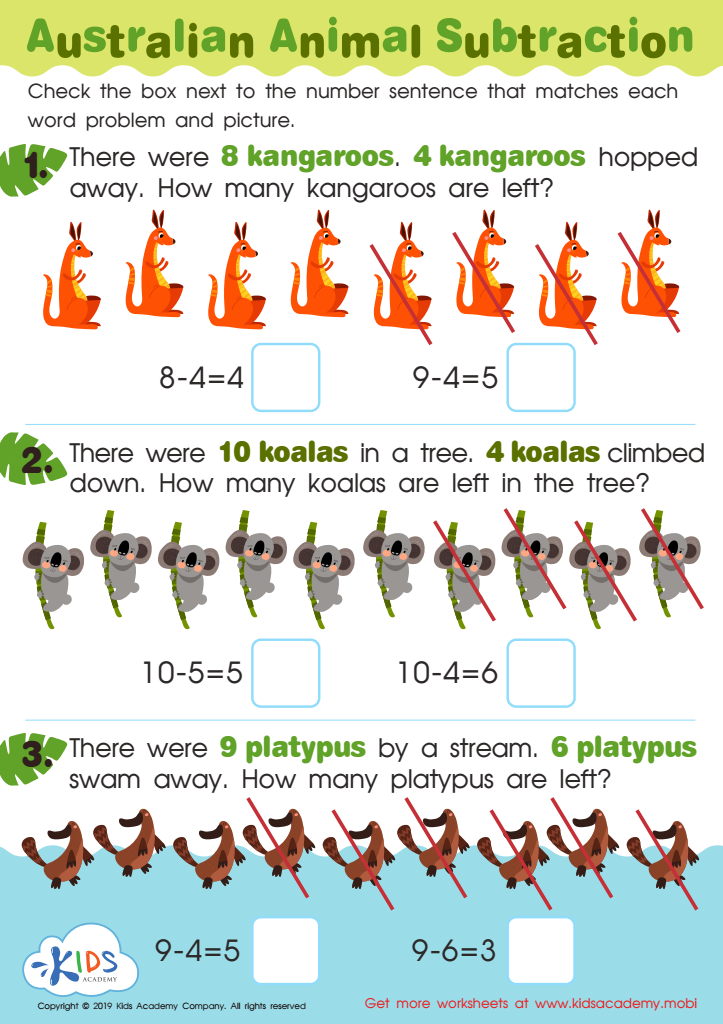
Australian Animal Subtraction Worksheet
Test your child's wildlife knowledge. Ask them to name animals indigenous to Australia or other countries. Show them the animals in this worksheet and have them match each word problem and picture with the correct number sentence.
Australian Animal Subtraction Worksheet
Worksheet
Join Kids Academy for Free
Who is primarily going to use this learning content?








Cognitive development refers to the growth and progression of a child’s ability to think, learn, and understand the world. For parents and teachers of grade 3 students, fostering cognitive development is crucial for several reasons.
Firstly, children are at a pivotal stage where they are honing critical thinking and problem-solving skills. By supporting cognitive development, adults can enhance children's abilities to analyze information, make connections, and develop logical reasoning. This lays the foundation for academic subjects like math, science, and reading.
Secondly, strong cognitive skills can lead to better emotional and social skills. As students learn to think critically about their actions and decisions, they become more adept at understanding others’ perspectives and managing their emotions. This is essential in building healthy relationships and effective communication.
Additionally, engaging children in stimulating activities, like puzzles, games, and discussion, can spark their curiosity and love for learning. When parents and teachers promote cognitive development, they empower children to become independent thinkers and lifelong learners.
Ultimately, caring about cognitive development is about equipping children with the tools they need to thrive in school and life, setting them up for future success and fulfillment.