Color Identification Easy Grade 3 Worksheets
3 filtered results
Difficulty Level
Grade
Age
-
From - To
Subject
Activity
Standards
Welcome to our Color Identification Easy Grade 3 Worksheets! Designed specifically for third-grade students, these engaging worksheets aid in honing essential color recognition skills while combining fun and learning. Each activity promotes critical thinking and creativity, guiding young learners in identifying, matching, and using colors effectively. Students will benefit from a variety of exercises that include interactive coloring, graphic organizers, and visual identification tasks, all aimed at enhancing their cognitive development. Perfect for classroom or at-home learning, these printable worksheets offer a seamless way to enrich your child's education. Boost their color confidence and watch their creativity flourish!
Favorites
With answer key
Interactive
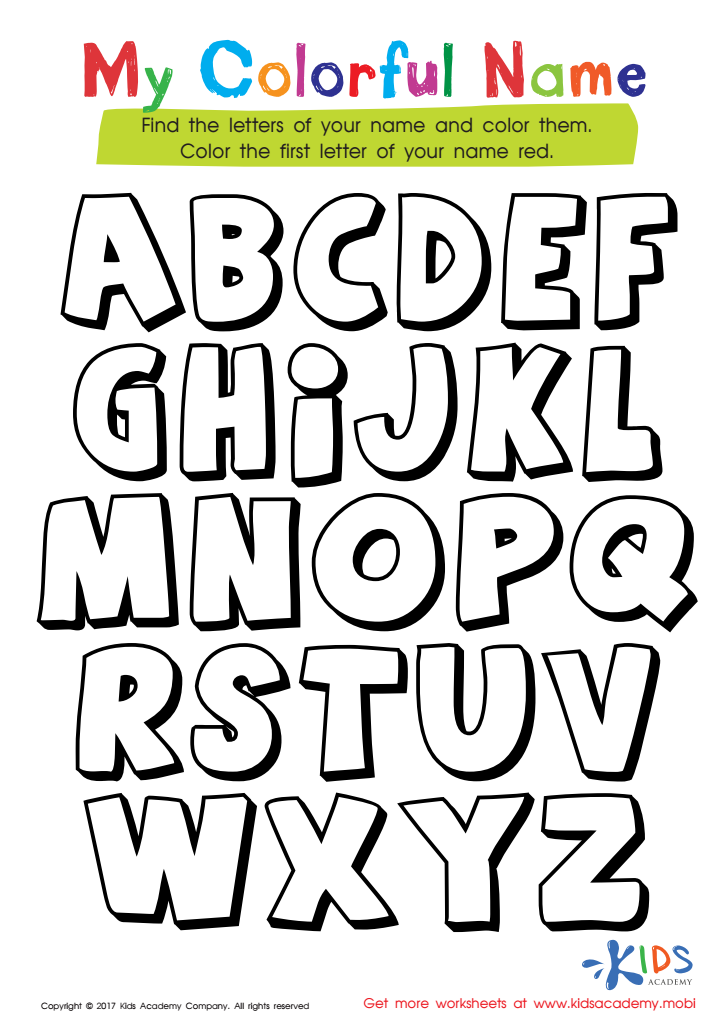
My Colorful Name Worksheet
Writing their names is a milestone for children. With this worksheet, they recall the letters in their name and color the letters one at a time. Spelling and alphabet order are reinforced as they find each letter. Use this fun printable to help kids learn to write their names!
Download (PDF)
 Assign to My Students
Assign to My Students
My Colorful Name Worksheet
Worksheet
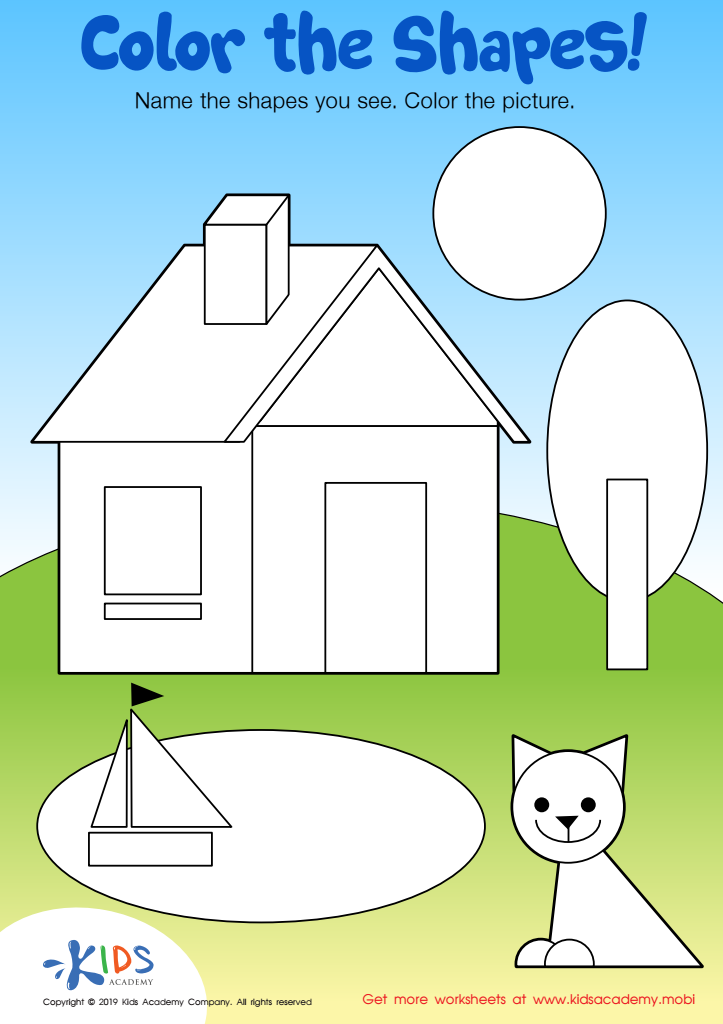
Color the Shapes Worksheet
Help your student master shape identification with this fun worksheet. Ask them to name the shapes in the picture, then color it! Ask questions like "How many squares do you see?" and "How many triangles?" to extend the learning. Identify squares, circles, triangles and rectangles with this enjoyable coloring page.
Download (PDF)
Assign to My Students
Assign to My Students
Color the Shapes Worksheet
Worksheet
Join Kids Academy for Free
Who is primarily going to use this learning content?






Color identification plays a crucial role in early childhood education, particularly for students in Grade 3. Understanding colors goes beyond simply naming them; it aids in cognitive development and enhances observational skills. For parents and teachers, fostering these skills in young learners is essential for a variety of reasons.
First, color identification builds foundational knowledge for subjects such as art, science, and math. For instance, understanding primary colors is vital for mixing colors, while recognizing shapes often involves knowing their colors. This makes the learning experience more engaging and interactive.
Second, mastering color identification can boost a child's self-confidence and communication skills. When children can accurately name and discuss colors, they can better express their ideas and preferences, whether it’s about their art projects or favorite toys.
Lastly, color recognition is essential for developing critical thinking skills. It's an important aspect of categorization and helps children make connections between their environment and their understanding of the world. This cognitive skill set is fundamental in developing problem-solving abilities.
Overall, emphasizing color identification is an important investment in a child’s educational journey, benefiting their social, emotional, and intellectual growth. Parents and teachers should prioritize activities that involve color to enhance learning and development.