Map reading skills Easy Grade 3 Worksheets
3 filtered results
-
From - To
Enhance your third grader's geography skills with our engaging Map Reading Skills Easy Grade 3 Worksheets! Tailored specifically for young learners, these worksheets make understanding maps both fun and educational. Featuring a range of activities from labeling locations to interpreting symbols and directions, each worksheet aims to boost your child's confidence in reading and using maps. With clear instructions and captivating visuals, these printable resources encourage independent learning and curiosity about the world. Perfect for classroom use or at-home practice, our worksheets are designed to support your child's educational journey in a fun and interactive way. Start exploring today!
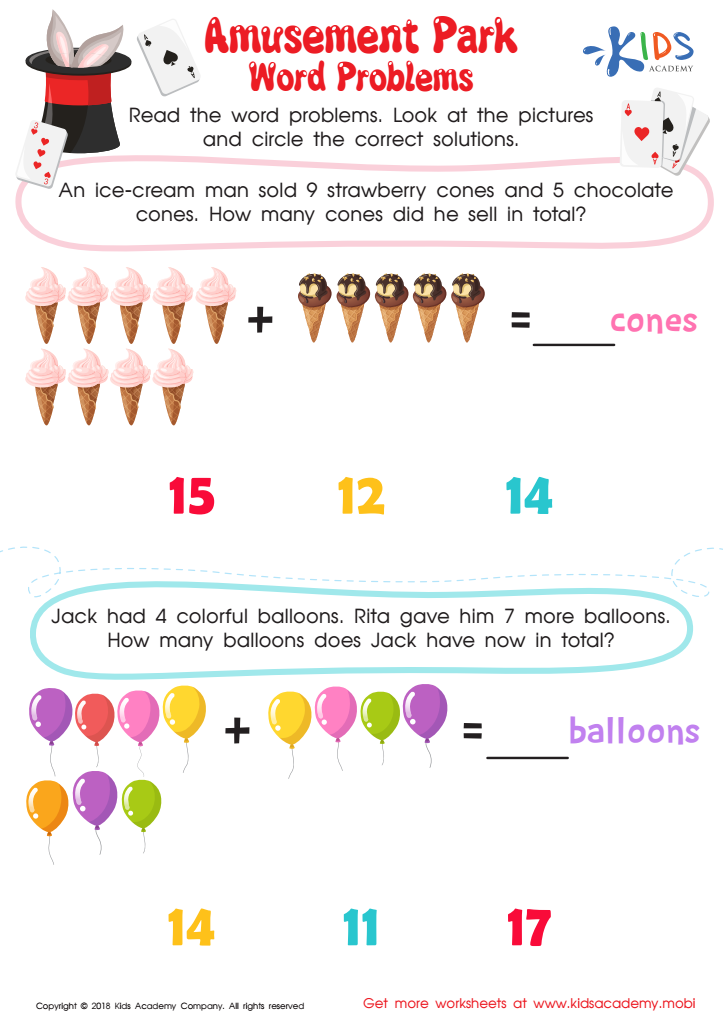
Amusement Park Word Problems Worksheet
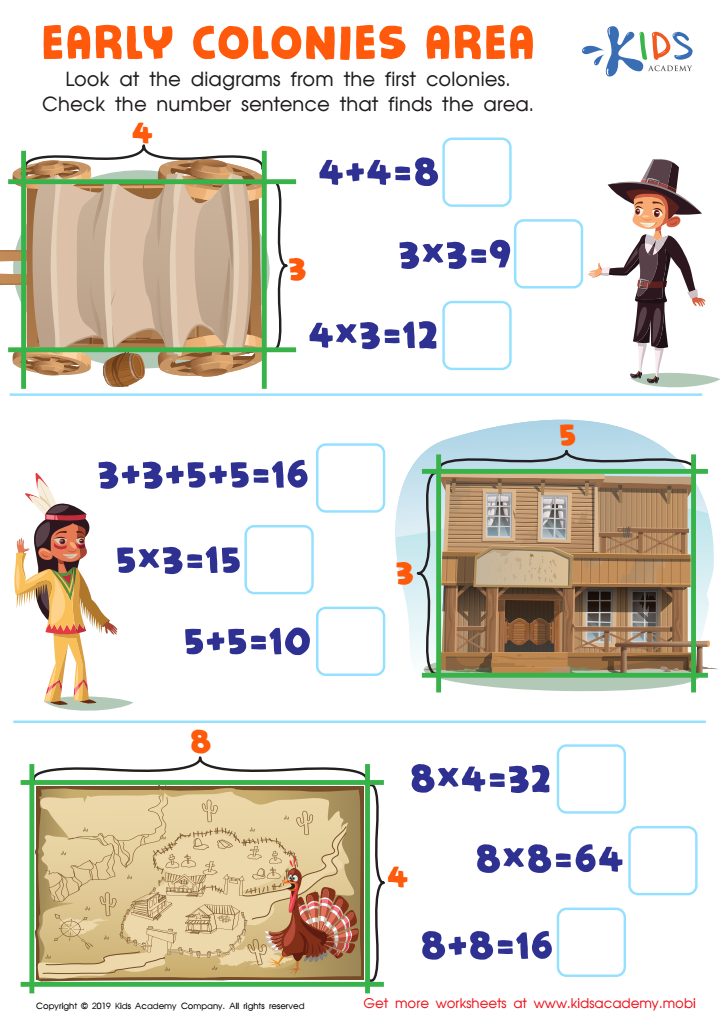
Early Colonies Area Worksheet
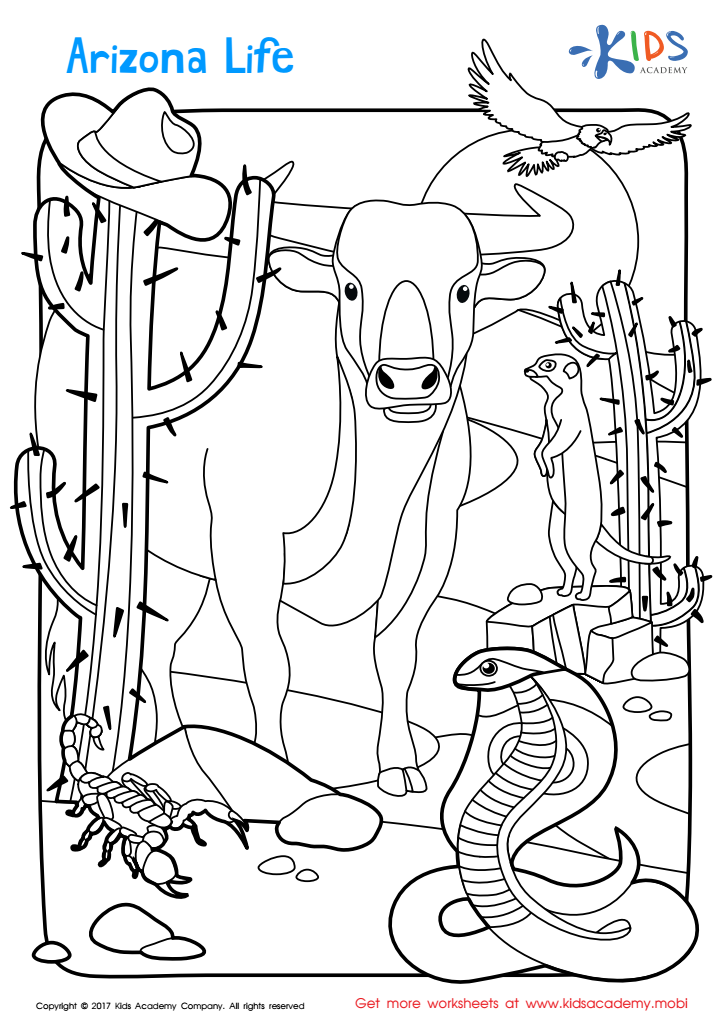
Arizona Coloring Page Worksheet
 Assign to My Students






Map reading skills are an essential component of a child's education, as they promote both practical abilities and broader cognitive development. For third graders, learning to understand and interpret maps nurtures their spatial thinking, which is critical for subjects like math, science, and geography. As young learners, children begin to develop an understanding of the world beyond their immediate environment, and maps can provide a tangible way to visualize this expanding knowledge.
Parents and teachers should prioritize map reading skills because they also enhance a child's problem-solving abilities. Reading a map involves interpreting symbols, understanding scales, and making connections between visual representations and real-world locations. This process strengthens analytical thinking and improves the ability to follow and give directions, which are useful life skills.
Additionally, proficiency in map reading can boost a child’s confidence and independence, equipping them to navigate unfamiliar environments responsibly. Integrating map activities in lessons can make learning interactive and fun, fostering a greater interest in exploration and curiosity about the world.
In summary, developing map reading skills by grade 3 prepares children for more advanced learning, enhances their reasoning abilities, and fosters a sense of independence and responsibility, making it a critical aspect of early education.