Vocabulary Building Easy Grade 3 Worksheets
3 filtered results
-
From - To
Unlock the power of words with our Vocabulary Building Easy Grade 3 Worksheets! Designed specifically for third graders, these engaging worksheets focus on enhancing vocabulary through fun exercises and activities. Children will explore synonyms, antonyms, and word meanings, fostering a deeper understanding of language. Each worksheet provides a range of interactive tasks that incorporates reading, writing, and critical thinking skills, making learning enjoyable and effective. Perfect for classroom use or home practice, our worksheets support young learners in building their vocabulary confidence. Help your child express themselves better and excel in their literacy skills with our thoughtfully designed resources!
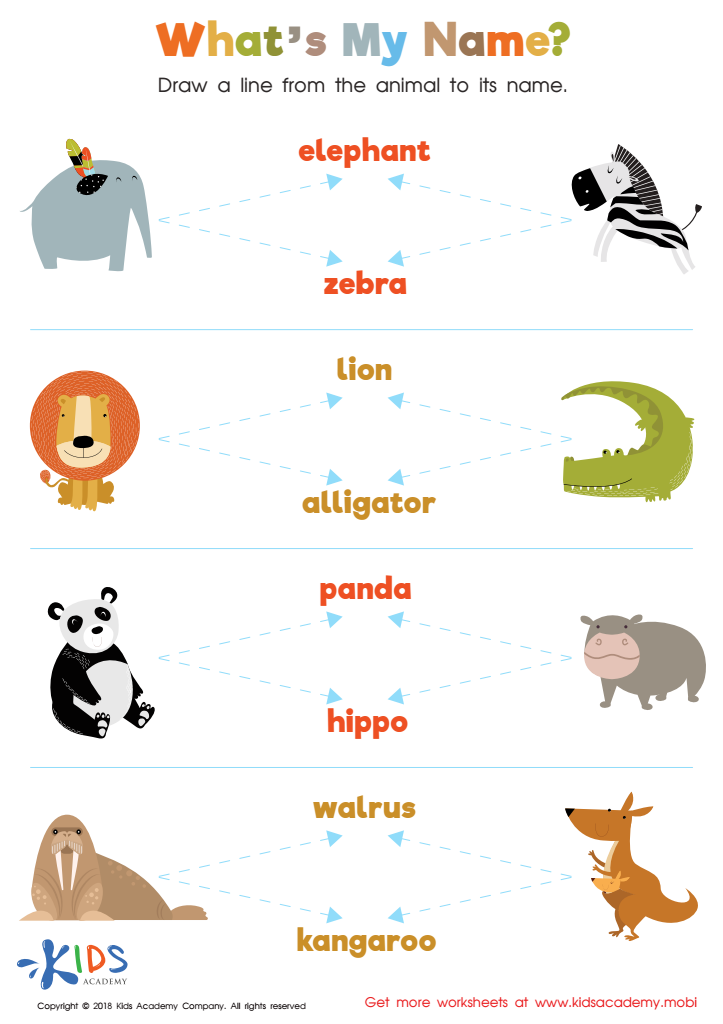
Animals and Their Names Worksheet
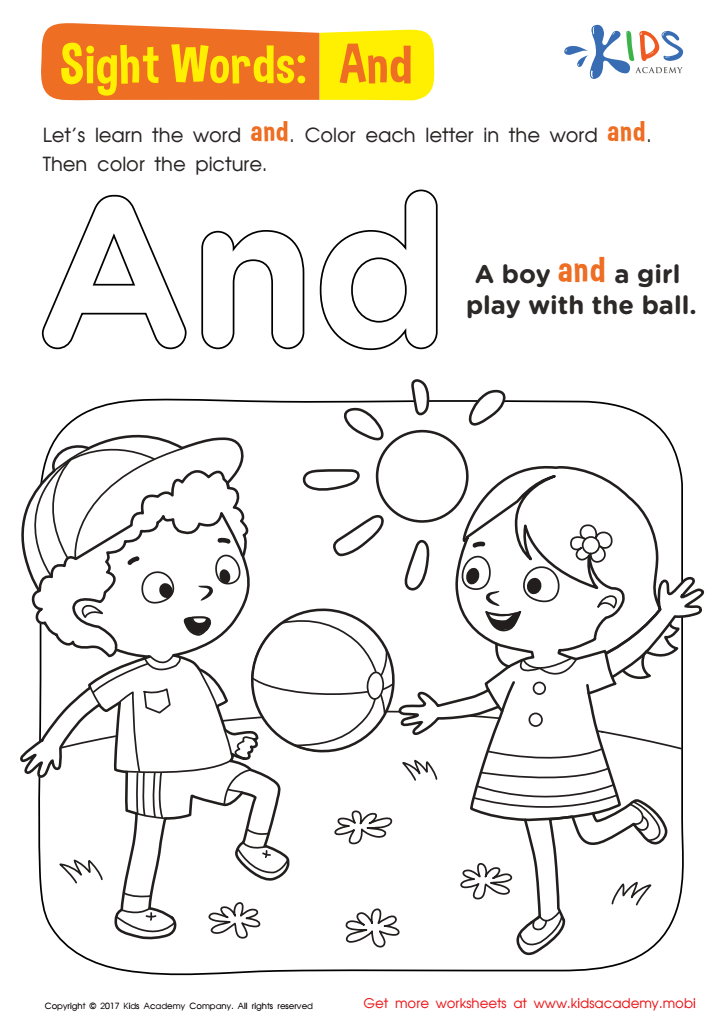
And Worksheet Sight Words Worksheet
 Assign to My Students








Vocabulary building is a crucial aspect of a child's education, particularly in Grade 3, when students transition from learning to read to reading to learn. At this stage, a strong vocabulary supports comprehension, promotes self-expression, and enhances communication skills. Parents and teachers should prioritize vocabulary development for several reasons.
Firstly, a robust vocabulary helps children understand and engage with more complex texts. It allows them to grasp new concepts and participate actively in discussions, fostering critical thinking skills. Secondly, effective communication—both verbal and written—builds confidence and encourages children to express their ideas clearly.
Moreover, vocabulary is closely linked with academic success across all subjects. As students encounter new vocabulary in science, math, and social studies, prior knowledge will improve retention and understanding. Lastly, a rich vocabulary lays the foundation for lifelong learning. It encourages curiosity, exploration, and a passion for reading, all of which are vital for holistic development.
In essence, teachers and parents investing in vocabulary building are not only nurturing academic success but also equipping children with essential tools for effective communication and interaction in an increasingly complex world. Overall, vocabulary growth is an investment in a child’s future.