Alphabet Recognition Grade 1 ABC Letters Worksheets - Page 2
27 filtered results
-
From - To
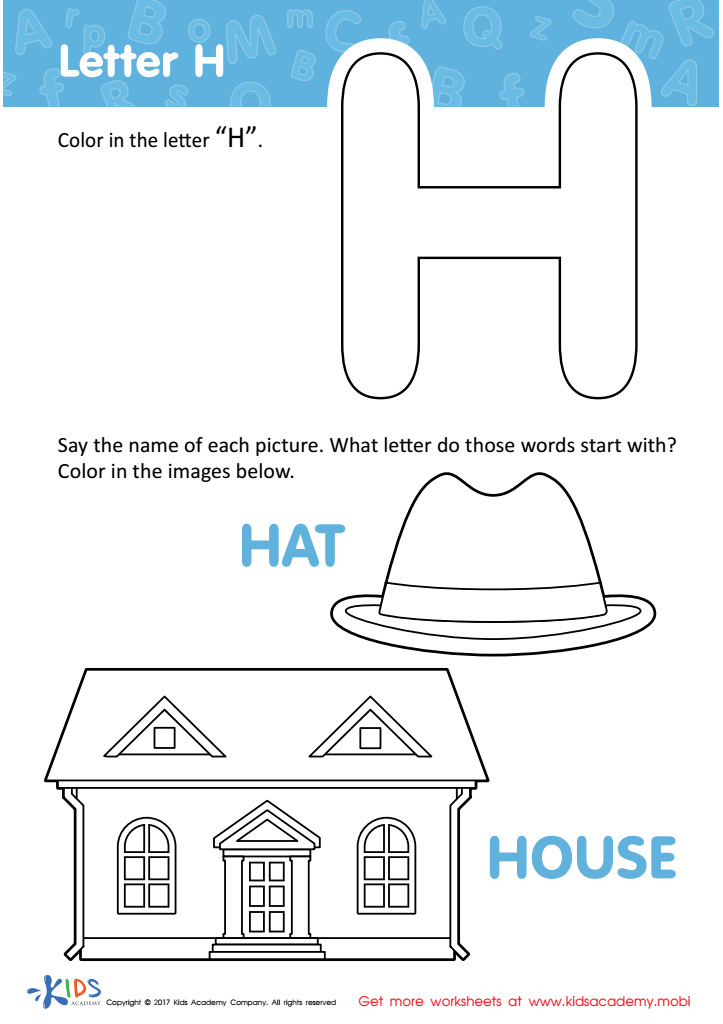
Letter H Coloring Sheet
 Assign to My Students
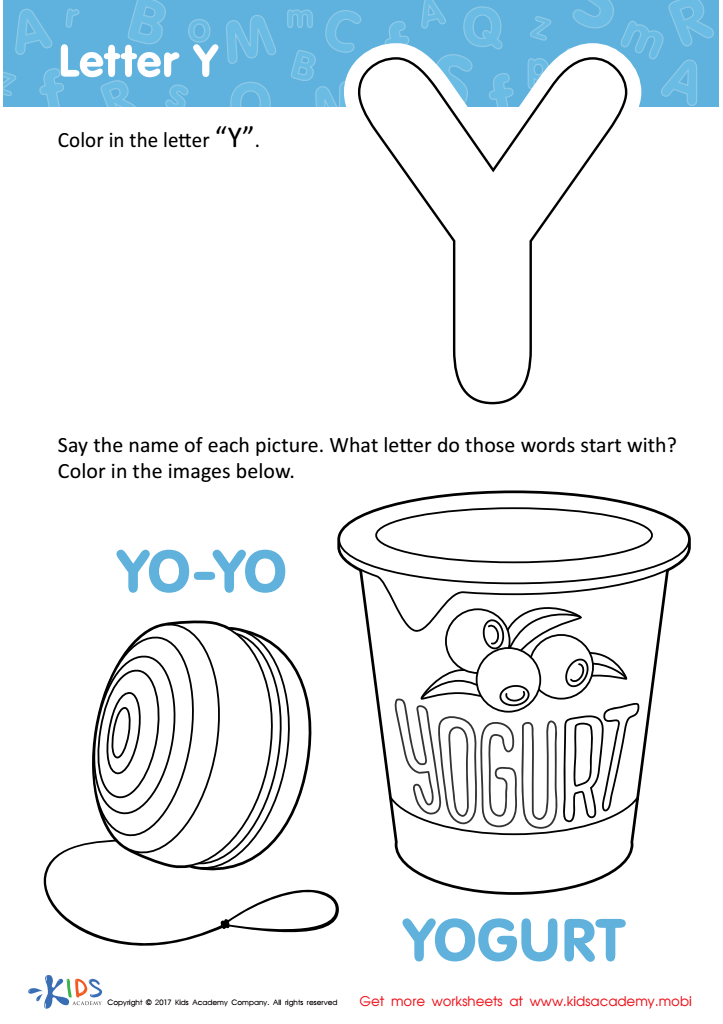
Letter Y Coloring Sheet
Assign to My Students
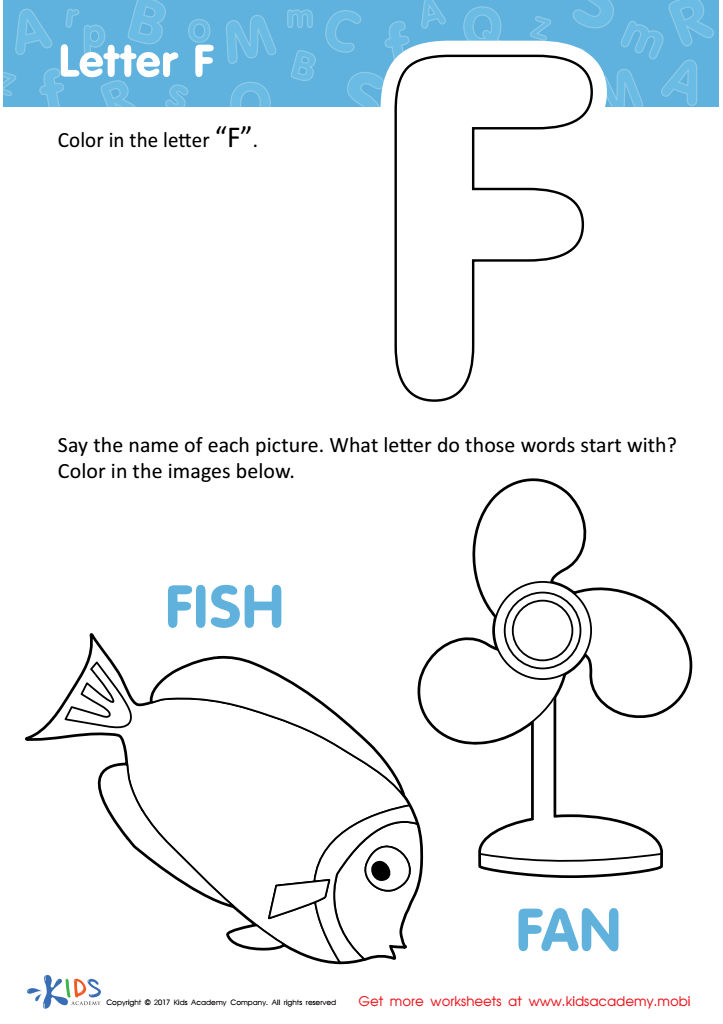
Letter F Coloring Sheet
Assign to My Students



Alphabet recognition is a crucial foundational skill for Grade 1 students, as it lays the groundwork for reading and writing. When children can recognize and identify letters, they become more proficient at decoding words, which subsequently boosts their reading comprehension. This is particularly important because reading is fundamental to learning across all subjects—strong reading skills are linked to academic success, critical thinking, and problem-solving abilities.
Parents and teachers should emphasize alphabet recognition because it fosters communication skills, enhances vocabulary development, and increases children’s confidence in language use. Moreover, early literacy experiences, including alphabet knowledge, positively impact children’s enthusiasm for learning and exploration.
Additionally, recognizing letters enables children to engage with text meaningfully, paving the way for fluency and expression (important for oral reading and presentations). This foundational skill is also instrumental in supporting diverse learning styles and needs.
Ultimately, the ability to recognize letters by Grade 1 not only serves as a marker of a child’s literacy development but also promotes their overall cognitive and linguistic growth, preparing them for future academic challenges. Supporting alphabet recognition through fun activities and consistent practice can lead to a lifelong love for reading and learning.