Letter tracing skills Grade 1 ABC Letters Worksheets
3 filtered results
-
From - To
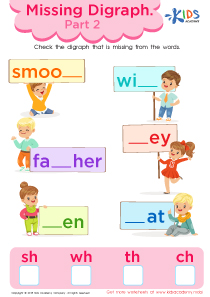
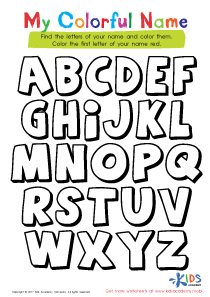
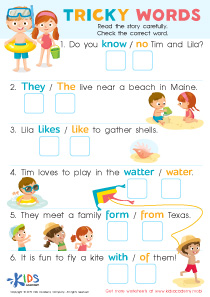
Enhance your Grade 1 student's writing abilities with our engaging Letter Tracing Skills worksheets! Designed specifically for early learners, these ABC tracing sheets help develop fine motor skills and letter recognition. Each worksheet features large, clear letters that guide children through the tracing process, making learning fun and interactive. Perfect for practice at home or in the classroom, our worksheets support foundational literacy skills essential for reading and writing success. With a variety of activities to keep kids motivated, your child will gain confidence as they master their letters. Download our Letter Tracing worksheets today and watch your child's writing skills flourish!
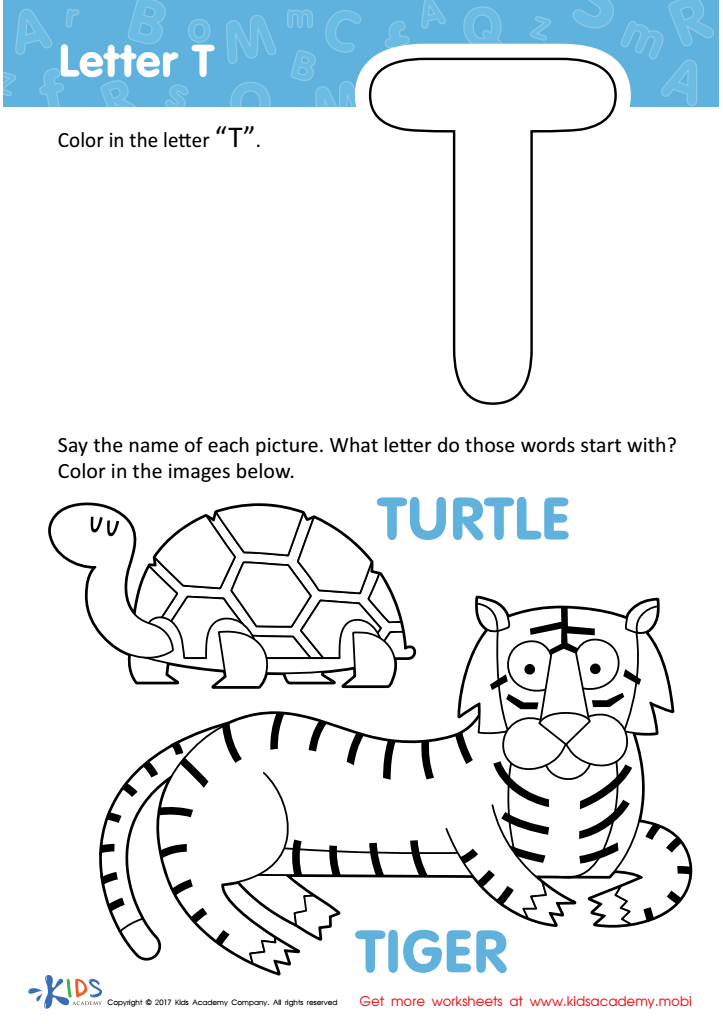
Letter T Coloring Sheet
 Assign to My Students
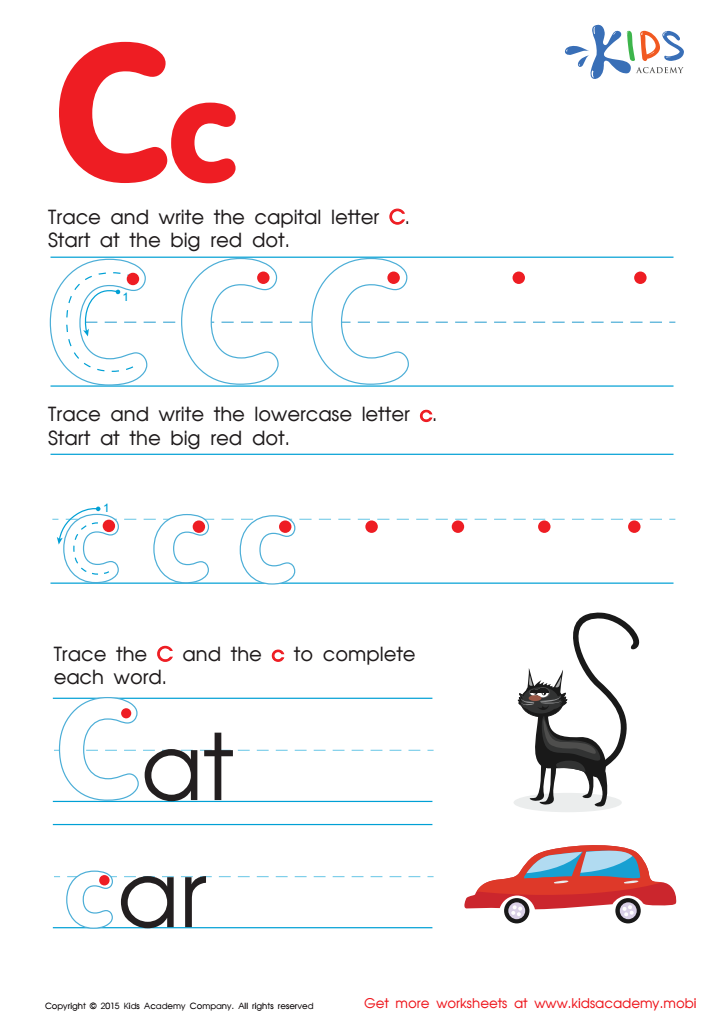
Letter C Tracing Page
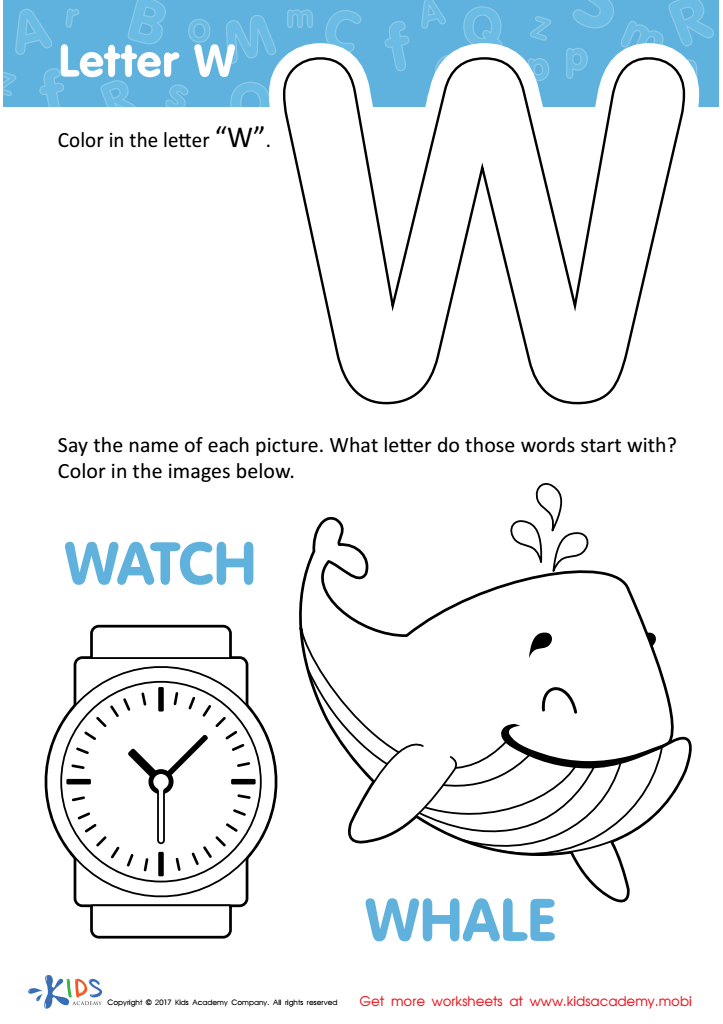
Letter W Coloring Sheet
Assign to My Students



Letter tracing skills in Grade 1 are crucial for young learners as they form the foundation for literacy development. When children practice tracing the ABC letters, they enhance their fine motor skills and hand-eye coordination, which are vital for writing not just letters but also numbers and other shapes.
Tracing also reinforces letter recognition, helping students differentiate between similar letters and understand the alphabetical sequence. This skill sets the stage for reading proficiency as they begin to associate sounds with their corresponding letters and develop phonemic awareness.
In addition to writing and reading, tracing can boost children's confidence. As they progress from tracing to writing letters independently, they experience a sense of accomplishment, fostering a positive attitude toward learning. Furthermore, mastering letter formation through tracing can lead to improved handwriting, which is essential for effective communication.
Finally, these skills can help facilitate a smoother transition into more complex literacy tasks in later grades. Parents and teachers should prioritize these practices to nurture confident, capable readers and writers, emphasizing handwriting and early literacy as keys to academic success. Investing time in letter tracing today lays the groundwork for better learning tomorrow.