Handwriting practice Grade 1 Alphabet Worksheets - Page 2
33 filtered results
-
From - To
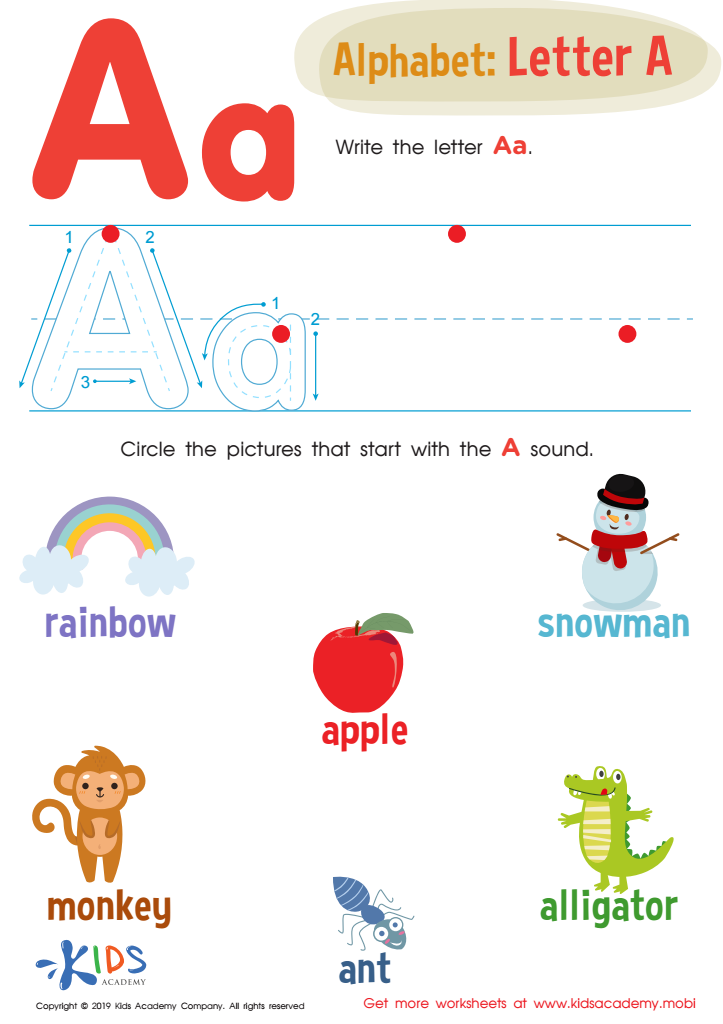
Letter A Tracing Worksheet
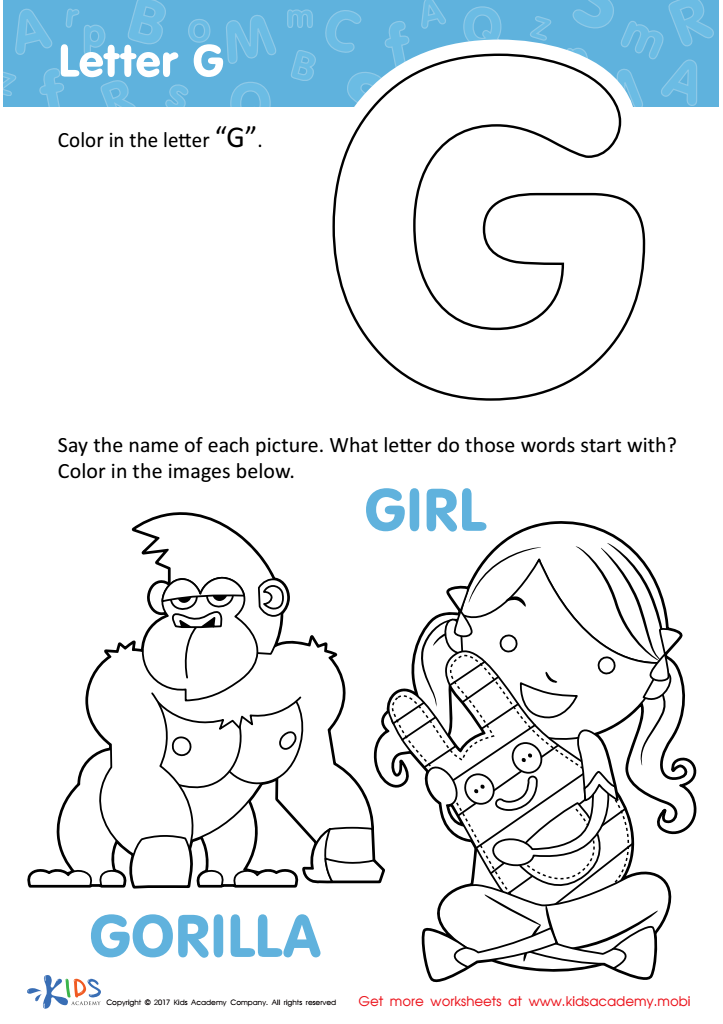
Letter G Coloring Sheet
 Assign to My Students
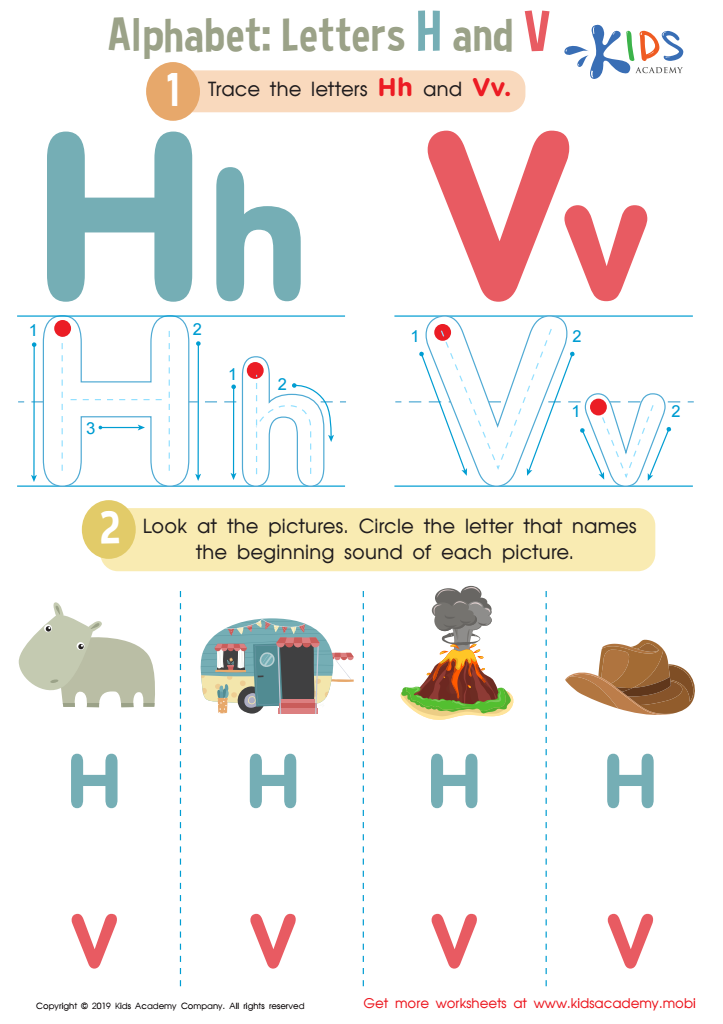
Letters H and V Tracing Worksheet
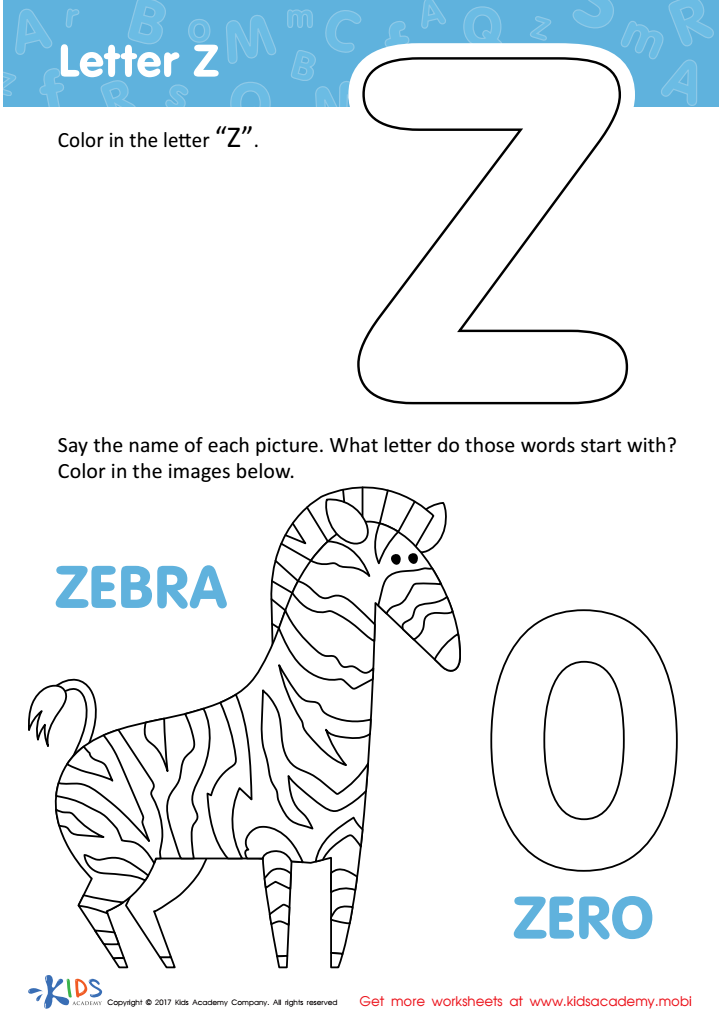
Letter Z Coloring Sheet
Assign to My Students
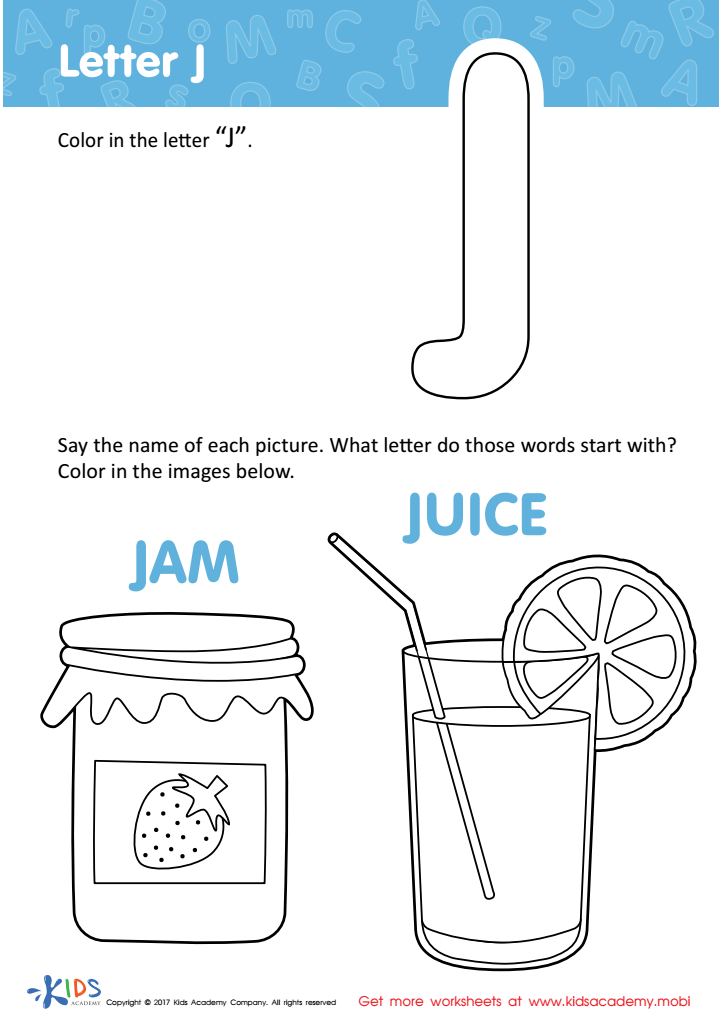
Letter J Coloring Sheet
Assign to My Students
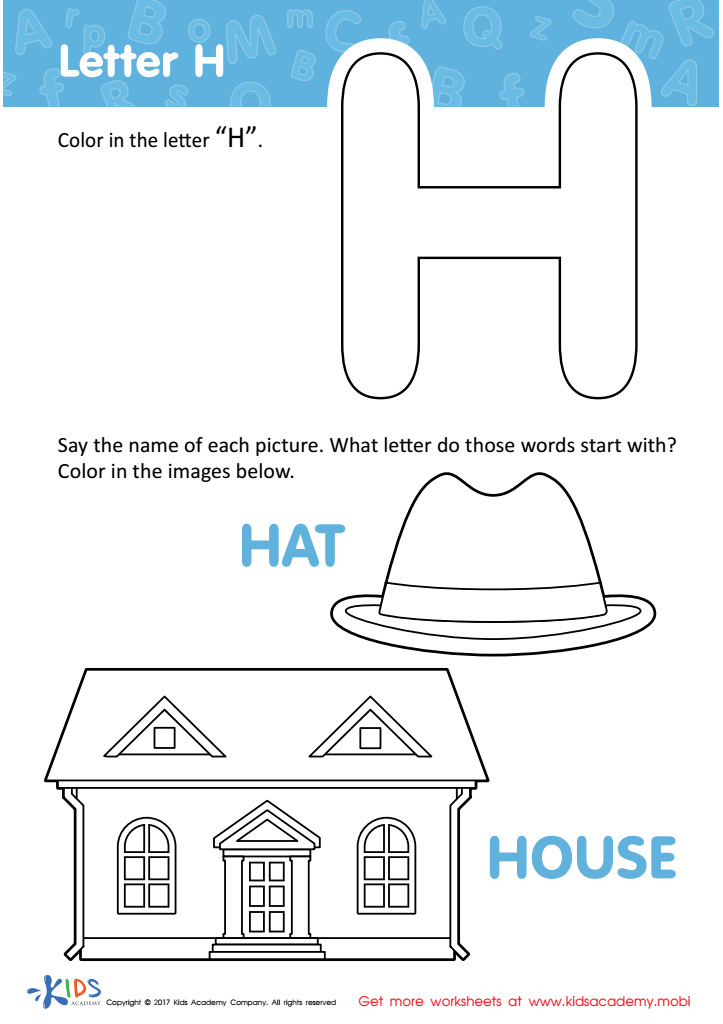
Letter H Coloring Sheet
Assign to My Students
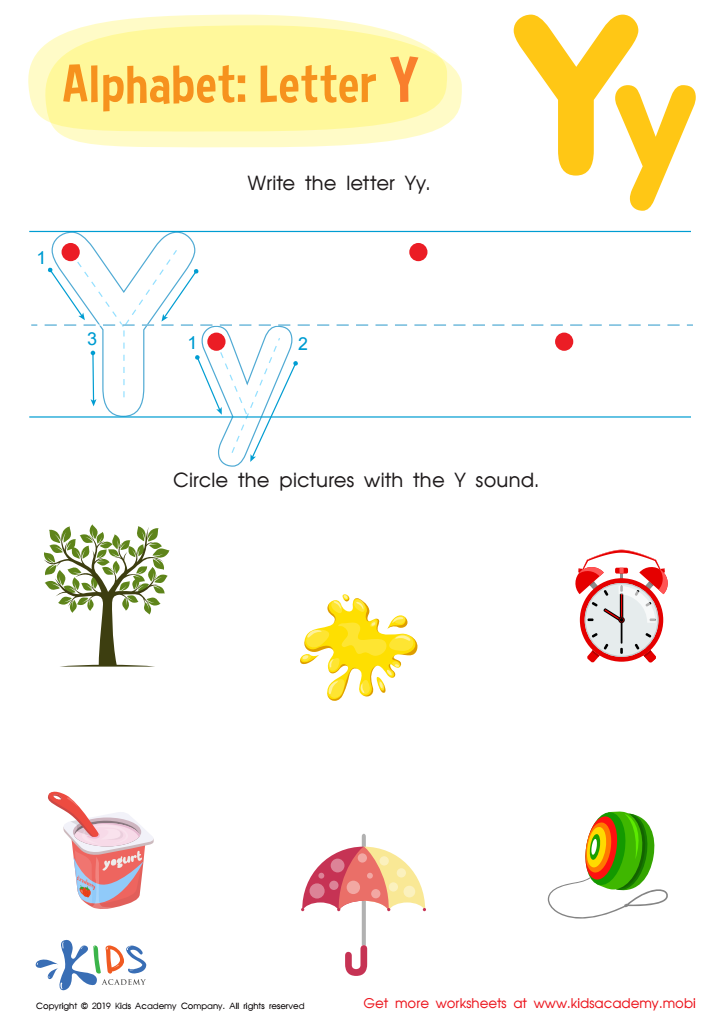
Letter Y Tracing Worksheet
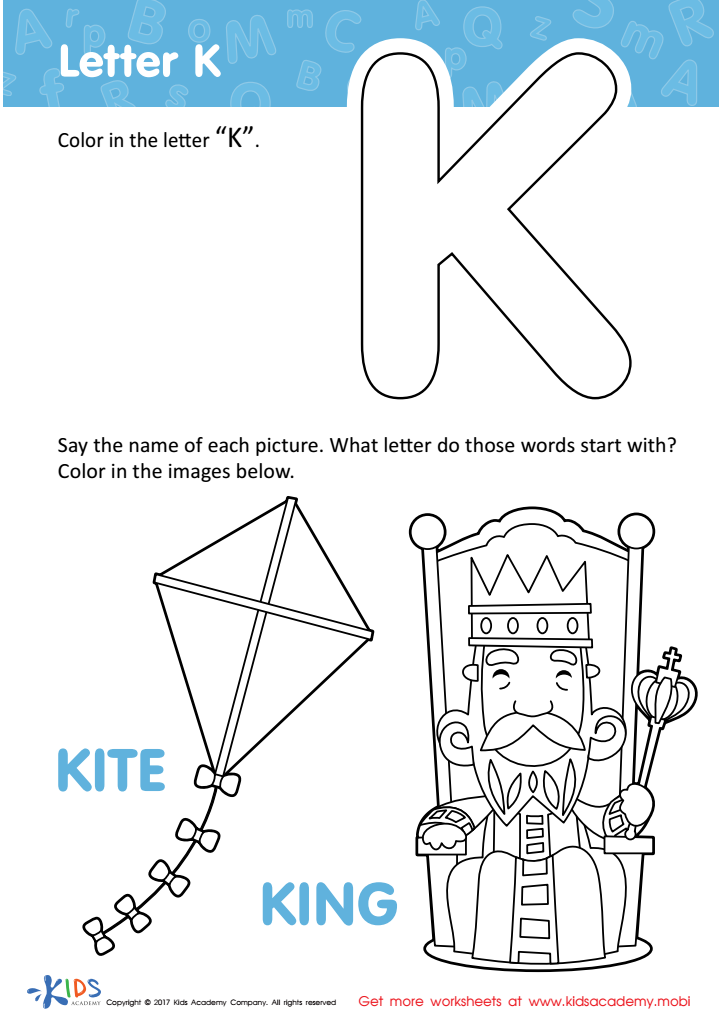
Letter K Coloring Sheet
Assign to My Students

Letter N Coloring Sheet
Assign to My Students








Handwriting practice for Grade 1 is crucial for several reasons. Firstly, it lays the foundation for literacy skills. Children learn to recognize letters, understand their sounds, and form words, enhancing their reading abilities. As they practice writing the alphabet, they improve their fine motor skills, which are essential for various everyday tasks.
Secondly, neat handwriting fosters self-confidence. When a child is able to write legibly, they feel proud of their work, which can positively impact their overall learning experience. This confidence encourages them to participate more actively in classroom discussions and assignments.
Moreover, handwriting engages multiple brain areas, aiding memory and cognitive development. When children practice forming letters, they are not just learning a skill; they are also nurturing critical thinking and processing skills.
Additionally, handwriting can be a form of self-expression. It allows children to communicate their thoughts creatively, fostering a love for writing that is essential for academic success.
Therefore, both parents and teachers should prioritize handwriting practice, promoting a balanced approach to literacy that not only emphasizes reading and comprehension but also nurtures essential life skills and creativity. Encouraging this practice sets the groundwork for a successful educational journey.