Handwriting improvement Grade 1 Letter Recognition Worksheets
3 filtered results
-
From - To
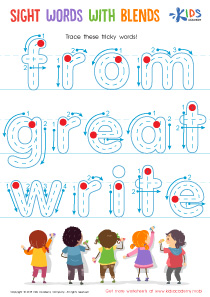
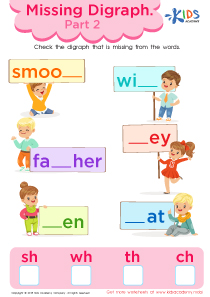
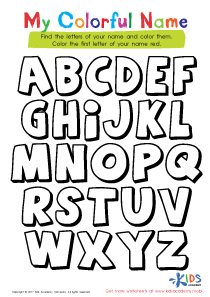
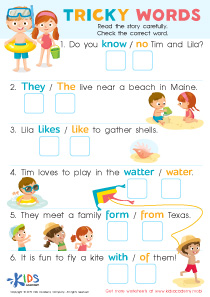
Enhance your Grade 1 student’s handwriting and letter recognition skills with our engaging worksheets! Our Handwriting Improvement Letter Recognition Worksheets are specifically designed to help young learners master the alphabet through fun-filled activities. Each worksheet features a variety of exercises that promote proper letter formation, boost fine motor skills, and reinforce letter identification. As students trace, write, and complete colorful tasks, they'll gain confidence in their handwriting abilities while improving their overall literacy. Perfect for classroom use or home practice, these worksheets serve as an invaluable resource for building essential skills for future academic success. Explore now and watch your child blossom!
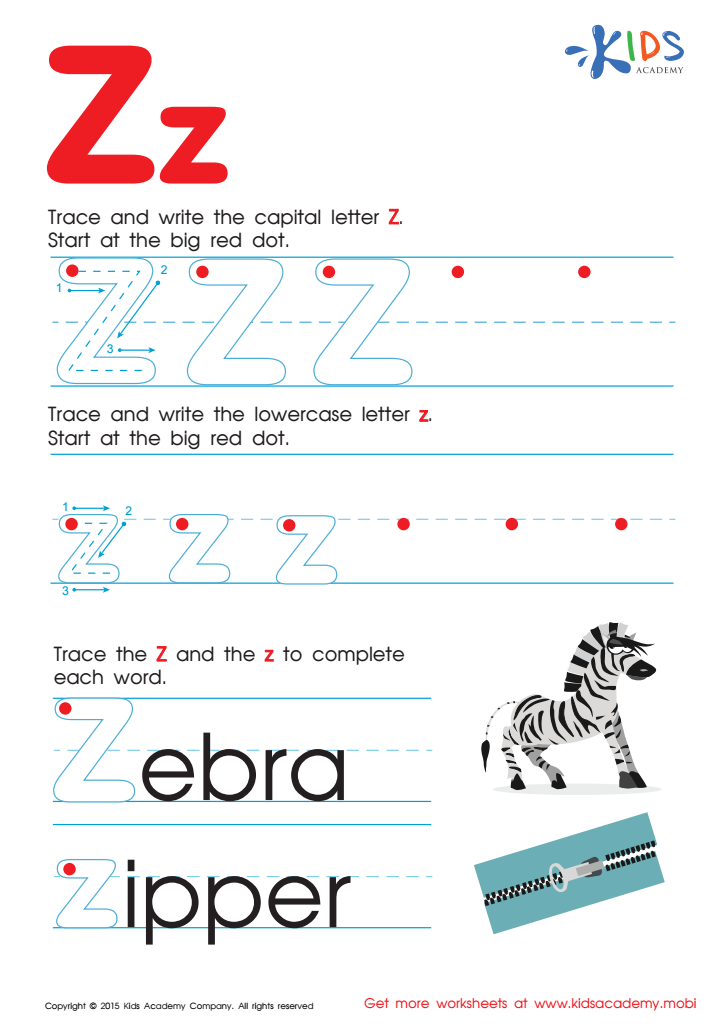
Letter Z Tracing Page
 Assign to My Students
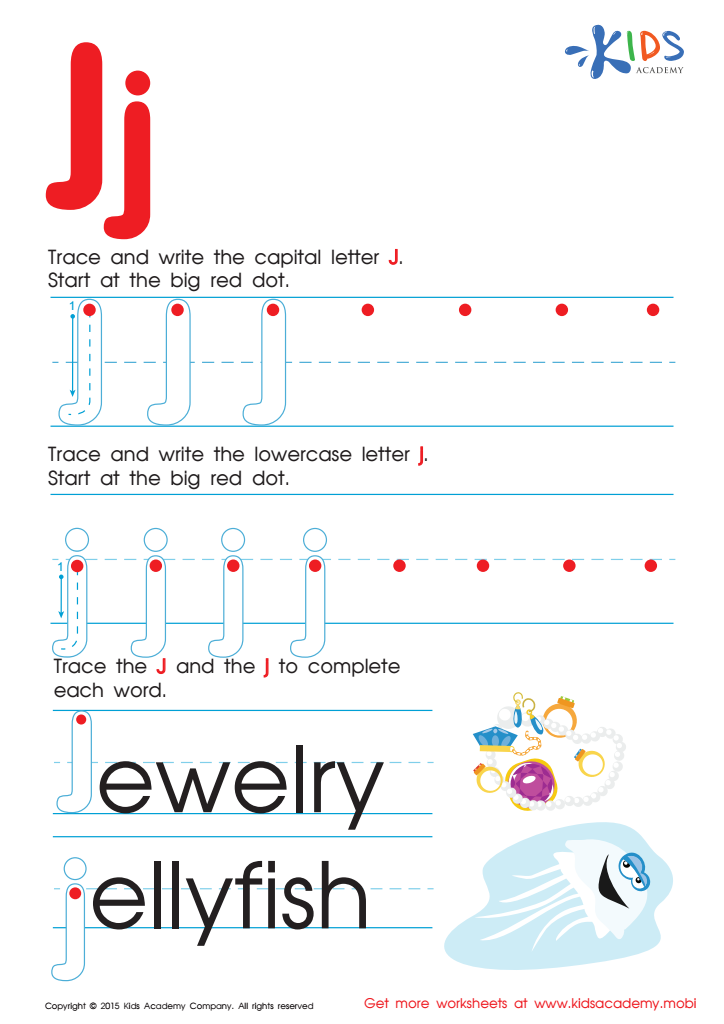
Letter J Tracing Page
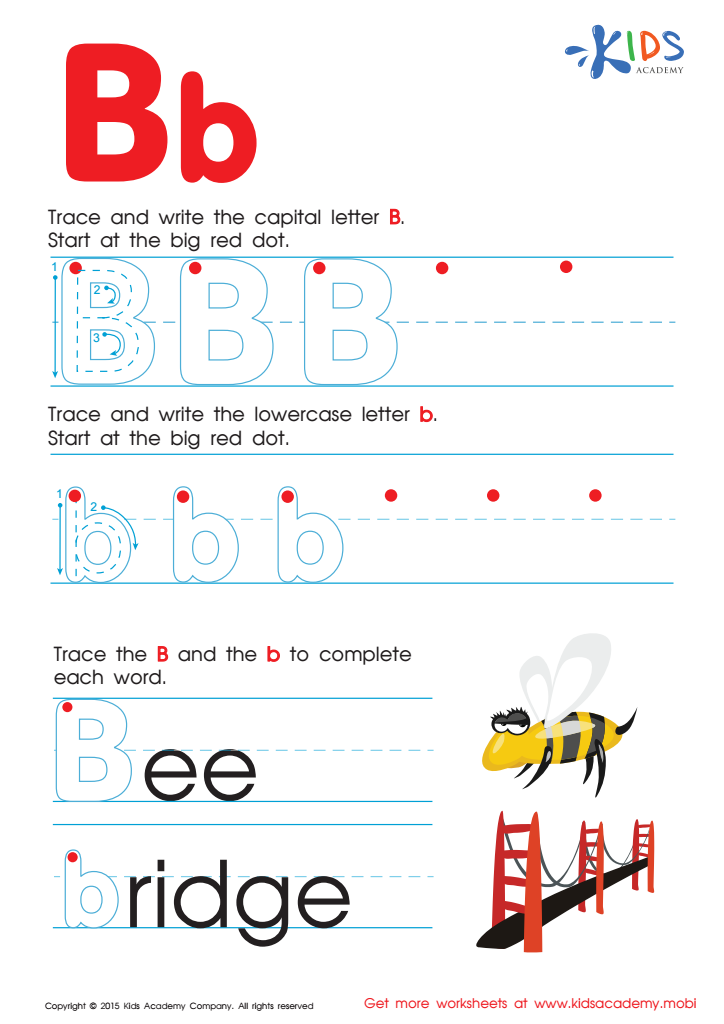
Letter B Tracing Page



Handwriting improvement and letter recognition in Grade 1 are crucial aspects of a child's early education that significantly impact their future academic success. First, developing fine motor skills through writing enhances children's ability to form letters and words, fostering confidence in their writing abilities. This lays the groundwork for effective communication, an essential skill in all areas of learning.
Furthermore, letter recognition at this stage is vital for reading fluency. When children easily identify letters, they are better equipped to decode words, understand sounds, and excel in reading comprehension. This foundational skill set promotes a love for reading, enriching their vocabulary and cognitive development.
Additionally, strong handwriting practices encourage attention to detail, patience, and perseverance—qualities necessary for lifelong learning. Parents and teachers play a significant role in guiding and supporting children through this process, helping to create a positive learning environment. By promoting good handwriting habits and consistent letter recognition, we foster self-esteem and a sense of achievement in young learners, contributing to their overall academic journey. Prioritizing these skills supports not just educational growth but also emotional and social development, thus shaping well-rounded, confident individuals ready to tackle future challenges.