Handwriting practice Grade 1 Letter Recognition Worksheets - Page 2
32 filtered results
-
From - To
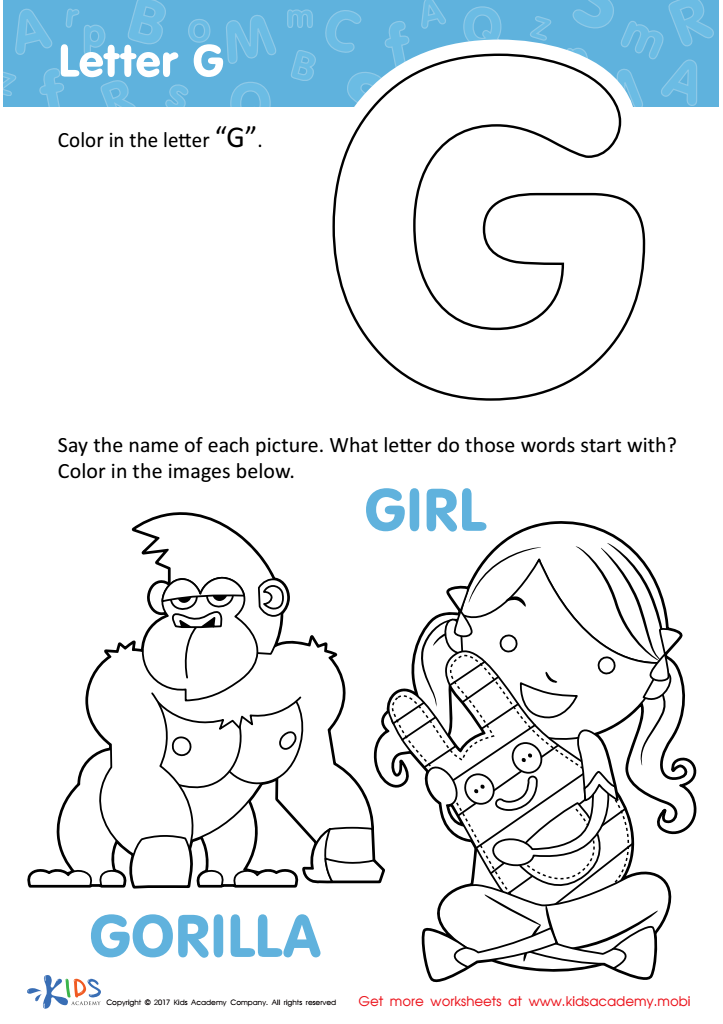
Letter G Coloring Sheet
 Assign to My Students
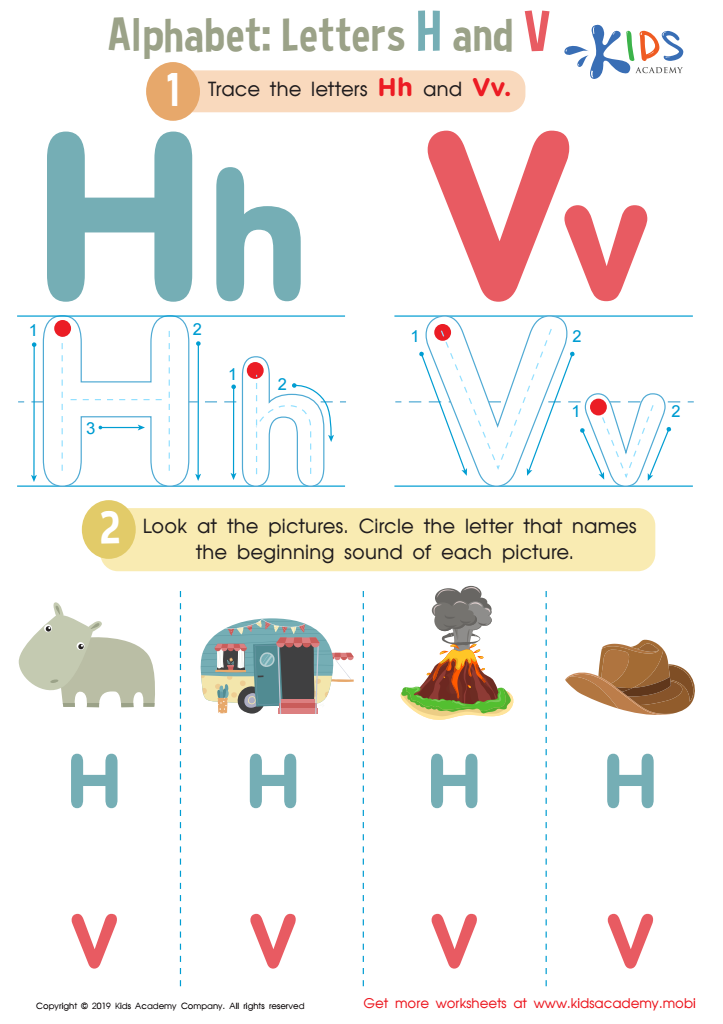
Letters H and V Tracing Worksheet
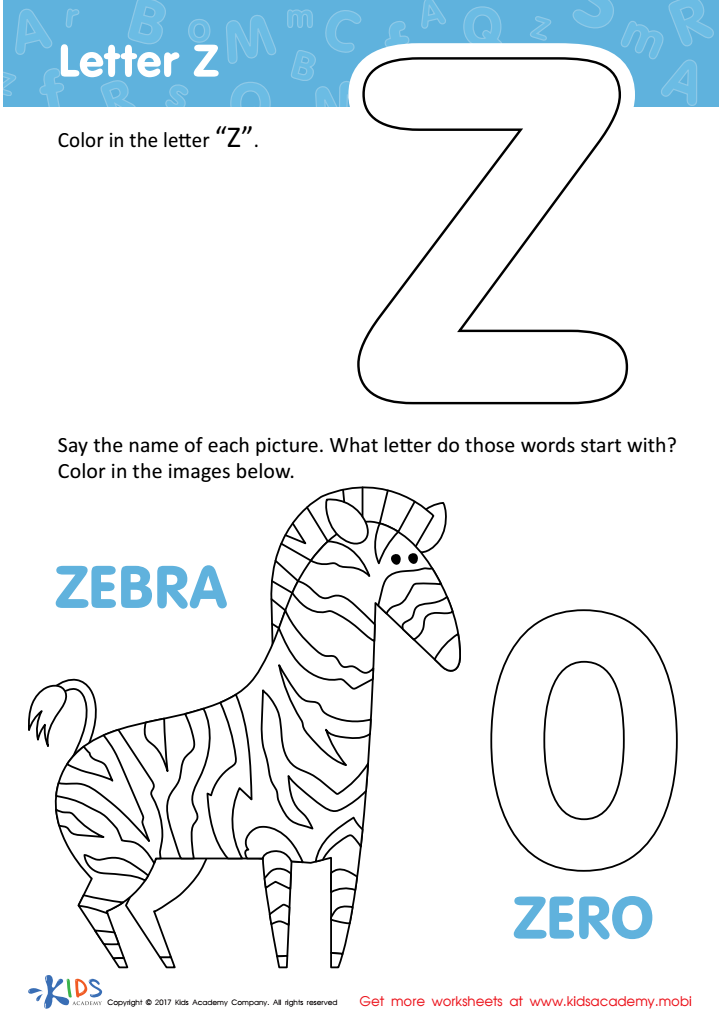
Letter Z Coloring Sheet
Assign to My Students
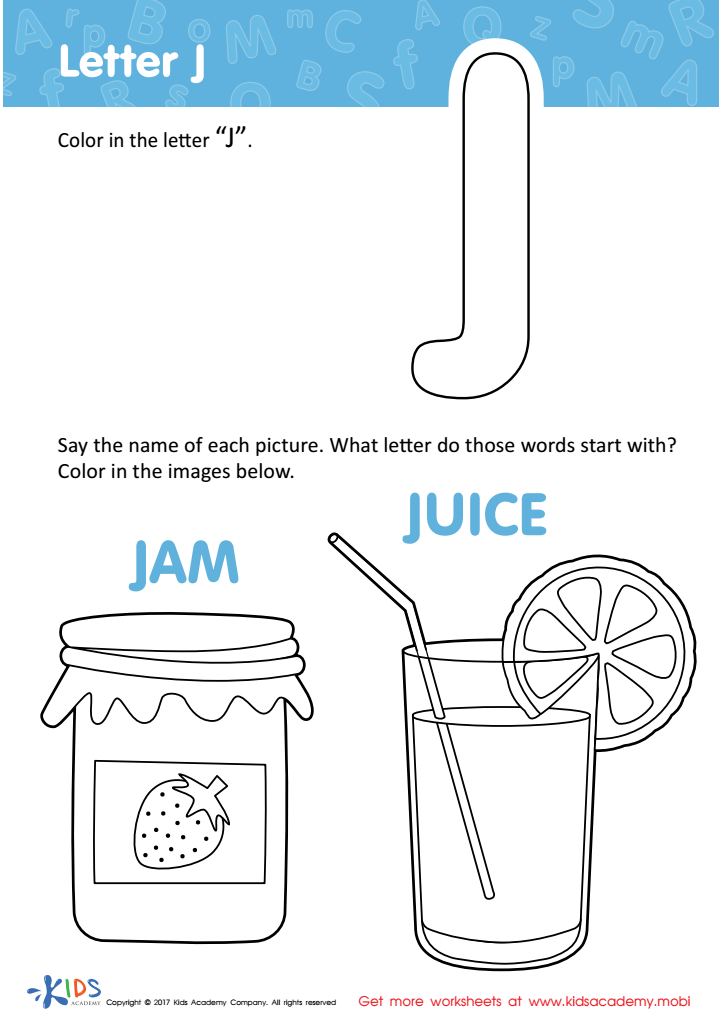
Letter J Coloring Sheet
Assign to My Students
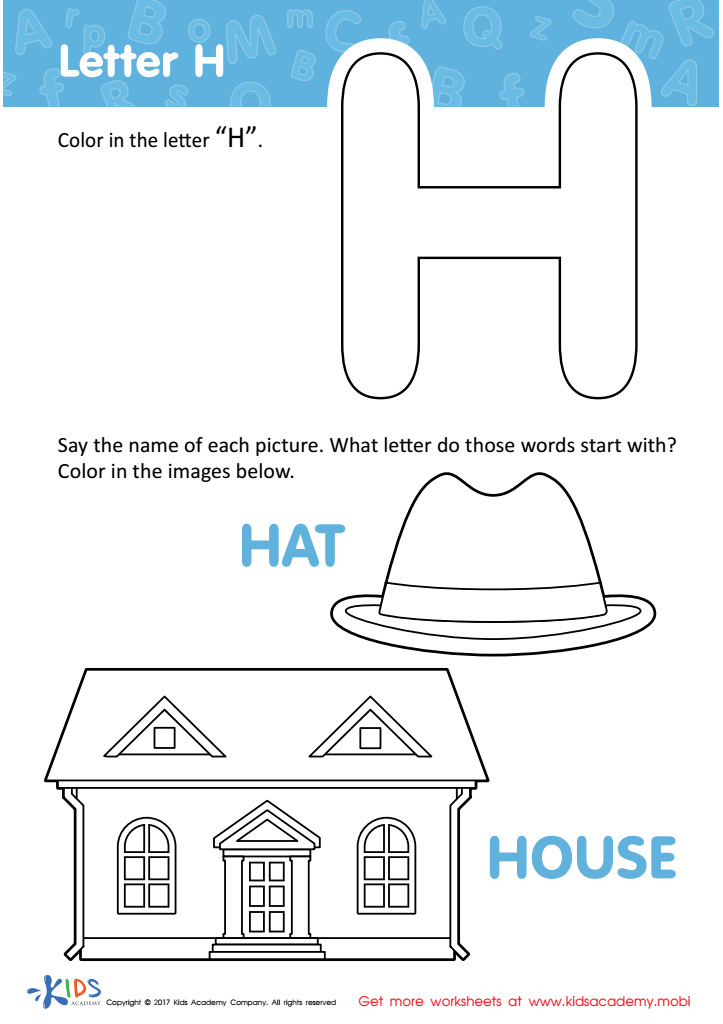
Letter H Coloring Sheet
Assign to My Students
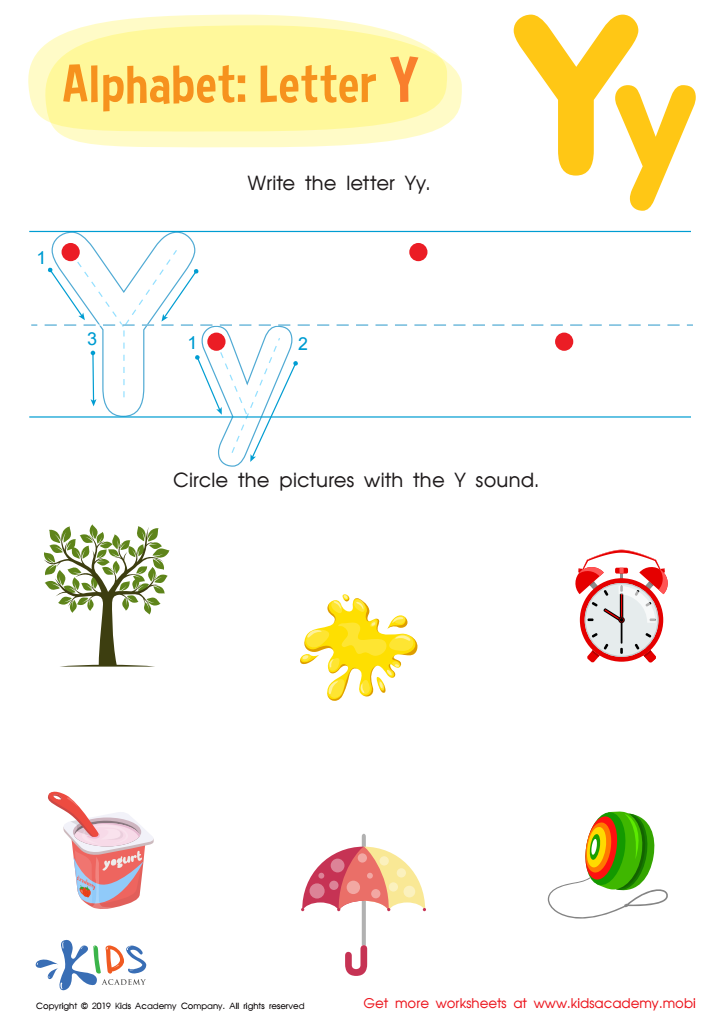
Letter Y Tracing Worksheet
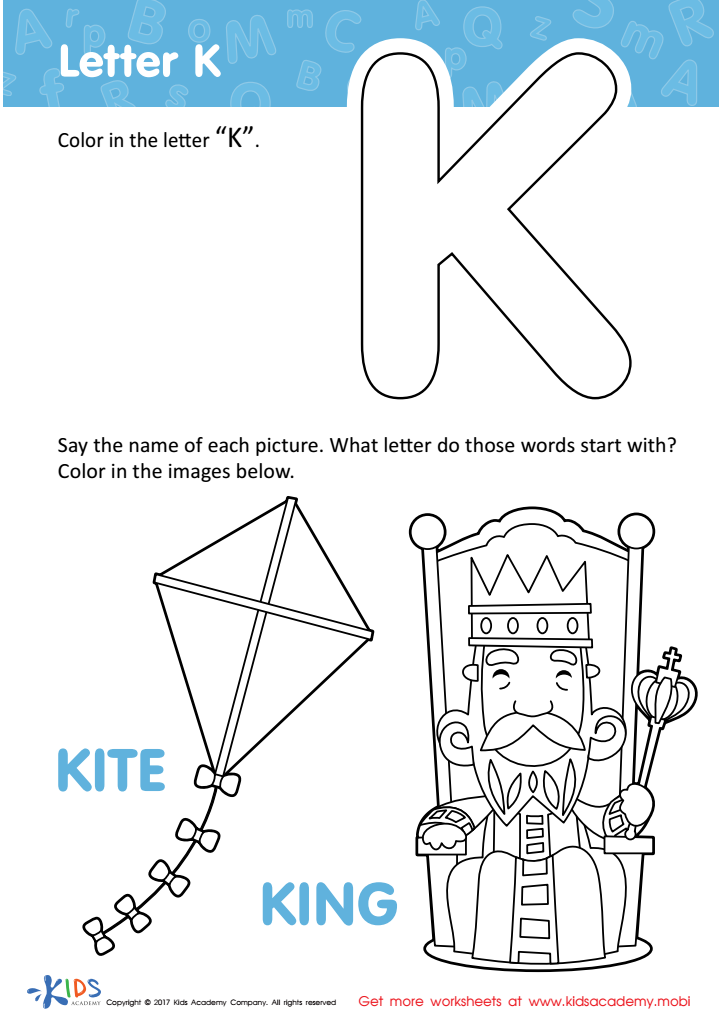
Letter K Coloring Sheet
Assign to My Students

Letter N Coloring Sheet
Assign to My Students



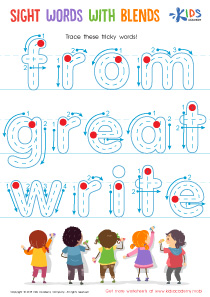
Handwriting practice and letter recognition in Grade 1 are crucial for several reasons. First, these foundational skills are essential for literacy development. Children who develop strong handwriting abilities can express their thoughts clearly on paper, laying the groundwork for effective communication. In a world where writing prompts are frequently utilized, fostering good handwriting makes it easier for students to communicate their ideas and participate actively in classroom settings.
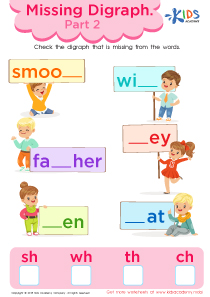
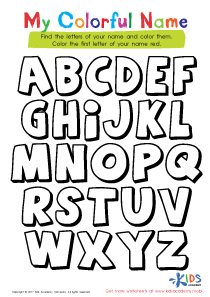
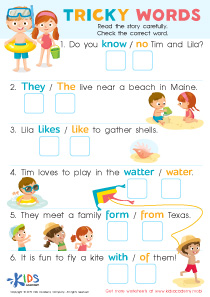
Second, letter recognition contributes to students' reading abilities. When children recognize letters, they can decode words, enhancing their reading skills. This is particularly important as research indicates a strong correlation between early reading proficiency and future academic success.
Moreover, handwriting—tied closely to fine motor skills—helps improve students' dexterity and coordination. As young children practice forming letters, they enhance their hand-eye coordination, which is important for many daily tasks.
Finally, consistent handwriting practice helps instill a sense of discipline and routine. Engaging students in these exercises fosters a love for learning and encourages them to take pride in their work. Teachers and parents who emphasize handwriting and letter recognition play pivotal roles in shaping a child's literacy journey and overall academic trajectory.