Letter tracing skills Grade 1 Letter Recognition Worksheets
3 filtered results
-
From - To
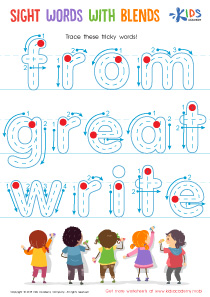
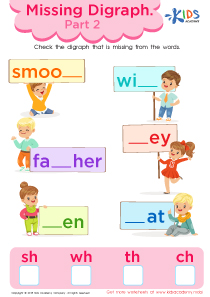
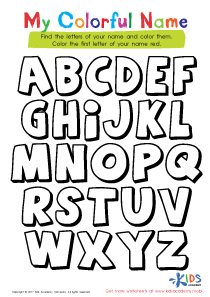
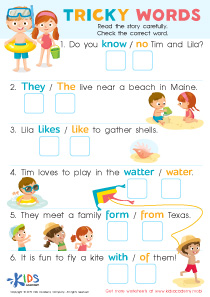
Boost your first grader's literacy skills with our engaging Letter Tracing Skills worksheets! Designed to enhance letter recognition and writing proficiency, these printable resources offer a fun and interactive way for young learners to practice tracing both uppercase and lowercase letters. Each worksheet promotes fine motor skills and reinforces the connection between letter shapes and sounds, making learning enjoyable. Perfect for home or classroom use, these worksheets provide essential practice that helps children build confidence in their reading and writing abilities. Equip your child with the foundational skills they need to succeed in language arts with our thoughtfully designed tracing activities!
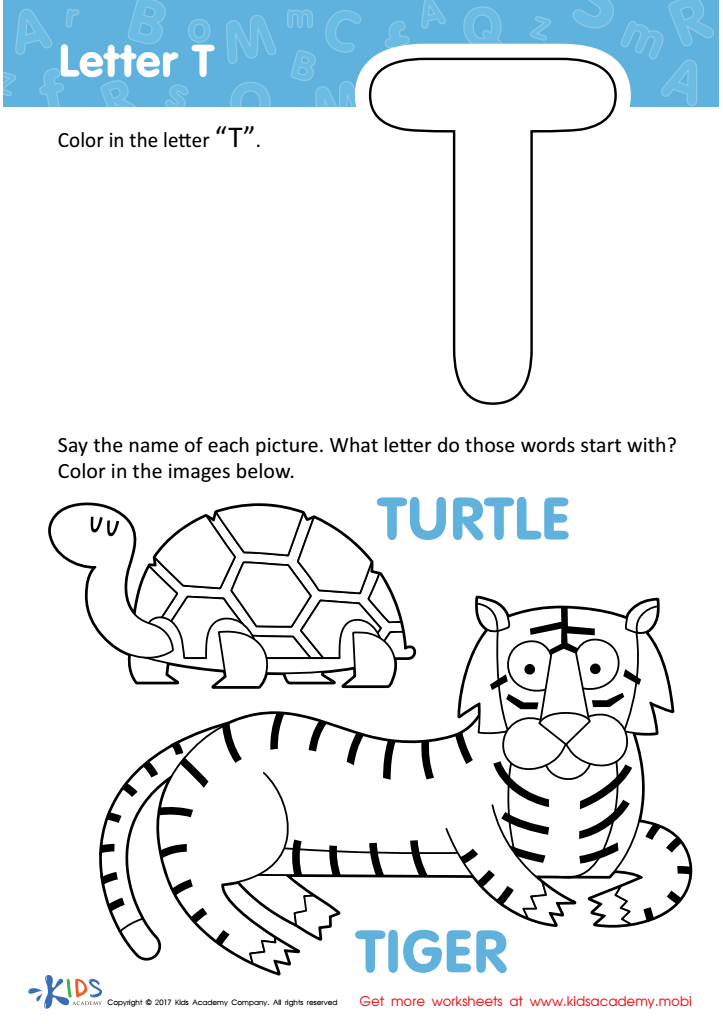
Letter T Coloring Sheet
 Assign to My Students
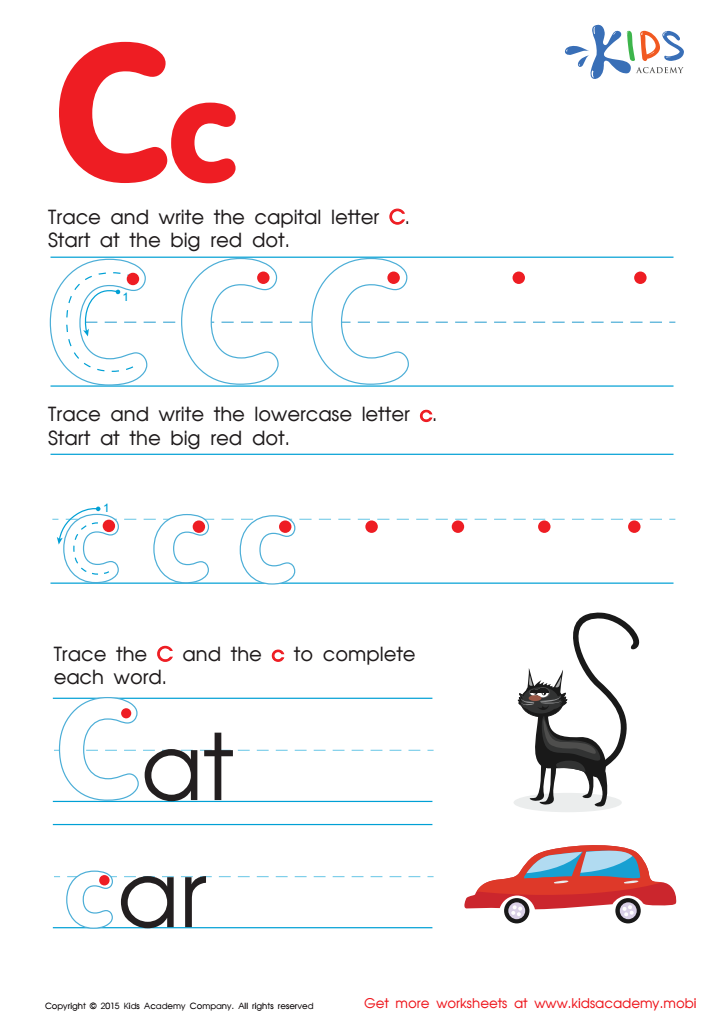
Letter C Tracing Page
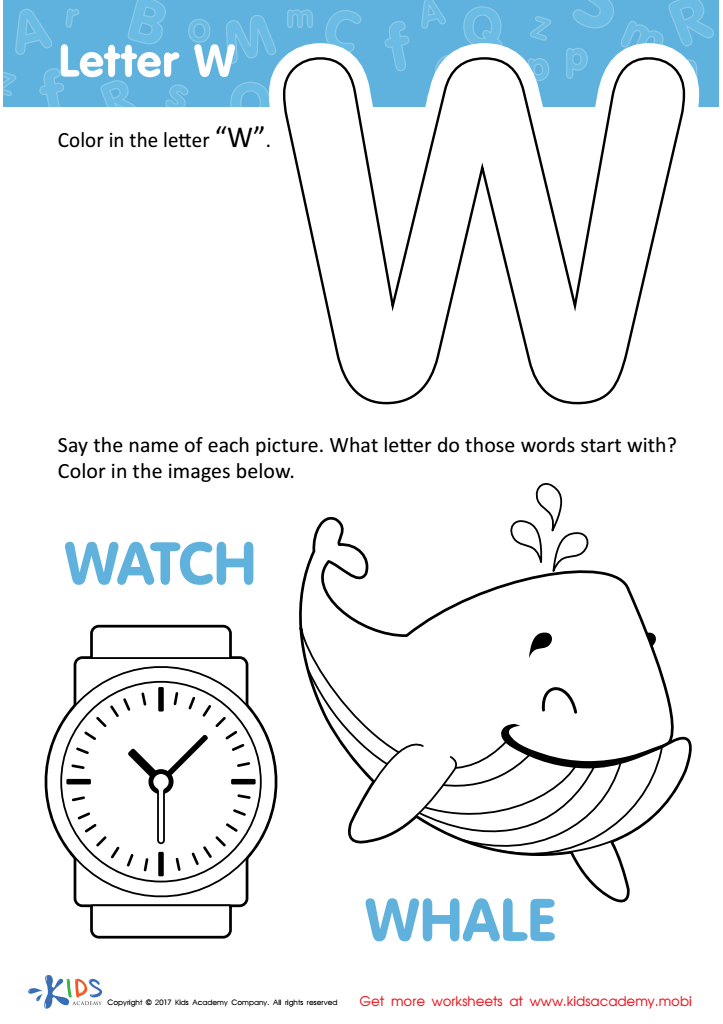
Letter W Coloring Sheet
Assign to My Students



Letter tracing skills and letter recognition are fundamental components of early literacy development in Grade 1. Parents and teachers should care about these skills for several reasons. Firstly, letter recognition lays the foundation for reading and writing. When children can identify and differentiate between letters, they become better equipped to decode words, leading to greater reading fluency.
Tracing letters helps improve fine motor skills, an essential aspect of writing. As young children practice tracing, they develop hand-eye coordination and muscle memory, which enable them to write each letter with confidence and accuracy. Furthermore, tracing engages multiple senses—visual, auditory, and tactile—creating a more comprehensive learning experience.
Additionally, mastering letter recognition and tracing fosters a positive attitude toward learning. Children who gain confidence in their literacy skills are more likely to engage in reading and other academic activities, enhancing their overall educational experience. To support future academic success, parents and teachers should incorporate engaging and interactive tracing activities, encouraging children to recognize letters through various games and exercises. Ultimately, prioritizing these skills can set the stage for lifelong literacy and a love for learning.