Motor skills development Grade 1 Letter Recognition Worksheets
5 filtered results
-
From - To
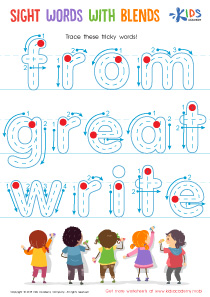
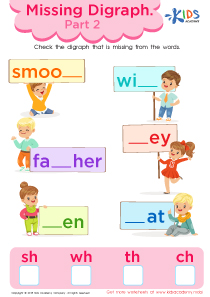
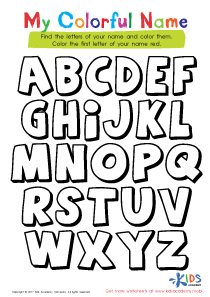
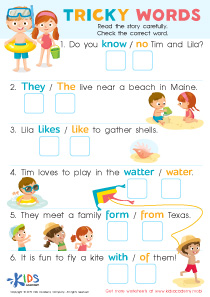
Enhance your Grade 1 students' motor skills and letter recognition with our engaging worksheets designed specifically for young learners. These skill-building activities focus on developing fine motor skills while helping children recognize and write each letter of the alphabet. From tracing letters to engaging in fun, interactive exercises, our worksheets provide a hands-on approach that makes learning enjoyable. Ideal for both classroom and at-home use, these resources promote cognitive growth and confidence in literacy. Give your students the tools they need for successful reading and writing! Explore our comprehensive collection of letter recognition worksheets today and watch their skills flourish.

Letter H Tracing Page
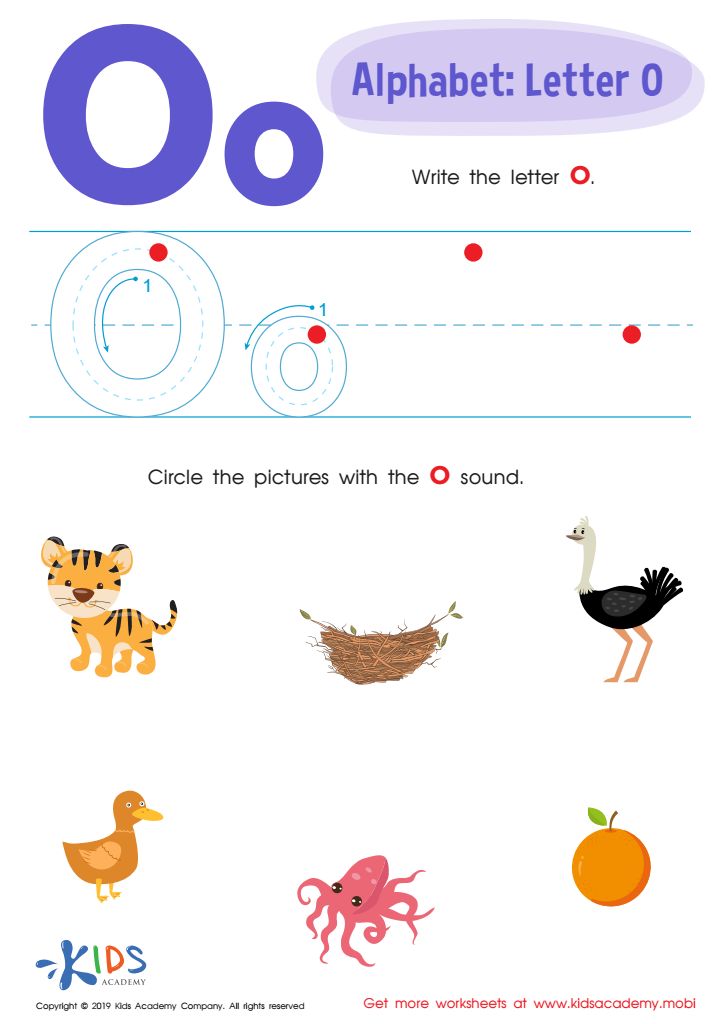
Letter O Tracing Worksheet
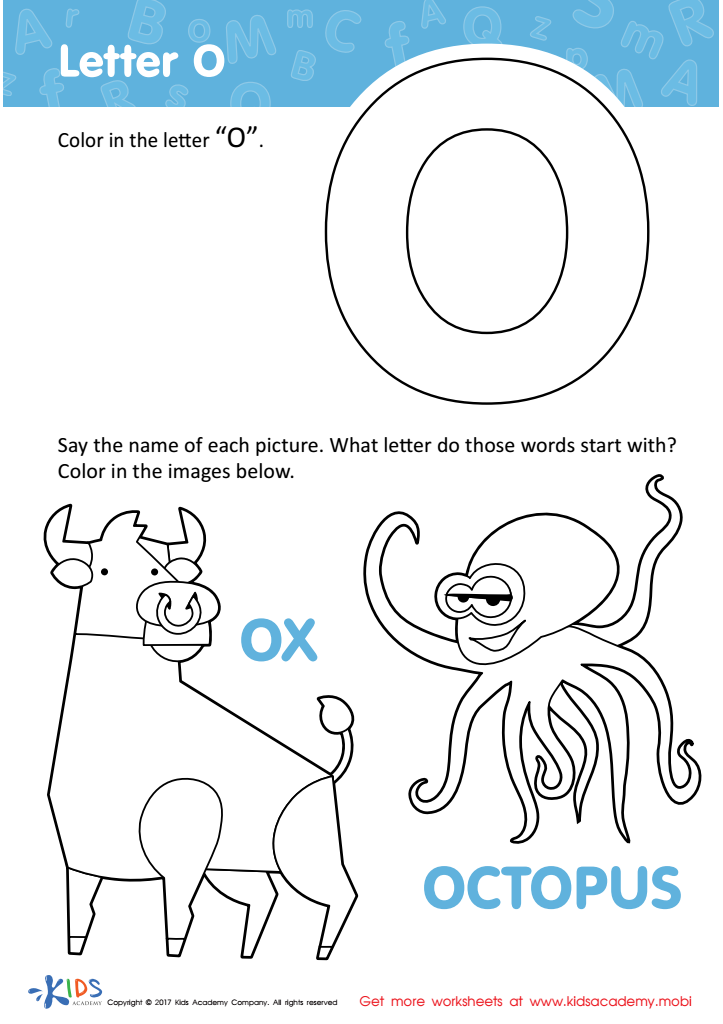
Letter O Coloring Sheet
 Assign to My Students
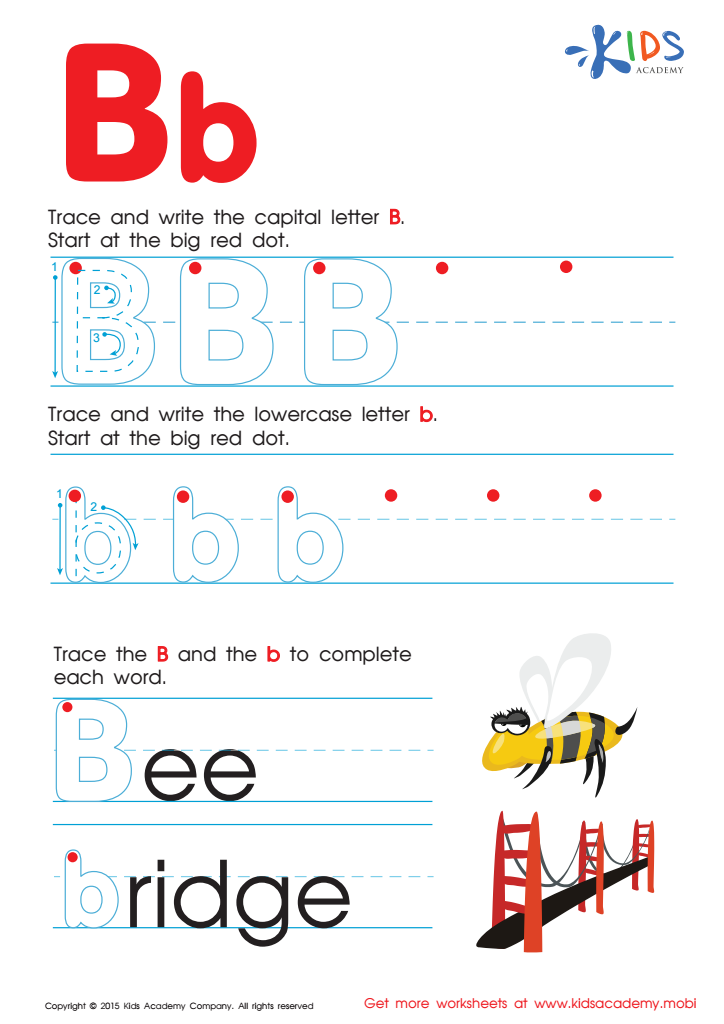
Letter B Tracing Page
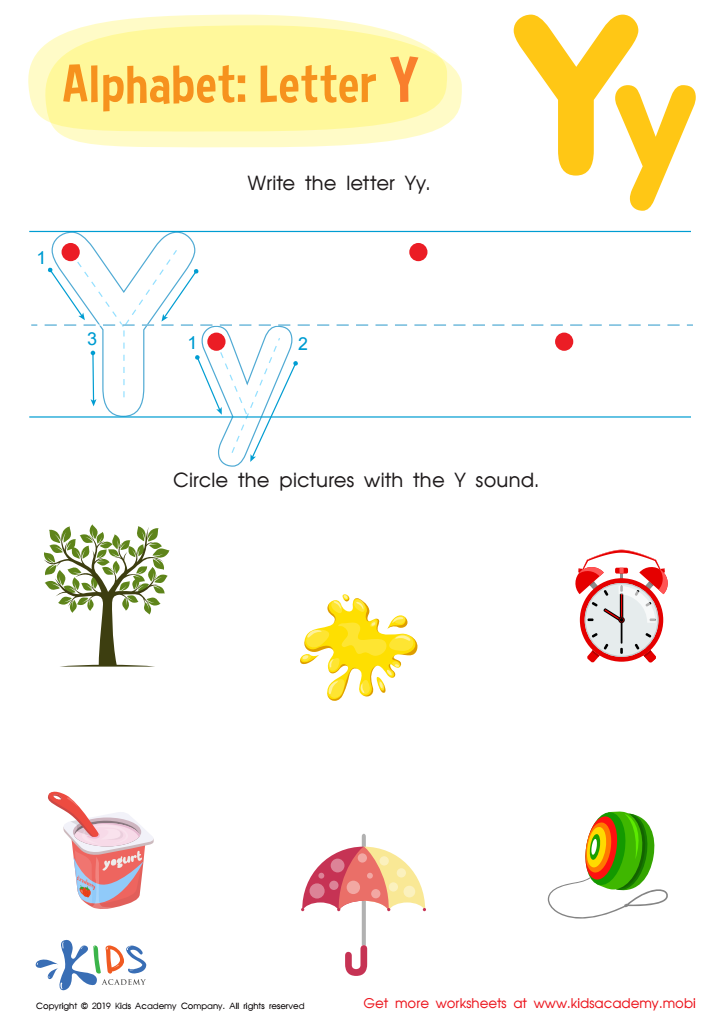
Letter Y Tracing Worksheet



Motor skills development is crucial for Grade 1 students' overall growth, and letter recognition is a foundational skill that links directly to literacy. Firstly, fine motor skills, such as holding a pencil or crafting letters, are essential for writing. As students learn to recognize letters, they also develop the dexterity needed to form them. This coordination fosters confidence, allowing children to express their thoughts and ideas effectively.
Moreover, letter recognition and motor skills are intertwined in young learners' cognitive development. When children engage in activities that strengthen these skills—like tracing letters through play or using educational tools—they enhance their ability to retain and utilize the alphabet. Strong motor skills also promote better concentration when reading and writing; tasks become less frustrating and more enjoyable.
For teachers and parents, supporting motor skills development is vital. This emphasis leads to improved academic performance and sets the foundation for advanced literacy skills. By encouraging practices that enhance both motor development and letter recognition, adults can create a supportive learning environment, fostering independence and enthusiasm for learning. This combination ultimately nurtures proficient readers and writers, leading to lifelong literacy skills essential for success in school and beyond.