Phonics practice Grade 1 Letter Recognition Worksheets
4 filtered results
-
From - To
Enhance your child’s reading skills with our Phonics Practice Grade 1 Letter Recognition Worksheets. These engaging, interactive worksheets are designed to help first graders recognize letters, both uppercase and lowercase, and connect sounds with their corresponding letters. Each worksheet offers a variety of fun activities, including tracing, matching games, and visually appealing exercises that make learning enjoyable. By strengthening letter recognition, students build a strong foundation for phonics awareness, leading to improved reading proficiency. Perfect for classroom use or at-home practice, these worksheets are a valuable resource for fostering literacy skills in young learners. Let’s help your child succeed in reading!
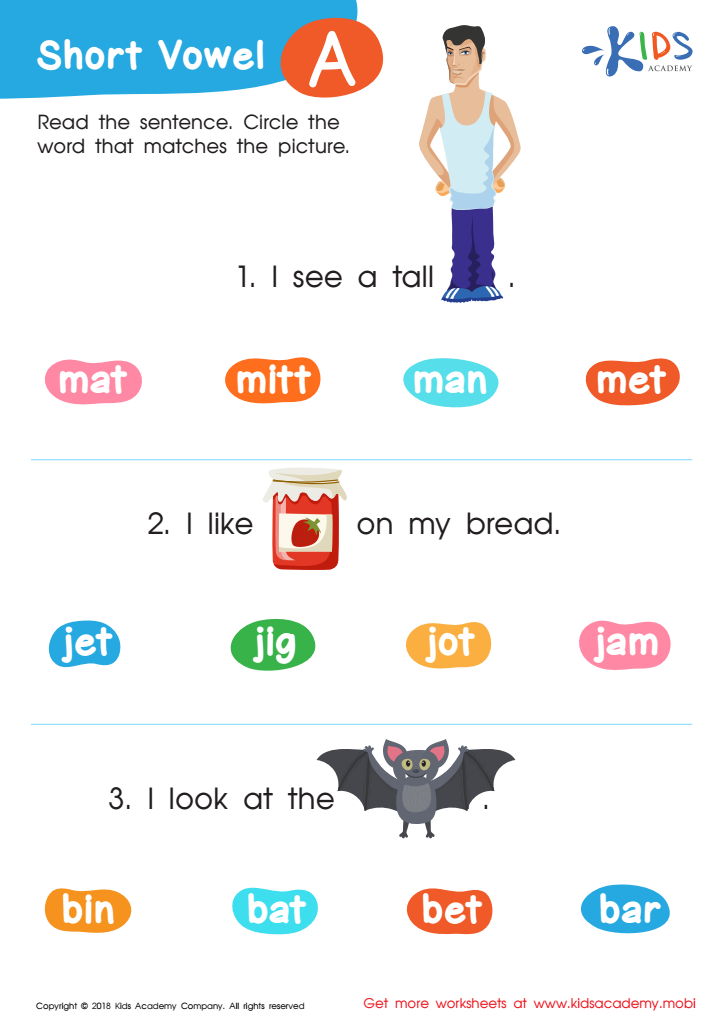
Short Vowel /a/ Worksheet
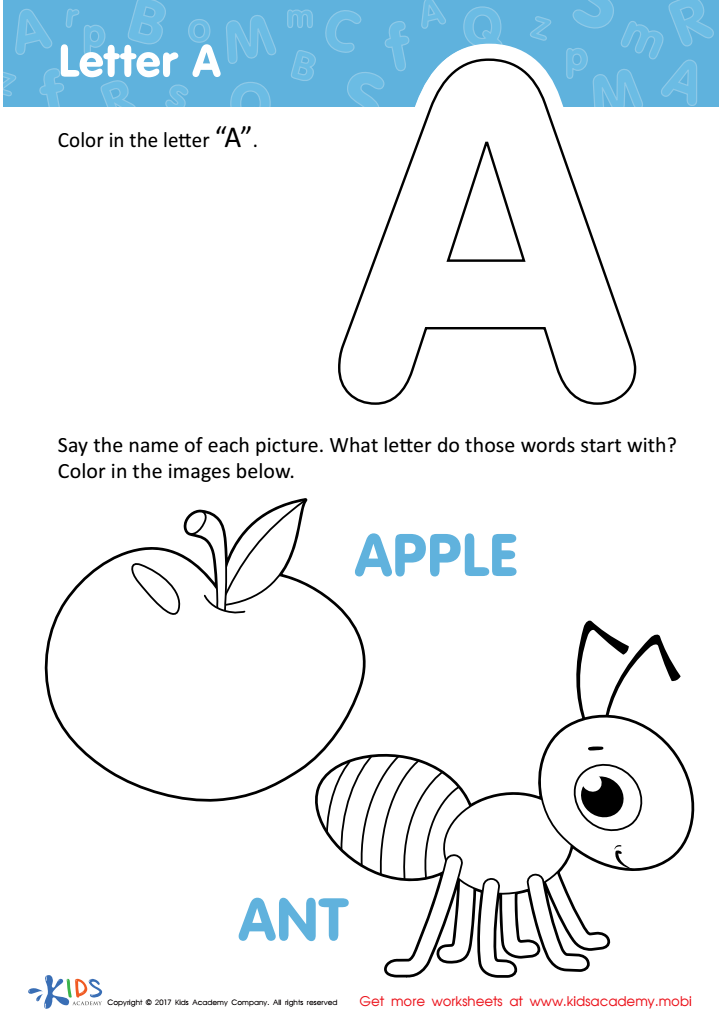
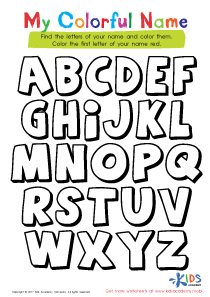
Letter A Coloring Sheet
 Assign to My Students
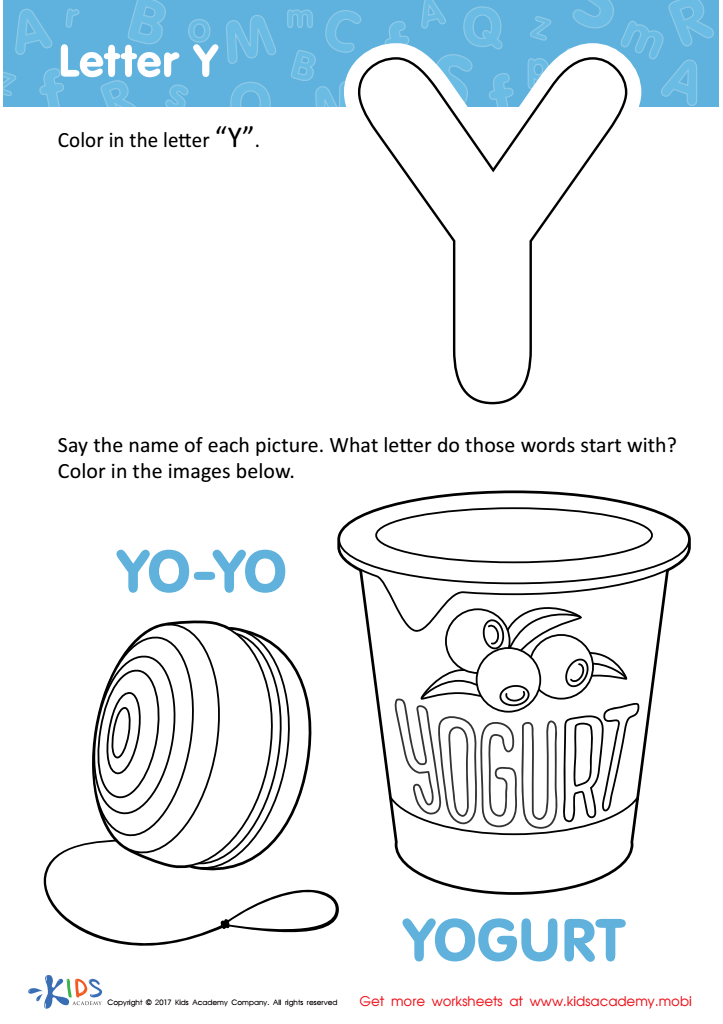
Letter Y Coloring Sheet
Assign to My Students
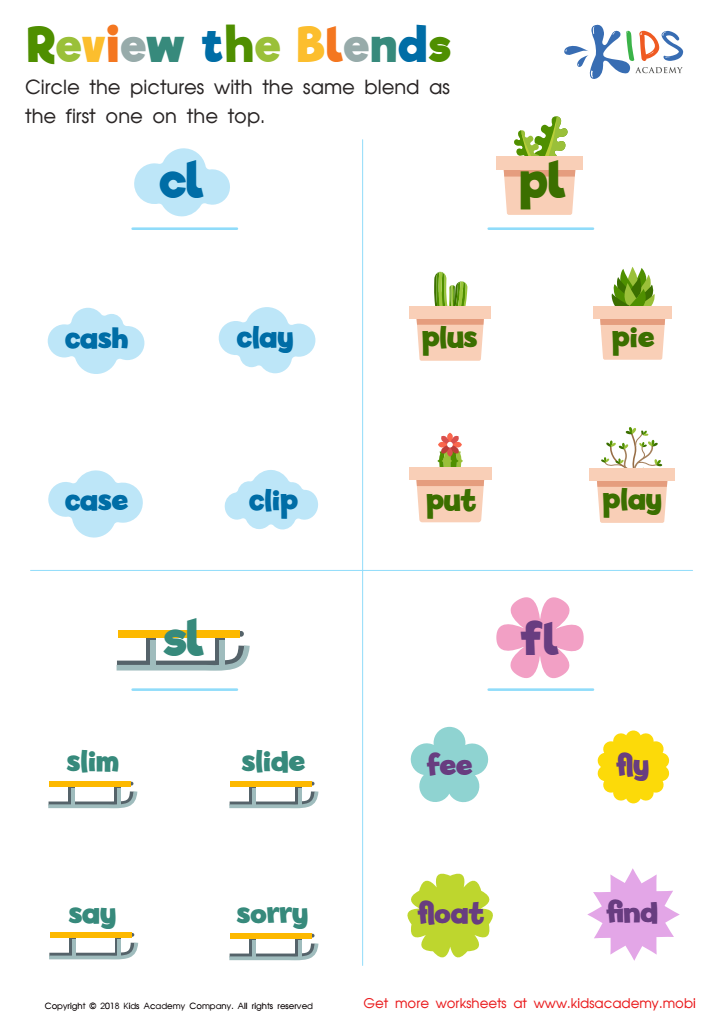
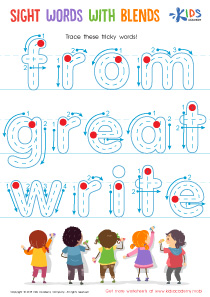
Review the Blends Worksheet



Phonics practice and letter recognition are crucial components of early literacy development for first graders. At this stage, children are building the foundational skills necessary for reading and writing, making it essential for parents and teachers to prioritize these areas.
First, letter recognition is the gateway to reading. Children who can easily identify letters can start decoding words more efficiently, allowing them to progress in their reading abilities. This skill directly impacts their confidence and motivation as learners.
Additionally, phonics practice enhances phonemic awareness—the ability to hear and manipulate sounds in words. This skill is vital for spelling and pronunciation, fostering a deeper understanding of how language works. As children learn to blend sounds to form words, they develop critical thinking and problem-solving skills.
Moreover, early literacy is linked to a child's overall academic success. Proficient readers in the first grade are likely to continue excelling in later years, while difficulties in these areas can lead to long-term challenges.
Incorporating phonics and letter recognition activities into daily routines helps create a supportive learning environment. By working together, parents and teachers can instill a love for reading and ensure children have the foundational skills they need for future learning experiences.