Sound Association Grade 1 Letter Sounds Worksheets
3 filtered results
-
From - To
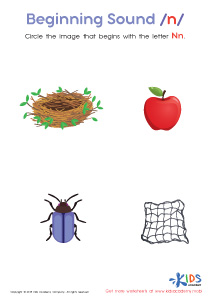
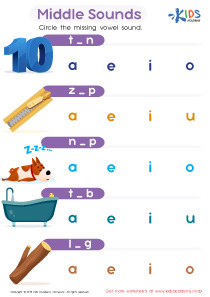
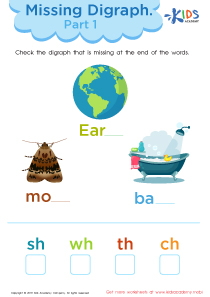
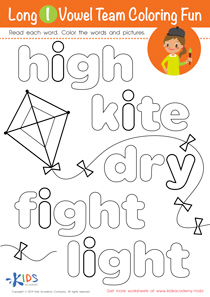
Enhance your first grader's reading skills with our engaging Sound Association Grade 1 Letter Sounds Worksheets! Designed to strengthen sound recognition, these printable worksheets help children connect letters to their corresponding sounds through fun activities and vibrant images. By practicing sound association, students gain the essential foundation for reading fluency and phonetic awareness. Our worksheets encourage interactive learning, making phonics enjoyable and effective. Perfect for classroom or at-home practice, these resources support literacy development while fostering a love for language. Explore our comprehensive collection and watch your child thrive in their reading journey! Start fostering confident readers today!
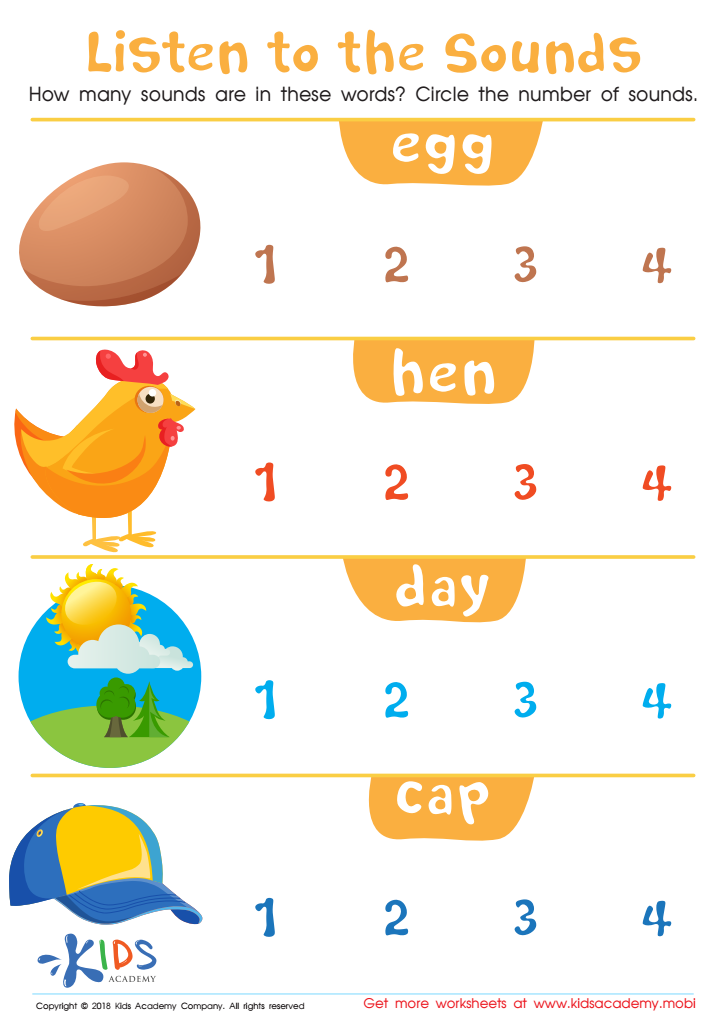
Listen to the Sounds Worksheet
 Assign to My Students
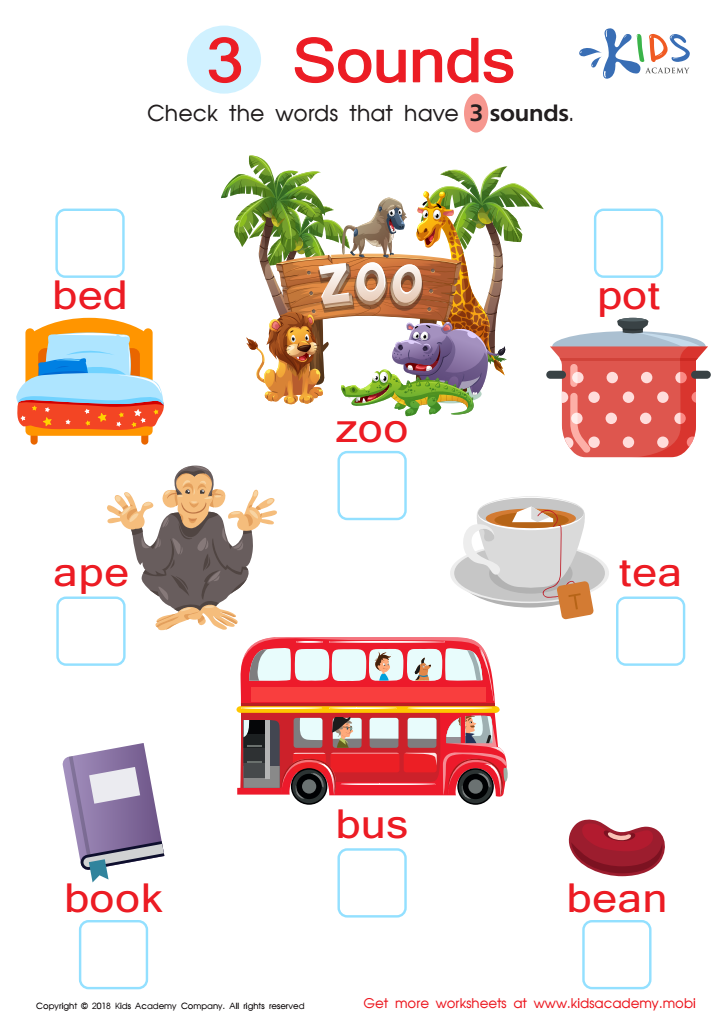
3 Sounds Worksheet
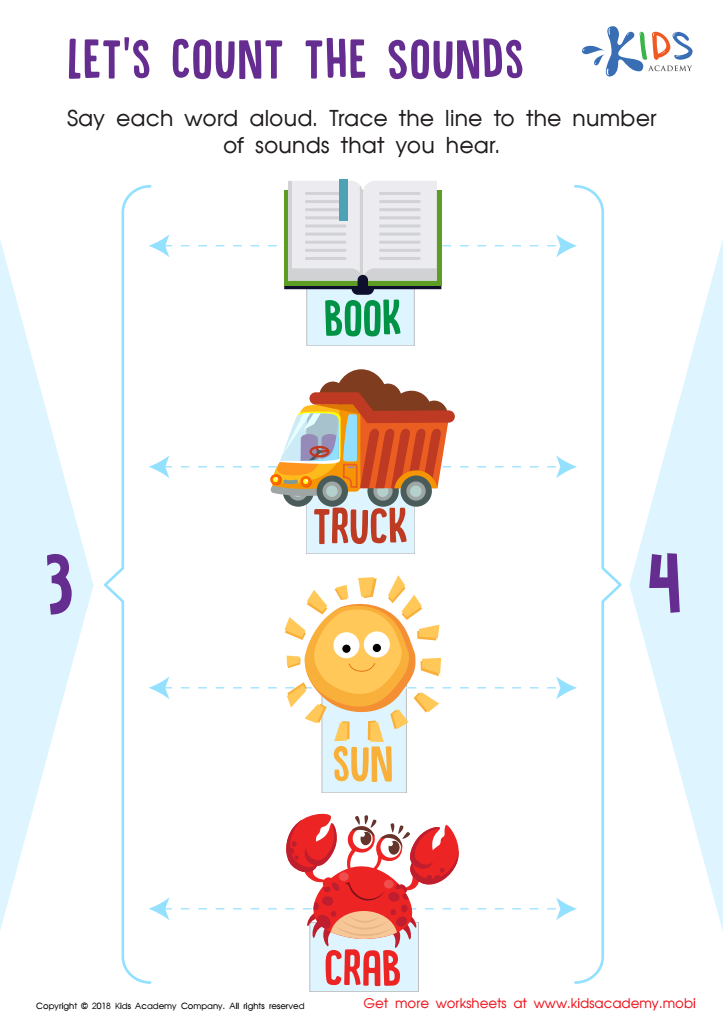
Let's Count the Sounds Worksheet





Sound association in Grade 1, particularly with letter sounds, is crucial for a child's literacy development. At this foundational stage, children learn to identify, produce, and manipulate the sounds of language, which is essential for reading and writing. By mastering these sounds, children can decode words, aiding in their ability to read fluently and comprehend text.
Parents and teachers play a pivotal role in reinforcing sound associations through engaging activities and games. When they incorporate fun exercises, such as rhyming games or sound matching, children become more enthusiastic and motivated to learn. Moreover, strong sound-letter relationships laid in Grade 1 support future language skills, such as spelling, vocabulary development, and comprehension abilities.
Additionally, a deep understanding of phonics contributes to building a child's confidence in literacy. When children can easily decode words, they experience less frustration, which fosters a love for reading and a positive attitude toward learning. For teachers, this mastery translates into improved classroom dynamics and student performance. Ultimately, fostering strong sound associations in Grade 1 sets the groundwork for lifelong reading success, making it imperative for parents and teachers to prioritize these skills during early education.